


The history of Bolton Wanderers
Milestones and background from the club's history, in chronological order.
Categories
Competitions
Nicknames through the years Three names tell a story of near misses, late goals and an unbeaten season. Read the storiesClose the stories
1890–1899
The first FA Cup final
Wanderers reached their first FA Cup final at Goodison Park. Notts County won 4–1, with Jimmy Logan scoring a hat-trick for the Second Division side.

1900–1909
One goal settles the second Cup final
Bolton lost its second FA Cup final 1–0 to Manchester City at Crystal Palace. Billy Meredith scored the deciding goal.

1920–1929
The first FA Cup at the new Wembley
Bolton won its first FA Cup by beating West Ham United 2–0. David Jack scored the first goal in a Wembley final and Jack Smith added the second. The occasion became known as the White Horse Final.
Far more spectators than expected arrived for the first match at the new Wembley and temporarily filled the pitch. Mounted police helped clear the playing area. The widely photographed light-coloured horse Billy gave the final its enduring nickname.
The second FA Cup
David Jack’s goal settled the final against Manchester City 1–0. Wanderers brought the FA Cup back to Bolton for the second time.
Three Cup wins in seven years
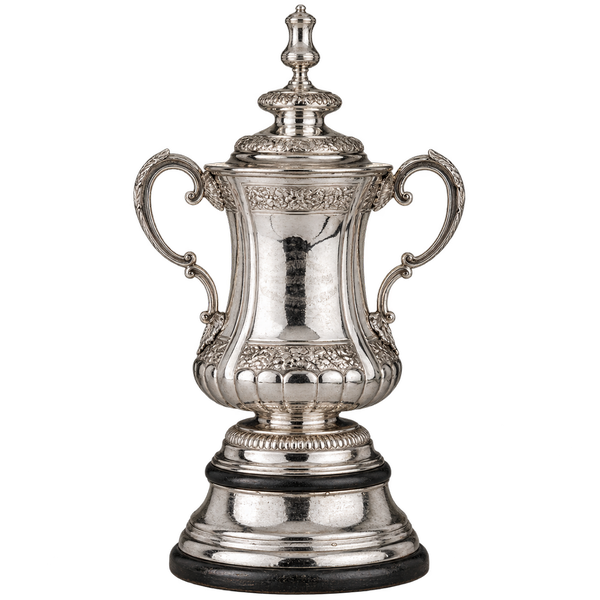
A 2–0 win over Portsmouth delivered the third FA Cup. Billy Butler and Harold Blackmore scored the goals, completing Bolton’s great Cup sequence of the 1920s.


1950–1959
The lead slips away in the Matthews Final
Bolton led Blackpool 3–1 but lost the FA Cup final 4–3. Stan Mortensen scored a hat-trick and Bill Perry the late winner. Stanley Matthews became the final’s most celebrated figure.
Lofthouse wins Bolton a fourth FA Cup
Two goals from Nat Lofthouse gave Bolton a 2–0 win over Manchester United and a fourth FA Cup. United had reached the final only months after the Munich air disaster.
Lofthouse spent his entire professional playing career with the club. Born in Bolton and known as the Lion of Vienna, the centre-forward became the defining figure of this generation. His second final goal, when goalkeeper Harry Gregg was bundled over the line with the ball, remained controversial.


