The history of Bolton Wanderers
Milestones and background from the club's history, in chronological order.
Categories
Competitions
Nicknames through the years Three names tell a story of near misses, late goals and an unbeaten season. Read the storiesClose the stories
1870–1879
Christ Church is founded
The Reverend Joseph Farrall Wright and schoolmaster Thomas Ogden founded Christ Church football club. The club grew from the church community in Bolton, beginning the tradition of the later Wanderers.
Christ Church becomes Bolton Wanderers
The club adopted the name Bolton Wanderers. The new name reflected frequent moves, with the club having used three grounds during its first four years.
1880–1889
The Football League’s first goal is scored in Bolton
As one of the twelve founder members, Bolton began its Football League history against Derby County. Kenny Davenport scored the new league’s first goal, although the match at Pike’s Lane ended in a 6–3 defeat.
A goal by Aston Villa’s Gershom Cox was long regarded as the first league goal. Comparing the actual kick-off times led to Davenport’s recognition in 2013: the goal in Bolton was scored at 3.47 pm.


1890–1899
The first FA Cup final
Wanderers reached their first FA Cup final at Goodison Park. Notts County won 4–1, with Jimmy Logan scoring a hat-trick for the Second Division side.
The league debut at Burnden Park
A 3–1 win over Everton was Wanderers’ first league match at Burnden Park. Following a benefit match against Preston a few days earlier, it began the league history of a ground that would be the club’s home for more than a century.
The first relegation
A 3–1 defeat at Bury made the first relegation from the First Division certain. Bolton could reach only 26 points, with Sheffield Wednesday the only other club below that maximum.
1900–1909
An immediate return
A 3–0 victory over Gainsborough Trinity took Bolton to 48 points and secured one of the two promotion places. Wanderers returned to the First Division after just one season away.
Back in the Second Division
A 4–2 defeat at Blackburn ended Bolton’s last chance of survival. With three matches remaining, the club could reach only 23 points and had to return to the Second Division.
One goal settles the second Cup final
Bolton lost its second FA Cup final 1–0 to Manchester City at Crystal Palace. Billy Meredith scored the deciding goal.
Victory at West Bromwich secures promotion
A 1–0 win at West Bromwich Albion took Bolton to 56 points. Only Liverpool could still reach that total, making promotion back to the First Division certain.
Notts County’s victory settles relegation
Bolton had already completed the season on 33 points. Notts County won 2–1 at Chelsea and moved above Wanderers with 34 points, leaving Bolton in a relegation place.
Back as Second Division champions
A 1–0 win over Derby County settled a close promotion contest. Wanderers finished on 52 points, one ahead of Tottenham and West Bromwich Albion, returning to the top flight as Second Division champions.


1910–1919
An away win cannot prevent relegation
 Everton FC1:1
 Middlesbrough FCFootball League First Division Match 3 · April 16, 1910 · Location: Liverpool Stadium: Goodison Park
Bolton won 2–1 at Bury but could reach only 28 points. Bristol’s 1–0 win over Chelsea, Middlesbrough’s 1–1 draw at Everton and Tottenham’s 1–1 draw with Arsenal left no route to survival.
Chelsea and Tottenham still had to play each other. Both could therefore not finish at or below Bolton’s maximum of 28 points. Wanderers’ own victory could not prevent an immediate return to the Second Division.
Promotion despite defeat at Birmingham
 Birmingham FC2:1
 Bolton WanderersFootball League Second Division Match 1 · April 29, 1911 · Location: Birmingham Stadium: St Andrew’s
 Gainsborough Trinity3:1
 Chelsea FCFootball League Second Division Match 2 · April 29, 1911 · Location: Gainsborough Stadium: The Northolme
Wanderers lost 2–1 at Birmingham and completed the season on 51 points. Chelsea’s 3–1 defeat at Gainsborough Trinity left their rivals on 50 and secured Bolton the second promotion place.


1920–1929
The first FA Cup at the new Wembley
Bolton won its first FA Cup by beating West Ham United 2–0. David Jack scored the first goal in a Wembley final and Jack Smith added the second. The occasion became known as the White Horse Final.
Far more spectators than expected arrived for the first match at the new Wembley and temporarily filled the pitch. Mounted police helped clear the playing area. The widely photographed light-coloured horse Billy gave the final its enduring nickname.
The second FA Cup
David Jack’s goal settled the final against Manchester City 1–0. Wanderers brought the FA Cup back to Bolton for the second time.
David Jack moves for a record fee
David Jack joined Arsenal for £10,890. The scorer in two winning finals had shaped Bolton’s Cup successes, and his move set a new transfer-fee record in English football.
Three Cup wins in seven years
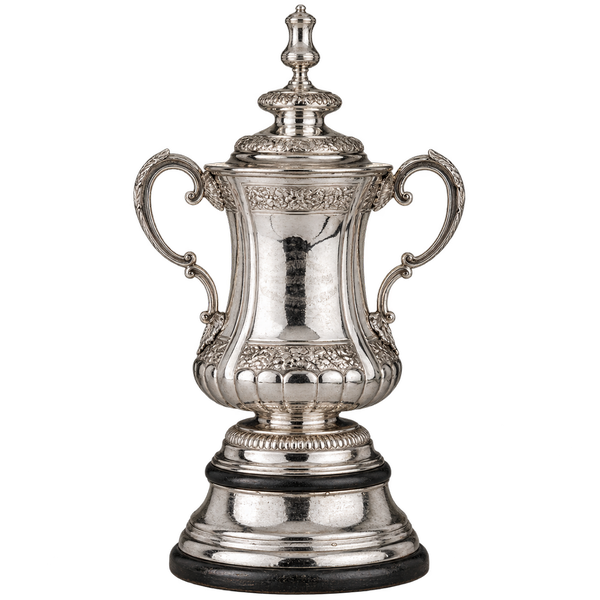
A 2–0 win over Portsmouth delivered the third FA Cup. Billy Butler and Harold Blackmore scored the goals, completing Bolton’s great Cup sequence of the 1920s.


1930–1939
Five goals are not enough for survival
Bolton were relegated despite beating Leeds United 5–0. Leicester’s 6–2 win over West Bromwich and Wolverhampton’s 4–2 victory over Everton took both rivals to 35 points, while Wanderers finished on 33.
Goal average brings Bolton back
 Blackpool FC1:1Bolton WanderersFootball League Second Division Match 1 · May 4, 1935 · Location: Blackpool Stadium: Bloomfield Road
A 1–1 draw at Blackpool secured the second promotion place. West Ham beat Oldham 2–0 on the same day. Both clubs finished on 56 points, with Wanderers’ better goal average earning a return to the First Division.
The team goes to war
At the outbreak of the Second World War, players led by captain Harry Goslin enlisted together in Bolton’s artillery regiment. The team remained closely connected during the war. Goslin did not return, dying of his wounds in 1943.



1940–1949
33 people die at Burnden Park
During the FA Cup match against Stoke City, 33 people died in the overcrowded Burnden Park. Spectators were crushed after barriers collapsed. Remembering the victims remains a lasting part of the club’s history.
The match resumed after an interruption and ended goalless. The disaster shaped debate about crowd safety and capacity limits at British football grounds. Memorial plaques and later commemorations preserve the memory of those who died.

1950–1959
The lead slips away in the Matthews Final
Bolton led Blackpool 3–1 but lost the FA Cup final 4–3. Stan Mortensen scored a hat-trick and Bill Perry the late winner. Stanley Matthews became the final’s most celebrated figure.
Lofthouse wins Bolton a fourth FA Cup
Two goals from Nat Lofthouse gave Bolton a 2–0 win over Manchester United and a fourth FA Cup. United had reached the final only months after the Munich air disaster.
Lofthouse spent his entire professional playing career with the club. Born in Bolton and known as the Lion of Vienna, the centre-forward became the defining figure of this generation. His second final goal, when goalkeeper Harry Gregg was bundled over the line with the ball, remained controversial.
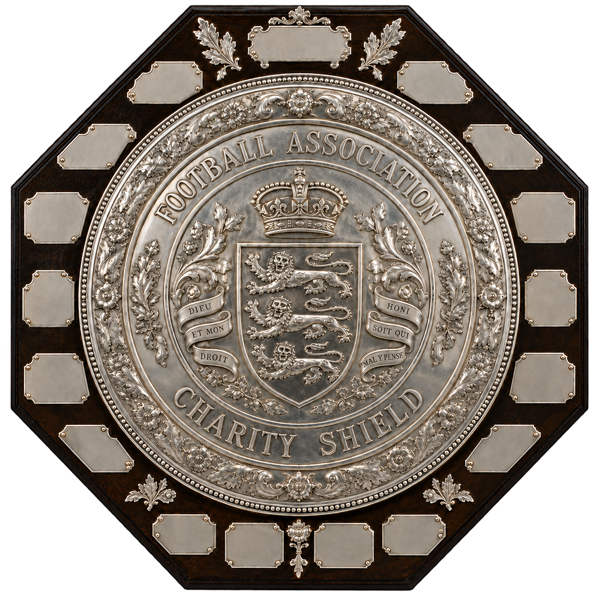
The Charity Shield also comes to Bolton
As FA Cup winners, Bolton hosted league champions Wolverhampton at Burnden Park. A 4–1 victory won the Charity Shield, with Nat Lofthouse scoring twice.



1960–1969
Birmingham’s last match settles relegation
Bolton had already completed the season on 28 points. Birmingham’s 3–0 win over Sheffield United took their rivals to 29 and sent Wanderers into the Second Division after a long spell in the top flight.


1970–1979
Into the third tier for the first time
A 4–1 defeat at Charlton left Bolton able to reach only 26 points. The first relegation to the Third Division was therefore certain.
Back as Third Division champions
A 3–0 victory over York City secured promotion. With Notts County and Blackburn drawing 0–0 on the same day, Bolton’s 58 points also secured the title, as both challengers could reach only 57.
The initials and rose become the club badge
A stylised football formed from the BWFC initials, with red letters, navy ribbons and a Lancashire rose, replaced the older shield badge. The new design shaped the club’s identity for the following decades.
Victory at Blackburn opens the road to the top flight
A 1–0 win at Blackburn took Bolton to 57 points and secured one of the three promotion places. Wanderers returned to the First Division after 14 years away.
The Second Division title is secured
A goalless draw with Fulham took Bolton to 58 points. Southampton also drew 0–0 with Tottenham and finished on 57, making Wanderers Second Division champions.


1980–1989
The top-flight return ends after two years
A 2–1 defeat at Bristol City left Bolton able to reach only 29 points. Relegation was certain, ending the return to the First Division after two seasons.
Back in the Third Division
A 4–1 defeat at Charlton ended the season on 44 points. Bolton finished in one of the three relegation places and had to return to the third tier.
Bristol City wins the Trophy final
The Associate Members’ Cup final ended in a 3–0 defeat to Bristol City. Bolton’s return to Wembley did not yet bring another trophy.
Aldershot sends Bolton into the Fourth Division for the first time
 Aldershot1:0
 Bolton WanderersFootball League Third Division · Play-offs First leg · May 14, 1987 · Location: Aldershot Stadium: Recreation GroundBolton Wanderers2:2a.e.t.AldershotFootball League Third Division · Play-offs Second leg · May 17, 1987 · Location: Bolton Stadium: Burnden Park
After a 1–0 defeat at Aldershot, a 2–2 draw after extra time at Burnden Park was not enough. Aldershot won the play-off tie 3–2 on aggregate, sending Bolton into the fourth tier for the first time.
Wanderers finished 21st in the Third Division and had to contest their place against a Fourth Division play-off participant. The sporting low point came after several years of decline.
An immediate return from the fourth tier
A 1–0 win at Wrexham secured automatic promotion to the Third Division. Wanderers spent just one season in the Fourth Division.
The first Wembley trophy since 1958
Bolton beat Torquay United 4–1 to win the Associate Members’ Cup, then played as the Sherpa Van Trophy. It was Wanderers’ first Wembley trophy since the FA Cup triumph of 1958.


1990–1999
Tranmere settles the promotion final
Bolton lost the Third Division play-off final 1–0 to Tranmere Rovers after extra time. Promotion to the second tier remained out of reach.
White Hot at Anfield
Third-tier Bolton beat holders Liverpool 2–0 in the FA Cup third-round replay. John McGinlay and Andy Walker scored at Anfield, making the evening a high point of the White Hot Cup era.
Rioch leads Bolton into the second tier
A 1–0 victory over Preston North End secured promotion under Bruce Rioch. Bolton moved from the third-tier Second Division into the second-tier First Division.
Liverpool wins the League Cup final
Two Steve McManaman goals gave Liverpool a 2–1 victory in the League Cup final. Alan Thompson’s goal kept Bolton in the contest but was not enough for a first title in the competition.
From 2–0 down to Premier League promotion
Reading led the play-off final 2–0, but Bolton equalised and won 4–3 after extra time. Wanderers returned to the top flight after 15 years away.
Keith Branagan saved Stuart Lovell’s penalty with Bolton trailing 2–0. Owen Coyle and Fabian de Freitas brought Wanderers level before the end of normal time. Mixu Paatelainen and de Freitas then scored in extra time.
The first Premier League season ends in relegation
A 1–0 defeat to Southampton left Bolton on 29 points. With one match remaining, only 32 points were still possible and relegation could no longer be avoided.
An immediate return is secured
A 2–1 victory over Queens Park Rangers secured the return to the Premier League. Under Colin Todd, Wanderers dominated the second tier.
Champions in the final Burnden season
A 2–1 win at Manchester City also secured the second-tier title. Bolton eventually finished the season with 98 points and 100 goals, leaving the First Division as champions.
Farewell to Burnden Park
A 4–1 win over Charlton Athletic was Bolton’s last match at Burnden Park. After 102 years, the club and its supporters said farewell to their historic home.
The old ground was associated with Cup triumphs, the Burnden disaster and the memories of several generations. L. S. Lowry’s painting Going to the Match also gave Burnden Park a place in Britain’s cultural memory.
The new home at Horwich
A goalless draw with Everton began the home era at the Reebok Stadium. The new ground at Horwich replaced Burnden Park and gave Bolton a modern all-seater stadium.
Everton’s draw and goal difference decide
Bolton lost 2–0 at Chelsea while Everton drew 1–1 with Coventry. Both clubs finished on 40 points, but Wanderers were relegated on goal difference.
Watford prevents an immediate return
Watford won the play-off final 2–0. Bolton remained in the First Division and had to wait for a return to the Premier League.




2000–2009
Allardyce takes Bolton back
Bolton Wanderers3:0 Preston North EndFootball League First Division · Play-offs Location: Cardiff Stadium: Millennium Stadium Neutral venue
Bolton beat Preston North End 3–0 at the Millennium Stadium. Gareth Farrelly, Michael Ricketts and Ricardo Gardner scored to secure Premier League promotion under Sam Allardyce.
An eleven-year top-flight spell began. Allardyce combined strong organisation with international experience, and players such as Jay-Jay Okocha, Youri Djorkaeff and later Nicolas Anelka gave Bolton a new sporting profile.
A narrow defeat in the second League Cup final
Bolton lost the League Cup final 2–1 to Middlesbrough. Kevin Davies pulled a goal back after two early concessions, but Wanderers could not find an equaliser at the Millennium Stadium.
The first European match
After finishing sixth in the Premier League, Wanderers played their first European match. They beat Lokomotiv Plovdiv 2–1 at the Reebok Stadium in the UEFA Cup.
A point at Bayern Munich
Bolton earned a 2–2 draw at Bayern Munich in the UEFA Cup group stage. Ricardo Gardner put the visitors ahead, and Kevin Davies equalised late after two Lukas Podolski goals.
Bolton reaches the UEFA Cup last sixteen
After a 1–0 victory at the Reebok Stadium, Bolton held Atlético Madrid to a goalless draw. The aggregate win took Wanderers into the last sixteen of the UEFA Cup.



2010–2019
Stoke ends the FA Cup run
The FA Cup semi-final at Wembley ended in a 5–0 defeat to Stoke City. Bolton missed the chance to reach its first FA Cup final since 1958.
Eleven Premier League years come to an end
A 2–2 draw at Stoke City took Bolton to only 36 points. Queens Park Rangers stayed above Wanderers on 37 despite losing 3–2 at Manchester City, ending Bolton’s eleven-season Premier League spell.
The rose returns to the crest
The club unveiled a new crest combining the stylised BWFC initials with the Lancashire rose and red ribbons. Following consultation with supporters, the design restored familiar elements of the club’s identity.
Relegation to League One is certain
A 4–1 defeat at Derby County left Bolton able to reach only 41 points with five matches remaining. Relegation to League One was certain.
An immediate return is achieved
A 3–0 victory over Peterborough United secured second place and a return to the Championship. Under Phil Parkinson, Bolton won promotion at the first attempt.
Wilbraham’s late goal saves Bolton
Two late goals turned the match against Nottingham Forest into a 3–2 win. Barnsley lost 4–1 at Derby and Burton lost 2–1 at Preston. Bolton finished above both rivals on 43 points and survived.
Adam Le Fondre equalised in the 85th minute and Aaron Wilbraham headed the winner shortly afterwards. Barnsley and Burton remained on 41 points and were relegated. The final day became one of the most emotional moments in the club’s recent history.
Back to League One
A 2–0 defeat to Aston Villa left Bolton able to reach only 41 points. Another relegation from the Championship was certain.
Football Ventures secures the future
Football Ventures (Whites) Limited completed the acquisition of the club and hotel. After months of financial uncertainty, Bolton could begin rebuilding, with Sharon Brittan becoming the leading chair of the new ownership period.




2020–2029
Season curtailment leads to League Two
League One clubs voted to end the season early because of the coronavirus pandemic. The points-per-game standings confirmed Bolton’s relegation to League Two. The season had begun with a twelve-point deduction following administration.
Four goals at Crawley secure promotion
A 4–1 victory at Crawley Town secured third place and automatic promotion to League One. Under Ian Evatt, Bolton returned from the fourth tier at the first attempt.
Four goals and another Wembley trophy
Bolton beat Plymouth Argyle 4–0 in the EFL Trophy final. Ian Evatt’s team won the competition for the second time, giving the travelling supporters a memorable Wembley occasion.
Toughsheet gives the stadium a new name
The new naming partnership gave Bolton’s ground the name Toughsheet Community Stadium. The club and the local business linked the agreement to support for the continued rebuilding.
Oxford prevents promotion to the Championship
Two Josh Murphy goals gave Oxford United a 2–0 win in the play-off final. Bolton remained in League One.
Two victories take Bolton to Wembley
Bolton Wanderers1:0 Bradford CityEFL League One · Play-offs First leg · May 9, 2026 · Location: Bolton Stadium: Toughsheet Community Stadium
Bolton won both semi-final legs against Bradford City 1–0. A 2–0 aggregate victory took Steven Schumacher’s team into the promotion final.
The return to the Championship is achieved
A 4–1 victory over Stockport County won Bolton the play-off final. Under Steven Schumacher, Wanderers returned to the Championship after seven years away.
Rúben Rodrigues scored twice, alongside a Kyle Wootton own goal and Sam Dalby’s overhead kick. The win crowned the rebuilding years following the 2019 crisis with a return to the second tier.