

The history of Dresdner SC
Milestones and background from the club's history, in chronological order.
Categories
Competitions
Nicknames through the years Three names tell a story of near misses, late goals and an unbeaten season. Read the storiesClose the stories
1890–1899
Founded in Pfarrgasse
Young footballers establish Dresdner Sport-Club at Hotel Stadt Coblenz. The founders come from the circle of Neuer Dresdner FC and give their new club its own identity.
Black, poppy red and the DSC flag
The first members’ meeting confirms the club’s name and adopts black and poppy red as its colours. The red-and-black flag becomes DSC’s identifying symbol.
Victory in the first match
The new club win 4–1 away to Neuer Dresdner FC before having held a joint training session. DSC pass their first sporting test only weeks after being founded.


1900–1909
A founding member of the DFB
Dresdner SC are among the clubs founding the German Football Association in Leipzig. The young club becomes involved in the national organisation of German football at an early stage.
VfB Leipzig win the regional final
DSC lose the Central German final 4–0 to VfB Leipzig, who go on to win the inaugural German championship.
First Central German championship
A 3–2 victory over Hallescher FC 1896 brings DSC their first Central German championship and a place in the national finals.
Five goals on the national stage
DSC beat Victoria Hamburg 5–3 in the German championship quarter-final. The high-scoring match in Berlin puts Dresden among the last four.
Union end the first national campaign
DSC lose 5–2 to Berliner TuFC Union 1892 in Leipzig. Union subsequently win the title; Dresden’s first national campaign ends in the semi-final.



1910–1919
Entry in the club register
Dresdner Sport-Club enter Dresden’s club register under number 243. The statutes adopted in June consolidate the organisation of the now established club.
A home of their own in Ostragehege
DSC open their self-financed stadium in Ostragehege. VfB Leipzig win the inaugural football match 1–0, but the new ground becomes the centre of club life.
1920–1929
Regional champions again after 21 years
DSC beat Fortuna Leipzig 3–0 in the final to win their second Central German championship, 21 years after their first title.
Cup victory in a Dresden derby
DSC beat Guts Muts Dresden 2–1 in the Central German Association Cup final. Winning the cup also secures a place in the national championship finals.
Halle win a close final
DSC lose the Central German championship final 1–0 to Wacker Halle. The Association Cup already won remains the spring’s major success.
The main stand burns down
A fire destroys the temporary main stand at DSC’s stadium. The club rebuild their home, gradually replacing the lost facilities with permanent structures.
A third Central German title
A 3–2 final victory over Chemnitzer BC brings DSC their third Central German championship and begins a particularly successful regional period.
Wacker prevent a successful cup defence
The holders reach another Association Cup final but lose 2–1 to Wacker Leipzig. DSC finish the season with a championship and another final appearance.
The masonry stand opens
Following the fire, DSC open a new masonry stand with a clubhouse. The structure shapes the stadium for decades and strengthens the club’s attachment to Ostragehege.


1930–1939
Title retained against VfB
DSC beat VfB Leipzig 2–1 at Leipzig’s Wackerstadion to retain the Central German championship.
A new wooden stand
An additional wooden stand expands DSC’s stadium. Together with the masonry stand, it improves accommodation for growing crowds.
Six goals in the championship final
A 6–0 victory over Preußen Langensalza gives DSC their third successive Central German championship and their fifth overall.
Chemnitz prevail in extra time
DSC lose the championship final 3–2 after extra time to Polizei-SV Chemnitz, ending their run of three consecutive association titles.
The Gauliga replaces the regional championship
The Nazi reorganisation of sport ends the Central German association championship. DSC enter the Gauliga Sachsen and win six Saxon Gau championships by 1944.
The sixth and final Central German title
DSC win the rematch against Polizei-SV Chemnitz 3–1. It is the last Central German championship before German football is reorganised.
A regional double
On their 35th anniversary, DSC beat Polizei-SV Chemnitz 4–2 in the Association Cup final to complete a regional league-and-cup double.


1940–1949
Schalke win DSC’s first national final
DSC reach the German championship final for the first time. Schalke 04 win 1–0 at Berlin’s Olympiastadion.
First German cup triumph
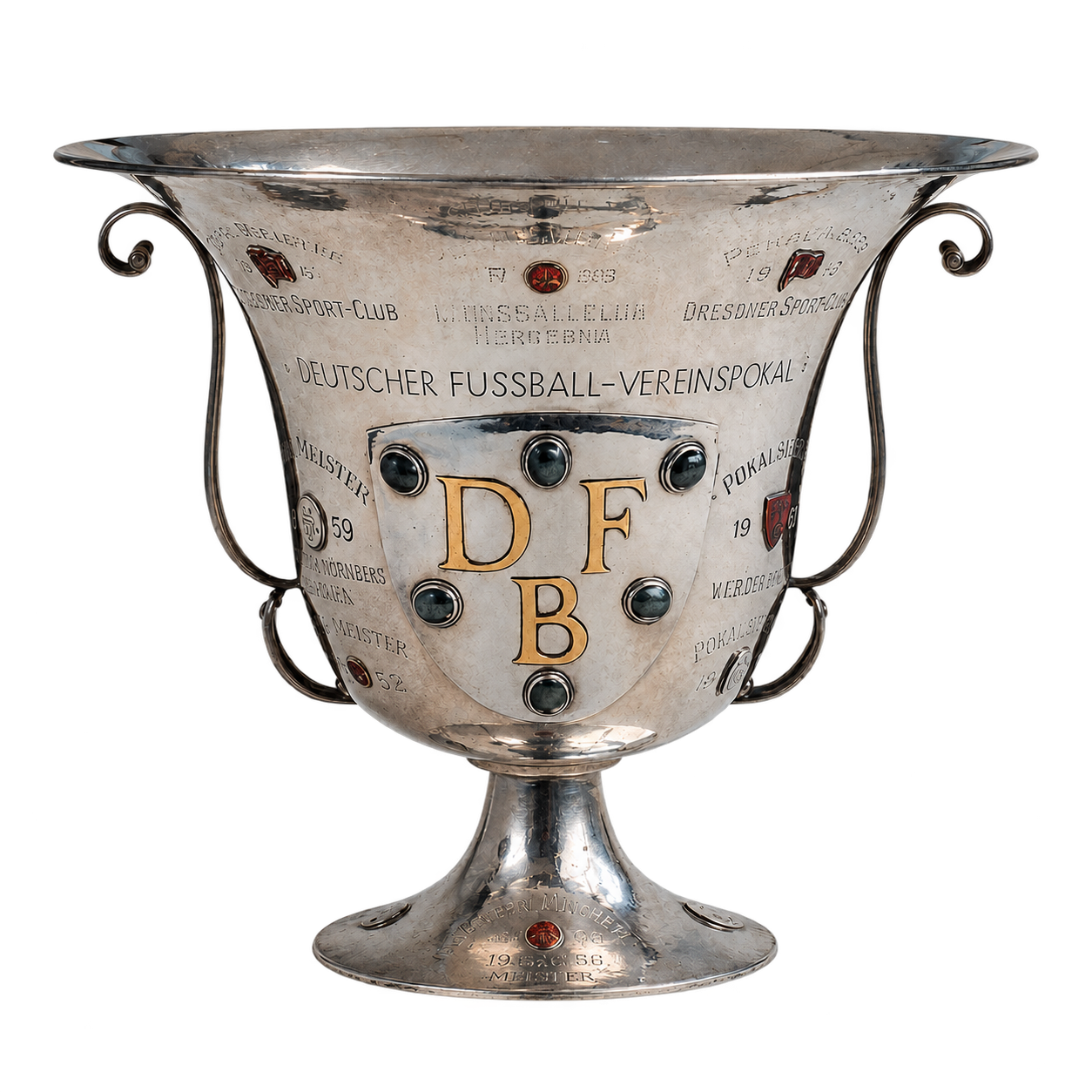
DSC beat 1. FC Nürnberg 2–1 after extra time at the Olympiastadion. Having lost the championship final, they win their first national cup later in the same year.
Cup winners against champions
DSC invite German champions Schalke 04 to a challenge match. The cup winners prevail 4–2 in front of around 40,000 spectators at Ostragehege.
The cup stays in Dresden
DSC retain the Tschammerpokal with a 2–1 victory over Schalke 04, once again at Berlin’s Olympiastadion.
The holders suffer an early upset
A Dresden side severely weakened by military service lose 3–2 away to SV 08 Bischofswerda in the preliminary cup qualifying competition. A protest over an opponent’s eligibility does not change the result.
German champions for the first time
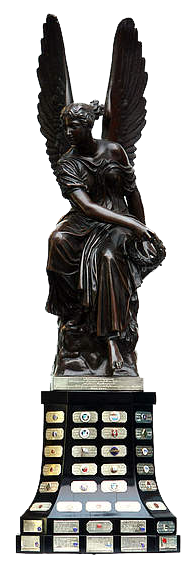
DSC beat FV Saarbrücken 3–0 at the Olympiastadion to win the Viktoria for the first time. Helmut Schön and his teammates crown a successful national campaign.
The Viktoria is retained
In the last completed German championship final before the end of the war, DSC beat Luftwaffen-SV Hamburg 4–0 to retain their title at Berlin’s Olympiastadion.
A new beginning as SG Friedrichstadt
Former DSC members regroup in the newly founded SG Friedrichstadt. The football tradition continues at Ostragehege under post-war conditions.
The original club is dissolved
After its assets are confiscated in May, the original Dresdner SC is dissolved. SG Friedrichstadt continue football in a new organisational framework that includes many former DSC members.
The old club is removed from the register
Dresdner Sport-Club are forcibly removed from the register. The legal break does not end the attachment of many members and supporters to DSC’s tradition.
Twenty-three goals against Lommatzsch
SG Friedrichstadt beat SG Lommatzsch 23–0. Richard Hofmann returns to the side and scores four goals in this extraordinary victory.
The stadium is named after Heinz Steyer
The Ostragehege ground is named after Heinz Steyer, a workers’ sportsman executed in 1944. The name connects the stadium with post-war political remembrance.
Post-war Saxony champions
SG Friedrichstadt win the decisive state championship match against ZSG Industrie Leipzig 1–0. Dresden become Saxony champions and subsequently enter the Eastern Zone championship.


1950–1959
The controversial season finale of 1950
SG Friedrichstadt lose 5–1 to Horch Zwickau before around 60,000 spectators and finish runners-up. Refereeing decisions, injuries and crowd disturbances dominate the afternoon. A state order to manipulate the match has not been proved. The subsequent dissolution of the association and the departure of many players end this short era.
The Dresden football line continues through Mickten
SG Mickten join BSG Sachsenverlag. Remaining footballers and coaches from the Friedrichstadt circle find a new sporting home in this side.
Part of the side moves to Berlin
Players around Helmut Schön move to West Berlin and form the Hertha BSC/DSC joint side for one season. Some later continue as Dresdner SC Heidelberg.
Sachsenverlag become Rotation
BSG Sachsenverlag are renamed BSG Rotation Dresden. The side now play in black and white and remain in East Germany’s highest division.
The leading sides join SC Einheit
SC Einheit Dresden are founded in Moritzburg. Rotation’s first and second football teams move to the new sports club, while the remaining BSG Rotation continue independently.
SC Einheit win the FDGB-Pokal
SC Einheit beat SC Lokomotive Leipzig 2–1 after extra time in the final at Cottbus, the outstanding cup success of this post-war era.



1960–1969
Farewell to the DDR-Oberliga
The long 1961/62 season ends with a 6–0 defeat at Empor Rostock. Bottom with 23 points from 39 matches, Einheit move to the DDR-Liga and never return to the top division.
The football section becomes FSV Lokomotive
SC Einheit’s football section become the independent Fußball-Spielvereinigung Lokomotive Dresden. Backed by the railway organisation, the association again use red and black.
Dynamo become the football development centre
Dynamo Dresden are designated the district’s football development centre. This weakens FSV Lokomotive’s ability to retain leading players over the longer term.

1970–1979
Wismut knocked out of the cup
FSV Lokomotive beat top-flight Wismut Aue 1–0 after extra time in the FDGB-Pokal to reach the last sixteen.
Two cup derbies against Dynamo
FSV Lokomotive are outclassed by Dynamo Dresden in the last sixteen. A 7–1 defeat before 15,000 spectators is followed by a 4–0 second-leg loss, illustrating the growing sporting gap between the two Dresden clubs.
The top-flight opportunity goes unfulfilled
As DDR-Liga Group D winners, FSV Lokomotive enter the promotion round. Three points from eight matches are insufficient for a return to the top flight.


1980–1989
The DDR-Liga era ends
The season ends with a 2–1 defeat in Gröditz. Eighth-placed FSV Lokomotive miss qualification for the DDR-Liga’s reduction to two groups and subsequently play one tier lower in the district league.

1990–1999
The Dresdner SC name returns
The re-establishment of Dresdner SC 1898 begins on March 31. SC Einheit adopt the traditional name on April 19, and FSV Lokomotive’s footballers join on June 7. Black and poppy red and the DSC flag return to football.
Joining the unified German league system
After winning the Dresden district league, DSC enter the Saxony State League, the fourth tier of the unified German league system in 1991/92.
First state-league season ends with the title
DSC close the season with a 4–3 win over Tanne Thalheim. The championship, already secured earlier, is completed with 48 points and 23 wins from 26 matches; the club move into the third-tier Amateuroberliga.
Defeat in the Saxony Cup final
DSC lose the Saxony Cup final 2–0 to hosts FC Sachsen Leipzig at Alfred-Kunze-Sportpark and miss qualification for the DFB-Pokal.
Relegated on the final day
 FSV Hoyerswerda2:0
 1. Suhler SVAmateuroberliga Nordost South Match 2 · May 15, 1994 · Location: Hoyerswerda
DSC lose 3–0 in Erfurt while FSV Hoyerswerda beat Suhl 2–0 and move above them on goal difference with the same points total. Dresden are relegated; the introduction of the Regionalliga means a drop from the third to the fifth tier.
A 4–0 win closes another championship season
DSC finish the state-league season with a 4–0 victory over Pirna-Copitz. Already confirmed as champions, they return to the Oberliga after one year with a final 42–10 points record.
Two victories in the promotion play-offs
 Dresdner SC2:0
 Lichterfelder FCRegionalliga promotion play-offs First leg · June 2, 1996 · Location: Dresden Stadium: Heinz-Steyer-StadionLichterfelder FC1:2Dresdner SCRegionalliga promotion play-offs Second leg · June 8, 1996 · Location: Berlin Stadium: Stadion Lichterfelde
DSC beat VfB Lichterfelde 2–0 and 2–1. The extra Regionalliga place still depends on Tennis Borussia Berlin winning promotion to the second division.
Oldenburg’s win ends promotion hopes
 Tennis Borussia Berlin1:1
 VfB Oldenburg2. Bundesliga promotion play-offs First leg · June 2, 1996 · Location: Berlin Stadium: MommsenstadionVfB Oldenburg2:1a.e.t.Tennis Borussia Berlin2. Bundesliga promotion play-offs Second leg · June 9, 1996 · Location: Oldenburg Stadium: Marschweg-Stadion
The day after DSC’s second win, Tennis Borussia Berlin lose in extra time at Oldenburg. The additional Regionalliga place for Dresden therefore disappears.
Chemnitz win the cup final
Chemnitzer FC win 3–0 at Stadion an der Gellertstraße. DSC lose their second Saxony Cup final appearance of the 1990s.
Hansa’s second side block the way
 F.C. Hansa Rostock Amateure1:0Dresdner SCRegionalliga promotion play-offs First leg · June 1, 1997 · Location: RostockDresdner SC0:1F.C. Hansa Rostock AmateureRegionalliga promotion play-offs Second leg · June 8, 1997 · Location: Dresden Stadium: Heinz-Steyer-Stadion
Runners-up in the Oberliga, DSC get another promotion opportunity. Both matches against Hansa Rostock II are lost 1–0, ending their hopes of reaching the Regionalliga.
Regionalliga promotion in the anniversary year
DSC take the lead only on the penultimate matchday. A 2–0 win in Bischofswerda on the final day secures the title and Regionalliga promotion, two points ahead of Fortuna Magdeburg.
Football becomes independent
Dresdner SC Fußball 98 are founded as a separate club for financial reasons. The football section and parent club approve the separation in December; playing operations under the new name follow in 1999.
Binke decides the city derby
Steffen Binke’s free kick gives DSC their first competitive victory over Dynamo since re-establishment. The 1–0 win at Rudolf-Harbig-Stadion is a highlight of their first Regionalliga season.


2000–2009
Runners-up and still in the third tier
DSC finish runners-up to Union Berlin in Regionalliga Nordost. The reduction to two groups takes them into Regionalliga Nord while remaining in the third tier.
A licence decision brings a reprieve
DSC finish 16th in the Regionalliga. Magdeburg’s failure to obtain a licence and the league’s regional composition allow Dresden to remain in Regionalliga Nord.
Flooding devastates Ostragehege
The Elbe flood submerges DSC’s facilities and destroys parts of their sporting infrastructure. The club temporarily lose their home and move league matches to venues including Meißen and Rudolf-Harbig-Stadion.
A Portuguese coach is brought in to turn things around
José Morais succeeds Eberhard Vogel as coach. Together with several Portuguese recruits, the financially troubled club try to avoid relegation.
A win ends the Regionalliga years
DSC end their Regionalliga Nord years with a 2–1 win away to Leverkusen’s second side. Already relegated, they finish bottom with 20 points and move to the Oberliga.
The final win cannot prevent another relegation
DSC win 2–0 in Auerbach, but Erfurt-Nord obtain the point they need against Sondershausen and finish one point ahead of Dresden. A second successive relegation takes DSC into the Saxony State League.
Supporters establish DSC Friedrichstadt
During the sporting and financial crisis, supporters establish the independent DSC Friedrichstadt to safeguard the football tradition. The side later joins the DSC 1898 structure.
The football club files for insolvency
Dresdner SC Fußball 98 file for insolvency. Following the sporting decline, accumulated debts now directly threaten the independent football club’s survival.
Insolvency proceedings begin
Insolvency proceedings against DSC Fußball 98 are opened. The search for a viable future leads back towards parent club Dresdner SC 1898.
Delegates approve football’s return
With 78 percent support, DSC 1898’s delegates approve taking football back into the club on July 1, 2007. An agreed financial framework is intended to secure the new beginning.
Football returns to DSC 1898
Men’s football returns to Dresdner SC 1898, joined by the footballers of DSC Friedrichstadt. After the years of separation, there is once again a shared organisational home.


2010–2019
Promotion after Dynamo III decline their place
After the season, champions Dynamo Dresden III decline promotion. Runners-up DSC take the available place and play in the higher district league the following season.
The legal chapter of Fußball 98 closes
The separate DSC Fußball 98 club is dissolved after liquidation. By then, football has already been back at DSC 1898 for six years.
A circular crest for the club
DSC introduce their circular badge with red-and-black horizontal stripes. The flag remains alongside it as a distinct traditional symbol.
A new north stand improves the stadium
A new north stand opens at Heinz-Steyer-Stadion. It is retained during the extensive redevelopment carried out between 2021 and 2024.
An immediate return to the Landesklasse
A 1–0 win at Hellerau-Klotzsche secures the city championship and promotion. Following relegation in 2018, Michael Wege’s side return directly to Landesklasse East.
The city cup completes a double
A week after securing promotion, DSC also win the city cup final against Hellerau-Klotzsche. Daniel Forgber and Robert Thomas score in the 2–0 victory at Bodenbacher Straße before 490 spectators.

2020–2029
The pandemic interrupts amateur football
The coronavirus pandemic brings the 2019/20 season to an early end. DSC and their supporters enter a prolonged period of restricted matches and training.
125 years of Dresdner SC
On the 125th anniversary of their founding, DSC look back on a long football history. Titles, political ruptures, new beginnings and Ostragehege connect the club’s different generations.
Two results secure the return to the Sachsenliga
 Hoyerswerdaer FC1:1
 Dresdner SCLandesklasse East Match 1 · June 8, 2024 · Location: Hoyerswerda Stadium: Friedrich-Ludwig-Jahn-Stadion
 SV Wesenitztal3:2
 Eintracht NieskyLandesklasse East Match 2 · June 8, 2024 · Location: Dürrröhrsdorf-Dittersbach Stadium: Stadion am Quellenberg
DSC draw 1–1 in Hoyerswerda. Pursuers Niesky lose 3–2 at SV Wesenitztal, leaving a five-point gap before the last matchday. The final whistle in Hoyerswerda confirms the title and promotion to the Sachsenliga.
The rebuilt Heinz-Steyer-Stadion opens
Heinz-Steyer-Stadion reopen after redevelopment. The retained north stand and the new south side form a modern ground with 10,343 seats where DSC again play their home matches.
Football returns before 2,898 spectators
DSC host FV Dresden 06 Laubegast in the first football match after the stadium redevelopment. Despite a 1–0 defeat, a display, light show and tributes make the evening a special homecoming.
