The history of West Bromwich Albion
Milestones and background from the club's history, in chronological order.
Categories
Competitions
Nicknames through the years Three names tell a story of near misses, late goals and an unbeaten season. Read the storiesClose the stories
1880–1889
Blackburn end the first final dream
West Bromwich Albion reach their first FA Cup final. The opening match against Blackburn Rovers at the Kennington Oval is goalless. Blackburn win the replay in Derby 2–0, leaving Albion still waiting for their first cup triumph.
The first FA Cup
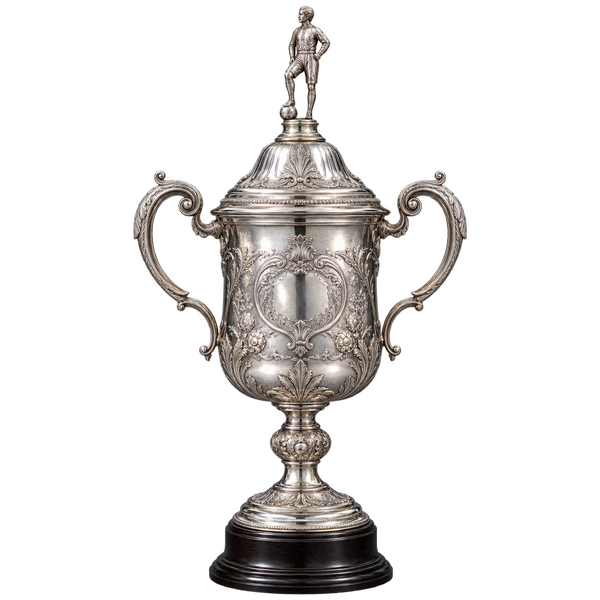
At the third attempt West Bromwich Albion win the FA Cup. A 2–1 victory over fancied Preston North End at the Kennington Oval brings their first major trophy. George Woodhall scores the decisive goal to end the sequence of final defeats.
A founder member of the Football League
West Bromwich Albion are one of the twelve founder members of the Football League. Their first league match brings a 2–0 win at Stoke on September 8, 1888. The first home league appearance at Stoney Lane ends in a 4–3 victory over Burnley FC.




1890–1899
Twelve goals against Darwen
A 12–0 win over Darwen at Stoney Lane becomes West Bromwich Albion’s record competitive victory. Coming only weeks after the FA Cup triumph, it remains an exceptional landmark of the club’s early league years.

1900–1909
A new home at The Hawthorns
West Bromwich Albion open their new home with a 1–1 draw against Derby County. The Hawthorns replaces Stoney Lane and becomes the club’s enduring centre. The first match at the ground is a regular league fixture.

1920–1929
English champions for the first time
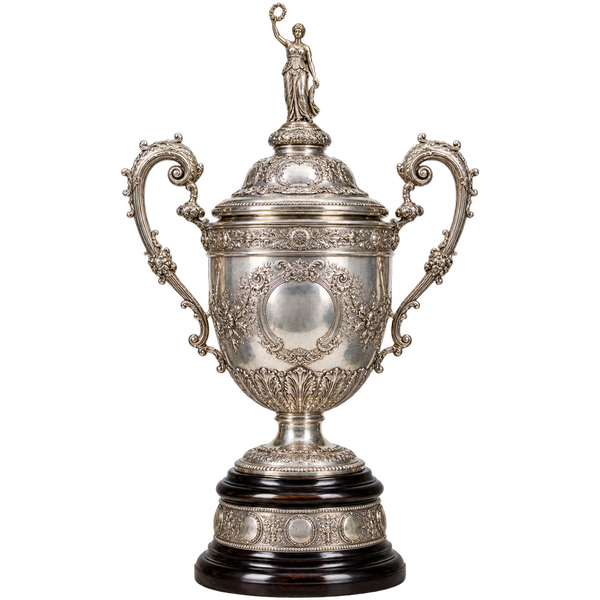
A 3–1 win over Bradford Park Avenue makes West Bromwich Albion English champions for the first time. Four matches remain, but their 56 points are already enough. The final record is 60 points, 28 wins and 104 goals.
Fred Everiss and captain Jesse Pennington are central figures in this side. The title comes in the first regular league season after the First World War. The trophy celebration follows later, with the championship already decided on April 10.


1930–1939
A cup and promotion in one week
One week after winning the FA Cup, West Bromwich Albion beat Charlton Athletic 3–2 at home to secure promotion. The club combine a cup triumph with a return from the Second Division. That unusual double becomes the defining achievement of the 1931 side.
A record 64,815 watch Arsenal defeated
The FA Cup quarter-final against Arsenal draws 64,815 spectators to The Hawthorns. West Bromwich Albion win 3–1. The match sets the ground’s attendance record and becomes a lasting image of its great cup afternoons.


1960–1969
The first European matches
 DOS Utrecht1:1
 West Bromwich AlbionFirst leg · November 2, 1966 · Location: Utrecht Stadium: Stadion GalgenwaardWest Bromwich Albion5:2DOS UtrechtSecond leg · November 9, 1966 · Location: West Bromwich Stadium: The Hawthorns
West Bromwich Albion begin their European competitive history against DOS Utrecht in the Inter-Cities Fairs Cup. A 1–1 draw at Stadion Galgenwaard is followed by a 5–2 Hawthorns win, taking the debutants into the next round.
1970–1979
Pioneers in China
West Bromwich Albion become the first English professional football club to tour China. The opening match in Beijing brings a 3–1 victory over the city side. A BBC documentary follows a journey that connects people across very different everyday worlds as well as football cultures.
Ron Atkinson’s side, including Cyrille Regis, Laurie Cunningham and Brendon Batson, act as sporting and cultural ambassadors. The visit becomes one of the defining international journeys in the club’s history and remains vivid to those involved long after their playing careers.


1990–1999
Into the third tier for the first time
 Leicester City1:0
 Oxford UnitedFootball League Second Division Match 2 · May 11, 1991 · Location: Leicester Stadium: Filbert Street
A 1–1 draw at Bristol Rovers, together with Leicester’s 1–0 win over Oxford United, confirms West Bromwich Albion’s relegation. Their 48 points leave the club in the third tier for the first time, far removed from the great cup and European years.