


The history of West Bromwich Albion
Milestones and background from the club's history, in chronological order.
Categories
Competitions
Nicknames through the years Three names tell a story of near misses, late goals and an unbeaten season. Read the storiesClose the stories
1880–1889
The first FA Cup
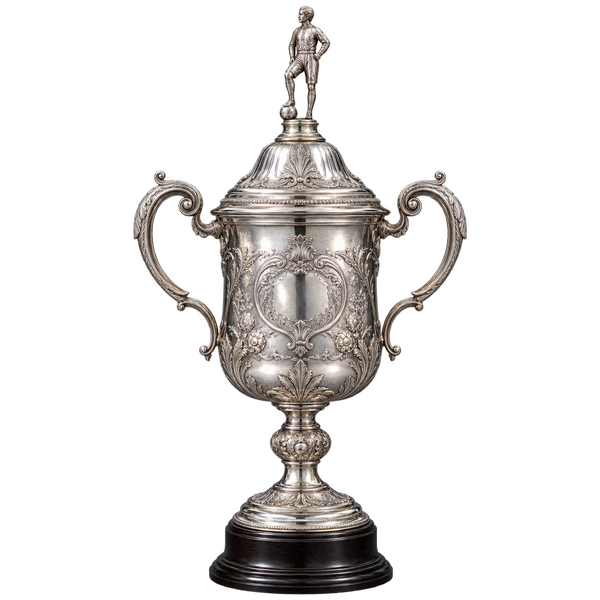
At the third attempt West Bromwich Albion win the FA Cup. A 2–1 victory over fancied Preston North End at the Kennington Oval brings their first major trophy. George Woodhall scores the decisive goal to end the sequence of final defeats.


1890–1899
Revenge against Aston Villa
Five years after losing the final to Aston Villa, West Bromwich Albion take their revenge. A 3–0 victory at the Kennington Oval brings a second FA Cup. March 1892 adds another major trophy to the club’s growing record.

1900–1909
A first Second Division championship
A 2–1 win over Woolwich Arsenal also secures the Second Division championship for West Bromwich Albion. Their 53 points cannot be caught before their final match. The already confirmed promotion now comes with a title.

1910–1919
Champions and back in the top flight
A 1–0 win over Huddersfield Town makes West Bromwich Albion Second Division champions and takes them back to the top flight. Their 53 points put them ahead of Bolton and Chelsea. Seven years outside the First Division give way to a new successful era.

1920–1929
English champions for the first time
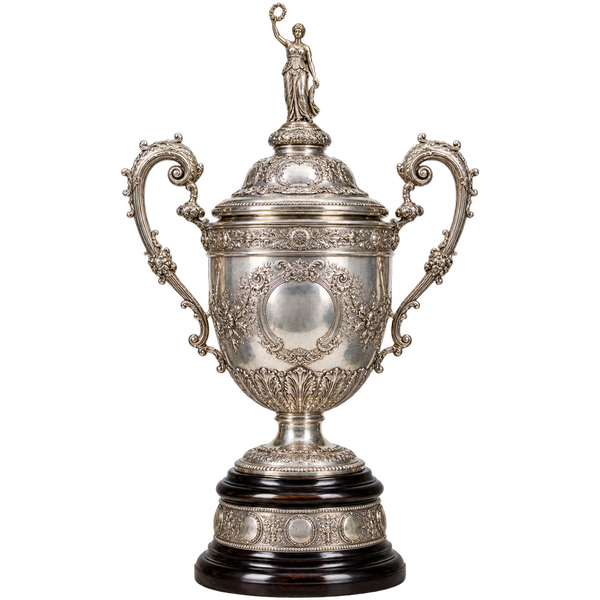
A 3–1 win over Bradford Park Avenue makes West Bromwich Albion English champions for the first time. Four matches remain, but their 56 points are already enough. The final record is 60 points, 28 wins and 104 goals.
Fred Everiss and captain Jesse Pennington are central figures in this side. The title comes in the first regular league season after the First World War. The trophy celebration follows later, with the championship already decided on April 10.
Albion also take the Charity Shield
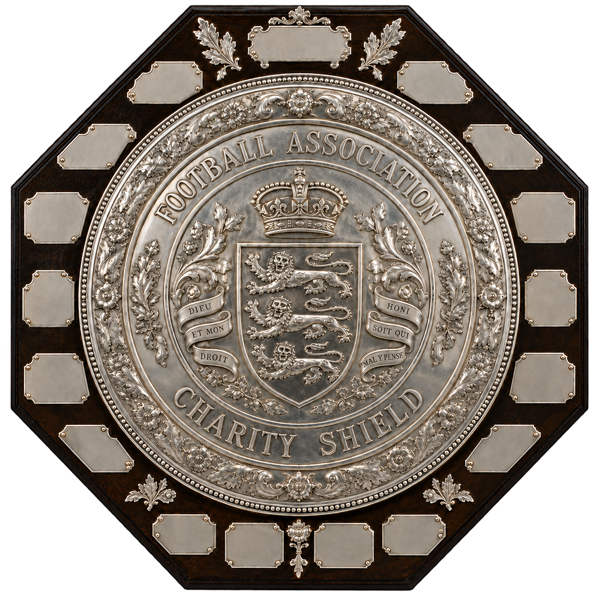
West Bromwich Albion beat Tottenham Hotspur 2–0 at White Hart Lane to win the FA Charity Shield. This edition brings together the champions of the First and Second Divisions. The victory adds another trophy to the club’s first league championship.


1930–1939
A Second Division side win the FA Cup
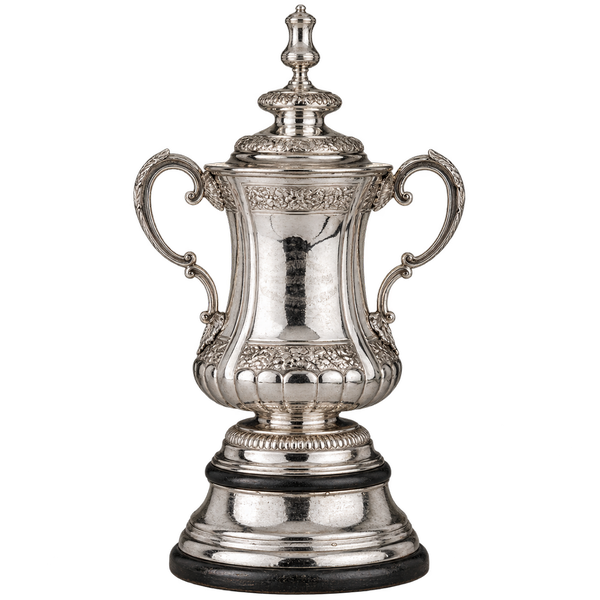
West Bromwich Albion beat Birmingham 2–1 at Wembley to win the FA Cup. W. G. Richardson scores both goals. The Second Division club have secured the trophy while still pursuing a return to the First Division.

1950–1959
The team of the century
West Bromwich Albion win the FA Cup final 3–2 against Preston North End. Frank Griffin scores the late Wembley winner. The trophy and a league runners-up finish make Vic Buckingham’s side one of Albion’s great generations.
Ronnie Allen scores twice in the final. The side’s skilful, attacking football shapes the club’s reputation well beyond the cup triumph. Wolverhampton Wanderers take the league championship to prevent an English double.
Eight goals and a shared Shield
West Bromwich Albion draw 4–4 away to Wolverhampton Wanderers in a Black Country meeting. The cup winners twice recover from a two-goal deficit. With the match drawn, the clubs share the FA Charity Shield.


1960–1969
A first League Cup
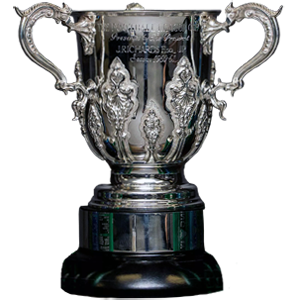
After losing 2–1 at West Ham United, West Bromwich Albion overturn the League Cup final in the return leg. A 4–1 Hawthorns win gives them a 5–3 aggregate victory and their first title in the competition. This is the last two-legged final.
Ray Potter comes into goal for the second leg and helps the side overturn the first-leg deficit. The triumph belongs to a cup era shaped by players including Tony Brown, Bobby Hope and Jeff Astle.
Jeff Astle’s goal brings a fifth FA Cup
Jeff Astle scores the only goal in extra time against Everton in the FA Cup final. The 1–0 Wembley victory brings West Bromwich Albion their fifth FA Cup. Having scored in every round, Astle secures his place among the club’s greats.


2000–2009
Back to the Premier League as champions
A 2–0 win at Queens Park Rangers confirms West Bromwich Albion’s promotion and the Championship title. Tony Mowbray’s side finish with 81 points and 88 goals. A two-point lead over Stoke City brings the club’s third second-tier championship.
