

The history of Borussia Dortmund
Milestones and background from the club's history, in chronological order.
More milestones and background for each event.
Categories
Competitions
Nicknames through the years Three names tell a story of near misses, late goals and an unbeaten season. Read the storiesClose the stories
1900–1909
Ballspielverein Borussia 09 is founded
Eighteen young footballers establish BVB in Dortmund.
The meeting takes place at the Zum Wildschütz restaurant. The new club separates from a church-run youth group and begins as an independent football club.
1910–1919
Black and yellow become club colours
BVB adopt black and yellow as their colours.
The West German football association approves the change. Borussia previously played in blue, white and red; black and yellow become a lasting part of the club's identity.
1920–1929
Weiße Wiese becomes Borussia-Sportplatz
An expanded Borussia-Sportplatz gives the club a permanent football home.
The former Weiße Wiese is enlarged and gains a stand. It remains BVB's home ground until the move to Kampfbahn Rote Erde.
1930–1939
Move to Kampfbahn Rote Erde
Borussia move their home matches to Kampfbahn Rote Erde.
Promotion to the Gauliga Westfalen calls for a larger ground. Rote Erde remains part of Dortmund's football site after the Westfalenstadion is built.
1940–1949
First Oberliga West title
BVB win the 1947/48 Oberliga West title for the first time.
Further West German titles follow in 1948/49 and 1949/50. This regional run precedes the club's national championships.
1950–1959
First German championship
Borussia beat Karlsruher SC 4–2 to win their first German championship.
BVB prevail in the final at Berlin's Olympiastadion. The national title follows their 1955/56 Oberliga West victory.
German title retained
Borussia beat Hamburger SV 4–1 and retain the German championship.
The final takes place at the Niedersachsenstadion in Hanover. Consecutive West German titles lead to a second national triumph.


1960–1969
Third German championship
A 3–1 win over 1. FC Köln makes Borussia the last German champion before the Bundesliga begins.
The final is played at Stuttgart's Neckarstadion. BVB enter the new Bundesliga as reigning champions.
The Bundesliga's first goal
Friedhelm Konietzka scores the first goal in Bundesliga history for Borussia.
Konietzka scores early in the 2–3 defeat away to SV Werder Bremen. The match starts BVB's participation in the new national league.
First DFB-Pokal triumph
Borussia beat Alemannia Aachen 2–0 in the cup final.
At Hanover's Niedersachsenstadion, BVB win their first DFB-Pokal and qualify for the Cup Winners' Cup.
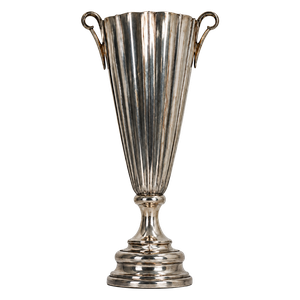
Cup Winners' Cup victory
BVB beat Liverpool 2–1 after extra time to win their first European trophy.
Reinhard Libuda scores the winner at Hampden Park in Glasgow. Borussia become the first German club to win a UEFA European club competition.




1970–1979
Relegation from the Bundesliga
A 0–2 loss away to VfB Stuttgart confirms Borussia's first Bundesliga relegation.
BVB finish the 1971/72 season 17th out of 18, their worst Bundesliga placing to date, and spend the next four years in the second division.
Westfalenstadion opens
BVB open the Westfalenstadion with a friendly against Schalke 04.
Dortmund lose 0–3 but gain a new home next to Rote Erde. The ground has carried the name Signal Iduna Park since 2005.
Return to the Bundesliga
A 3–2 win over 1. FC Nürnberg seals Borussia's promotion.
After a 1–0 first-leg win, BVB also win the promotion play-off return match at the Westfalenstadion. Their four-year second-division spell ends.



1980–1989
Wegmann keeps the hope alive
A late 3–1 win over Fortuna Köln forces a third relegation play-off game.
After a 0–2 first-leg loss, relegation looms. Jürgen Wegmann scores the decisive late goal at the Westfalenstadion before the tie is settled in Düsseldorf.
Survival in the play-off decider
Borussia beat Fortuna Köln 8–0 in the deciding relegation play-off match.
At Düsseldorf's former Rheinstadion, BVB remain in the Bundesliga after a record play-off win. The old ground was demolished in 2002.
DFB-Pokal triumph in Berlin
Borussia beat SV Werder Bremen 4–1 in the cup final.
At Berlin's Olympiastadion, BVB lift their second DFB-Pokal. The victory begins a new period of sporting success.


1990–1999
First Bundesliga championship
A 2–0 win over Hamburger SV gives Borussia their first Bundesliga title.
On the final matchday BVB hold off Werder Bremen. This is the club's fourth German championship after three titles before 1963.
Bundesliga title retained
A 2–2 draw away to TSV 1860 München secures BVB's second consecutive Bundesliga title.
The chasing clubs can no longer catch Borussia before the final matchday. The club's fifth German championship is settled early.
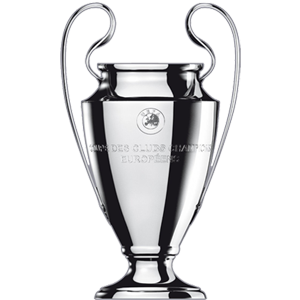
Champions League victory
Borussia defeat Juventus 3–1 in the final.
Karl-Heinz Riedle scores twice and Lars Ricken adds a goal shortly after coming on. At Munich's Olympiastadion, BVB win their first Champions League title.
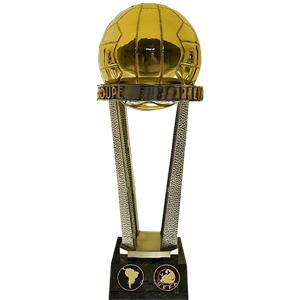
Intercontinental Cup victory
BVB beat Cruzeiro 2–0 in Tokyo.
Michael Zorc and Heiko Herrlich score at the National Stadium. As Champions League holders, Borussia win the Intercontinental Cup against the South American champions.




2000–2009
BVB goes public
Borussia Dortmund GmbH & Co. KGaA is listed on the stock exchange.
The listing changes the financing of the professional side. A severe financial crisis will threaten the club's future a few years later.
German champions in 2002
Borussia win the Bundesliga with a 2–1 victory over SV Werder Bremen.
BVB turn the game around at the Westfalenstadion and secure their sixth German championship on the final matchday. They also reach the UEFA Cup final that season.
UEFA Cup final in Rotterdam
Four days after winning the league, Borussia lose the UEFA Cup final 2–3 to Feyenoord.
The final is played at Feyenoord's own De Kuip stadium. Goals by Márcio Amoroso and Jan Koller cannot prevent BVB's defeat.
Fight for financial survival
A creditors' meeting and fan protests mark a turning point in BVB's rescue from heavy debt.
Facing the threat of insolvency, the club undertakes a financial restructuring. Thousands of supporters march through Dortmund that day.
Jürgen Klopp takes charge
Jürgen Klopp becomes head coach and begins a sporting rebuild.
Under Klopp, BVB later win two league titles and a DFB-Pokal. His tenure brings the club back among Europe's leading sides.

2010–2019
Young side wins the title
A 2–0 win over 1. FC Nürnberg makes Borussia German champions before the final matchday.
BVB secure their first Bundesliga title since 2002. Jürgen Klopp's young side combines high tempo with a strong season record.
Bundesliga title retained
A 2–0 win over Borussia Mönchengladbach secures the eighth German championship.
BVB win a second consecutive Bundesliga season. They finish with 81 points and add the cup weeks later.
First league and cup double
Borussia beat Bayern Munich 5–2 in the DFB-Pokal final.
At Berlin's Olympiastadion, BVB follow their league title with the first Bundesliga and DFB-Pokal double in club history.
Champions League final against Bayern
Borussia lose 1–2 to Bayern Munich in the Wembley final.
A late goal decides the all-German final. It is BVB's second appearance in a Champions League final.
Attack on the team bus
Explosions strike BVB's team bus before the Champions League match against Monaco.
Marc Bartra suffers an arm injury and needs surgery. The match is postponed until the next day; the attack becomes one of the most serious events in the club's recent history.
DFB-Pokal 2017
Borussia beat Eintracht Frankfurt 2–1 to win the DFB-Pokal again.
At Berlin's Olympiastadion, BVB lift their fourth cup. Pierre-Emerick Aubameyang scores the winner from the penalty spot.



2020–2029
Fifth DFB-Pokal title
Borussia beat RB Leipzig 4–1 in the cup final.
Jadon Sancho and Erling Haaland each score twice at Berlin's Olympiastadion. The fifth cup title follows a strong finish to the season.
Title narrowly missed
A 2–2 draw against Mainz 05 on the final day is not enough to win the league.
Bayern Munich win in Cologne and finish level on points with BVB. Goal difference decides the 2022/23 Bundesliga title.
Third Champions League final
Borussia lose the Champions League final 0–2 to Real Madrid.
At Wembley, BVB keep the score level for much of the match before Madrid score twice late on. It is Borussia's third final in Europe's top club competition.
2025/26 Bundesliga runners-up
A 2–0 win away to SV Werder Bremen completes Borussia's season in second place.
BVB collect 73 points and concede 34 goals, the best defensive record in that Bundesliga season. The team finish as runners-up.


