


The history of FC Porto
Milestones and background from the club's history, in chronological order.
Categories
Competitions
Nicknames through the years Three names tell a story of near misses, late goals and an unbeaten season. Read the storiesClose the stories
1920–1929
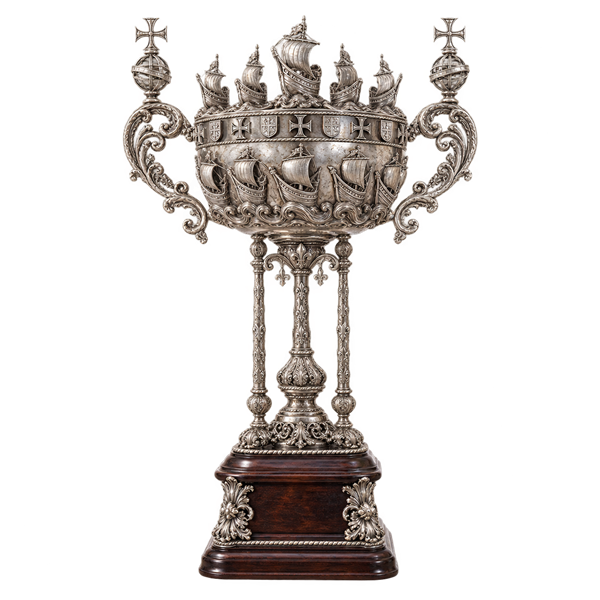
Porto win the first national championship
 FC Porto3:1a.e.t.
 Sporting CPCampeonato de Portugal Match 3 · June 18, 1922 · Location: Porto Stadium: Estádio do Bessa Neutral venue
A third final against Sporting ends 3–1 after extra time.
The inaugural Campeonato de Portugal brings together the champions of Porto and Lisbon. With each side winning at home, a third match at Bessa decides the title. Porto prevail in extra time to win the first nationwide federation competition. This knockout championship belongs to a different competition series from the later Primeira Liga.
A second Campeonato de Portugal
Porto beat Sporting 2–1 in Viana do Castelo.
Three years after their first nationwide success, Porto win the national knockout competition again. Campo de Monserrate stages the deciding match against Sporting. Ákos Teszler’s side confirm their place among the country’s leading clubs.
1930–1939

The title is retained in Coimbra
A 3–0 win over Porto delivers a second Campeonato de Portugal.
Benfica retain the national knockout championship at Campo do Arnado in Coimbra. The side keep a clean sheet against Porto in the final. Consecutive victories confirm their emergence among Portugal’s leading clubs.
A replay delivers the third title
FC Porto4:4a.e.t. BelenensesCampeonato de Portugal Match 1 · July 3, 1932 · Location: Coimbra Stadium: Campo do Arnado Neutral venueFC Porto2:1BelenensesCampeonato de Portugal Match 2 · July 17, 1932 · Location: Coimbra Stadium: Campo do Arnado Neutral venue
After a 4–4 draw, Porto beat Belenenses 2–1 at Arnado.
The first final in Coimbra produces no winner even after extra time. The clubs return to Campo do Arnado two weeks later. Porto win the replay and their third Campeonato de Portugal, in a defining success for the generation around Pinga.
A fourth Campeonato de Portugal
A 3–2 win over Sporting brings Porto’s final title in this competition series.
Porto defeat Sporting in another final at Campo do Arnado in Coimbra. It is their fourth Campeonato de Portugal success. Following the 1938 reorganisation, the national league championship and the new Taça de Portugal become central, while the four older knockout titles retain their distinct historical place.
