The history of FC Porto
Milestones and background from the club's history, in chronological order.
Categories
Competitions
Nicknames through the years Three names tell a story of near misses, late goals and an unbeaten season. Read the storiesClose the stories
1890–1899
1893: Nicolau d’Almeida founds FC Porto
A wine merchant brings his enthusiasm for football home from England.
António Nicolau d’Almeida brings football enthusiasts together in Porto in 1893. The club celebrate September 28 as their foundation date. Early activity grows out of links with England and the city’s wine trade, while a lasting organised football operation has yet to develop.
Football before the king
The Porto side organised by Nicolau lose 1–0 to Club Lisbonense.
King Carlos I and Queen Amélia attend the match at Campo Alegre. Nicolau d’Almeida has invited the visitors from Lisbon, and the occasion gives football visibility beyond its small local circles. FC Porto preserve the match as an important episode of their founding years.

1900–1909
Monteiro da Costa revives the club
A new organisational chapter follows years of limited activity.
José Monteiro da Costa brings football enthusiasts from Grupo Destino together and revives FC Porto in 1906. Blue and white become the club colours. He broadens the sporting programme and establishes a more lasting organisation, while Nicolau d’Almeida’s foundation remains part of the same tradition.
1910–1919
A new ground on Rua da Constituição
A lease prepares the move from Rua da Rainha.
With the previous ground required for a factory, FC Porto search for a new home. In July 1912 the general assembly approves a lease on Rua da Constituição for 350 escudos a year. The ground subsequently developed there accompanies the club’s growth for decades.

Nine goals against Porto on New Year’s Day
Benfica win the friendly at Sete Rios 9–0.
The meeting with Porto’s regional champions produces one of the most striking early results between the future national rivals. Benfica score nine without reply. Regional competitions still form the centre of Portuguese football.
1920–1929
The dragon enters the crest
Simplício joins the football emblem to Porto’s city arms.
Footballer and graphic artist Augusto Baptista Ferreira, known as Simplício, combines the existing ball emblem with the city’s arms in 1922. The dragon and the word Invicta root the club symbol in Porto’s identity. His composition becomes the basis of the familiar crest used today.
Porto win the first national championship
 FC Porto3:1a.e.t.
 Sporting CPCampeonato de Portugal Match 3 · June 18, 1922 · Location: Porto Stadium: Estádio do Bessa Neutral venue
A third final against Sporting ends 3–1 after extra time.
The inaugural Campeonato de Portugal brings together the champions of Porto and Lisbon. With each side winning at home, a third match at Bessa decides the title. Porto prevail in extra time to win the first nationwide federation competition. This knockout championship belongs to a different competition series from the later Primeira Liga.
A second Campeonato de Portugal
Porto beat Sporting 2–1 in Viana do Castelo.
Three years after their first nationwide success, Porto win the national knockout competition again. Campo de Monserrate stages the deciding match against Sporting. Ákos Teszler’s side confirm their place among the country’s leading clubs.
1930–1939

The title is retained in Coimbra
A 3–0 win over Porto delivers a second Campeonato de Portugal.
Benfica retain the national knockout championship at Campo do Arnado in Coimbra. The side keep a clean sheet against Porto in the final. Consecutive victories confirm their emergence among Portugal’s leading clubs.
A replay delivers the third title
FC Porto4:4a.e.t. BelenensesCampeonato de Portugal Match 1 · July 3, 1932 · Location: Coimbra Stadium: Campo do Arnado Neutral venueFC Porto2:1BelenensesCampeonato de Portugal Match 2 · July 17, 1932 · Location: Coimbra Stadium: Campo do Arnado Neutral venue
After a 4–4 draw, Porto beat Belenenses 2–1 at Arnado.
The first final in Coimbra produces no winner even after extra time. The clubs return to Campo do Arnado two weeks later. Porto win the replay and their third Campeonato de Portugal, in a defining success for the generation around Pinga.
Winners of the inaugural Primeira Liga
A 2–2 draw at Sporting settles the new league championship.
Porto enter the final round on 21 points, with Sporting on 19. Under the two-points-for-a-win system, a draw is enough for the visitors. Carlos Nunes and Lopes Carneiro score for Porto. The first league title comes during the competition’s experimental beginnings, alongside the continuing Campeonato de Portugal.
Ten goals against Sporting
A 10–1 win at Ameal becomes an extraordinary classic.
At Campo do Ameal, Porto record one of their most striking victories over a major national rival. The 10–1 defeat of Sporting remains a landmark result of the early league years. Benfica nevertheless win that season’s championship, showing that one overwhelming victory does not settle a league campaign.
Six goals secure another championship
Benfica beat Porto 6–0 in the final league match.
Benfica enter the last round one point ahead of Belenenses. A commanding home victory at Amoreiras keeps Lippo Hertzka’s side in front regardless of other results. Belenenses also win but cannot erase the deficit.
A fourth Campeonato de Portugal
A 3–2 win over Sporting brings Porto’s final title in this competition series.
Porto defeat Sporting in another final at Campo do Arnado in Coimbra. It is their fourth Campeonato de Portugal success. Following the 1938 reorganisation, the national league championship and the new Taça de Portugal become central, while the four older knockout titles retain their distinct historical place.
Champions after reorganisation
A 3–3 draw with Benfica secures the Primeira Divisão title.
Porto win the first Campeonato Nacional da Primeira Divisão following the competition’s renaming and reorganisation. Mihály Siska’s side preserve their lead at Campo da Constituição in the final round. The draw with direct challengers Benfica settles a closely contested championship.
A 6–0 victory transforms the cup semi-final
Benfica overturn a 6–1 first-leg defeat against Porto.
After a heavy loss in Porto, the first Taça de Portugal final appears distant. Benfica score six without reply in the return at Amoreiras. A 7–6 aggregate victory takes the side into the final.

1940–1949
Twelve goals in the Clássico
A 12–2 victory over Porto becomes a historic record.
At Campo Grande, Benfica record their largest competitive victory over Porto. A 4–0 half-time lead grows further after the interval. The extraordinary score becomes a lasting memory of János Biri’s team.
The win behind the Taça Arsenal
Porto beat the English champions 3–2 at Lima.
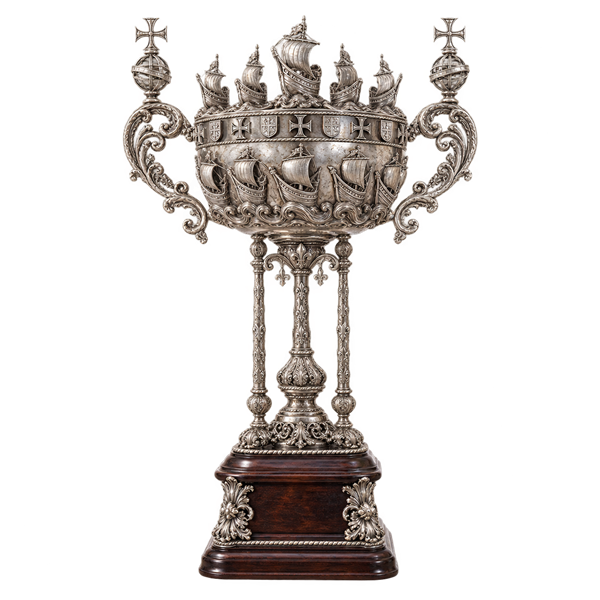
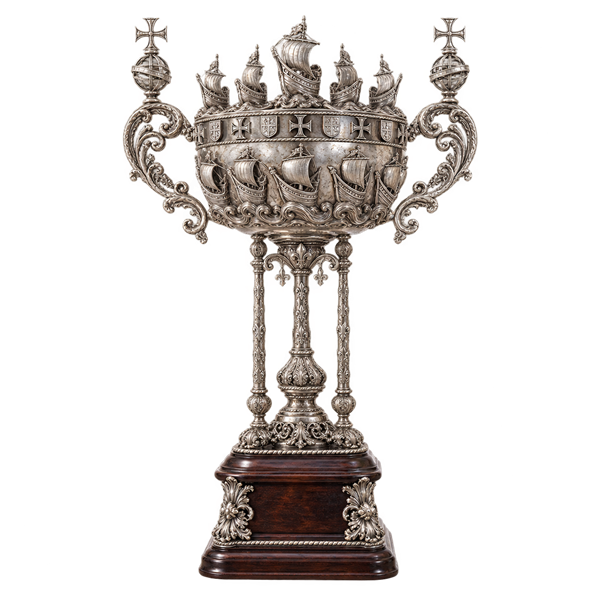
The friendly victory over Arsenal inspires an exceptional response. Supporters organise a collection for a monumental commemorative trophy: the Taça Arsenal, around three metres tall and weighing approximately 250 kilograms. It preserves the pride attached to the match and later becomes a centrepiece of the club museum.

1950–1959
Antas opens a new era
A friendly against Benfica inaugurates the new stadium.
After years of planning, Porto open Estádio das Antas. An 8–2 defeat marks an unhappy sporting start, but the ground gives the club room to grow. For more than half a century it becomes the setting for national and international successes.
A painful first Taça final
Benfica win Porto’s first final in the new cup competition 5–0.
Porto’s first appearance in the Taça de Portugal final, in the competition introduced in 1938, ends decisively in Benfica’s favour. Porto concede five goals at Jamor. Their own breakthrough in the cup comes three years later.
The original Luz opens its gates
Porto win the inaugural match 3–1.
Built through major efforts by the club and its members, the stadium ends a long search for a lasting home. Defeat on opening day does not diminish its importance. The Luz becomes the stage for European success and a focal point of Benfica culture.
The league title returns to Porto
A 3–0 win over Académica ends the long wait for another championship.
Porto and Benfica enter the final round on 41 points each. Victory at Antas takes Porto to 43, with their superior head-to-head record guaranteeing first place even if Benfica also win. Dorival Yustrich’s side thus bring the league championship back for the first time since 1940.
The first Taça completes the double
Hernâni scores both goals in a 2–0 win over Torreense.
After the league championship, Porto also win the cup at Jamor. Hernâni’s two goals deliver their first success in the Taça de Portugal introduced in 1938. Dorival Yustrich thus leads the club to their first national double.
A first European Cup appearance
Athletic win 2–1 at Antas on Porto’s European debut.
As Portuguese champions, Porto enter the European Champion Clubs’ Cup for the first time. José Maria scores their first goal in a European club competition against Athletic. The narrow defeat begins an international story that will eventually take the club to the summit of European football.
Hernâni decides the cup final
One goal against Benfica delivers a second Taça.
After a league campaign that ends narrowly behind Sporting, the cup offers Porto a major prize. Only one goal is scored at Jamor: Hernâni defeats Benfica and brings the trophy back to Porto.
One goal decides the championship
Porto’s 3–0 win at Torreense and Benfica’s 7–1 defeat of CUF leave the rivals almost level.
The rivals enter the last round level on points, with Porto ahead on goal difference. After winning away, Porto must wait for the later finish in Lisbon. Both end on 41 points, but Porto’s goal difference is better by a single goal. The controversial refereeing in Lisbon becomes known as the Calabote affair.
A cup victory after the narrow league finish
Benfica beat Porto 1–0 in the final.
After losing the league championship by a single goal of goal difference, the rivals meet again at Jamor. Benfica win the final and their tenth Taça de Portugal. The season therefore ends with a trophy despite the painful league conclusion.



1960–1969
Leixões win the final at Antas
Porto lose the final at their own ground 2–0.
The Taça final is staged in Porto rather than at its usual venue. Home advantage brings no trophy, as Leixões win 2–0. The neighbouring club from Matosinhos secure one of the best-known underdog victories in Portuguese cup history.
Six goals in the final against Porto
Benfica win the Taça 6–2.
The high-scoring Jamor final underlines the attacking strength of the side built around Eusébio. Benfica defeat Porto and add the cup to the league title. The club remain a dominant domestic force after their two European Cup-winning seasons.
Pedroto guides Porto to the cup
A 2–1 win over Vitória Setúbal ends years without a major trophy.
Former player José Maria Pedroto now wins a national cup as Porto’s coach. His side overcome Vitória Setúbal in the final. With the league title still out of reach, the success demonstrates the impact of his sporting rebuilding work.

1970–1979
Lemos scores all four against Benfica
A 4–0 victory makes the young forward an Antas hero.
António Lemos decides the classic with four goals. For supporters, the performance becomes a memorable bright spot during the long wait for a league championship. The four-goal display outlives the wider sporting difficulties of the period.
Pavão collapses during the match
The captain’s death shocks the club.
During the match against Vitória Setúbal, Fernando Pascoal Neves, known as Pavão, collapses in the 13th minute. He is taken to hospital but cannot be saved. The match continues and ends in a 2–0 Porto victory, a result rendered insignificant by the death of an influential player.
A cup victory at Antas
Fernando Gomes decides the final against Braga.
The final is staged at Porto’s own ground, where one Fernando Gomes goal is enough to defeat Braga. Pedroto’s cup success precedes the return to the top of the league and gives an emerging side an important shared achievement.
Champions again after 19 years
 GD Riopele1:4BenficaPrimeira Liga Match 2 · June 11, 1978 · Location: Pousada de Saramagos Stadium: Parque de Jogos José Dias de Oliveira
Porto’s 4–0 win over Braga and Benfica’s 4–1 victory at Riopele settle the title on goal difference.
The long wait ends only in the final round. Porto and Benfica both win and finish level on points, with Porto’s goal difference better by 15. José Maria Pedroto and football chief Pinto da Costa have built a side capable of competing consistently with the Lisbon rivals.
Sporting deny the double
After a drawn final, Porto lose the cup replay.
A week after winning the league, Porto begin the contest for the Taça. The first game ends 1–1 after extra time, before Sporting win the replay 2–1 six days later. The return to the league title remains the season’s defining achievement, but the possible double is lost.

First Super Cup
Boavista win 2–1 at FC Porto and claim their first Portuguese Super Cup.
The Portuguese federation classifies the 1979 edition as unofficial, while the club includes it in its honours.

1980–1989
The “hot summer” divides the club
Conflict with president Américo de Sá breaks up the partnership with Pedroto and Pinto da Costa.
After the season, a dispute over football leadership escalates. Pinto da Costa leaves his role and the coaching staff around José Maria Pedroto are suspended. Players express solidarity and several key figures depart. The influential partnership is reunited only after a later change of leadership.
The cup ends the barren years
Benfica beat Porto 1–0 at Jamor.
After the league titles of the mid-1970s, Benfica experience several seasons without a major domestic trophy. The narrow final victory over Porto brings another cup. It opens a period in which the rivals meet repeatedly in Taça finals.
Baróti guides Benfica to the double
A 3–1 win over Porto adds the cup to the league.
Lajos Baróti’s side win the federation cup after taking the league championship. The result against Porto at Jamor is clearer than in the previous final. Benfica retain the Taça and return to the domestic summit.
The first Super Cup
Benfica2:0 FC PortoSupertaça Cândido de Oliveira First leg · December 1, 1981 · Location: Lisbon Stadium: Estádio da LuzFC Porto4:1BenficaSupertaça Cândido de Oliveira Second leg · December 8, 1981 · Location: Porto Stadium: Estádio das Antas
Porto turn the tie against Benfica around with a 4–1 win at Antas.
After losing 2–0 in Lisbon, Porto respond with four goals in the return. A 4–1 victory secures a 4–3 aggregate win and gives Hermann Stessl’s side the club’s first Portuguese Super Cup.
Pinto da Costa becomes president
The election begins a presidency lasting 42 years.
Jorge Nuno Pinto da Costa wins the presidential election on April 17, 1982. Pedroto’s return reunites the sporting partnership of the late 1970s. The presidency will transform the club and continue until 2024.
A cup victory at Porto’s own stadium
Benfica win the delayed final at Antas 1–0.
Sven-Göran Eriksson’s first season ends with a domestic double. After the league title and UEFA Cup final, Benfica also win the Taça final, delayed until August. Their opponents and hosts at Estádio das Antas are Porto.
An early trophy of the new presidency
FC Porto0:0BenficaSupertaça Cândido de Oliveira First leg · December 8, 1983 · Location: Porto Stadium: Estádio das AntasBenfica1:2FC PortoSupertaça Cândido de Oliveira Second leg · December 14, 1983 · Location: Lisbon Stadium: Estádio da LuzPorto overcome Benfica across two matches.
Following a goalless first leg at Antas, Porto win 2–1 in Lisbon. The Supertaça becomes one of the first football trophies of Pinto da Costa’s presidency, preceding the club’s run to a European final a few months later.
Four goals against Rio Ave
Porto win the Taça shortly before their first European final.
António Sousa scores twice, with Fernando Gomes and Vermelhinho adding the other goals in a 4–1 victory over Rio Ave. Porto take the Taça home before travelling to the European final in Basel a few weeks later. The domestic success forms an important part of that breakthrough.
Eriksson’s Benfica retain the league title
A derby draw and Porto’s defeat at Bessa settle the championship.
Benfica and Sporting draw 1–1 at the Luz while Boavista beat Porto 2–1. Benfica’s lead grows to three points with one round left. Under the two-points-for-a-win system, the title is therefore secure.
A first European final
Juventus win 2–1 in Basel.
Porto reach the final of a European club competition for the first time. António Sousa cancels out Juventus’s early lead in the Cup Winners’ Cup, but Zbigniew Boniek scores the decisive goal before half-time. Despite defeat, the occasion demonstrates the club’s growing international standing.

Porto falls to Wrexham’s away goals
Wrexham1:0FC PortoEuropean Cup Winners’ Cup First leg · September 19, 1984 · Location: Wrexham Stadium: Racecourse GroundA 1–0 home win over FC Porto was followed by a 4–3 defeat at Estádio das Antas. With the aggregate score 4–4, Wrexham’s three away goals sent the fourth-tier club through against the Portuguese giants.
Farewell to José Maria Pedroto
The former player and title-winning coach dies after serious illness.
José Maria Pedroto shapes Porto first as a player and later as a coach. His teams win the cup and end the long wait for a league championship. After his death, his work remains a central reference point in the club’s sporting identity.
Four matches for one Super Cup
The delayed 1984 edition is not completed until May 1985.
The first two matches against Benfica each end in a 1–0 home victory. A further two-match replay is required. Porto win those games 3–0 and 1–0 to take the trophy after an unusually long final contest.
Benfica win another cup duel
Porto lose the final 3–1.
The major rivals meet again at Jamor. Benfica defeat the new league champions to claim their nineteenth Taça. Pál Csernai’s cup success keeps the club among the domestic trophy winners in an uneven season.
A Super Cup without conceding
Benfica1:0FC PortoSupertaça Cândido de Oliveira First leg · November 20, 1985 · Location: Lisbon Stadium: Estádio da LuzFC Porto0:0BenficaSupertaça Cândido de Oliveira Second leg · December 4, 1985 · Location: Porto Stadium: Estádio das AntasBenfica beat Porto 1–0 on aggregate.
After a narrow home victory at the Luz, Benfica keep the return at Antas goalless. They win the edition linked to the 1984/85 season. The success follows their cup final victory over the same rivals.
Madjer’s backheel changes the club’s history
Porto turn the final against Bayern around to win their first European trophy.
Artur Jorge’s side trail at half-time at Vienna’s Praterstadion. Rabah Madjer equalises with a backheel and Juary scores the winner shortly afterwards. The 2–1 victory over Bayern gives Porto their first European Cup and transforms the club’s international reputation.
Intercontinental glory in Tokyo’s snow
Madjer decides extra time against Peñarol.
On a snow-covered pitch, Porto win the Intercontinental Cup. Fernando Gomes gives them the lead before Peñarol force extra time. Madjer’s decisive lob makes it 2–1, adding a first intercontinental trophy under Tomislav Ivić to the European Cup won earlier in the year.
A third international trophy
Two 1–0 wins over Ajax deliver the European Super Cup.
The Super Cup edition designated for 1987 is not completed until January 1988. After Rui Barros scores at Amsterdam’s De Meer, António Sousa gets the only goal of the return at Antas. Porto win 2–0 on aggregate, adding another international trophy to the European and Intercontinental Cups.
Ivić completes an extraordinary season
Jaime Magalhães decides the cup final against Vitória Guimarães.
A late Jaime Magalhães goal wins the cup for Porto. Tomislav Ivić thus completes a season containing four major trophies, adding the league and Taça to the Intercontinental Cup and European Super Cup.







1990–1999
Extra time against Beira-Mar
Porto win the cup final 3–1.
The final at Jamor requires extra time before Porto overcome Beira-Mar 3–1. Artur Jorge’s side remain among the country’s trophy winners in a season when the league championship eludes them.
Porto derby in the cup final
Boavista beat FC Porto 2–1 for their fourth Taça de Portugal.
The city derby at the Estádio Nacional yields another major title.
Coimbra settles the contest
Benfica2:1 FC PortoSupertaça Cândido de Oliveira Match 1 · December 18, 1991 · Location: Lisbon Stadium: Estádio da LuzFC Porto1:0BenficaSupertaça Cândido de Oliveira Match 2 · January 29, 1992 · Location: Porto Stadium: Estádio das AntasFC Porto1:1a.e.t. · 4:3 on pensBenficaSupertaça Cândido de Oliveira Match 3 · September 9, 1992 · Location: Coimbra Stadium: Estádio Municipal de Coimbra Neutral venue
Porto win the replay against Benfica on penalties.
With each club winning by a one-goal margin, the 1991 Super Cup needs an additional deciding match. Extra time in Coimbra still produces no winner. Porto eventually prevail 4–3 in the shoot-out.
Super Cup after a two-goal comeback
A 2–2 draw against FC Porto secures Boavista the 1992 Super Cup.
Boavista had won the first leg 2–1 at the Estádio das Antas. In the return at the former Bessa, they recover from 0–2 down and prevail 4–3 on aggregate.
Robson’s first cup with Porto
Aloísio decides the replay against Sporting in extra time.
Five days after a goalless final, Porto and Sporting meet again. Extra time is required once more, and Aloísio scores the decisive goal. Bobby Robson wins the Taça against the club he had coached before moving to Porto.
Penalties deliver another Super Cup
FC Porto1:0BenficaSupertaça Cândido de Oliveira Match 2 · August 15, 1993 · Location: Porto Stadium: Estádio das AntasFC Porto2:2a.e.t. · 4:3 on pensBenficaSupertaça Cândido de Oliveira Match 3 · August 17, 1994 · Location: Coimbra Stadium: Estádio Municipal de Coimbra Neutral venuePorto settle another extended final against Benfica.
The two games in August 1993 each produce a 1–0 home win. The contest is settled only a year later in Coimbra. Following a 2–2 draw after extra time, Porto again win the shoot-out 4–3.
Rui Filipe dies in a road accident
The loss of the midfielder strikes Porto at the start of a new season.
Rui Filipe dies in a road accident in August 1994. The midfielder belongs to the side with which Bobby Robson is building a new sporting chapter. His death shocks team-mates and supporters and remains bound to memories of the beginning of the later five-title era.
A Super Cup at the Parc des Princes
FC Porto0:0BenficaSupertaça Cândido de Oliveira Match 2 · September 21, 1994 · Location: Porto Stadium: Estádio das AntasFC Porto1:0BenficaSupertaça Cândido de Oliveira Match 3 · June 20, 1995 · Location: Paris Stadium: Parc des Princes Neutral venueThe replay against Benfica is played in France.
After two draws in 1994, Porto and Benfica meet at the Parc des Princes in June 1995. One goal is enough for Porto to win. The unusual venue brings the Portuguese classic to spectators far from home.

The Supertaça is won in Paris
Sporting CP0:0 FC PortoSupertaça Cândido de Oliveira Match 1 · August 6, 1995 · Location: Lisbon Stadium: Estádio José Alvalade (1956)FC Porto2:2Sporting CPSupertaça Cândido de Oliveira Match 2 · August 23, 1995 · Location: Porto Stadium: Estádio das AntasFC Porto0:3Sporting CPSupertaça Cândido de Oliveira Match 3 · April 30, 1996 · Location: Paris Stadium: Parc des Princes Neutral venue
After two draws, Sporting beats Porto 3–0 in the deciding match.
Sá Pinto scores twice and Carlos Xavier adds a penalty. The Portuguese community in France witnesses Sporting’s third Super Cup triumph at Parc des Princes.
Five goals at the Luz
FC Porto1:0BenficaSupertaça Cândido de Oliveira First leg · August 18, 1996 · Location: Porto Stadium: Estádio das AntasBenfica0:5FC PortoSupertaça Cândido de Oliveira Second leg · September 18, 1996 · Location: Lisbon Stadium: Estádio da LuzPorto win the Super Cup with a 5–0 away victory over Benfica.
Having already won the first leg, António Oliveira’s side produce an extraordinary 5–0 victory in Lisbon. A 6–0 aggregate success becomes one of the most emphatic encounters of Porto’s domestic title-winning era.
Professional football receives its own company
The football SAD changes the legal organisation.
Professional football is organised through Futebol Clube do Porto – Futebol, SAD. Established on July 25, 1997, the company provides a separate corporate structure for this activity. The club and its tradition dating from 1893 continue alongside it.
Super Cup against Porto
A 2–0 home win over FC Porto puts Boavista on course for the Super Cup.
Boavista lose the return 0–1 but win the 1997 Super Cup 2–1 on aggregate, their third including the unofficial 1979 edition.
A double in the fourth championship year
Porto beat Braga 3–1 in the final.
Porto add the Taça to a fourth consecutive league championship. Aloísio, Jardel and Artur score at Jamor. António Oliveira ends his time as coach with a domestic double, and the subsequent coaching change will not interrupt the title run.
Portuguese football’s first five in a row
Boavista’s 2–2 draw at Farense makes Porto champions before their own match.
A late Farense goal removes Boavista’s last chance of catching Porto. The fifth consecutive championship is therefore secured before Porto’s own game begins. Bobby Robson, António Oliveira and Fernando Santos have guided the five-year sequence, surpassing Sporting’s earlier run of four league titles.

2000–2009
A replay victory over Sporting
Clayton and Deco deny the new champions a double.
Four days after a 1–1 draw following extra time, Porto win the replay 2–0 through Clayton and Deco. After their five-year league title sequence ends, the Taça preserves a major trophy for Fernando Santos’s side.
Acosta settles the long final series
FC Porto1:1Sporting CPSupertaça Cândido de Oliveira Match 1 · August 13, 2000 · Location: Porto Stadium: Estádio das AntasSporting CP0:0FC PortoSupertaça Cândido de Oliveira Match 2 · January 31, 2001 · Location: Lisbon Stadium: Estádio José Alvalade (1956)Sporting CP1:0FC PortoSupertaça Cândido de Oliveira Match 3 · May 16, 2001 · Location: Coimbra Stadium: Estádio Municipal de Coimbra Neutral venueSporting wins the Super Cup in the third match against Porto.
After draws in August and January, the contest is settled in May at Coimbra. An Alberto Acosta goal delivers the fourth Super Cup.
Porto retain the Taça
Pena and Alenichev score against Marítimo.
A 2–0 victory over Marítimo brings a second successive cup. Pena and Dmitri Alenichev provide the goals. The national cup stays with Porto while city rivals Boavista win the league.
The Super Cup becomes a single final
Porto beat city champions Boavista 1–0 in Vila do Conde.
The era of extended home-and-away contests and possible replays comes to an end. In the first regular final under the new single-match format, cup holders Porto face champions Boavista. Jorge Andrade scores the only goal at Rio Ave’s ground.
José Mourinho takes charge
The new coach announces a return to the championship.
After Octávio Machado’s tenure ends, Porto appoint José Mourinho from Leiria. At his presentation he sets the objective of winning the following season’s league. He reshapes the team’s football and builds a side whose successes will extend far beyond that promise.
Mourinho’s championship promise comes true
A 5–0 win over Santa Clara settles the league with four rounds to spare.
Victory at home puts Porto beyond the reach of their challengers. José Mourinho fulfils the target he announced when taking charge. The league championship is the first major step in a season that will bring two more trophies.
Derlei decides the night in Seville
Porto beat Celtic 3–2 after extra time.
Henrik Larsson twice brings Celtic level after Porto take the lead. Derlei scores his second goal in extra time to decide the final for José Mourinho’s side. Porto end their long wait for another European trophy and bring Portugal its first UEFA Cup.
Derlei completes the treble
A 1–0 win over União de Leiria adds the cup to the league and UEFA Cup.
After winning the league and a European trophy, José Mourinho’s side also take the domestic cup. Derlei scores the only goal against União de Leiria. Porto finish 2002/03 with three major successes and a team whose greatest journey is still ahead.
Estádio do Dragão opens
Porto win the opening match against Barcelona 2–0.
Manuel Salgado’s new stadium gives Porto a modern home and will host matches at EURO 2004. Derlei and Hugo Almeida score against Barcelona on opening night, when the young Lionel Messi makes his first appearance for the visitors’ senior team.
Costinha silences Old Trafford
A late equaliser sends Porto into the quarter-finals.
After winning the first leg 2–1, Porto trail in Manchester and are heading out on away goals. In the final moments, Costinha converts the rebound from Benni McCarthy’s free-kick. The 1–1 draw secures a 3–2 aggregate victory in a defining moment of the journey to Gelsenkirchen.

One penalty separates Deportivo from the final
Porto settle the semi-final at Riazor.
The first leg at the new Estádio do Dragão ends goalless. Derlei scores the only goal of the tie from the penalty spot in the return. Deportivo lose to the eventual champions, with the semi-final remaining their best Champions League finish.

The cup ends an eight-year wait
Benfica beat Porto 2–1 after extra time.
José Antonio Camacho’s side overcome the Portuguese champions and eventual Champions League winners. After Takis Fyssas equalises, Simão decides extra time. In a season overshadowed by Miklós Fehér’s death, the cup is an especially emotional success.
European champions for a second time
A 3–0 win over Monaco brings the Champions League to Porto.
Carlos Alberto opens the scoring at Arena AufSchalke before Deco and Dmitri Alenichev add second-half goals against Monaco. One year after winning the UEFA Cup, Porto take Europe’s foremost club trophy. The final is also José Mourinho’s last competitive match as Porto coach.

Another European trophy in Monaco
Valencia beat Champions League winners Porto 2–1 through Rubén Baraja and Marco Di Vaio at the Stade Louis II. With Claudio Ranieri back in charge, the club add their second UEFA Super Cup to the league and UEFA Cup won earlier in the year.
Porto win the final Intercontinental Cup
After 120 goalless minutes, penalties decide the match against Once Caldas.
Porto repeatedly hit the woodwork in Yokohama, but neither normal time nor extra time produces a goal. Pedro Emanuel converts the decisive kick in a long shoot-out to secure an 8–7 victory. Víctor Fernández’s side win the final edition of the established contest between Europe’s and South America’s champions.
Champions again after eleven years
A 1–1 draw at Boavista ends the long wait.
Simão opens the scoring from the penalty spot before Éder equalises. The draw is enough to secure Giovanni Trapattoni’s side a thirty-first championship. Porto also draw against Académica as supporters celebrate the return to the summit after eleven years.
Adriaanse’s side win the double
Adriano decides the final against Vitória Setúbal.
Under Co Adriaanse, Porto combine a new tactical approach with domestic success. The cup follows the league championship, with Adriano scoring in a 1–0 victory at Jamor. Porto win both major Portuguese season-long competitions.

Izmailov scores for the sixth Super Cup
 FC Porto0:1Sporting CPSupertaça Cândido de Oliveira Location: Leiria Stadium: Estádio Municipal de Leiria – Dr. Magalhães Pessoa Neutral venue
A long-range strike settles the final against Porto.
Marat Izmailov scores the only goal at Leiria. Paulo Bento’s side follows its cup victory with another success against the league champions.

The first Champions League round-of-16 match
Schalke win their first Champions League round-of-16 match 1-0 against Porto.
Kevin Kurányi scores early in the first leg.
Neuer takes Schalke into the quarter-finals
After a 1-0 defeat in Porto, the tie goes to penalties.
Manuel Neuer makes two saves as Schalke win the shoot-out 4-1 to reach their first modern Champions League quarter-final.
Tiuí’s extra-time goals secure the defence
Sporting wins the Taça de Portugal 2–0 after extra time.
Tiuí scores twice in extra time against Porto. Sporting retains the Taça and wins the competition for the fifteenth time.
Apito Final shakes Porto’s European admission
An initial Champions League exclusion is subsequently overturned.
Following domestic sanctions concerning attempted referee interference linked to matches in 2003/04, UEFA initially refuse admission for 2008/09. Its Appeals Body annuls that decision on June 13, and challenges by other clubs fail at CAS in July. Porto take part in the Champions League. The domestic sanctions are also overturned in 2017 following renewed consideration by the Conselho de Justiça.
Djaló decides the next Super Cup
Two Yannick Djaló goals deliver a 2–0 win over Porto.
Sporting retains the Supertaça at Estádio Algarve. The trophy goes to the Green and Whites for the seventh time.
A second run of four is complete
Bruno Alves heads Porto to a 1–0 win over Nacional.
Porto win a fourth consecutive league championship. After Co Adriaanse began the sequence, Jesualdo Ferreira has delivered the last three, becoming the first Portuguese coach to win three successive league titles. With two rounds remaining, Porto’s points advantage and superior head-to-head record make them uncatchable.
Lisandro delivers another cup
Porto beat Paços de Ferreira 1–0.
The cup accompanies a fourth successive league championship. Lisandro López scores the decisive goal against Paços de Ferreira. Jesualdo Ferreira thus guides Porto to the double in one of the strongest domestic seasons of his tenure.




2010–2019
Benfica retain the League Cup
The final against Porto ends 3–0.
Rúben Amorim, Carlos Martins and Óscar Cardozo score at Estádio Algarve. Benfica win a second successive League Cup. Jorge Jesus’s side add the league championship a few weeks later.
Chaves challenge the favourites
Porto beat the second-division side 2–1 in the final.
After missing out on the league championship, Porto retain the Taça with a 2–1 victory over Chaves at Jamor. It is Jesualdo Ferreira’s last major trophy with the club, before André Villas-Boas begins his brief and exceptionally successful tenure.
Champions at their rivals’ ground
A 2–1 win at Benfica puts Porto beyond reach with five rounds remaining.
Fredy Guarín and Hulk score for André Villas-Boas’s side. Victory at the Luz opens a 16-point gap over Benfica with only 15 points left to play for. Porto later complete the league unbeaten for the first time in their own history, finishing 21 points clear.
Falcao decides the Portuguese final
Porto win the Europa League with a 1–0 victory over Braga.
For the first time, two Portuguese clubs meet in a European club final. Falcao heads in Fredy Guarín’s cross shortly before half-time. His 17th goal of the competition brings the trophy to Porto, with 33-year-old André Villas-Boas becoming the youngest coach to win a UEFA club competition.
Six goals to finish the season
A 6–2 win over Vitória Guimarães crowns Villas-Boas’s side.
Four days after victory in Dublin, Porto win a high-scoring cup final. James Rodríguez scores a hat-trick. The Taça joins the league, Europa League and the Super Cup won at the season’s outset in an extraordinary collection of trophies.
Success after the coaching change
Porto win the Super Cup under Vítor Pereira.
André Villas-Boas’s former assistant takes charge after his departure. Porto beat Vitória Guimarães 2–1 in the Super Cup, extending their successful run as a new chapter begins in the team’s personnel.
A draw in Vila do Conde delivers the title
Benfica’s 2–2 draw at Rio Ave makes Porto champions.
A day after Porto’s victory in Madeira, their challengers drop points. A six-point lead with two matches left is decisive because Porto have already won the head-to-head comparison. Vítor Pereira wins his first league championship as head coach without Porto playing that evening.
Kelvin changes the title race
A late 2–1 win over Benfica puts Porto top before the final round.
A draw would have left Benfica in a commanding position. Kelvin instead scores the winner in added time, creating one of the Dragão’s most emotional nights. The championship is still not secured: Porto must protect their new one-point lead at Paços de Ferreira.
Unbeaten to a third consecutive title
Porto win the decisive final match at Paços de Ferreira 2–0.
Lucho González and Jackson Martínez score at Estádio da Mata Real. Victory preserves the one-point lead over Benfica and secures a third successive championship. Under Vítor Pereira, Porto complete another unbeaten league season, two years after their first undefeated title campaign.
A convincing start for Fonseca
Porto beat Vitória Guimarães 3–0 in Aveiro.
Licá, Jackson Martínez and Lucho González score in the Super Cup victory. Paulo Fonseca’s tenure begins with a trophy, with little sign that several years without silverware will follow.
120 years and a new museum
Museu FC Porto opens on the anniversary.
The museum at Estádio do Dragão opens on the club’s 120th birthday. Trophies, historic objects and memories of players, officials and supporters bring the club’s past together. The monumental Taça Arsenal also finds a home here.
A second consecutive title
Two draws settle the championship in Benfica’s favour.
Benfica draw 0–0 at Guimarães. With Porto having already drawn 1–1 at Belenenses, that point is enough to retain the title. Benfica hold a three-point lead and the better head-to-head record with one round remaining.

First Champions League win
A 3-2 victory over Porto brings Leipzig their first Champions League win.
All five goals are scored before half-time.
The Dragão are champions again
Sporting and Benfica draw 0–0 and can no longer catch Porto.
Porto lead with 82 points when their two challengers draw the Lisbon derby. Both are left on 78 with just one match remaining. Sérgio Conceição brings the title back in his first season, and Porto later finish the competition on 88 points.
The new champions add another trophy
Porto beat Desportivo Aves 3–1.
The end of the long wait for a league title is followed by the Supertaça. Brahimi, Maxi Pereira and Jesús Corona turn the game around against cup holders Aves, confirming the renewed standing of Sérgio Conceição’s side.
Sporting retains the League Cup
Sporting wins the Taça da Liga.
Bas Dost equalises against Porto from the penalty spot. Following a 1–1 draw, Sporting wins the shoot-out 3–1 to secure a second consecutive League Cup.
The seventeenth cup is decided on penalties
Sporting wins the cup after a 2–2 draw and a penalty shoot-out.
Following a 2–2 draw with Porto after extra time, Sporting wins the shoot-out 5–4. Marcel Keizer’s team adds the national cup to the League Cup already secured.


2020–2029
Champions after the pandemic pause
A 2–0 win over Sporting settles the league in July.
After the competition’s interruption, Porto protect their lead. Danilo Pereira and Moussa Marega score in the decisive home match. An eight-point gap with two rounds left secures the championship, under the unusual conditions of a season resumed without spectators.
Mbemba’s double in Coimbra
Porto beat Benfica 2–1 despite being reduced to ten men.
The pandemic-delayed final is played behind closed doors in Coimbra. Porto spend much of the match with ten men following Luis Díaz’s dismissal. Two Chancel Mbemba headers nevertheless secure victory and complete the double.
Ten men survive extra time in Turin
Sérgio Oliveira’s free-kick takes Porto past Juventus.
After a 2–1 first-leg win, Porto spend much of the return in Turin with ten men. Juventus force extra time, but Sérgio Oliveira scores from a free-kick. Despite losing 3–2 on the night, Porto advance at 4–4 on aggregate under the away-goals rule then in force.
The run ends after 58 league matches
Braga inflict Porto’s first league defeat since October 2020.
Ricardo Horta scores the only goal. Porto lose after 58 consecutive unbeaten league matches and must postpone a possible early title celebration. The record sequence remains a defining measure of the consistency of Sérgio Conceição’s side.
Zaidu settles the title night at the Luz
Porto win 1–0 at Benfica to secure their 30th league crown.
In added time, Porto break through Pepê and Zaidu, with the Nigerian scoring the goal that decides both match and championship. Porto reach 88 points that night and subsequently raise their final tally to a league-record 91 with victory in the last round.
Another Conceição double
Taremi scores twice in a 3–1 win over Tondela.
Porto add the Taça to a league championship won with 91 points. Mehdi Taremi scores twice in the final and Vitinha adds the other goal. Sérgio Conceição’s side complete a successful domestic campaign marked by record figures.
Farewell to the Bibota
Fernando Gomes, a two-time European Golden Shoe winner, dies aged 66.
The striker is one of the great figures in Porto’s history. His European scoring awards in 1983 and 1985 earn him the nickname Bibota. Following his death, Portuguese football honours his career and his importance to the club.
A first League Cup is won
Sporting CP0:2FC PortoTaça da Liga Location: Leiria Stadium: Estádio Municipal de Leiria – Dr. Magalhães Pessoa Neutral venuePorto beat Sporting 2–0 in the Leiria final.
After several final defeats, Porto win the Taça da Liga for the first time. Stephen Eustáquio and Iván Marcano provide the goals. Porto thus hold the four main domestic trophies simultaneously for the first time: the league, Taça de Portugal, Super Cup and League Cup.
The cup stays in Porto
A 2–0 win over Braga brings a 19th Taça.
An André Horta own goal and a strike from Otávio decide the final at Jamor. Porto retain the Taça alongside their first League Cup. Despite missing out on the league championship, 2022/23 brings several domestic trophies.
Villas-Boas wins the presidential election
Pinto da Costa’s 42-year presidency comes to an end.
In an election with record participation, members choose André Villas-Boas. The former treble-winning coach returns in a different role. The change closes Pinto da Costa’s exceptionally long presidency and opens a new chapter in sporting and financial leadership.
A 20th Taça between two presidencies
Taremi’s penalty decides extra time against Sporting.
Evanilson cancels out Sporting’s early lead before Mehdi Taremi converts the decisive extra-time penalty. At the trophy presentation, new president André Villas-Boas and his predecessor Pinto da Costa stand together for the club.
From 3–0 down to Super Cup winners
Porto turn the final against Sporting around to win 4–3 after extra time.
Porto fall three goals behind in less than half an hour. Vítor Bruno’s side fight back and force extra time, where Iván Jaime makes it 4–3. One of Portugal’s most spectacular Super Cups gives the new coach his first trophy.
Farewell to Pinto da Costa
The long-serving president dies aged 87.
Jorge Nuno Pinto da Costa leads FC Porto from 1982 to 2024. His presidency combines domestic dominance with seven international football trophies and the building of the Dragão. Following his death, supporters create a large memorial at the stadium.
Rebuilding under financial conditions
UEFA sanction a breach of the football earnings rule.
Porto’s financial rebuilding faces additional pressure. UEFA impose a €5 million fine, with €750,000 unconditional and €4.25 million dependent on compliance in the following season. The subsequent 2024/25 financial results also show a profit and a substantial reduction in negative equity.
The club lose their great captain
Jorge Costa dies aged 53.
As a defender and captain, Jorge Costa embodies Porto’s great teams around the turn of the century. He leads the club to European and intercontinental success and later returns as a football director. His sudden death affects the whole club, with the training centre named in his memory.

Gibbs-White takes Forest into the semi-finals
After a 1–1 draw at Porto, Forest won the Europa League quarter-final second leg 1–0 on April 16, 2026. Morgan Gibbs-White scored early at the City Ground.
A 2–1 aggregate victory took Vítor Pereira’s side to their first European semi-final since 1984.
Farioli leads Porto to a 31st league title
A 1–0 win over Alverca completes the return to the top.
Jan Bednarek scores the only goal at the Dragão. With two rounds remaining, Porto are beyond reach and win the league for the first time since 2022. Francesco Farioli’s side subsequently finish the season on 88 points, one of the club’s highest final totals.
A 25th Super Cup
Porto beat Torreense 1–0 in Coimbra.
Following their return to the league title, Francesco Farioli’s side also win the Super Cup. A 1–0 victory over cup holders Torreense at Estádio Cidade de Coimbra brings their 25th trophy in the competition. Porto open 2026/27 with another domestic success.