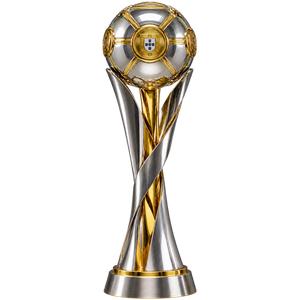
The history of Benfica
Milestones and background from the club's history, in chronological order.
Categories
Competitions
Nicknames through the years Three names tell a story of near misses, late goals and an unbeaten season. Read the storiesClose the stories
1900–1909
Sport Lisboa is founded in Belém
Twenty-four founders establish the roots of Benfica.
Football enthusiasts establish Sport Lisboa at the Pharmácia Franco in Belém. José Rosa Rodrigues becomes the first president. Red and white, the eagle and a shared motto shape the new association. Cosme Damião is among those who build the young club and guide its football for many years.
Victory in the first match
Sport Lisboa beat Campo de Ourique 1–0.
After months of training, Sport Lisboa play their first match on New Year’s Day. At Terras do Desembargador, Silvestre Silva scores the only goal against the visitors from Campo de Ourique. The early home ground lies in Lisbon’s Belém district.

The first derby against Sport Lisboa
Sporting wins the future Lisbon rivals’ first meeting 2–1.
At Campo da Quinta Nova in Carcavelos, Sporting faces the club then known as Sport Lisboa. The narrow victory begins a rivalry that will shape Portuguese football.
Sport Lisboa and Sport Clube de Benfica unite
The combined club adopts the name Sport Lisboa e Benfica.
The union brings together Sport Lisboa’s football and the facilities and cycling tradition of Sport Clube de Benfica. The founding year of 1904 remains part of the shared tradition. A bicycle joins the existing crest, while the name Benfica roots the club in its new local home.
The first derby victory
Benfica beat Sporting 2–0 at Feiteira.
A few weeks after the union, Benfica record their first victory over their Lisbon rivals. Cosme Damião and David da Fonseca score at Feiteira. The match belongs to the regional championship that defines competitive football in the club’s early years.


1910–1919
A new home at Sete Rios
A 4–0 win over Sporting opens the ground.
Benfica move onto rented land at Quinta Nova near Sete Rios railway station. The first match brings a convincing victory in the Lisbon championship. The location introduces the club to another part of the city and provides space for additional sports. Benfica have already won their first Lisbon championship in 1910.

Lisbon champions for the first time
A 3–1 win over Benfica decides the regional championship.
The rivals enter the final match level on points. Despite an injury and a long spell with ten men, Sporting prevails to win the Campeonato de Lisboa for the first time.
Sporting wins the first Honour Cup
A 3–1 win over Benfica delivers the first AFL Taça de Honra.
Two months after the regional championship, Sporting also prevails in the new knockout competition. The final is played at Benfica’s Campo de Sete Rios.
Nine goals against Porto on New Year’s Day
Benfica win the friendly at Sete Rios 9–0.
The meeting with Porto’s regional champions produces one of the most striking early results between the future national rivals. Benfica score nine without reply. Regional competitions still form the centre of Portuguese football.
The union with Desportos de Benfica
Premises on Avenida Gomes Pereira broaden the club’s base.
The absorption of Desportos de Benfica gives the club access to its premises and the ground at Quinta de Marrocos. Benfica arrange an annual lease with the landowning company. This prepares the football side’s return to the district that gives the club its name.
A return to Benfica
Sporting win the opening match at the renovated Campo de Benfica 1–0.
After leaving Sete Rios, Benfica use the renovated ground at Quinta de Marrocos. Improved stands and fencing provide better conditions for spectators. The opening programme features the Taça Cosme Damião, with Sporting winning the inaugural match.
1920–1929
A stadium of their own at Amoreiras
Casa Pia win the opening match 3–1 before around 15,000 spectators.
After years of work and major financial sacrifices, Benfica open Estádio das Amoreiras. Casa Pia win the first match between the senior first teams. The new venue nevertheless becomes home to Benfica’s earliest major national successes and strengthens their connection with more Lisbon neighbourhoods.
A celebrated victory over Ferencváros
Benfica defeat the Hungarian visitors 1–0.
Ferencváros tour Portugal as a highly regarded international side, recording emphatic victories against several leading clubs. At Amoreiras, Benfica prevail. The win before packed stands becomes an important expression of the club’s renewed sporting confidence.

1930–1939
The first nationwide title
Benfica beat Barreirense 3–1 after extra time.
At Campo Grande, Benfica win the Campeonato de Portugal for the first time. The nationwide knockout championship is settled in extra time. The victory adds a national title to a history previously shaped mainly by regional football.
The title is retained in Coimbra
A 3–0 win over Porto delivers a second Campeonato de Portugal.
Benfica retain the national knockout championship at Campo do Arnado in Coimbra. The side keep a clean sheet against Porto in the final. Consecutive victories confirm their emergence among Portugal’s leading clubs.

The chequered identity arrives
Boavista introduce their black and white chequered kit in a 4–0 win over Benfica.
The new shirt and crest establish the identity still associated with the club. Boavista also links the match to its first professional players.
A third Campeonato de Portugal
The final against Sporting ends 2–1.
At Estádio do Lumiar, Benfica win the national knockout competition for a third time. The derby victory opens a particularly successful second half of the 1930s. The new league championship is already developing alongside the knockout tournament.
Benfica win their first league championship
Valadas scores all three goals in a 3–1 win over Sporting.
Victory at Amoreiras settles the second Primeira Liga in Benfica’s favour. They have 20 points after the penultimate round; Porto can still draw level but trail in the head-to-head comparison. Vítor Gonçalves guides the side to their first league title. A subsequent 2–2 draw at Boavista completes the campaign on 21 points.
Six goals secure another championship
Benfica beat Porto 6–0 in the final league match.
Benfica enter the last round one point ahead of Belenenses. A commanding home victory at Amoreiras keeps Lippo Hertzka’s side in front regardless of other results. Belenenses also win but cannot erase the deficit.

Peyroteo begins with two goals against Benfica
Sporting wins 5–3 on its future scorer’s debut.
Fernando Peyroteo, newly arrived from Angola, scores twice in the triangular tournament at Estádio das Salésias. The appearance begins a career that will shape Sporting’s football until 1949.
Sporting wins the final edition
Sporting wins the national final.
Soeiro scores twice and Mourão once in a 3–1 victory over Benfica. Sporting wins the Campeonato de Portugal for the fourth time before the Taça de Portugal takes its place in the calendar.

Champions after reorganisation
A 3–3 draw with Benfica secures the Primeira Divisão title.
Porto win the first Campeonato Nacional da Primeira Divisão following the competition’s renaming and reorganisation. Mihály Siska’s side preserve their lead at Campo da Constituição in the final round. The draw with direct challengers Benfica settles a closely contested championship.
A 6–0 victory transforms the cup semi-final
Benfica overturn a 6–1 first-leg defeat against Porto.
After a heavy loss in Porto, the first Taça de Portugal final appears distant. Benfica score six without reply in the return at Amoreiras. A 7–6 aggregate victory takes the side into the final.
Académica win the inaugural Taça final
Benfica lose 4–3 in Lisbon.
After their remarkable comeback against Porto, Benfica reach the final of the newly introduced federation cup. Académica prevail at Estádio das Salésias. The first winners of the Taça de Portugal therefore come from Coimbra.


1940–1949
A first Taça de Portugal victory
Benfica beat Belenenses 3–1 in the final.
A year after losing the inaugural final of the new federation cup, Benfica succeed. They defeat Belenenses at Estádio do Lumiar, adding a first Taça de Portugal to their three earlier Campeonato de Portugal titles.
A new temporary home at Campo Grande
Benfica beat Sporting 3–2 in the opening match.
After losing Amoreiras to road construction, Benfica must move again. The refurbished Campo Grande provides a regular home from October 1941. A friendly against Sporting opens the years in which Benfica build league and cup-winning teams at this venue.
Twelve goals in the Clássico
A 12–2 victory over Porto becomes a historic record.
At Campo Grande, Benfica record their largest competitive victory over Porto. A 4–0 half-time lead grows further after the interval. The extraordinary score becomes a lasting memory of János Biri’s team.
The first double
A 5–1 win over Vitória Setúbal adds the cup to the league title.
János Biri’s team crown the season with the cup. At Estádio das Salésias, Benfica win decisively to combine the national league and Taça de Portugal for the first time. Their extraordinary 12–2 victory over Porto has already demonstrated the side’s attacking strength.
A derby win delivers the second league title
A 1–0 victory over Benfica settles the championship in the penultimate round.
Sporting reaches 29 points and becomes uncatchable under the two-point system. The final record is 31 points and just one defeat.
Eight goals in a cup final
The 8–0 victory over Estoril sets a Taça final record.
Benfica retain the cup at Estádio das Salésias with an exceptional victory over Estoril. No other final of the competition ends with a larger winning margin. The match becomes one of the most striking records in the club’s history.
A cup victory opens Estádio Nacional
Sporting wins the Taça Império with a 3–2 victory over Benfica.
Portugal’s new national stadium opens with a meeting between the league and cup champions. Sporting prevails at Jamor and takes the Taça Império back to Lisbon.
The biggest league victory
Benfica beat Sanjoanense 13–1.
The match at Campo Grande produces the club’s largest victory in Portugal’s top division. Benfica score thirteen against Sanjoanense. The result endures as an exceptional record, although Sporting take that season’s league title.
The Superga disaster
Torino’s return flight from Lisbon ends in tragedy.
The day after a testimonial for Benfica captain Francisco Ferreira, Grande Torino’s aircraft crashes at Superga. All 31 people aboard die. The 4–3 match at Jamor, intended as a celebration of friendship between the clubs, becomes the great team’s final game.
The cup returns
Benfica beat Atlético 2–1.
At Jamor, Benfica overcome fellow Lisbon club Atlético. After five years without a Taça victory, they win their fourth trophy in this competition. The result opens an especially successful run of finals in the early post-war years.


1950–1959
The Latin Cup brings a first major international trophy
Benfica beat Bordeaux 2–1 after extra time in the replay.
The first final at Jamor ends 3–3 after extra time. Another lengthy contest follows a week later. Julinho’s late winner settles the replay and gives Ted Smith’s Benfica an international trophy against the French champions.
Five goals against Académica
Benfica win their fifth Taça 5–1.
Twelve years after losing the inaugural Taça final, Benfica face Académica again. This time they dominate the match at Jamor and win convincingly. The cup follows the previous year’s international success in the Latin Cup.

Antas opens a new era
A friendly against Benfica inaugurates the new stadium.
After years of planning, Porto open Estádio das Antas. An 8–2 defeat marks an unhappy sporting start, but the ground gives the club room to grow. For more than half a century it becomes the setting for national and international successes.
A nine-goal derby delivers the cup
Benfica edge Sporting 5–4.
Nine goals turn the Jamor final into an extraordinary contest between Lisbon’s rivals. Benfica narrowly prevail and retain the Taça. The victory forms part of their run of three successive federation cups between 1951 and 1953.
A third consecutive Taça
A 5–0 win over Porto completes the cup sequence.
After victories over Académica and Sporting, Benfica win a third successive final. Porto fail to score at Jamor. The club demonstrate their particular strength in the national cup before the original Luz has even opened.
The original Luz opens its gates
Porto win the inaugural match 3–1.
Built through major efforts by the club and its members, the stadium ends a long search for a lasting home. Defeat on opening day does not diminish its importance. The Luz becomes the stage for European success and a focal point of Benfica culture.
A double in the first Luz season
Benfica beat Sporting 2–1 in the cup final.
Under Otto Glória, Benfica add another cup victory to the league championship. The final against Sporting completes a successful campaign. The sporting revival coincides with the move into the new stadium and a more professional organisation of the football side.
Another league and cup double
A 3–1 win over Covilhã delivers a ninth Taça.
Benfica defeat Sporting da Covilhã at Jamor and add the cup to the league championship. Otto Glória’s team finish the domestic season with a double. Their first European Champion Clubs’ Cup campaign awaits in the autumn.
A first appearance in the European Cup
Sevilla win Benfica’s first UEFA match 3–1.
Benfica’s European Champion Clubs’ Cup story begins at the old Estadio de Nervión. Francisco Palmeiro scores the club’s first goal in a UEFA competition. Defeat opens an international journey that will bring two European Cups just a few years later.
Hernâni decides the cup final
One goal against Benfica delivers a second Taça.
After a league campaign that ends narrowly behind Sporting, the cup offers Porto a major prize. Only one goal is scored at Jamor: Hernâni defeats Benfica and brings the trophy back to Porto.
One goal short of the championship
Benfica’s 7–1 win over CUF is not enough to overtake Porto.
The rivals enter the last round level on points. Porto win 3–0 at Torreense while Benfica beat CUF 7–1. Both finish on 41 points, but Porto’s goal difference is better by one. Controversial refereeing in Lisbon becomes known as the Calabote affair.
A cup victory after the narrow league finish
Benfica beat Porto 1–0 in the final.
After losing the league championship by a single goal of goal difference, the rivals meet again at Jamor. Benfica win the final and their tenth Taça de Portugal. The season therefore ends with a trophy despite the painful league conclusion.


1960–1969
Benfica become European champions
A 3–2 victory over Barcelona brings the cup to Lisbon.
At Bern’s Wankdorf, Benfica overturn an early deficit. José Águas, an Antoni Ramallets own goal and Mário Coluna put Béla Guttmann’s side ahead. Benfica become the first Portuguese winners and end Real Madrid’s monopoly of the competition.
Peñarol win the third Intercontinental Cup match
 CA Peñarol5:0
 BenficaIntercontinental Cup Match 2 · September 17, 1961 · Location: Montevideo Stadium: Estadio CentenarioCA Peñarol2:1BenficaIntercontinental Cup Match 3 · September 19, 1961 · Location: Montevideo Stadium: Estadio Centenario
After one win each, the decider in Montevideo ends 2–1 against Benfica.
Benfica win the Lisbon opener 1–0 but lose heavily in the return. With the competition decided by wins rather than aggregate goals, a third game is required. Eusébio’s goal is not enough as Peñarol take the Intercontinental Cup.
Victory over the European champions
Nürnberg beat holders Benfica 3-1 in the first leg of the quarter-final.
Two goals from Gustav Flachenecker and one from Heinz Strehl create one of the club’s great European nights.

Narrowly missing the European Cup final
Tottenham won the return leg, but Benfica advanced 4–3 on aggregate.
The club’s first European campaign ended in the semi-final against the eventual winners.
Five goals against Real Madrid
Benfica retain Europe’s crown with a 5–3 victory in Amsterdam.
Ferenc Puskás scores a first-half hat-trick for Real Madrid, but Benfica keep responding. After goals from José Águas, Cavém and Mário Coluna, Eusébio settles the match with two of his own. Guttmann’s side win the European Cup for a second successive season.

Juca guides Sporting to its eleventh league title
A 3–1 victory over Benfica decides the title race on the final day.
Just 33, Juca takes charge following Otto Glória’s early departure. Sporting and Porto enter the final round level on points; Sporting already holds the head-to-head advantage and secures the title with its own win.
The European champions also win the Taça
Benfica beat Vitória Setúbal 3–0.
A few weeks after their second European Cup triumph, Benfica also win the domestic cup final. Vitória Setúbal fail to score at Jamor. Following Béla Guttmann’s departure, Fernando Caiado guides the team to victory in this final.
Pelé’s Santos triumph at the Luz
 Santos FC3:2BenficaIntercontinental Cup First leg · September 19, 1962 · Location: Rio de Janeiro Stadium: Estádio do Maracanã
Benfica lose the second Intercontinental Cup match 5–2.
After a 3–2 defeat at the Maracanã, Benfica hope to force a decider at home. Santos win again instead. Pelé scores a hat-trick in Lisbon to secure the Brazilian club’s Intercontinental Cup, leaving Benfica without the trophy despite their two European triumphs.
Milan deny a third consecutive European Cup
Benfica lose 2–1 at Wembley.
Eusébio gives the holders the lead. After the interval, José Altafini turns the final around with two goals for Milan. Benfica miss a third successive triumph, although another final confirms their place among Europe’s leading clubs.
Six goals in the final against Porto
Benfica win the Taça 6–2.
The high-scoring Jamor final underlines the attacking strength of the side built around Eusébio. Benfica defeat Porto and add the cup to the league title. The club remain a dominant domestic force after their two European Cup-winning seasons.
A great European night against Real Madrid
Benfica win the quarter-final first leg 5–1.
Elek Schwartz’s side establish a commanding lead at the Luz. Eusébio scores twice, with José Augusto, Simões and José Torres adding the other goals. Benfica lay the foundations for their eventual passage to another European Cup final.
One goal settles the final against Inter
Benfica lose 1–0 at San Siro.
Jair scores the only goal on a rain-soaked pitch in Milan. Benfica goalkeeper Costa Pereira is later injured and, with substitutions unavailable, Germano takes over in goal. Benfica still threaten an equaliser, but Inter retain the trophy at their own stadium.
Eusébio wins the Ballon d’Or
The Benfica striker becomes the first Portuguese recipient.
France Football select Eusébio as European Footballer of the Year. His goals and performances for Benfica have made him a defining figure in world football. Born in Mozambique, the forward links the club’s greatest European achievements with exceptional individual performances.

George Best’s great night in Lisbon
George Best scored twice early in the 5–1 win at the old Estádio da Luz.
United overcame a Benfica side with a formidable home record. The performance established Best as a European football personality.
Wembley is decided in extra time
Manchester United beat Benfica 4–1.
Jaime Graça cancels out Bobby Charlton’s opener. Near the end, Alex Stepney denies Eusébio a possible winner. United score three times in extra time to take their first European Cup, while Benfica fall short in their fifth appearance in the final.
A cup final amid student protest
Benfica beat Académica 2–1 after extra time.
Académica’s supporters use the final to protest against dictatorship and repression of the student movement. On the pitch, Simões equalises before Eusébio settles extra time. Mutual respect between the players shapes a match whose significance reaches beyond football.


1970–1979
Champions at Restelo with help from the rival
 Belenenses1:2Sporting CPCampeonato Nacional da Primeira Divisão Match 1 · March 15, 1970 · Location: Lisbon Stadium: Estádio do ResteloBenfica2:1
 Vitoria SetubalCampeonato Nacional da Primeira Divisão Match 2 · March 15, 1970 · Location: Lisbon Stadium: Estádio da Luz (1954–2003)
A 2–1 win at Belenenses and Benfica’s victory over Vitória Setúbal make Sporting champions with four rounds remaining.
Fernando Vaz’s side reaches 38 points. Both challengers can now only match that total; Sporting holds the head-to-head advantage against each and therefore wins its thirteenth league title.
Benfica retain the cup in the derby
Sporting lose 3–1 at Jamor.
Sporting take the league championship, but Benfica have the final word in the cup. The 3–1 derby victory prevents a season without a major domestic trophy. The experienced generation from the European success years prove themselves in another final.
Lemos scores all four against Benfica
A 4–0 victory makes the young forward an Antas hero.
António Lemos decides the classic with four goals. For supporters, the performance becomes a memorable bright spot during the long wait for a league championship. The four-goal display outlives the wider sporting difficulties of the period.
A decisive derby cup victory
Sporting wins the Taça de Portugal 4–1.
A 4–1 win over Benfica brings the seventh cup. A year after losing the final against the same opponent, Sporting reverses the outcome.
Extra time delivers another double
Benfica beat Sporting 3–2 in the final.
Jimmy Hagan’s team add the cup to the league championship. Normal time does not settle the derby at Jamor. Benfica prevail after extra time to win their fifteenth Taça de Portugal.

Eliminating Benfica
Derby County3:0BenficaEuropean Champion Clubs’ Cup First leg · October 25, 1972 · Location: Derby Stadium: Baseball GroundBenfica0:0Derby CountyEuropean Champion Clubs’ Cup Second leg · November 8, 1972 · Location: Lisbon Stadium: Estádio da LuzDerby won the first leg of its European Cup second-round tie against Benfica 3–0. A 0–0 draw at the old Estádio da Luz completed the aggregate victory. County eliminated the former European champions without conceding.
Twenty-three straight wins deliver a twentieth league title
A 3–0 win over Vitória Setúbal and a Belenenses draw secure the championship early.
Jimmy Hagan’s side also win their twenty-third league match. With Belenenses drawing 0–0 at Atlético, Benfica cannot be displaced with seven rounds remaining. They subsequently finish the season unbeaten, recording 28 wins, two draws and 101 goals for with 13 against.
A derby completes the double
Sporting wins the Taça de Portugal 2–1 after extra time.
After Chico Faria’s late equaliser, Marinho decides extra time against Benfica. Sporting adds the cup to complete its fourth league and cup double.

Benfica progress on away goals
A 1–1 draw at the Ernst-Abbe-Sportfeld gave Benfica the crucial edge.
A goalless return at the old Estádio da Luz eliminated Jena on away goals.
First Portuguese Cup triumph
Boavista beat Benfica 2–1 in the Taça de Portugal final.
At Lisbon's former Estádio José Alvalade, the club's first national cup begins its most successful cup era.
Champions again after 19 years
 GD Riopele1:4BenficaPrimeira Liga Match 2 · June 11, 1978 · Location: Pousada de Saramagos Stadium: Parque de Jogos José Dias de Oliveira
Porto’s 4–0 win over Braga and Benfica’s 4–1 victory at Riopele settle the title on goal difference.
The long wait ends only in the final round. Porto and Benfica both win and finish level on points, with Porto’s goal difference better by 15. José Maria Pedroto and football chief Pinto da Costa have built a side capable of competing consistently with the Lisbon rivals.
Members open the club to foreign players
An extraordinary assembly approves a new recruitment policy.
After a lengthy debate, members approve the recruitment of foreign footballers. Benfica end their previous restriction to Portuguese players. The decision changes the future construction of the professional squad, with Jorge Gomes among the first signings of the new period the following year.

1980–1989
The cup ends the barren years
Benfica beat Porto 1–0 at Jamor.
After the league titles of the mid-1970s, Benfica experience several seasons without a major domestic trophy. The narrow final victory over Porto brings another cup. It opens a period in which the rivals meet repeatedly in Taça finals.
The first Super Cup in the club’s honours
Sporting CP2:2BenficaSupertaça Cândido de Oliveira First leg · September 10, 1980 · Location: Lisbon Stadium: Estádio José AlvaladeBenfica2:1Sporting CPSupertaça Cândido de Oliveira Second leg · October 29, 1980 · Location: Lisbon Stadium: Estádio da LuzBenfica beat Sporting 4–3 on aggregate.
After a 2–2 draw at Alvalade, a 2–1 victory at the Luz settles the tie for Benfica. This early edition predates the federation’s official organisation of the competition. It remains a distinct part of the club’s historical honours.

Past Benfica to Düsseldorf
Two home goals laid the foundations against Benfica.
Jena limited the defeat in Lisbon to 1–0 and reached a European final for the first time.
Baróti guides Benfica to the double
A 3–1 win over Porto adds the cup to the league.
Lajos Baróti’s side win the federation cup after taking the league championship. The result against Porto at Jamor is clearer than in the previous final. Benfica retain the Taça and return to the domestic summit.
The first Super Cup
Benfica2:0FC PortoSupertaça Cândido de Oliveira First leg · December 1, 1981 · Location: Lisbon Stadium: Estádio da LuzFC Porto4:1BenficaSupertaça Cândido de Oliveira Second leg · December 8, 1981 · Location: Porto Stadium: Estádio das AntasPorto turn the tie against Benfica around with a 4–1 win at Antas.
After losing 2–0 in Lisbon, Porto respond with four goals in the return. A 4–1 victory secures a 4–3 aggregate win and gives Hermann Stessl’s side the club’s first Portuguese Super Cup.
Anderlecht hold their advantage in the UEFA Cup final
A 1–0 defeat in Brussels is followed by a 1–1 draw at the Luz.
Sven-Göran Eriksson take Benfica back to a European final after fifteen years. Shéu briefly levels the aggregate score in the return, but Juan Lozano answers for Anderlecht. The Belgian club win the two-legged final 2–1 on aggregate.
A cup victory at Porto’s own stadium
Benfica win the delayed final at Antas 1–0.
Sven-Göran Eriksson’s first season ends with a domestic double. After the league title and UEFA Cup final, Benfica also win the Taça final, delayed until August. Their opponents and hosts at Estádio das Antas are Porto.
An early trophy of the new presidency
FC Porto0:0BenficaSupertaça Cândido de Oliveira First leg · December 8, 1983 · Location: Porto Stadium: Estádio das AntasBenfica1:2FC PortoSupertaça Cândido de Oliveira Second leg · December 14, 1983 · Location: Lisbon Stadium: Estádio da LuzPorto overcome Benfica across two matches.
Following a goalless first leg at Antas, Porto win 2–1 in Lisbon. The Supertaça becomes one of the first football trophies of Pinto da Costa’s presidency, preceding the club’s run to a European final a few months later.
Eriksson’s Benfica retain the league title
A derby draw and Porto’s defeat at Bessa settle the championship.
Benfica and Sporting draw 1–1 at the Luz while Boavista beat Porto 2–1. Benfica’s lead grows to three points with one round left. Under the two-points-for-a-win system, the title is therefore secure.
Four matches for one Super Cup
The delayed 1984 edition is not completed until May 1985.
The first two matches against Benfica each end in a 1–0 home victory. A further two-match replay is required. Porto win those games 3–0 and 1–0 to take the trophy after an unusually long final contest.
Benfica win another cup duel
Porto lose the final 3–1.
The major rivals meet again at Jamor. Benfica defeat the new league champions to claim their nineteenth Taça. Pál Csernai’s cup success keeps the club among the domestic trophy winners in an uneven season.
A Super Cup without conceding
Benfica1:0FC PortoSupertaça Cândido de Oliveira First leg · November 20, 1985 · Location: Lisbon Stadium: Estádio da LuzFC Porto0:0BenficaSupertaça Cândido de Oliveira Second leg · December 4, 1985 · Location: Porto Stadium: Estádio das AntasBenfica beat Porto 1–0 on aggregate.
After a narrow home victory at the Luz, Benfica keep the return at Antas goalless. They win the edition linked to the 1984/85 season. The success follows their cup final victory over the same rivals.
The twentieth Taça de Portugal
Benfica beat Belenenses 2–0.
The final, played unusually early in the year, brings another cup to Benfica. They keep a clean sheet against Lisbon neighbours Belenenses. The club win the Taça de Portugal for the twentieth time.
The heavy derby defeat at Alvalade
Sporting beat Benfica 7–1.
The meeting at the old Estádio José Alvalade produces one of the most painful results in Benfica’s history. Manuel Fernandes dominates the rivals’ emphatic victory. It does not define Benfica’s entire season, however: they will later win both league and cup.
Derby victory and the championship
Benfica beat Sporting 2–1 to secure a twenty-seventh league title.
Five months after the 7–1 defeat at Alvalade, Benfica face their rivals again. Chiquinho Carlos and Nunes establish a two-goal lead at the Luz. John Mortimore’s side win and can celebrate the championship before the final round.
A derby completes the double
Benfica beat Sporting 2–1 in the cup final.
After taking the league title, John Mortimore’s side also prevail at Jamor. The cup completes a domestic double. The victory provides another response to the heavy derby defeat suffered the previous December.
Two derby wins bring the second Supertaça
Benfica0:3Sporting CPSupertaça Cândido de Oliveira First leg · December 6, 1987 · Location: Lisbon Stadium: Estádio da Luz (1954–2003)Sporting CP1:0BenficaSupertaça Cândido de Oliveira Second leg · December 20, 1987 · Location: Lisbon Stadium: Estádio José Alvalade (1956)A 3–0 victory at Luz is followed by a 1–0 win at Alvalade.
Keith Burkinshaw’s team wins both matches against Benfica. Silvinho scores again in the second leg to confirm the decisive overall victory.
The Stuttgart shoot-out
PSV beat Benfica 6–5 after 120 goalless minutes.
The European Cup final at the Neckarstadion produces no goals. Both sides initially convert their penalties after extra time. Hans van Breukelen eventually saves António Veloso’s attempt to win the trophy for PSV.
Two 2–0 wins against Belenenses
Benfica2:0BelenensesSupertaça Cândido de Oliveira First leg · October 25, 1989 · Location: Lisbon Stadium: Estádio da LuzBelenenses0:2BenficaSupertaça Cândido de Oliveira Second leg · November 29, 1989 · Location: Lisbon Stadium: Estádio do ResteloBenfica take the Super Cup with two clear victories.
The champions prevail both at the Luz and at Restelo. Two wins without conceding deliver the Super Cup to Benfica. The tie adds another trophy to the successful 1988/89 league campaign.


1990–1999

Coimbra settles the contest
Benfica2:1FC PortoSupertaça Cândido de Oliveira Match 1 · December 18, 1991 · Location: Lisbon Stadium: Estádio da LuzFC Porto1:0BenficaSupertaça Cândido de Oliveira Match 2 · January 29, 1992 · Location: Porto Stadium: Estádio das AntasFC Porto1:1a.e.t. · 4:3 on pensBenficaSupertaça Cândido de Oliveira Match 3 · September 9, 1992 · Location: Coimbra Stadium: Estádio Municipal de Coimbra Neutral venuePorto win the replay against Benfica on penalties.
With each club winning by a one-goal margin, the 1991 Super Cup needs an additional deciding match. Extra time in Coimbra still produces no winner. Porto eventually prevail 4–3 in the shoot-out.
Five goals against Boavista
Benfica win the Taça again after six years.
The Jamor final ends in a convincing victory over Boavista. Benfica score five to reclaim the cup for the first time since 1987. The success belongs to a side featuring Rui Costa, João Pinto and the experienced core of the early 1990s.

4–4 against Benfica
Bayer 04 draw 4–4 with Benfica in the Cup Winners' Cup quarter-final second leg and go out on away goals.
After a 1–1 first leg, Leverkusen lead 2–0 at home, fall 3–2 behind and then move back in front at 4–3. Vasili Kulkov scores Benfica's late equaliser. Seven of the eight goals come after half-time; Benfica advance on away goals with the tie level at 5–5.
João Pinto’s great night at Alvalade
Benfica win the derby 6–3.
João Pinto scores a first-half hat-trick to overturn an early deficit. Isaías and Hélder also score after the interval. The spectacular away victory gives Toni’s Benfica an important advantage in the championship race.
A thirtieth championship is secured
Benfica win 3–0 against Gil Vicente in a match moved to Braga.
Gil Vicente host the leaders at Estádio 1.º de Maio. Two João Pinto goals and one from Sergei Kulkov settle the match. Benfica remain four points ahead of Porto with two rounds left and also hold the head-to-head advantage.
Penalties deliver another Super Cup
FC Porto1:0BenficaSupertaça Cândido de Oliveira Match 2 · August 15, 1993 · Location: Porto Stadium: Estádio das AntasFC Porto2:2a.e.t. · 4:3 on pensBenficaSupertaça Cândido de Oliveira Match 3 · August 17, 1994 · Location: Coimbra Stadium: Estádio Municipal de Coimbra Neutral venuePorto settle another extended final against Benfica.
The two games in August 1993 each produce a 1–0 home win. The contest is settled only a year later in Coimbra. Following a 2–2 draw after extra time, Porto again win the shoot-out 4–3.
A Super Cup at the Parc des Princes
FC Porto0:0BenficaSupertaça Cândido de Oliveira Match 2 · September 21, 1994 · Location: Porto Stadium: Estádio das AntasFC Porto1:0BenficaSupertaça Cândido de Oliveira Match 3 · June 20, 1995 · Location: Paris Stadium: Parc des Princes Neutral venueThe replay against Benfica is played in France.
After two draws in 1994, Porto and Benfica meet at the Parc des Princes in June 1995. One goal is enough for Porto to win. The unusual venue brings the Portuguese classic to spectators far from home.
A death overshadows the cup final
Benfica beat Sporting 3–1; a flare kills Sporting supporter Rui Mendes.
A Mauro Airez goal and two from João Pinto give Benfica the cup. The result is overshadowed by fatal violence: a flare launched from the Benfica supporters’ section strikes Sporting supporter Rui Mendes. His death casts a lasting shadow over the final and becomes a warning against violence in football.

Five goals at the Luz
FC Porto1:0BenficaSupertaça Cândido de Oliveira First leg · August 18, 1996 · Location: Porto Stadium: Estádio das AntasBenfica0:5FC PortoSupertaça Cândido de Oliveira Second leg · September 18, 1996 · Location: Lisbon Stadium: Estádio da LuzPorto win the Super Cup with a 5–0 away victory over Benfica.
Having already won the first leg, António Oliveira’s side produce an extraordinary 5–0 victory in Lisbon. A 6–0 aggregate success becomes one of the most emphatic encounters of Porto’s domestic title-winning era.
Fifth Taça de Portugal triumph
Boavista beat Benfica 3–2 in the final.
At the Estádio Nacional, the black and whites claim their most recent Portuguese Cup. Erwin Sánchez scores twice.

First Champions League match
Kaiserslautern beat Benfica 1-0 on their Champions League debut.
Martin Wagner scores FCK’s first goal in this competition format on the Betzenberg.
Reaching the Champions League quarter-finals
Jürgen Rische’s late goal in the 2-1 defeat at Benfica secures the decisive head-to-head advantage: following the 1-0 home win, the away goal counts.
Helsinki’s simultaneous defeat by PSV confirms FCK as group winners and quarter-finalists before the last group match. There is no round of 16 at the time.
The heaviest European defeat
Benfica lose 7–0 at Celta Vigo.
In the first leg of the UEFA Cup third round, Benfica suffer a historic collapse. Celta score seven without reply at Balaídos. It becomes the club’s heaviest defeat in a UEFA competition and reflects the difficult sporting period at the end of the 1990s.


2000–2009
Professional football is organised through a SAD
A new company takes responsibility for professional football.
The establishment of Sport Lisboa e Benfica – Futebol, SAD gives professional football its own legal and financial structure. The club and its tradition continue. The company takes responsibility for participation in domestic and international professional competitions.
Vilarinho wins the presidential election
Members choose a change in club leadership.
Manuel Vilarinho defeats incumbent João Vale e Azevedo. More than 21,000 members take part in the election. After a period of leadership disputes and sporting stagnation, a new effort begins to stabilise the club and rebuild its competitive strength.

Benfica’s victory makes Sporting champions
Benfica’s 2–1 win over Boavista settles the championship in Sporting’s favour.
Sporting has 72 points after 33 matches. Following the defeat, Boavista can reach at most 70; László Bölöni’s team therefore wins the eighteenth league championship.
The new Luz opens
Benfica beat Nacional of Montevideo 2–1 in the inaugural match.
Nuno Gomes scores both goals at the new Estádio do Sport Lisboa e Benfica. The new stadium replaces the original Luz and will also host EURO 2004 matches. Benfica gain a modern home that carries forward the cultural significance of the old Catedral.
Miklós Fehér dies after collapsing
The 24-year-old forward collapses during the league match at Guimarães.
Near the end of the game, Fehér suffers cardiac arrest on the pitch. Attempts are made to revive him, but he later dies in hospital. Benfica’s 1–0 victory becomes immaterial. Team-mates and supporters lose a young man whose memory remains closely associated with the number 29.
The cup ends an eight-year wait
Benfica beat Porto 2–1 after extra time.
José Antonio Camacho’s side overcome the Portuguese champions and eventual Champions League winners. After Takis Fyssas equalises, Simão decides extra time. In a season overshadowed by Miklós Fehér’s death, the cup is an especially emotional success.
Champions again after eleven years
A 1–1 draw at Boavista ends the long wait.
Simão opens the scoring from the penalty spot before Éder equalises. The draw is enough to secure Giovanni Trapattoni’s side a thirty-first championship. Porto also draw against Académica as supporters celebrate the return to the summit after eleven years.
Simão wins the Super Cup
One goal against Vitória Setúbal delivers the trophy.
At Estádio Algarve, Benfica face the opponents who beat them in the cup final. This time Simão decides the match in the champions’ favour. The club win the Super Cup for the first time since 1989.
A new campus in Seixal
Benfica open their training and development centre.
On the south bank of the Tagus, Benfica establish a shared base for professional preparation and youth development. Training pitches, accommodation and supporting facilities bring the club’s football work together. The campus becomes central to long-term sporting development.
A Guinness record for membership
160,398 paying members bring Benfica international recognition.
Guinness recognise Benfica as the football club with the most paying members at that time. The award highlights the importance of the Sócios. Their subscriptions, participation and attachment to the club form an essential part of its public identity.

Nakamura and Boruc secure a first Champions League last 16
Celtic secured its first UEFA Champions League last-16 appearance on November 21, 2006.
In the 1–0 win over Manchester United, Shunsuke Nakamura scored a free-kick before Artur Boruc saved Louis Saha’s late penalty. Benfica’s simultaneous 3–1 win over Copenhagen was also needed: Copenhagen could no longer catch Celtic. Celtic and Manchester United had nine points and Benfica seven, with United and Benfica meeting on the final matchday. Celtic held the head-to-head advantage in a tie with United, so qualification was confirmed that evening.
Benfica TV begins regular broadcasting
The club establish their own television channel.
Following test broadcasts, Benfica TV launch their regular schedule. News, interviews, archive material and live coverage connect the club with supporters. The channel later known as BTV becomes an important part of Benfica’s own media operations.
Fundação Benfica is established
The club give their social work a dedicated foundation.
Fundação Benfica bring together projects supporting disadvantaged people. Children and young people, families and people with disabilities are among its priorities. The foundation connects the club’s social reach with education, inclusion and practical assistance.
A first League Cup
Benfica beat Sporting 3–2 on penalties.
José Antonio Reyes equalises Sporting’s lead through a disputed handball penalty. Quim’s saves prove crucial in the shoot-out before Carlos Martins converts the decisive kick. Quique Flores guides Benfica to their first title in the young Taça da Liga.


2010–2019
Benfica retain the League Cup
The final against Porto ends 3–0.
Rúben Amorim, Carlos Martins and Óscar Cardozo score at Estádio Algarve. Benfica win a second successive League Cup. Jorge Jesus’s side add the league championship a few weeks later.

Champions at their rivals’ ground
A 2–1 win at Benfica puts Porto beyond reach with five rounds remaining.
Fredy Guarín and Hulk score for André Villas-Boas’s side. Victory at the Luz opens a 16-point gap over Benfica with only 15 points left to play for. Porto later complete the league unbeaten for the first time in their own history, finishing 21 points clear.
A third successive League Cup
Benfica beat Paços de Ferreira 2–1.
Franco Jara and Javi García establish Benfica’s lead in Coimbra. Moreira saves a penalty and helps preserve the advantage despite a Luisão own goal. The club win their third of the competition’s first four editions.
Saviola settles the final
A 2–1 win over Gil Vicente delivers a fourth straight League Cup.
Rodrigo opens the scoring before Gil Vicente equalise late. Substitute Javier Saviola then converts a rebound for the winner. Benfica extend their exceptional run in the Taça da Liga.
A draw in Vila do Conde delivers the title
Benfica’s 2–2 draw at Rio Ave makes Porto champions.
A day after Porto’s victory in Madeira, their challengers drop points. A six-point lead with two matches left is decisive because Porto have already won the head-to-head comparison. Vítor Pereira wins his first league championship as head coach without Porto playing that evening.

Benfica ends the Europa League campaign
Newcastle United1:1BenficaUEFA Europa League Second leg · April 11, 2013 · Location: Newcastle upon Tyne Stadium: St James' ParkAfter defeat in Lisbon, the home draw could not turn the tie around.
Newcastle lost 4–2 on aggregate to Benfica in the Europa League quarter-finals.
Kelvin’s late goal transforms the title race
Benfica lose 2–1 at the Dragão.
Lima gives Benfica the lead before Porto equalise. In added time, Kelvin scores the hosts’ winner. Porto move to the top before the final round, while Benfica lose their favourable position in a moment that leaves a deep mark on supporters.
A late goal ends the Amsterdam dream
Chelsea win the Europa League final 2–1.
Óscar Cardozo equalises Fernando Torres’ opener from the penalty spot. Benfica remain in contention until Branislav Ivanović heads the winner in added time. Only days after the league setback against Porto, the side suffer another painful late decision.
The cup final also ends in defeat
Vitória Guimarães beat Benfica 2–1.
Nicolás Gaitán gives Benfica the lead at Jamor, but two Vitória goals turn the final around. After losing the league race and the Europa League final, the decisive part of the season ends with a third major disappointment.
A museum for the shared history
Museu Benfica – Cosme Damião opens.
Near the Luz, the club’s past receives a dedicated home. Trophies, shirts and historic objects tell the stories of players, members and supporters. The name honours Cosme Damião, one of the central figures in Benfica’s early development.
Farewell to Eusébio
The great Benfica legend dies aged 71.
Eusébio’s death brings mourning far beyond the club. Supporters gather at the Luz and his statue. The goalscorer, Ballon d’Or winner and European champion has shaped Benfica’s image around the world like few others.
Benfica lose Mário Coluna
The former captain and two-time European Cup winner dies aged 78.
Only weeks after Eusébio, Benfica say farewell to another defining figure. Coluna scored in both victorious European Cup finals and led the side for many years. Known as the Monstro Sagrado, he remains a symbol of the great European generation.
Lima fires Benfica to the championship
Two goals against Olhanense secure a thirty-third title.
Benfica must wait until after the interval for Lima to score twice. The 2–0 victory makes the side uncatchable with two rounds remaining. After the setbacks of 2013, a new successful chapter begins under Jorge Jesus.
A League Cup without conceding
Benfica2:0 Rio AveTaça da Liga Location: Leiria Stadium: Estádio Municipal de Leiria – Dr. Magalhães Pessoa Neutral venue
Benfica beat Rio Ave 2–0 in Leiria.
Rodrigo and Luisão settle the final. Benfica win their fifth Taça da Liga without conceding a goal in the edition. With the league championship already secured, a domestic treble becomes possible.
Another European final ends without the trophy
Sevilla win the shoot-out in Turin 4–2.
Benfica and Sevilla remain goalless after extra time. In the shoot-out, Beto saves from Cardozo and Rodrigo. A second consecutive Europa League final again brings no European trophy, despite Benfica’s exceptional domestic season.
The domestic treble is complete
A 1–0 win over Rio Ave adds the Taça to the league and League Cup.
Nicolás Gaitán scores the only goal of the Jamor final. Benfica win the league, Taça de Portugal and Taça da Liga in the same season for the first time. The team answer the previous year’s disappointments with an exceptional domestic return.
The Super Cup follows the treble
Benfica beat Rio Ave 3–2 on penalties.
After 120 goalless minutes in Aveiro, the shoot-out settles the match. Benfica win another final against Rio Ave and add to the three domestic trophies from the preceding season. The team begin the new campaign with another success.
A second consecutive title
Two draws settle the championship in Benfica’s favour.
Benfica draw 0–0 at Guimarães. With Porto having already drawn 1–1 at Belenenses, that point is enough to retain the title. Benfica hold a three-point lead and the better head-to-head record with one round remaining.
Ola John delivers a sixth League Cup
Benfica beat Marítimo 2–1.
Jonas opens the scoring before Marítimo equalise after the interval. Ola John’s late goal settles the Coimbra final. Benfica add another cup to their retained league title in the last match of Jorge Jesus’s first spell.
Jorge Jesus starts with a derby victory
Sporting wins the Super Cup against Benfica 1–0.
Jorge Jesus faces his former club in his first competitive match for Sporting. A deflected Teófilo Gutiérrez effort settles the final in the Algarve.
Rui Vitória guides Benfica to a third straight title
A 4–1 win over Nacional settles a close race.
After trailing earlier in the title race, Benfica prevail on the final day. Nicolás Gaitán scores twice, with Jonas and Pizzi adding the other goals. The side finish on 88 points, two ahead of Sporting, to win the league for a third successive season.
Six goals in the League Cup final
Benfica beat Marítimo 6–2 in Coimbra.
Kostas Mitroglou scores twice in a high-scoring final. Benfica win a third successive edition and a seventh overall. The match also becomes an emotional farewell for Nicolás Gaitán.
Four consecutive championships for the first time
A 5–0 win over Vitória Guimarães completes the Tetra.
Benfica settle the title race in the penultimate round. Rui Vitória’s side win convincingly to become the first Benfica generation to take four successive league championships. The successes of 2014 and 2015 under Jorge Jesus have grown into a historic sequence.
The eleventh domestic double
Benfica beat Vitória Guimarães 2–1.
Raúl Jiménez and Eduardo Salvio score at Jamor. After securing an unprecedented fourth successive league title, Benfica also win the Taça. Rui Vitória’s side complete the club’s eleventh domestic league and cup double.
Another victory over Vitória Guimarães
Benfica win the Super Cup 3–1.
After their decisive league and cup meetings in the spring, Benfica and Vitória face each other again. Jonas, Haris Seferović and Raúl Jiménez score at Aveiro. The double winners open the new season with another trophy.

The Dragão are champions again
Sporting and Benfica draw 0–0 and can no longer catch Porto.
Porto lead with 82 points when their two challengers draw the Lisbon derby. Both are left on 78 with just one match remaining. Sérgio Conceição brings the title back in his first season, and Porto later finish the competition on 88 points.
Bruno Lage’s side complete the comeback
A 4–1 victory over Santa Clara delivers a thirty-seventh championship.
After the winter coaching change, Benfica erase Porto’s lead. Haris Seferović scores twice in the final match, with João Félix and Rafa Silva also on target. The young side finish with 87 points and 103 league goals.
Five goals in the Super Cup derby
Benfica beat Sporting 5–0.
Rafa Silva opens the scoring at Estádio Algarve. Pizzi scores twice, with Álex Grimaldo and Chiquinho also on target. Bruno Lage’s side add an emphatic derby victory and the Super Cup to their reclaimed league title.

First Champions League last-16 qualification
Two late Emil Forsberg goals rescue a 2-2 draw against Benfica.
The point secures Leipzig’s first appearance in the Champions League round of 16.







2020–2029
Mbemba’s double in Coimbra
Porto beat Benfica 2–1 despite being reduced to ten men.
The pandemic-delayed final is played behind closed doors in Coimbra. Porto spend much of the match with ten men following Luis Díaz’s dismissal. Two Chancel Mbemba headers nevertheless secure victory and complete the double.
A 3–0 victory over Barcelona
Benfica beat the Catalan club for the first time since the 1961 final.
Darwin Núñez scores twice and Rafa Silva adds the other goal at the Luz. The emphatic group-stage victory recalls Benfica’s first European Cup triumph. They will go on to reach the quarter-finals of that season’s competition.
Rui Costa wins the presidential election
The former playmaker receives his own mandate from the members.
After serving as a player and football executive, Rui Costa takes the club’s leadership. His list win decisively in an election involving more than 40,000 members. The vote confirms him as president after months in interim charge.
The fourth League Cup after a derby turnaround
Sporting CP2:1BenficaTaça da Liga Location: Leiria Stadium: Estádio Municipal de Leiria – Dr. Magalhães Pessoa Neutral venueSporting wins the Taça da Liga.
Gonçalo Inácio and Pablo Sarabia turn the final around against Benfica. Sporting wins its fourth League Cup and retains the trophy.
Zaidu settles the title night at the Luz
Porto win 1–0 at Benfica to secure their 30th league crown.
In added time, Porto break through Pepê and Zaidu, with the Nigerian scoring the goal that decides both match and championship. Porto reach 88 points that night and subsequently raise their final tally to a league-record 91 with victory in the last round.
A thirty-eighth championship is settled at the Luz
Benfica beat Santa Clara 3–0.
Gonçalo Ramos, Rafa Silva and Alejandro Grimaldo score on the final day. Roger Schmidt’s side bring the league title back after four years. Benfica finish on 87 points, two ahead of Porto.
Famalicão’s win seals the twentieth league title
Benfica’s 2–0 defeat at Famalicão makes Sporting champions with two rounds remaining.
Sporting’s 84 points are now beyond its challenger’s reach. It is the second league title under Rúben Amorim, with the season later ending on 90 points.
Trubin saves the decisive penalty
Sporting CP1:16:7 on pensBenficaTaça da Liga Location: Leiria Stadium: Estádio Municipal de Leiria – Dr. Magalhães Pessoa Neutral venueBenfica win an eighth League Cup.
After a 1–1 draw against Sporting, the final goes directly to penalties. Both clubs convert consistently until Anatoliy Trubin saves Francisco Trincão’s attempt. Benfica win the shoot-out 7–6 to take their first League Cup since 2016.
The first double in twenty-three years
Sporting wins the Taça de Portugal 3–1 after extra time.
A late equaliser takes Sporting’s final against Benfica to extra time, when Conrad Harder and Trincão score. Rui Borges guides the club to its eighteenth cup and seventh league and cup double.
Pavlidis delivers the Super Cup
Benfica beat Sporting 1–0 at Estádio Algarve.
Vangelis Pavlidis scores the only goal after the interval. Benfica overcome the double winners to take their ninth officially organised Super Cup. Including the early 1980 edition, it is the club’s tenth trophy in the series.