


The history of Valencia
Milestones and background from the club's history, in chronological order.
Categories
Competitions
Nicknames through the years Three names tell a story of near misses, late goals and an unbeaten season. Read the storiesClose the stories
1910–1919
Valencia FC is founded
Following preparatory meetings in March, Valencia Football Club is officially registered on March 18. Octavio Augusto Milego becomes its first president. The new club joins a city where several independent football clubs already operate.
The first match in Castellón
Valencia face Gimnástico at Castalia’s newly laid-out ground in Castellón and lose 1–0. The match helps determine the Valencian representative in the regional competition and is the young club’s first appearance.
Algirós becomes the first home
Valencia open their ground at Algirós with a goalless friendly against Castalia. It provides the young club with a permanent home before the move to Mestalla in 1923.

1920–1929
The first regional title
 Valencia FC3:0
 Murcia FCValencian Regional Championship First leg · February 18, 1923 · Location: Valencia Stadium: Camp d’AlgirósMurcia FC1:1Valencia FCValencian Regional Championship Second leg · February 25, 1923 · Location: Murcia Stadium: Campo de la Torre de la Marquesa
After a 3–0 home win at Algirós, a 1–1 draw at Murcia FC secures Valencia’s first Levante regional championship and entry to the Spanish cup.
Mestalla opens its gates
Valencia inaugurate Mestalla with a 1–0 win over Levante FC. Montes scores the first goal. Initially accommodating around 17,000 spectators, the ground replaces Algirós and becomes the lasting centre of club life.
Two narrow wins in the regional final
 CD Castellón0:1
 Valencia FCValencian Regional Championship First leg · February 15, 1925 · Location: Castellón de la Plana Stadium: Campo del SequiolValencia FC1:0CD CastellónValencian Regional Championship Second leg · February 22, 1925 · Location: Valencia Stadium: Mestalla
Valencia win both legs of the regional final against CD Castellón 1–0. The victory at Mestalla completes the job begun at the Sequiol.
A draw seals the regional championship
A 1–1 draw at Gimnástico takes Valencia to 24 points. With results against the excluded clubs annulled, their nearest challengers can reach only 23. A subsequent defeat by Levante cannot alter the championship outcome.
Five goals secure another regional title
A 5–0 win over España FC gives Valencia 26 points, beyond the maximum 25 available to Castellón and Levante. Valencia subsequently finish on 28 after beating Saguntino 9–1.
National league football begins
Valencia are among the founding members of the Segunda División and win their first league fixture 4–2 against Oviedo at Mestalla. Promotion to the top flight follows two years later.

1930–1939
Castellón beaten in the title decider
Castellón enter the final match one point ahead. Valencia reverse the order with a 1–0 home win and finish the regional championship on 17 points, one above their visitors.
First Segunda title and promotion to the top flight
CD Castellón4:1 Athletic MadridSegunda División Match 2 · March 29, 1931 · Location: Castellón de la Plana Stadium: Campo del Sequiol
Despite losing 2–1 at Gijón, Valencia become Segunda champions and secure promotion. Athletic Madrid lose 4–1 at Castellón and Sevilla lose 2–1 at Deportivo, leaving both unable to reach Valencia’s 24 points.
Regional champions before the top-flight debut
A 4–1 victory over Castellón settles the regional title race. Valencia reach 15 points, leaving their direct rivals on twelve. The club’s first Primera División season begins two weeks later.
The Primera División debut
Valencia lose their first Spanish top-flight fixture 3–0 to Español at Sarrià. Their uninterrupted stay in the division will last until 1986.
Five goals against Levante secure the title
A 5–0 win over Levante gives Valencia 16 points. With one match left, Castellón can reach only 15, so Valencia retain the regional championship before their own final fixture.
Gimnástico’s derby win decides the title
 Gimnástico Valencia1:0
 Levante FCValencian Regional Championship Match 2 · October 29, 1933 · Location: Valencia Stadium: Estadio de Vallejo
Valencia complete their fixtures the previous day with an 8–2 win over Burjasot and twelve points. Levante can still overtake them but lose 1–0 at Gimnástico and remain on eleven, confirming Valencia’s eighth regional title.
The first Spanish cup final
Valencia reach the national cup final for the first time but lose 2–1 to Madrid FC at Montjuïc. The appearance nevertheless marks the club’s emergence among Spain’s leading sides.
Civil War transforms club life
After the outbreak of the Civil War, a committee supported by players and employees takes over the club’s management. The national league stops while regional and other competitions continue. Mestalla suffers severe wartime damage and requires restoration after the conflict.
Champions of the wartime Superregional
Murcia FC3:1 HérculesValencian Regional Championship Match 2 · December 20, 1936 · Location: Murcia Stadium: La Condomina
Valencia beat Gimnástico 1–0 to reach 13 points. Hércules simultaneously lose 3–1 at Murcia and can no longer overtake them. The Civil War disrupts the competition, and Valencia’s outstanding match against Cartagena is never played.
The wartime final against Levante
Valencia lose 1–0 to Levante FC in the Copa de España Libre final at Sarrià. The tournament is played in Republican territory during the Civil War. The Spanish federation officially recognises the competition in 2023.
The tenth and final regional title
Levante-Gimnástico2:1 Valencia FCValencian Regional Championship Match 1 · November 5, 1939 · Location: Valencia Stadium: Estadio de VallejoBurjasot FC1:1
 AD AlciraValencian Regional Championship Match 2 · November 5, 1939 · Location: Burjassot Stadium: Campo del Bassot
Valencia lose 2–1 at Levante-Gimnástico but become champions through Burjasot’s 1–1 draw with AD Alcira. Alcira can now reach only 13 points, while Valencia already have 14. National league football subsequently replaces the old regional championship as the main competition.


1940–1949
Valencia Football Club becomes Valencia CF
The Franco dictatorship’s enforced replacement of foreign-language club names results in the name Valencia Club de Fútbol. The club retains its founding identity and colours but must abandon the English wording.
The first Spanish league championship
 Real Madrid2:3
 Celta VigoPrimera División Match 3 · March 22, 1942 · Location: Madrid Stadium: Estadio de Chamartín (1924–1946)
Valencia beat Español 2–1 to reach 37 points. Club Atlético-Aviación lose 2–1 at Deportivo and Real Madrid lose 3–2 to Celta, ending both challengers’ remaining title chances. The celebrated attack of Mundo, Gorostiza, Epi, Amadeo and Asensi defines the era.
Mestalla is founded
Mestalla is founded in 1944 as a separate development and reserve club. The side becomes an important link between youth football and the first team and is later known as Valencia Mestalla.
Bilbao deny Valencia the double
Newly crowned league champions Valencia lose the cup final 2–0 to Atlético de Bilbao, missing out on a league and cup double.
Beaten by Bilbao again
Valencia and Atlético de Bilbao meet in the cup final for the second year running. Bilbao win 3–2 after extra time, leaving Valencia without another cup since their 1941 triumph.
A third consecutive final defeat
Valencia lose the cup final 3–1 to Real Madrid. Following defeats by Bilbao in 1944 and 1945, this is their third successive final loss. The remarkable run of appearances produces another trophy only in 1949.
A dramatic final day brings a third title
Valencia beat Gijón 6–0. Athletic Bilbao draw 3–3 at Deportivo while Atlético Madrid lose 3–2 to Real Madrid. Valencia finish level on points with Bilbao and take the title through their superior head-to-head record.
Second in the long-delayed President’s Cup
The Copa Presidente FEF, begun in 1941, ends six years later. Valencia lose the outstanding fixture 4–0 at Atlético Madrid and finish second behind their hosts in the four-club league.
The first Copa Eva Duarte final
Valencia lose 3–1 to Real Madrid after extra time. The first edition of the Copa Eva Duarte is settled in June 1948; Valencia will win the competition themselves the following year.
Epi’s goal ends the run of final defeats
After three final defeats since 1944, Valencia beat Athletic Bilbao to lift the cup again. Epi scores the only goal at the Nuevo Chamartín.
Eleven goals in the Copa Eva Duarte final
Valencia beat Barcelona 7–4 to win the Copa Eva Duarte. The high-scoring final at Madrid’s Metropolitano gives the cup holders the predecessor of the Spanish Super Cup.




1950–1959
Barcelona win the final in extra time
Level at 2–2 after normal time, Valencia lose 4–2 to Barcelona after extra time at the Nuevo Chamartín, missing the chance of a fourth Spanish cup.
An emphatic cup final win over Barcelona
Valencia beat Barcelona 3–0 in the final. Fuertes scores twice and Badenes once as coach Jacinto Quincoces delivers the club’s third Spanish cup.
The Turia flood devastates Mestalla
Valencia’s great flood reaches Mestalla. Water and mud severely damage the recently enlarged stadium and its facilities, forcing the club to invest substantial work and resources in restoring its home.


1960–1969
The start of European competition
A 2–0 win over Nottingham Forest opens Valencia’s first Fairs Cup campaign. They follow it with a 5–1 victory in England. Their first entry ends with the trophy the following year.
The first international title
Valencia overwhelm Barcelona 6–2 at Mestalla in the first leg of the Fairs Cup final. A 1–1 draw at Camp Nou completes their first international trophy. Delayed by the World Cup, the 1961/62 final is settled in September 1962.
The Fairs Cup retained
Valencia win 2–1 at Dinamo Zagreb and take the return at Mestalla 2–0. A second consecutive international trophy strengthens the club’s European standing.
A third Fairs Cup slips away
Valencia lose 2–1 to Real Zaragoza in their third successive Fairs Cup final. Unlike the previous two finals, this edition is decided in a single match at Camp Nou.
A fourth cup under Mundo
Coached by former goalscorer Mundo, Valencia beat Athletic Bilbao 2–1 in the final. Paquito and Roberto score, and the trophy also brings entry to the European Cup Winners’ Cup.
Mestalla is renamed Luis Casanova
The club rename their stadium in honour of long-serving president Luis Casanova Giner, associated with Valencia’s 1940s sporting rise and major ground expansion. The name remains in use until 1994.



1970–1979
Real Madrid win the cup final
Valencia lose 3–1 to Real Madrid at Camp Nou. This is the first of three consecutive cup final appearances, all ending in defeat.
Champions despite defeat at Sarrià
Valencia lose 1–0 at Español, but Atlético Madrid’s simultaneous 1–1 draw with Barcelona secures the title. Valencia and Barcelona finish on 43 points, with Valencia ahead on their head-to-head record. Alfredo Di Stéfano ends the club’s 24-year wait for another league championship.
A high-scoring final ends the double bid
As Spanish champions, Valencia face Barcelona in the cup final. An eventful contest ends in a 4–3 Barcelona victory after extra time, denying Valencia a second major trophy that season.
A third final brings no cup
Valencia lose 2–1 to Atlético Madrid, ending a third consecutive cup final without a trophy. Under Di Stéfano, the side nevertheless remain regular contenders at national level.
Mario Kempes arrives in Valencia
Valencia sign Mario Alberto Kempes from Rosario Central. The Argentine forward wins two Spanish top-scorer awards and plays a central role in the club’s 1979 and 1980 trophies, becoming one of the defining figures in Valencia’s history.
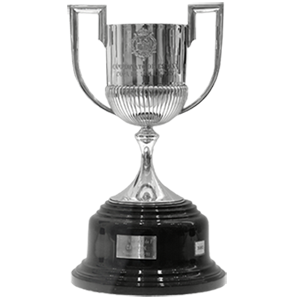
Kempes fires Valencia to the cup
Mario Kempes scores both goals in a 2–0 victory over Real Madrid. Valencia play in the colours of the Senyera. The cup adds to Kempes’s two Spanish top-scorer awards and his 1978 World Cup triumph with Argentina.


1980–1989
Penalty shoot-out triumph in Brussels
After 120 goalless minutes against Arsenal, Valencia win the shoot-out 5–4. Goalkeeper Pereira saves Graham Rix’s decisive penalty as Alfredo Di Stéfano’s side lift the European Cup Winners’ Cup for the first time.
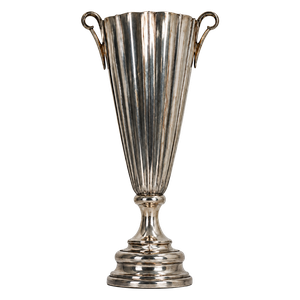
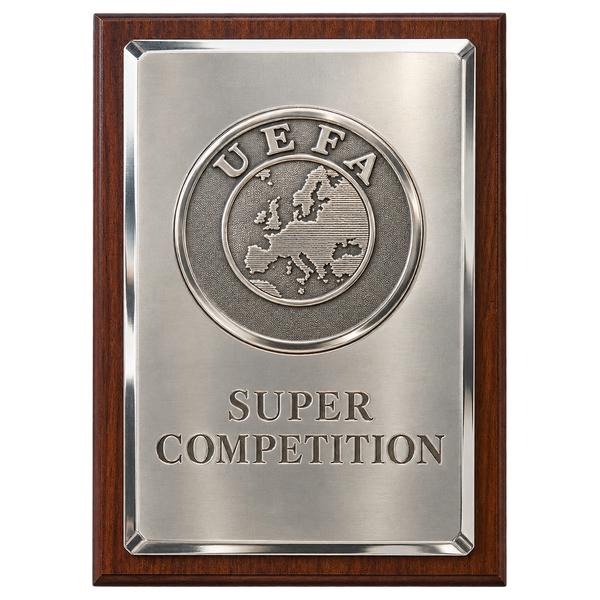
The first Spanish UEFA Super Cup winners
Following a 2–1 defeat at Nottingham Forest, Valencia win the return 1–0 through Fernando Morena. The away-goals rule settles the 2–2 aggregate score in Valencia’s favour, making them the first Spanish UEFA Super Cup winners.
Tendillo’s goal and the rivals’ results
Miguel Tendillo scores the winner against Real Madrid. Valencia reach 25 points and survive as Las Palmas lose 5–1 to Athletic, Celta lose 3–1 at Valladolid and Racing take no points at Atlético. After two draws in their head-to-head meetings, Valencia finish above Las Palmas through their superior overall goal difference.
The first relegation from the top flight
After a 3–0 defeat at Barcelona the previous day, Cádiz’s goalless draw with Betis confirms Valencia’s relegation. Cádiz can no longer be caught. Valencia leave the top division for the first time since their 1931 promotion, amid simultaneous sporting and financial problems.
Back in the top flight after one year
A 2–0 victory over Recreativo Huelva secures promotion with three rounds remaining. Fenoll and Quique score the goals. Alfredo Di Stéfano takes Valencia back to the top flight, with the Segunda championship following in June.
The comeback ends with the Segunda championship
Having secured promotion in May, Valencia finish with a 5–1 victory over Elche. Their 57 points place them above Celta and Logroñés, both on 54. A season comprising a regular phase and subsequent groups ends with Valencia’s second Segunda title.



1990–1999
Conversion into a sporting limited company
A notarial deed dated July 13 converts the club into Valencia Club de Fútbol, Sociedad Anónima Deportiva. The legal change follows Spain’s restructuring of professional sport, while the club’s history and sporting continuity are maintained.
The Mestalla name returns
At Luis Casanova’s request, the stadium returns to its traditional name, Mestalla. The name honouring the former president, in place since 1969, is retired. For supporters, Mestalla remains central to the club’s identity.
A final played on two days
Heavy rain halts the final against Deportivo at 1–1 on June 24. The remaining minutes are played on June 27. Alfredo scores Deportivo’s winner immediately after the restart, condemning Valencia to defeat in an unusual final.
Past Salzburg and into the UEFA Cup
Valencia beat Salzburg 2–0 away and 2–1 at Mestalla in their Intertoto final. As one of three parallel winners, the club qualify for the UEFA Cup.
Mendieta and Claudio López win the Copa
Valencia beat Atlético Madrid 3–0 at La Cartuja. Claudio López scores twice, while Gaizka Mendieta adds a spectacular goal after controlling the ball in the air. Claudio Ranieri delivers the club’s sixth Spanish cup.
The first Spanish Super Cup
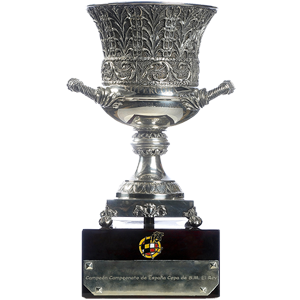
A 1–0 victory at Mestalla is followed by a 3–3 draw at Barcelona. Valencia win 4–3 on aggregate to claim their first Spanish Super Cup, giving Héctor Cúper an immediate trophy at the start of his tenure.




2000–2009
The first Champions League final
Valencia lose 3–0 to Real Madrid in the first all-Spanish Champions League final. Héctor Cúper’s side nevertheless reach the Stade de France final in the club’s first Champions League campaign.
The dream ends in the final again
Penalties by Gaizka Mendieta and Stefan Effenberg leave the final level at 1–1. After extra time, Bayern Munich win the shoot-out 5–4. Oliver Kahn saves from Mauricio Pellegrino, and Valencia lose a second consecutive Champions League final in Milan.
Spanish champions again after 31 years
Rufete and Fábio Aurélio score in a 2–0 win at Málaga. Valencia’s 72 points put them beyond the reach of every challenger. Rafael Benítez wins the league in his first season, with a resilient defence becoming the side’s hallmark.
Deportivo win both Super Cup matches
A 3–0 defeat at Deportivo is followed by a 1–0 home loss. Valencia lose the Spanish Super Cup 4–0 on aggregate.
The sixth league championship
A 2–0 win at Sevilla secures Valencia’s sixth Spanish league title. Vicente and Rubén Baraja score the goals. The victory takes Valencia to 77 points, beyond every challenger after the weekend’s results.
Zaragoza turn the Super Cup around
Valencia win the first leg 1–0 at Zaragoza but lose the return 3–1 at Mestalla. Zaragoza take the Spanish Super Cup 3–2 on aggregate.
Another European trophy in Monaco
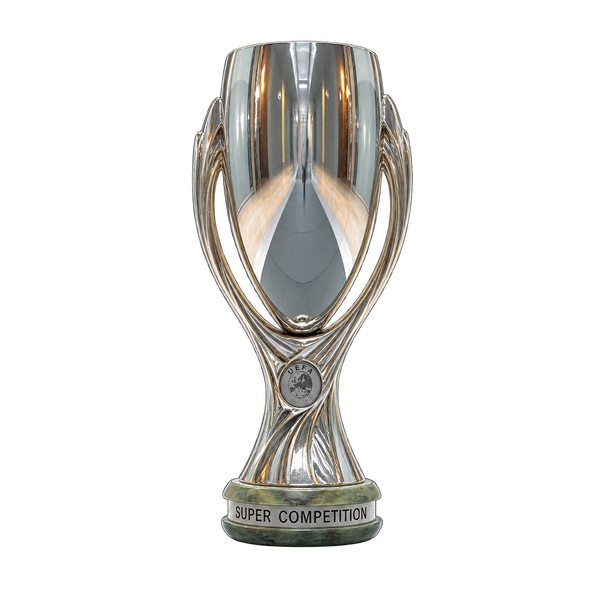
Valencia beat Champions League winners Porto 2–1 through Rubén Baraja and Marco Di Vaio at the Stade Louis II. With Claudio Ranieri back in charge, the club add their second UEFA Super Cup to the league and UEFA Cup won earlier in the year.
Hamburg block the route into Europe
Following a 1–0 defeat in Hamburg, Valencia can manage only a goalless draw in the return. The Intertoto final therefore ends their route to UEFA Cup qualification.
Construction of Nou Mestalla begins
Work begins on the new stadium on Avenida de las Cortes Valencianas. The project is intended to replace Mestalla and create new commercial opportunities. The first team continue playing at their existing ground during construction.
Cup success in a troubled season
Valencia beat Getafe 3–1 through goals by Juan Mata, Alexis and Fernando Morientes at the Vicente Calderón. Their seventh cup is the high point of a season also marked by coaching changes and a prolonged fight against relegation.
Four workers die at the stadium construction site
Four workers die in an accident at the Nou Mestalla construction site. The collapse of a work platform casts a shadow over the stadium project and deeply affects the city and the club.
Real Madrid overturn the tie
Valencia win the first leg 3–2, but Real Madrid take the return 4–2 despite having two players sent off. Madrid win the Spanish Super Cup 6–5 on aggregate.
Financial crisis and a halted stadium project
Construction of Nou Mestalla is halted. Heavy debt and difficulties selling the existing stadium site place the club under severe financial pressure. The unfinished structure remains idle for years as Valencia continue playing at Mestalla.






2010–2019
Meriton acquires the majority shareholding
Meriton Holdings sign the purchase of the majority shareholding from the Fundació Valencia CF. Peter Lim’s company becomes the controlling shareholder, alongside agreements to refinance the debts of the club and foundation.
One hundred years of Valencia
The club mark the centenary of their official foundation. Events involving supporters and former players bring together different generations of Valencianismo. The sporting high point of the anniversary year follows with the cup triumph in May.
The centenary-year cup
1:2Kevin Gameiro and Rodrigo give Valencia a two-goal lead over Barcelona. Lionel Messi pulls one back, but Valencia win 2–1 at the Benito Villamarín. Marcelino’s side crown the club’s centenary year with its eighth Spanish cup.


2020–2029
Champions League behind closed doors
The Champions League last-16 return against Atalanta is played without spectators because of the spread of coronavirus. Valencia lose 4–3 and go out after a 4–1 first-leg defeat. An empty Mestalla signals the approaching disruption to everyday football.
Shoot-out defeat for Valencia
Hugo Duro equalises Betis’s opener and the final at La Cartuja remains 1–1 after 120 minutes. Betis win the shoot-out 5–4 after Valencia’s Yunus Musah sends his penalty over the bar.
Racist abuse and subsequent convictions
Vinícius Júnior suffers racist abuse from spectators during Valencia’s 1–0 win over Real Madrid. In June 2024, three offenders receive eight-month prison sentences and two-year stadium bans. Valencia support their identification and expel them as members. The case intensifies Spanish football’s confrontation with racism.
Mestalla remembers the DANA victims
At the first home match after the devastating floods, Mestalla remembers the victims and honours the volunteers. A giant Senyera and moving ceremonies mark the occasion. Valencia beat Betis 4–2, combining the return to football with support for the affected region.
Work on Nou Mestalla resumes
After years of inactivity, construction of Nou Mestalla resumes, with FCC continuing the project. The new stadium remains under construction, and the first team continue using Mestalla until an actual move takes place.


