The history of Athletic Club
Milestones and background from the club's history, in chronological order.
Categories
Competitions
Nicknames through the years Three names tell a story of near misses, late goals and an unbeaten season. Read the storiesClose the stories
1890–1899
Athletic take shape in Bilbao
British workers and young Basques returning from Britain spread football in industrial Bilbao. This enthusiasm gives rise to Athletic Club in 1898.
1900–1909
The club is formally constituted
Thirty-three members give Athletic formal organisation and statutes at Café García. The sporting group established in 1898 gains a firmer legal and organisational foundation.
Bizcaya win the Coronation Cup
Athletic and Bilbao FC enter Madrid’s coronation tournament as the combined Bizcaya side. A 2–1 victory over FC Barcelona brings the trophy to Bilbao and becomes a formative success in Athletic’s tradition.
Bilbao FC join Athletic
Bilbao FC dissolve and their members join Athletic. The former rivals and partners in the Bizcaya selection come together within Bilbao’s football community.
The first Copa del Rey victory
Athletic turn a two-goal deficit against Madrid FC into a 3–2 win. Victory in the inaugural Copa del Rey confirms the club’s early rise.
An Athletic branch in Madrid
Basque students establish an Athletic branch in Madrid. The connection later develops into the independent Club Atlético de Madrid.
Cup winners without a final
Athletic travel to Madrid as holders. After disputes over the selection of the local challenger, the club are awarded the Cup without a final being played.
Runners-up in the 1905 Cup tournament
Athletic lose the decisive game of the three-club tournament 1–0 to Madrid FC. The competition is played as a points-based group, with Athletic finishing second.
Victory over Recreativo secures second place
 Madrid FC4:1
 Athletic ClubCopa del Rey Match 1 · April 10, 1906 · Location: Madrid Stadium: Hipódromo de la Castellana Neutral venueAthletic Club2:1
 Recreativo de HuelvaCopa del Rey Match 2 · April 11, 1906 · Location: Madrid Stadium: Hipódromo de la Castellana Neutral venue
After losing 4–1 to Madrid, Athletic beat Recreativo Huelva 2–1. The result gives Athletic second place in the three-club Cup group.


1910–1919
The first appearance in red and white
Athletic wear red-and-white striped shirts for the first time in a friendly against Irún Sporting at Amute. The 2–0 defeat becomes secondary to the debut of the colours that will define the club.
Cup winners in a divided competition
Athletic Club2:0 Madrid FCCopa del Rey Match 1 · March 19, 1910 · Location: San Sebastián Stadium: Campo de Ondarreta Neutral venueAthletic Club1:0
 Vasconia SCCopa del Rey Match 2 · March 20, 1910 · Location: San Sebastián Stadium: Campo de Ondarreta Neutral venue
After beating Madrid 2–0, Athletic defeat Vasconia 1–0 to secure the UECF tournament in San Sebastián. Vasconia represent the recently founded Real Sociedad, while a rival federation stages a separate competition in Madrid.
The roots of Athletic’s football philosophy
Disputes over foreign players at the 1911 Cup tournament strengthen Athletic’s commitment to local footballers. This develops into the enduring approach of selecting players born or trained within the Basque football region.
The Cup stays at Jolaseta
Three goals in the opening half-hour set up a 3–1 victory over Español. The tournament at Jolaseta in Getxo is overshadowed by disputes over the eligibility of foreign players.
Defeat in the replayed final
Racing Club de Irún2:2a.e.t. Athletic ClubCopa del Rey Match 1 · March 22, 1913 · Location: Madrid Stadium: Campo de O’Donnell (Madrid FC) Neutral venueRacing Club de Irún1:0Athletic ClubCopa del Rey Match 2 · March 23, 1913 · Location: Madrid Stadium: Campo de O’Donnell (Madrid FC) Neutral venue
The FECF final against Racing Club de Irún initially ends 2–2 after extra time. Athletic lose the replay 1–0 the following day at Madrid’s O’Donnell ground.
San Mamés opens
After Lamiako and Jolaseta, Athletic gain a home in Bilbao itself. The opening match against Racing Club de Irún ends 1–1, with Pichichi scoring the first goal at San Mamés, later renowned as “The Cathedral”.
First Northern Championship
A 5–0 victory over Racing Club de Irún puts Athletic beyond their challengers’ reach. The first championship of the new Northern Federation also opens the route into the Spanish Cup.
First Cup in a run of three
Athletic beat Barcelona’s España FC 2–1 at Costorbe. It is the first of three successive Cup triumphs for the side featuring Pichichi and José María Belauste.
A rival’s draw settles the regional title
Arenas and Racing Club de Irún draw 1–1, leaving Racing on 14 points. Athletic’s total of 15 can no longer be overtaken.
Pichichi’s hat-trick at Amute
Pichichi scores three times in a 5–0 victory over Espanyol. Zubizarreta and Germán complete the emphatic final win at Amute in Hondarribia.
A third consecutive Northern Championship
Athletic receive another Northern Championship after a disputed regional campaign. A scheduled deciding match against Real Sociedad is not played because their opponents do not appear.
Three consecutive Cups
Athletic defeat Madrid FC 4–0 in Barcelona, with Félix Zubizarreta scoring a hat-trick. Following the victories of 1914 and 1915, the club earn permanent possession of the trophy.


1920–1929
The Northern title returns
Athletic beat Arenas 2–0 in a match staged at San Mamés. The result secures the regional championship and a return to the national Cup competition.
Barcelona win in Gijón
Athletic lose 2–0 to FC Barcelona at El Molinón. Their return to the national final ends without the trophy.
A fifth Northern Championship
A 5–0 victory over Erandio at San Mamés establishes an unassailable lead. Following Racing’s withdrawal, the remaining challengers can no longer reach Athletic’s points total.
The two Athletic clubs meet in the final
Athletic beat Athletic Madrid 4–1 at San Mamés. The meeting with the former Madrid branch underlines how the early connection has developed into two independent clubs.
Farewell to Pichichi
Rafael Moreno “Pichichi” dies aged 29. The former forward is one of Athletic’s first great idols. His name lives on in the top-scorer award and the floral tribute beside his bust at San Mamés.
Biscay champions ahead of Arenas
A 3–2 victory in the direct meeting with Arenas secures the Biscay championship. The regional success begins a season that also brings the Spanish Cup to Bilbao.
Pentland’s first Cup triumph
Travieso’s goal settles the final against Europa at Les Corts. Under Fred Pentland, Athletic lift the Cup in their silver jubilee year.
A point at Las Llanas is enough
A goalless draw away to Sestao Sport Club makes Athletic champions of Biscay again. They reach 15 points, while Arenas have finished their programme on 14.
The title is settled at Ibaiondo
Athletic win 1–0 away to Arenas and reach 16 points. Arenas can finish on no more than 14, settling the regional title with games still to play.
Nine goals secure the regional title
A 9–1 victory over Sestao Sport secures the Biscay championship. The remaining games involving Arenas and Alavés cannot change Athletic’s position at the top.
A second regional title in 1928
A 4–2 victory over Alavés takes Athletic to ten points. Arenas can only draw level and trail 6–5 on aggregate in the head-to-head matches. Athletic therefore also win the competition played that autumn.
A founding member of the Primera División
Athletic are one of the ten clubs in the inaugural Spanish league championship. Their debut at Real Sociedad ends 1–1 at Atotxa. Athletic finish the first season in third place.


1930–1939
Spanish champions for the first time
A 4–3 victory over Barcelona secures the first league title with two matches to spare. Fred Pentland’s team go on to finish the season unbeaten.
The first league and Cup double
Having won the league unbeaten, Athletic defeat Real Madrid 3–2 after extra time in the Cup final. The double launches Fred Pentland’s great period of success.
Alavés and Arenas draw to settle the title
Alavés and Arenas draw 1–1 at Mendizorrotza. Neither can now reach Athletic’s 13 points, settling the regional championship before Athletic’s final match.
Twelve goals against Barcelona
Athletic beat Barcelona 12–1 at San Mamés. Bata scores seven goals in a match that establishes historic records for both the team and the striker.
The league title is retained
A 4–0 win at Español takes Athletic to 22 points. Racing Santander and Real Sociedad can only draw level, with Athletic holding the advantage in the head-to-head comparisons. All three clubs eventually finish on 22 points.
A second successive double
 Athletic Club3:1
 Betis BalompiéCopa del Presidente de la República Location: Madrid Stadium: Estadio de Chamartín (1924–1946) Neutral venue
A 3–1 win over Betis Balompié at Chamartín completes a second consecutive double. Athletic’s outstanding attack again brings success in both national competitions.
Champions of the joint regional competition
Athletic win 4–2 away to Arenas. The victory secures the title in the joint regional competition for Biscay and Álava.
A third straight Cup
Athletic Club1:0 FC BarcelonaCopa del Presidente de la República Location: Madrid Stadium: Estadio de Chamartín (1924–1946) Neutral venue
An early goal by Bata is enough to beat Barcelona 1–0. Athletic win a third consecutive Cup and extend their exceptional sequence of final victories.
A regional title at the old Ategorri
A 3–1 win at Erandio puts Athletic out of reach on 13 points. The title is secured at the old Ategorri ground.
Four Cups in four years
Athletic beat Madrid FC 2–1 at Montjuïc. A fourth consecutive Cup crowns the team whose famous attack features Lafuente, Iraragorri, Bata, Chirri II and Gorostiza.
Another regional triumph at Ibaiondo
A 4–1 win away to Arenas takes Athletic to twelve points. Neither Arenas nor Baracaldo can reach that total in their remaining matches.
A third league championship
A 3–1 victory over Racing Santander on the final day secures the championship ahead of Madrid FC. Athletic remain at the top after Fred Pentland’s departure.
The Basque Cup is won
Athletic beat Donostia 4–0 as Arenas lose 3–1 at Unión Irún. Athletic and Osasuna finish the joint competition on 18 points, with Athletic ahead on the head-to-head comparison.
The Civil War breaks up the successful team
The Spanish Civil War interrupts the national league until 1939. Athletic’s championship side breaks up as players go into exile or continue their careers elsewhere. Post-war reconstruction requires a new generation.
Champions before the Civil War
A 2–0 victory over Osasuna settles the title race on the final day. A few months later the Civil War interrupts this successful era.
Bilbao Athletic win the spring championship
The side rebuilt during the final months of the war enter the regional competition as Bilbao Athletic. A 1–0 victory at Oriamendi SC’s old Lasesarre ground settles the championship, which they finish with 15 points.
The autumn title despite a disciplinary setback
Athletic win 2–1 away to Arenas and finish the regional championship ahead of Erandio. Their earlier 5–1 win over Arenas had been annulled and a further point deducted.




1940–1949
The imposed name Atlético de Bilbao
Under the Franco regime’s ban on foreign-language club names, Athletic are required to adopt the name Atlético de Bilbao. The imposed change remains in place until 1972.
Defeat in the first post-war final
Atlético de Bilbao recover from 3–1 down against Barcelona, but concede the deciding goal in extra time to lose 4–3.
Sevilla’s defeat settles the championship
Sevilla’s 3–1 defeat at Barcelona makes Atlético de Bilbao champions before the final round. Sevilla can no longer reach their 34 points, so the title is secure despite Athletic losing their own match that day.
A post-war double
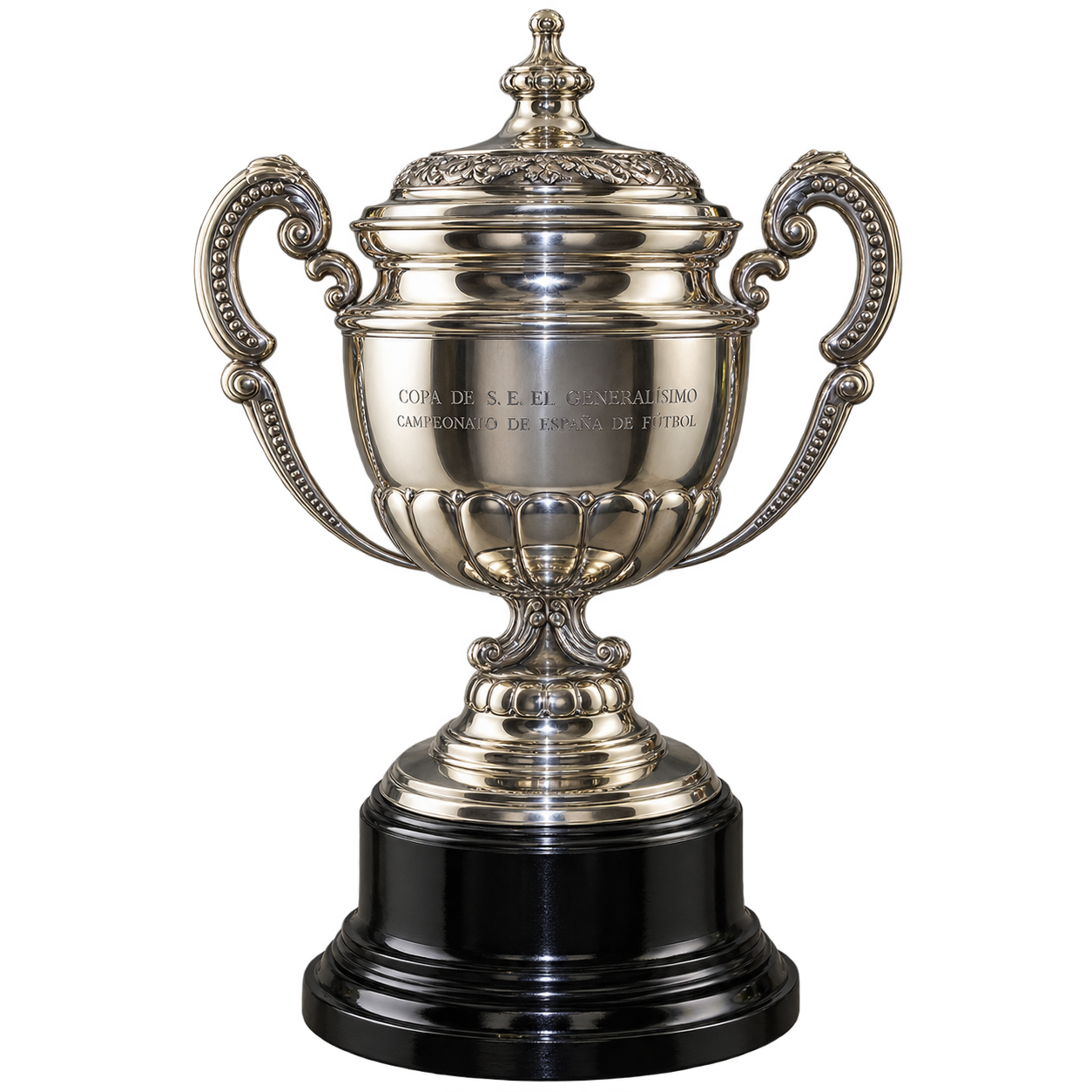
Zarra settles the final against Real Madrid in extra time. Having already won the league, Atlético de Bilbao complete another double with the 1–0 victory.
The Cup is retained
Atlético de Bilbao defeat Valencia 2–0 in the final at Montjuïc. The young post-war side confirm the strength they showed a year earlier.
A third Cup in the post-war sequence
Valencia are again the opponents in the final. Atlético de Bilbao prevail 3–2 after extra time to win a third successive Cup.
Nine goals in the Copa de Oro Argentina
As Cup winners, Atlético de Bilbao face league champions Barcelona at Les Corts. The match organised by the Catalan federation ends in a 5–4 defeat and forms part of the history preceding Spain’s later Super Cup competitions.
Gainza scores eight against Celta
Atlético de Bilbao win the second leg of their Cup quarter-final against Celta 12–1. Piru Gainza scores eight goals in one of the most extraordinary individual displays in the club’s history.
Valencia settle the final
After Athletic’s final victories of 1944 and 1945, Valencia prevail 1–0 this time. The match takes place at Nuevo Chamartín, opened in 1947.




1950–1959
The first official supporters’ club
Peña Gainza de Minglanilla in the province of Cuenca becomes Athletic’s first official supporters’ club. Organised support reaches far beyond Bilbao and Biscay.
Zarra’s four goals in the final
Zarra scores all four goals in the 4–1 victory over Valladolid. The final at Nuevo Chamartín is level after 90 minutes before Athletic take control in extra time.
Copa Eva Duarte won in the replay
 Atlético de Bilbao5:5a.e.t.
 Atlético MadridCopa Eva Duarte Match 1 · October 12, 1950 · Location: Madrid Stadium: Nuevo Chamartín Neutral venueAtlético de Bilbao2:0Atlético MadridCopa Eva Duarte Match 2 · November 1, 1950 · Location: Madrid Stadium: Nuevo Chamartín Neutral venue
The 5–5 draw with Atlético de Madrid on October 12 is followed by a replay at Nuevo Chamartín. A 2–0 victory on November 1 brings Atlético de Bilbao the Copa Eva Duarte.
Barcelona win the 1953 final
Atlético de Bilbao lose 2–1 to Barcelona in the final at Nuevo Chamartín. The club return to Cup-winning ways two years later.
Cup success under Daucik
A 1–0 victory over Sevilla at the Santiago Bernabéu brings the Cup back to Bilbao. Ferdinand Daucik’s side lay the foundations for the following season’s double.
Champions under Ferdinand Daucik
A 3–0 victory over Valladolid takes Atlético de Bilbao to 48 points and secures the championship. Barcelona can reach only 47 even with a win.
Daucik’s team complete the double
Atlético de Bilbao beat Atlético de Madrid 2–1 in the Cup final. Together with the league championship already secured, Ferdinand Daucik’s team complete the double.
A first European final in the Latin Cup
After beating OGC Nice 2–0, Athletic reach the Latin Cup final in Milan. AC Milan win the deciding match 3–1 at the Arena Civica.
European Cup debut
As Spanish champions, Atlético de Bilbao play their first European Champion Clubs’ Cup match. They win 2–1 against FC Porto at the Estádio das Antas and also win the return leg.
The snowbound victory is not enough against Manchester United
 Manchester United3:0Atlético de BilbaoEuropean Champion Clubs’ Cup Second leg · February 6, 1957 · Location: Manchester Stadium: Maine Road
The 5–3 victory in a snow-covered San Mamés becomes a legendary European night. Manchester United nevertheless win the return 3–0 at Maine Road to end Athletic’s first European Cup campaign.
The “Eleven Villagers” defeat Real Madrid
Athletic defeat the reigning European champions 2–0 in the Santiago Bernabéu final through goals by Arieta and Mauri. The victory over Alfredo Di Stéfano’s Real Madrid at their own ground enters club history as the triumph of the “Once Aldeanos” (Eleven Villagers).


1960–1969
José Ángel Iribar makes his debut
Nineteen-year-old José Ángel Iribar makes his first-team debut in the 2–0 defeat at CD Málaga. “El Chopo” becomes the defining goalkeeper across several generations and plays 614 competitive matches for Athletic.
Bilbao Athletic become the established reserve side
Athletic establish Bilbao Athletic as their reserve side. After an earlier wartime team bearing the name, youth development gains an enduring bridge into senior league football.
Zaragoza deny Athletic the Cup
Atlético de Bilbao lose 2–0 to Real Zaragoza at the Santiago Bernabéu. It is the first of two consecutive defeats in the Cup final.
Another final defeat against Valencia
Athletic lose the Cup final 2–1 to Valencia at the Santiago Bernabéu. As in 1949, Valencia come out on top in the clubs’ direct meeting for the trophy.
The Cup returns after eleven years
A 1–0 victory over Elche ends an eleven-year wait for the Cup. The generation featuring goalkeeper José Ángel Iribar bring Atlético de Bilbao another national trophy.


1970–1979
The first training session at Lezama
The first training session marks the start of operations at Lezama. Three pitches form the initial basis of a development system intended to sustain Athletic’s distinctive recruitment policy.
The name Athletic Club returns
Following the removal of the ban on foreign-language club names, the club restore Athletic Club. The Atlético de Bilbao designation therefore ends before the Franco dictatorship itself.
Cup winners in the 75th anniversary year
Athletic beat Castellón 2–0 in the final at the Vicente Calderón. Following the recovery of the original name and the opening of Lezama, the anniversary year gains a sporting highlight.
The Ikurriña at the Atotxa derby
Before the derby, captains Inaxio Kortabarria and José Ángel Iribar jointly carry an Ikurriña onto the pitch while the flag is still prohibited. The political gesture outlasts the result: Real Sociedad win 5–0.
Away goals decide the UEFA Cup final
After losing 1–0 at Juventus, Athletic win the second leg 2–1 at San Mamés. With the aggregate score level at 2–2, the away-goals rule awards the trophy to Juventus. Athletic narrowly miss their first UEFA title.
The dramatic shoot-out against Betis
After a 2–2 draw following extra time, a lengthy penalty shoot-out settles the final. Betis win 8–7, leaving Athletic without a trophy in either the UEFA Cup or the Spanish Cup final that season.


1980–1989
All members elect the president
Athletic hold their first presidential election with universal voting rights for the membership. The reform prepared under Jesús María Duñabeitia strengthens the principle of member control.
Champions after 27 years
Athletic win 5–1 at Las Palmas. Real Madrid’s simultaneous 1–0 defeat at Valencia allows Javier Clemente’s team to overtake Madrid on the final day.
The champions’ first Gabarra parade
The championship team travel along the estuary to Bilbao on a decorated barge. Crowds lining both banks turn the parade into a new symbol of the bond between club and city.
Super Cup defeat against Barcelona
After a 3–1 defeat at San Mamés, Athletic win the return at Camp Nou 1–0. The 3–2 aggregate score nevertheless gives Barcelona the Super Cup.
The eighth league championship
A 2–1 derby victory over Real Sociedad secures another championship. Real Madrid also finish on 49 points but lose out on the head-to-head comparison.
The 1984 double
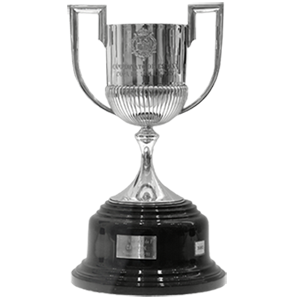
Endika’s goal secures a 1–0 win over Barcelona and the league and Cup double. Athletic consequently receive the Super Cup without additional final matches. A mass brawl after the match overshadows the sporting achievement.
The Cup defence ends in the final
Athletic lose the final 2–1 to Atlético de Madrid. Following the double of 1984, a long wait for another national trophy begins.
Ibaigane becomes the club headquarters
After purchase and restoration, Athletic open Ibaigane Palace as their headquarters. The former Sota family residence becomes the administrative centre and home of the board.



1990–1999
Athletic remain a members’ club
As numerous Spanish professional clubs convert into sports limited companies, Athletic are among the exceptions. The club retain their membership-based organisational structure.
Runners-up in the centenary year
A 1–0 victory over Zaragoza in the final league match secures second place. In their centenary year, Athletic qualify for the UEFA Champions League.

2000–2009
Seven away goals in Liège
Athletic win their UEFA Cup group match away to Standard Liège 7–1. A Santi Ezquerro hat-trick helps produce one of the club’s biggest European victories.
Survival on the final day
An own goal by José Serrano and Gabilondo’s strike bring a 2–0 victory over Levante. Athletic reach 40 points and secure Primera División survival on the final day.
A final after 24 years
Athletic reach the Cup final for the first time since 1985. An early lead at Mestalla is not enough against Barcelona, who go on to win 4–1.
Barcelona win both Super Cup legs
Athletic lose 2–1 at San Mamés and 3–0 at Camp Nou. Barcelona take a clear aggregate victory in the Spanish Super Cup.


2010–2019
Bielsa’s side shine against Manchester United
2:32:1A 3–2 victory at Old Trafford is followed by a 2–1 win at San Mamés. Athletic progress from the Europa League round of 16 with a 5–3 aggregate victory, impressing with intense pressing and bold attacking football.
The route to the Europa League final
Athletic overturn a 2–1 defeat at Sporting with a 3–1 win at San Mamés. Fernando Llorente’s late goal sends the club into a UEFA final for the second time.
The Europa League final in Bucharest
3:0Marcelo Bielsa’s side reach the final after an exhilarating European campaign. Atlético Madrid win 3–0 at the Arena Națională through two Falcao goals and one by Diego.
A second final defeat in May
0:3After losing the Europa League final, Athletic also lose the Spanish Cup final. Barcelona settle the game at the Vicente Calderón with three early goals in a 3–0 victory.
The final competitive match at the old San Mamés
A late goal gives Levante a 1–0 league victory. It is Athletic’s final competitive match at The Cathedral opened in 1913, as the new stadium rises immediately alongside it.
A winning start at the new San Mamés
Athletic win the first match at the new San Mamés 3–2 against Celta. Three stands are already in use, with the southern stand completing the stadium the following year.
Fourth place is secured
0:3A 3–0 victory at Rayo Vallecano secures a top-four league finish. Athletic thereby qualify for the Champions League play-offs.
Past Napoli into the Champions League
After a 1–1 draw in Naples, Athletic win the return 3–1. Aduriz and Ibai Gómez turn the match around after Napoli take the lead, bringing the club back to the Champions League group stage for the first time since 1998.
Barcelona win at Camp Nou
Athletic lose the Cup final 3–1 to Barcelona at Camp Nou. Two Lionel Messi goals help Barcelona secure the trophy.
The first trophy since 1984
4:01:1A 4–0 victory at the new San Mamés, including an Aritz Aduriz hat-trick, gives Athletic a commanding lead. A 1–1 draw away to Barcelona completes the Super Cup success and ends the long trophy drought.
Aduriz scores all five goals
Aritz Aduriz scores every Athletic goal in the 5–3 win over Genk, including three penalties. He becomes the first player to score five goals in a Europa League match.




2020–2029
Williams wins the Super Cup in extra time
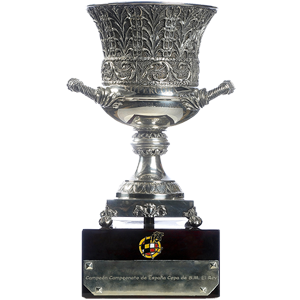
2:3a.e.t.Having eliminated Real Madrid in the semi-final, Athletic also beat Barcelona. Asier Villalibre forces extra time with a late equaliser before Iñaki Williams scores the winner in a 3–2 victory. Marcelino wins a trophy shortly after taking charge.
The postponed Basque final
0:1The 2019/20 final is delayed by the pandemic until 2021 and played without spectators. Mikel Oyarzabal’s penalty gives Real Sociedad a 1–0 victory over Athletic.
A second Cup final defeat in two weeks
0:4Only two weeks after the Basque final, Athletic return to La Cartuja. Barcelona win the final of the 2020/21 competition 4–0.
Iñaki Williams makes a 203rd consecutive appearance
Iñaki Williams makes his 203rd consecutive league appearance in the 1–0 win over Alavés. He surpasses Juan Antonio Larrañaga’s previous sequence.
The Super Cup defence ends against Real Madrid
After beating Atlético Madrid in the semi-final, Athletic reach another Super Cup final. Real Madrid win the deciding match in Riyadh 2–0 to end Athletic’s title defence.
The Cup returns after forty years
Oihan Sancet cancels out Dani Rodríguez’s opener against Mallorca. After a 1–1 draw following extra time, Athletic win the shoot-out 4–2 and lift the Copa del Rey for the first time since 1984. Five days later Bilbao celebrates the return of La Gabarra.
The home final slips away
Manchester United win the Europa League semi-final 3–0 in Bilbao and 4–1 at Old Trafford. Athletic are eliminated and miss the final staged at their own San Mamés.
The Champions League return is secured
Following Betis’s 2–2 draw at Rayo Vallecano, Athletic win 2–0 at Getafe. Their 67 points secure a place among Spain’s five Champions League qualifiers, while Betis can reach only 65.
Champions League elimination against Sporting
Athletic lead Sporting twice in their final league-phase match but lose 3–2. Their return to the Champions League ends with eight points and no place in the knockout phase.