


The history of Sheffield Wednesday
Milestones and background from the club's history, in chronological order.
Categories
Competitions
Nicknames through the years Three names tell a story of near misses, late goals and an unbeaten season. Read the storiesClose the stories
1860–1869
The foundation of The Wednesday
Members of the Wednesday Cricket Club formed a football section for the winter months at Sheffield’s Adelphi Hotel. It developed into The Wednesday Football Club.
A first trophy: the Cromwell Cup
The Wednesday beat Garrick 1–0 in the final at Bramall Lane. After a goalless regulation match, the captains agreed to play extra time until the first goal.


1880–1889
A home of their own at Olive Grove
The new Olive Grove ground opened with a 4–4 draw against Blackburn Rovers. The move gave the newly professional club a regular home of its own.

1890–1899
The first FA Cup final
The Wednesday reached the FA Cup final for the first time. At Kennington Oval, Blackburn Rovers proved far stronger and won 6–1.
The record of the first Alliance season
The Wednesday completed the inaugural Football Alliance season with a 2–1 win at Newton Heath. The final record of 15 wins and 32 points put them first, ahead of Bootle and Sunderland Albion.
A Football League debut
Following election to the expanded First Division, The Wednesday played their first Football League match at Notts County. Tom Brandon scored the only goal in a 1–0 win.
Fred Spiksley wins the FA Cup for Wednesday
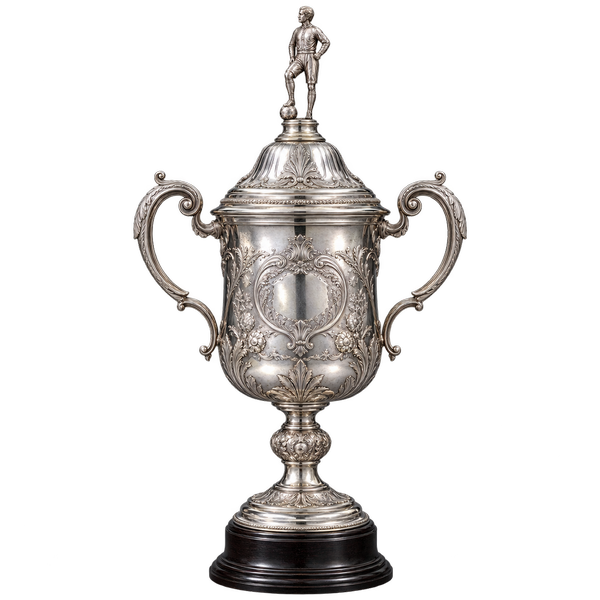
Two Fred Spiksley goals gave The Wednesday a 2–1 final victory over Wolverhampton Wanderers. At Crystal Palace, the club celebrated its first FA Cup triumph.
A first relegation
A 3–1 home defeat by Newcastle United confirmed relegation from the First Division. With only one match remaining, The Wednesday could no longer close the gap.
The move to Owlerton
After leaving Olive Grove, The Wednesday opened their new ground at Owlerton. The first league match there ended in a 5–1 win over Chesterfield.





1900–1909
Second Division champions with a perfect home record
A 3–0 victory over Middlesbrough FC secured the Second Division championship for The Wednesday. The club won all 17 home league matches that season.
Champions of England for the first time
Newcastle United beat Sunderland AFC 1–0 to end their title challenge. The Wednesday had already completed their season with 42 points and were now confirmed as English champions for the first time.
A successful title defence
Manchester City lost their final match of the season 1–0 at Everton FC. The result left The Wednesday beyond reach at the top with a game of their own still to play.
The Wednesday won the Sheriff of London Charity Shield by beating amateur club Corinthian 2–1. Andrew Wilson scored both goals at Crystal Palace.
A second FA Cup triumph
The Wednesday beat Everton FC 2–1 in the final. George Simpson and Jimmy Stewart scored at Crystal Palace to secure the club’s second FA Cup triumph.


1910–1919
Owlerton becomes Hillsborough
The ground was renamed Hillsborough. The venue used since 1899 remained the club’s home and became known around the world under its new name.
1920–1929
The end of the first great top-flight era
Wins for Derby County against Liverpool FC and Notts County against Aston Villa confirmed The Wednesday’s relegation. Even five further wins could no longer take the club out of the relegation places.
The championship under Robert Brown
A 2–0 victory over Blackpool secured the Second Division championship for The Wednesday. Robert Brown’s side finished the season with 60 points.
Sheffield becomes part of the official name
The official name changed from The Wednesday Football Club to Sheffield Wednesday Football Club. The form including the city’s name had long been in everyday use.
Back at the summit of English football
Wednesday drew 1–1 with Burnley FC. Leicester City also drew at Huddersfield while Aston Villa lost at Manchester City, confirming the club’s third English championship.


1930–1939
Champions of England for the fourth time
A 6–3 victory over closest challengers Derby County secured Wednesday’s fourth league championship. The season ended with 105 league goals and a second successive title.
A crowd of 72,841 at Hillsborough
The FA Cup tie against Manchester City drew 72,841 spectators to Hillsborough. The 2–2 draw established the ground’s attendance record.
Ellis Rimmer settles the cup final
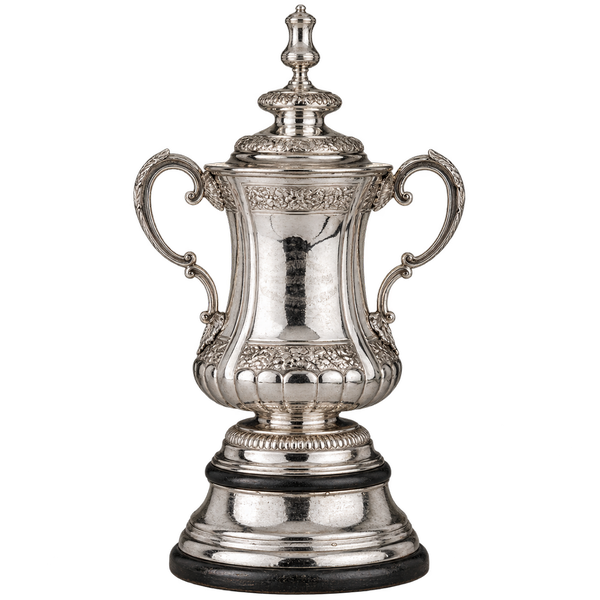
Wednesday beat West Bromwich Albion 4–2 in the Wembley final. Two late Ellis Rimmer goals settled the match and brought a third FA Cup back to Sheffield.
Neil Dewar wins the Charity Shield
Neil Dewar’s goal gave Wednesday a 1–0 win over Arsenal FC at Highbury. The FA Cup holders defeated the league champions to take the Charity Shield.
Relegation two years after the cup triumph
A 1–0 defeat at Huddersfield Town confirmed relegation from the First Division. Wednesday ended the season in last place.


1950–1959
Goal average brings a return
A goalless home draw with Tottenham took Wednesday to 52 points. Level with Sheffield United and Southampton, the club returned to the First Division on superior goal average.
Even a 6–0 win is not enough
Wednesday beat Everton FC 6–0 on the final day. Chelsea FC’s simultaneous 4–0 win over Bolton nevertheless sent the club down on inferior goal average.
Derek Dooley drives a Second Division title
Two Dooley goals gave Wednesday a 2–0 win at Coventry. Birmingham lost at Notts County and Cardiff drew at Luton, confirming the championship. Dooley finished the season with 46 league goals.
The tragic end of Dooley’s playing career
Derek Dooley broke his leg in a collision with goalkeeper George Thompson during the 1–0 defeat at Preston. Infection led to an amputation, ending his playing career.
Another setback in the yo-yo years
A 2–2 draw at Bolton left Wednesday able to reach no more than 30 points. Wins for Blackpool at Burnley FC and Newcastle at Everton FC confirmed another relegation.
Five goals at Bury secure the title
A 5–2 win at Bury secured another Second Division championship for Wednesday. It was the club’s fourth title at that level.
A home win cannot prevent relegation
Wednesday beat champions Wolverhampton 2–1. Away wins for Leicester at Birmingham and Sunderland AFC at Portsmouth FC nevertheless left no route to safety.
A fifth Second Division title
A 5–0 victory over Barnsley secured Wednesday’s fifth Second Division championship. Harry Catterick’s side eventually finished the campaign with 106 league goals.




1960–1969
A European night against Barcelona
Wednesday beat Barcelona 3–2 in the first leg of the Inter-Cities Fairs Cup quarter-final. Two goals from John Fantham and one from Alan Finney provided a narrow lead for the return match.
Barcelona turn the quarter-final around
Wednesday lost 2–0 at Camp Nou. Despite winning the first leg at home, the club went out of the Inter-Cities Fairs Cup 4–3 on aggregate.
The betting scandal shakes the club
In 1964, bets by Peter Swan, David Layne and Tony Kay on their own defeat at Ipswich on 1 December 1962 were exposed. The affair led to criminal proceedings and long bans for the players involved.
A two-goal lead slips away in the final
Jim McCalliog and David Ford put Wednesday 2–0 ahead in the Wembley final. Everton FC turned the match around with two Mike Trebilcock goals and Derek Temple’s winner to prevail 3–2.


1970–1979
Leaving the First Division
Wednesday needed to beat Manchester City in their final match. A 2–1 defeat at Hillsborough instead confirmed relegation to the Second Division.
Into the third tier for the first time
A 1–0 defeat at Nottingham Forest and Bristol Rovers’ draw with Bristol City confirmed relegation. Wednesday would play in the Third Division for the first time.
Jack Charlton takes charge
Jack Charlton, a 1966 World Cup winner, took over as manager. He stabilised the club in the Third Division and later led it back to the Second Division.
The 4–0 Boxing Day derby win
In front of 49,309 spectators, Wednesday beat city rivals Sheffield United 4–0. Ian Mellor, Terry Curran, Jeff King and Mark Smith scored in one of the best-known Steel City derbies.



1980–1989
The point that makes the return certain
A 0–0 draw with Carlisle took Wednesday to 58 points and made promotion to the Second Division mathematically certain. Fourth-placed Chesterfield finished with 57.
Howard Wilkinson leads a top-flight return
A 1–0 home win over Crystal Palace secured one of the three automatic promotion places. Howard Wilkinson ended Wednesday’s 14-year absence from the First Division.
The Hillsborough disaster
Disaster struck the Leppings Lane terrace during the FA Cup semi-final between Liverpool FC and Nottingham Forest. Ninety-seven people died as a result, and the match was abandoned after a few minutes.


1990–1999
Relegation on the final day
Wednesday lost 3–0 to Nottingham Forest at Hillsborough. Luton’s simultaneous 3–2 win at Derby brought them level on points, sending Wednesday down on goal difference.
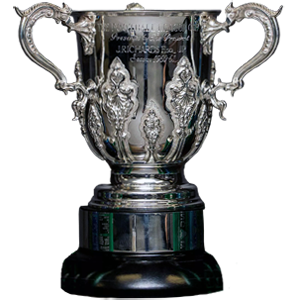
John Sheridan wins the League Cup
Second Division side Wednesday beat Manchester United 1–0 in the Wembley final. John Sheridan’s long-range strike delivered the club’s first major national cup since 1935.
An immediate return is secured
A 3–1 win over Bristol City secured Wednesday’s immediate return to the First Division. Following the League Cup triumph, Ron Atkinson’s side completed a memorable season by regaining top-flight status.
Third place after promotion
Wednesday completed the final season of the old First Division with a 0–0 draw against Liverpool FC. Trevor Francis’s newly promoted side finished third with 75 points.
Eight goals on the return to Europe
In their first European appearance since 1963, Wednesday beat Spora Luxembourg 8–1. The emphatic home win opened the club’s UEFA Cup campaign.
The Steel City derby at Wembley
Wednesday beat Sheffield United 2–1 after extra time in the FA Cup semi-final. After Chris Waddle’s early free-kick and Alan Cork’s equaliser, Mark Bright settled the Wembley derby.
Arsenal FC win the League Cup final
John Harkes put Wednesday ahead against Arsenal FC. Paul Merson and Steve Morrow turned the Wembley final around to give the London club a 2–1 victory.
Andy Linighan settles the final replay
After a 1–1 draw in the first FA Cup final, Wednesday and Arsenal FC met again at Wembley. Andy Linighan’s late extra-time header gave Arsenal FC a 2–1 win and Wednesday a second cup-final defeat that season.
Di Canio’s shove on the referee
During the 1–0 win over Arsenal FC, Paolo Di Canio pushed referee Paul Alcock to the ground after being sent off. The incident overshadowed Lee Briscoe’s late winner and led to a lengthy suspension.




2000–2009
The end of the Premier League years
Wednesday surrendered a 3–1 lead at Arsenal FC and drew 3–3. The result confirmed relegation from the Premier League with one game still remaining.
The fall into the third tier
A 1–1 draw at Brighton was not enough for Wednesday. Stoke’s win at Coventry ended the remaining chance of survival and confirmed relegation.
Four goals for promotion in Cardiff
Wednesday beat Hartlepool 4–2 after extra time in the League One play-off final. After Steve MacLean’s late equaliser from the penalty spot, Glenn Whelan and Drew Talbot settled the match.


2010–2019
Palace stay up as Wednesday go down
Wednesday drew 2–2 with Crystal Palace in a direct battle for survival. The required win never came: Palace stayed up and Wednesday went down to League One.
Milan Mandaric takes over
Shareholders approved Milan Mandaric’s takeover. Following a debt crisis that had threatened the club’s existence, the change of ownership brought financial relief.
Ninety-three points and automatic promotion
A 2–0 win over Wycombe secured second place in League One. With 93 points, Wednesday finished ahead of Sheffield United in the race for automatic promotion.
Dejphon Chansiri’s takeover
Milan Mandaric agreed to sell his shares to an investor group led by Dejphon Chansiri. The change of ownership opened a new chapter with a stated ambition to reach the Premier League.
Hull end the Premier League dream
Wednesday lost 1–0 to Hull City in the Championship play-off final. Mohamed Diamé’s long-range strike decided the Wembley match.


2020–2029
The points deduction is reduced to six
On appeal, the deduction for breaching financial rules was reduced from twelve points to six. The sanction remained in place for the 2020/21 Championship season.
A 3–3 draw ends nine Championship years
A 3–3 draw at Derby in the final match was not enough to keep Wednesday up. The club returned to League One after nine years in the Championship.
Windass knocks Newcastle out of the FA Cup
Third-tier Wednesday beat Newcastle United 2–1 in the FA Cup third round. Josh Windass scored twice to end Newcastle’s long unbeaten run.
The remarkable comeback against Peterborough
After losing the first leg 4–0, Wednesday levelled the tie with a 5–1 win after extra time. A 5–3 shoot-out victory then took the club into the play-off final.
Windass heads Wednesday back up
Josh Windass headed the only goal in stoppage time at the end of extra time against Barnsley. The League One play-off final victory returned Wednesday to the Championship after two years.
Danny Röhl takes on the survival task
Following a poor start to the season, Wednesday appointed Danny Röhl as manager. The 34-year-old German took charge of a senior professional side for the first time.
Survival under Danny Röhl
A 2–0 win at Sunderland AFC secured Wednesday’s survival. Liam Palmer and Josh Windass scored as the club finished with 53 points after its difficult start.
Administration and a twelve-point deduction
Wednesday entered administration. EFL rules triggered an automatic twelve-point deduction while the search for new ownership began.
Relegation is confirmed in February
A 2–1 derby defeat at Sheffield United confirmed relegation to League One. Following deductions totalling 18 points, Wednesday became the first Football League club to be relegated in February.
The rescue by Arise Capital
The EFL confirmed Arise Capital’s takeover and the end of administration. The club could begin the 2026/27 League One season without an additional fifteen-point deduction.


