The history of Real Sociedad
Milestones and background from the club's history, in chronological order.
Categories
Competitions
Nicknames through the years Three names tell a story of near misses, late goals and an unbeaten season. Read the storiesClose the stories
1900–1909
The first cup as Club Ciclista
The San Sebastián footballers won the Spanish cup as Club Ciclista, beating Español de Madrid 3–1 in the final in Madrid.
Their football society did not yet meet the entry requirements, so they had joined the cycling association. The victory became the starting point of the later Real Sociedad’s cup tradition.
Sociedad is founded
Sociedad de Foot-ball de San Sebastián was founded on September 7, 1909, with Adolfo Sáenz Alonso as president.
The footballers who had won the cup under Club Ciclista earlier that year established their own organisation. Blue and white linked the club to the colours of its city.
1910–1919
Sociedad becomes Real Sociedad
King Alfonso XIII granted the young society the title “Real”, making it Real Sociedad.
The royal connection shaped the club’s name and the crown on its badge, reflecting San Sebastián’s importance as a summer residence of the court.
A cup campaign under Vasconia’s licence
 Athletic Club1:0
 Vasconia SCCopa de S. M. el Rey Match 1 · March 20, 1910 · Location: San Sebastián Stadium: Campo de Ondarreta Neutral venue
The new club had not existed long enough to enter under its own name, so its footballers played the Unión de Clubes cup tournament as Vasconia SC.
At Ondarreta they lost 1–0 to Athletic before beating Madrid FC 2–0. They finished second to Athletic in the three-club tournament.
Three finals and a lost cup
The Unión de Clubes cup final against Barcelona required three matches at Camp de la Indústria.
A 2–2 draw and a goalless game were followed by the decider on March 23. Real Sociedad took the lead, but Barcelona turned the match around to win 2–1 and deny the Donostiarras the trophy.
Atotxa opens its gates
A 3–3 draw with Athletic inaugurated Atotxa.
Pichichi scored the ground’s first goal, while Sydler struck twice and Saturnino Elósegui once for Real Sociedad. Leaving Ondarreta, the club found a home that would shape its history for eight decades.


1920–1929

Moving into the first Metropolitano
Athletic Madrid open the Stadium Metropolitano with a 2–1 win over Real Sociedad, with Monchín Triana scoring the first goal. The large ground and its distinctive Gradona become central to the club’s history for over four decades, interrupted by war and rebuilding.
Santander’s three-match cup final
 FC Barcelona1:1a.e.t.
 Real SociedadCopa de S. M. el Rey Match 1 · May 20, 1928 · Location: Santander Stadium: El Sardinero Neutral venueFC Barcelona1:1a.e.t.Real SociedadCopa de S. M. el Rey Match 2 · May 22, 1928 · Location: Santander Stadium: El Sardinero Neutral venueFC Barcelona3:1Real SociedadCopa de S. M. el Rey Match 3 · June 29, 1928 · Location: Santander Stadium: El Sardinero Neutral venue
Two finals against Barcelona ended 1–1 after extra time.
The third match was postponed until late June because of the Olympic Games, and Barcelona eventually won 3–1 at the old Sardinero. The encounters also entered cultural history, inspiring poems by Rafael Alberti and Gabriel Celaya.
A derby launches the new league
Real Sociedad were one of the ten founding members of Primera División.
Their first league match ended 1–1 against Athletic at Atotxa, with Paco Bienzobas scoring for the hosts before Bergareche equalised. A nationwide league changed the calendar of a club previously shaped mainly by regional competition and the cup.
1930–1939

The Primera División debut
Top-flight history begins with a 2–2 draw against Real Sociedad at Atocha.
Manuel Olivares scores both goals for the promoted side. The team featuring Ciriaco and Quincoces starts the first of three consecutive seasons in the top division.
The Republic and the name Donostia FC
Royal titles and symbols disappeared after the proclamation of the Second Republic.
On June 27 the members’ assembly adopted the name Donostia FC and resolved to replace the badge’s crown with the city’s arms. The Basque name of the city became the club’s official name.

The Basque Cup is won
Athletic beat Donostia 4–0 as Arenas lose 3–1 at Unión Irún. Athletic and Osasuna finish the joint competition on 18 points, with Athletic ahead on the head-to-head comparison.
Harry Lowe plays at 48
Coach Harry Lowe took the field himself in the 7–1 defeat at Valencia FC.
Aged 48 years and 226 days, the Englishman became the oldest player in Primera División history. His unusual appearance also reflected Donostia FC’s limited resources, with a very small squad travelling to distant away games.
Rebuilding during the Civil War
The Civil War had brought regular competition to a halt.
In July 1937 Francisco Molins, José Merino and José María Lobato attempted to rebuild the club. Only one member attended their assembly. Molins became president, while former players and youngsters formed a new squad under Argentino Peña and later Martín Marculeta.


1940–1949
Fourteen goals against Valladolid
Real Sociedad beat Valladolid 14–2 in Segunda División, the biggest competitive victory in club history.
The match at Atotxa had been postponed because of bad weather. It came during a period in which the club moved between the top two divisions while rebuilding its competitive strength.
Promotion at Mestalla
A 3–1 victory at CD Mestalla returned Real Sociedad to Primera División.
Benito Díaz’s side ended the Segunda campaign level on points with Málaga and Granada but prevailed on the deciding comparison. The club’s repeated moves between divisions gave way to a longer spell in the top flight.


1950–1959
Two wins over Madrid open the final
After a 1–0 win at Atotxa, Real Sociedad also won the return leg of the cup semi-final in Madrid, 2–0. Barinaga and Caeiro scored at Nuevo Chamartín, taking Benito Díaz’s team to their first cup final since 1928.
Barcelona end the cup dream
Real Sociedad lost the Copa del Generalísimo final 3–0 to CF Barcelona at Nuevo Chamartín.
The defeat ended a strong cup campaign and denied coach Benito Díaz the revenge he had hoped for after the final loss of 1928.

1960–1969
The heroes of Puertollano
Real Sociedad needed a point on the final day but fell 2–0 behind at Calvo Sotelo.
Boronat and debutant Jesús Arambarri rescued a 2–2 draw. Andoni Elizondo’s side won Segunda División’s northern group and returned to Primera after five years. “Puertollano” became a lasting part of club culture.

A third match brings a first cup final
Elche CF2:0 Real SociedadCopa del Generalísimo Match 3 · June 10, 1969 · Location: Madrid Stadium: Estadio Santiago Bernabéu Neutral venue
A 2–0 replay win over Real Sociedad settles the semi-final.
A 3–0 home win and a 4–1 defeat in San Sebastián leave Elche and Real Sociedad level. A neutral replay in Madrid is required. Goals from Casco and Juan Manuel Asensi secure a 2–0 victory and Elche’s first appearance in the Spanish cup final.

1970–1979
A melody for Txuri-urdin
Ricardo Sabadie created the anthem “Txuri-urdin”.
Sung in Basque, it turned the blue-and-white colours into a shared musical expression for supporters. The song accompanied the club through the championship years and became a familiar part of home matches.
Atotxa hosts the European debut
The home match against Baník Ostrava began Real Sociedad’s European competition history.
Their UEFA Cup debut ended in a 1–0 defeat, but participation reflected the progress made since returning to the top flight. A new generation developed within the club was taking it beyond domestic competition.
Arconada begins against Liverpool
Luis Arconada made his competitive Real Sociedad debut against Liverpool in the UEFA Cup.
A 3–1 defeat at Atotxa marked the beginning of an exceptional goalkeeping career. The San Sebastián-born player would become one of the defining figures of the club and its most successful team.
The Ikurriña before the derby
Captains Inaxio Kortabarria and José Ángel Iribar jointly carried the still-unlegalised Ikurriña onto the Atotxa pitch before the derby, supported by both clubs’ players.
Real’s subsequent 5–0 win was overshadowed by the political gesture. During the transition after Franco’s death, the football ground became a place for a public expression of Basque identity.


1980–1989
Zubieta becomes the sporting home
The creation of Zubieta gave Real Sociedad a dedicated centre for training and player development.
Beginning with a small number of pitches, it grew into the heart of the club’s sporting model. The first team, academy and regional talent development now had a permanent shared base.
The unbeaten run ends after 38 league games
A 2–1 defeat at Sevilla ended Real Sociedad’s run of 38 unbeaten league matches across two seasons, then a Spanish league record.
Losing on the penultimate matchday was a severe setback in the title race, although it did not settle the championship that day.
Zamora’s goal brings the first league title
Real Sociedad needed a point at Gijón to win the league.
Sporting led 2–1 until Jesús María Zamora struck a late equaliser. The 2–2 draw made Alberto Ormaetxea’s team Spanish champions for the first time, with the head-to-head record separating them from Real Madrid on equal points.
The championship stays in Donostia
A 2–1 derby victory over Athletic made Real Sociedad Spanish champions again.
Jesús María Zamora and Roberto López Ufarte scored at Atotxa. Alberto Ormaetxea’s side retained the title, establishing an exceptional generation as the most successful in club history.
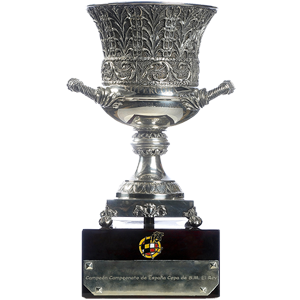
The first winners of the new Super Cup
 Real Madrid1:0
 Real SociedadSpanish Super Cup First leg · October 13, 1982 · Location: Madrid Stadium: Estadio Santiago Bernabéu
After losing 1–0 in Madrid, Real Sociedad overturned the first Spanish Super Cup final.
The return at Atotxa stood at 1–0 after 90 minutes before three extra-time goals made it 4–0. Pedro Uralde scored a hat-trick and Roberto López Ufarte added the other goal, making Real the new competition’s first winners.
Into a European semi-final for the first time
Real Sociedad overturned a 1–0 deficit from Lisbon by beating Sporting 2–0 in the quarter-final return.
Juan Antonio Larrañaga and José Mari Bakero scored at Atotxa. The second Spanish championship had opened the way into the European Cup; the club were now among Europe’s last four.
Hamburg stop the path to the final
After a 1–1 draw at Atotxa, Real Sociedad lost the semi-final return 2–1 at Hamburger SV.
Diego briefly equalised before Thomas von Heesen scored the decisive goal. Real went out to the eventual European champions, with the semi-final remaining a high point for the championship generation.

The eighth league championship
A 2–1 derby victory over Real Sociedad secures another championship. Real Madrid also finish on 49 points but lose out on the head-to-head comparison.

The best league finish so far
A 1–0 victory over Real Sociedad completed the league campaign with Osasuna in sixth place.
Echeverría’s goal settled the final-day encounter; Osasuna, Real Sociedad and Espanyol all finished on 34 points. The following season brought the club’s first UEFA Cup participation.
Ten goals on the road to the cup
 Mallorca Atlético II0:0Real SociedadCopa del Rey First leg · February 25, 1987 · Location: Palma de Mallorca Stadium: Estadio Lluís Sitjar
Following a goalless first leg, Real Sociedad won the cup quarter-final return against Mallorca Atlético II 10–1. The heavy defeat was suffered by RCD Mallorca’s second team. The night at Atotxa became one of the most striking stages of Real’s journey to the cup.
Bakero sends Real to the final
A goalless draw at Atotxa was followed by a 1–0 victory at the old San Mamés.
José Mari Bakero scored against Athletic to secure Real’s first cup final since 1951. John Toshack’s team won a derby tie after earlier cup meetings had often favoured the Bilbao club.
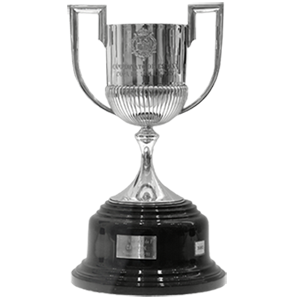
Arconada seals the cup triumph
At La Romareda, Real Sociedad twice led through López Ufarte and Txiki Begiristain.
Atlético Madrid equalised on each occasion, and the final remained 2–2 after extra time. Real won the shoot-out 4–2, with Arconada’s save from Quique Ramos sealing the second cup triumph in the club’s tradition.
Four goals at the Bernabéu
Real Sociedad reached a second successive cup final.
After a 1–0 home win, John Toshack’s team beat Real Madrid 4–0 in the semi-final return. Gorriz, Txiki Begiristain and José Mari Bakero, twice, scored in an outstanding second half. It became one of the club’s most celebrated away victories.
The cup defence ends in the final
Real Sociedad lost the cup final to Barcelona 1–0 at the Santiago Bernabéu, José Ramón Alexanko scoring the only goal.
After winning in 1987 and impressing on the way to another final, Real could not retain the trophy. The season nevertheless ended with runners-up finishes in both league and cup.
Stuttgart prevail on penalties
Jesús María Zamora’s goal cancelled out the 1–0 defeat at Stuttgart in the UEFA Cup quarter-final.
Real created further chances at Atotxa but could not score again, even after extra time. VfB won the shoot-out 4–2, denying Real Sociedad another European semi-final.
John Aldridge opens a new era
John Aldridge made his competitive Real Sociedad debut in a 1–0 win over Osasuna.
The Ireland international had arrived from Liverpool after the board reopened recruitment to foreign professionals in July. His arrival ended the first team’s decades-long restriction to Basque players, while Zubieta remained central to the club’s model.







1990–1999
Conversion to a sporting limited company
Real Sociedad became a Sociedad Anónima Deportiva during the restructuring of Spanish professional football.
The club continued its sporting history as Real Sociedad de Fútbol, S.A.D. The new corporate form changed its legal and financial organisation while its name, colours and sporting tradition continued.
The last league match at Atotxa
Real Sociedad ended league football at Atotxa with a 3–1 victory over Tenerife.
Meho Kodro scored once and Océano twice. After almost eight decades, the era at the compact ground beside the railway station was over. A farewell celebration followed later in June, with the first team moving to Anoeta.
Anoeta’s first football match
A 2–2 friendly against Real Madrid brought football to Anoeta.
The new stadium had already opened with an athletics meeting on July 29. Real Sociedad began a new era of home football with modern stands and more space, although a running track initially separated the pitch from supporters.
Aitor Zabaleta is fatally attacked in Madrid
Before the UEFA Cup match at Atlético Madrid, Real supporter Aitor Zabaleta was stabbed near the Vicente Calderón by a far-right attacker.
He died hours later. His death shocked the club and its supporters, eclipsing the return leg and its sporting defeat.

The final day brings survival
 Extremadura2:2
 Villarreal CFPrimera División Match 2 · June 20, 1999 · Location: Almendralejo Stadium: Estadio Francisco de la Hera
Alavés beat Real Sociedad and also benefit from the draw at Almendralejo.
The 2–1 victory in Vitoria takes them to 40 points. Extremadura’s 2–2 draw with Villarreal leaves that club on 39 and keeps Alavés out of the relegation play-off.

2000–2009

Fourth place opens the Champions League door
A 3–2 victory over title-chasing Real Sociedad secured Celta a Champions League qualifying place for the first time.
Valencia’s simultaneous 3–1 defeat to Barcelona put Celta’s sixty-one points beyond reach. Miguel Ángel Lotina’s side had opened the route to the club’s biggest international adventure.
A remarkable season ends in second place
Real Sociedad closed the league campaign with a 3–0 win over Atlético Madrid.
Raynald Denoueix’s team finished on 76 points, two behind champions Real Madrid. Darko Kovačević and Nihat Kahveci’s strike partnership, Xabi Alonso’s passing and Valeri Karpin’s experience had kept the club in contention until the end.
A win on Champions League group debut
Darko Kovačević’s penalty secured a 1–0 victory over Olympiacos.
Anoeta hosted Real Sociedad’s first appearance in the Champions League group stage. Two decades after reaching the old European Cup semi-final, the club returned to Europe’s leading club competition.
De Paula secures the last sixteen
A 1–1 draw with Galatasaray secured a place in the last sixteen in Real Sociedad’s first Champions League campaign.
Óscar de Paula equalised at Anoeta. Real finished behind Juventus on nine points, keeping the Istanbul side on seven and taking their European comeback into the knockout stage.
Zubieta XXI expands the development base
Zubieta XXI opened in April, expanding the training facilities used by professionals and academy players.
Following the successful 2002/03 season, the club invested in the infrastructure underpinning its long-term sporting model: player development, daily training and close links with the region’s talent.
Lyon end the European run
Two narrow defeats ended Real Sociedad’s Champions League campaign.
A 1–0 home loss was followed by another 1–0 defeat at Gerland, sending Olympique Lyon into the quarter-finals. A first group-stage campaign followed by the last sixteen remained a significant European chapter for the Donostiarras.

Espanyol’s late goal decides Alavés’ fate
 RCD Espanyol de Barcelona1:0
 Real SociedadPrimera División Match 1 · May 13, 2006 · Location: Barcelona Stadium: Estadi Olímpic Lluís Companys
Victory over Deportivo is not enough on the final day.
Alavés win 1–0 and reach 39 points. Ferran Corominas then scores Espanyol’s stoppage-time winner against Real Sociedad. The rivals move to 41 points, sending Alavés back to the Segunda after just one season.
Corominas scores the goal that saves the season
A late 1–0 win over Real Sociedad keeps Espanyol up.
Only a month after winning the cup, Espanyol battle relegation until the final day. Corominas scores the decisive late goal at the Olympic Stadium. Their 41 points keep the club in the Primera División.
Relegation after forty years
A 3–3 draw at Valencia sealed Real Sociedad’s relegation.
After forty consecutive seasons in Primera División, the club returned to Segunda. Their final chance of survival required a win and favourable results elsewhere. The draw left Real on 35 points, below the safety line.
The club enters insolvency proceedings
The commercial court in Donostia opened voluntary insolvency proceedings for Real Sociedad.
Heavy debts and the financial effects of relegation had pushed the club into a crisis threatening its future. While the first team played in Segunda, financial restructuring became as urgent as returning to the top flight.
Jokin Aperribay becomes president
Jokin Aperribay became president during a difficult sporting and financial period.
Real Sociedad were in the second division and in insolvency proceedings. The new leadership faced the task of restoring financial stability and preparing a return to the top flight. His presidency would shape the club’s subsequent rebuilding.
A century in blue and white
Real Madrid visited Anoeta for the club’s centenary match, winning the friendly 2–0. The celebration linked memories of the 1909 foundation with hopes for a fresh sporting start. Real were still in Segunda División, marking their hundredth anniversary in the middle of a rebuilding period.


2010–2019
The creditors’ agreement is approved
The commercial court approved the board’s agreement with creditors, giving Real Sociedad a basis for financial recovery after the acute insolvency crisis.
The agreement came in the same season as the return to Primera División and marked an important step in the club’s rebuilding.
Back in Primera División
A 2–0 win over Celta secured promotion on the penultimate matchday.
Xabi Prieto and Carlos Bueno scored as Anoeta celebrated. After three years in Segunda, Martín Lasarte had guided the team back to the top flight. Promotion was the sporting breakthrough of a difficult rebuilding process.
Griezmann’s goal and help from Sevilla
0:14:3Antoine Griezmann scored the winner in a 1–0 victory at A Coruña, while Valencia lost 4–3 at Sevilla.
Together, those results lifted Real Sociedad into fourth place and the Champions League play-offs. Philippe Montanier’s team finished on 66 points, one ahead of Valencia.
Two wins over Lyon reach the group stage
 Olympique Lyon0:2Real SociedadUEFA Champions League – Play-offs First leg · August 20, 2013 · Location: Lyon Stadium: Stade de GerlandReal Sociedad2:0Olympique LyonUEFA Champions League – Play-offs Second leg · August 28, 2013 · Location: San Sebastián Stadium: Anoeta
Real Sociedad won the return against Lyon 2–0 to reach the Champions League group stage again.
Carlos Vela scored both goals at Anoeta. Real had already won 2–0 at Gerland, where Griezmann’s spectacular overhead kick opened the scoring. Jagoba Arrasate’s team completed the tie without conceding.
Carlos Vela scores four against Celta
Carlos Vela scored all four Real goals in a 4–3 victory over Celta.
An early lead had become a 3–1 deficit before the Mexican turned the match around. His four-goal performance made a wild night at Anoeta one of the most memorable individual displays in the club’s recent history.
An early goal defeats Barcelona
Jordi Alba’s own goal in the second minute proved enough for a 1–0 win over Barcelona.
David Moyes’s team defended their lead to the finish. Anoeta again proved a difficult away ground for the Catalans, who would go on to win the league, cup and Champions League that season.
Anoeta bids farewell to Prieto and Martínez
Xabi Prieto and Carlos Martínez said farewell to the home crowd during a 3–2 victory over Leganés.
Prieto’s teammates wore a special badge featuring his face. The tribute honoured two players whose careers were closely tied to Zubieta and the first team, giving an emotional home farewell a winning setting.
Imanol Alguacil takes charge again
Following Asier Garitano’s departure, Imanol Alguacil returned as head coach.
The former Real player had already led the first team during the spring and now stepped up from the academy again. His close connection with Zubieta and the club would shape the subsequent sporting resurgence.

Back in Europe after twelve years
2:02:0Victory over Real Sociedad and Athletic’s defeat open the door.
Espanyol beat Real Sociedad 2–0 on the final day while Athletic lose in Seville. With both clubs on 53 points, the head-to-head record favours Espanyol. Seventh place brings entry into Europa League qualifying.
A new football experience at Anoeta
Real Sociedad marked the completed redevelopment with a 2–0 win over Atlético Madrid, with Martin Ødegaard and Nacho Monreal scoring.
The running track had disappeared and supporters were much closer to the pitch. The rebuilding transformed the former multipurpose stadium into a football arena, now named Reale Arena.


2020–2029
A 4–3 win at the Bernabéu opens the semi-final
Real Sociedad won a spectacular cup quarter-final at Real Madrid 4–3. Ødegaard, Alexander Isak twice and Mikel Merino scored. The hosts narrowed a 4–1 deficit, but Real held on. The away victory became a defining night on the road to the eventual cup triumph.
Back in the cup final after 32 years
 CD Mirandes0:1Real SociedadCopa del Rey Second leg · March 4, 2020 · Location: Miranda de Ebro Stadium: Estadio Municipal de Anduva
Mikel Oyarzabal’s penalty secured a 1–0 win at Mirandés.
Following a 2–1 first-leg victory, Real Sociedad reached their first cup final since 1988. The second-division side had already eliminated several top-flight opponents before Imanol Alguacil’s team ended their run at Anduva.
Oyarzabal decides the Basque cup final
0:1Real Sociedad beat Athletic 1–0 in the pandemic-delayed 2019/20 cup final.
Mikel Oyarzabal converted the decisive penalty at La Cartuja, bringing the cup back to Donostia after 34 years without a major trophy. The historic Basque derby final had to be played without spectators.
Victory at Villarreal secures Europa League football
Goals from Alexander Isak and Martín Zubimendi turned the match at Villarreal into a 2–1 victory.
Real Sociedad secured a top-six finish and a Europa League place. With one round remaining, Real had 62 points and could no longer be caught by Villarreal or Athletic.
Victory at Old Trafford
Brais Méndez converted the penalty that secured a 1–0 win over Manchester United.
Real Sociedad opened the Europa League group stage with an away victory at Old Trafford. Disciplined defending and a confident display against England’s record champions made it a memorable European night.
Back in the Champions League despite defeat
Real Sociedad lost 2–1 at Atlético Madrid but nevertheless secured fourth place.
Rayo Vallecano’s simultaneous 2–1 win over Villarreal made Real’s position unassailable. Ten years after their previous group-stage appearance, Imanol Alguacil had taken the club back into the Champions League.
Unbeaten group winners
A goalless draw at Inter made Real Sociedad Champions League group winners.
Both clubs finished the six matches on twelve points. With two draws in their head-to-head meetings, Real’s better goal difference decided first place. The team completed the entire group stage unbeaten.
Mbappé and Paris end the journey
A 2–0 defeat in Paris was followed by a 2–1 home loss to Paris Saint-Germain in the last-sixteen return.
Kylian Mbappé scored both visiting goals before Mikel Merino’s late reply. An unbeaten group stage thus ended with elimination by a side of exceptional individual quality.

The 600th Primera match
A derby against Real Sociedad links the present with the first top-flight team.
Before kick-off, the players wear retro shirts bearing the names of the eleven who made the club’s 1930 debut, also against Real Sociedad. The anniversary match ends in a 1–0 defeat.
A fifth successive European season
Goals from Brais Méndez and Mikel Merino secured a 2–0 win at Betis and sixth place.
Real Sociedad qualified for the Europa League and a fifth consecutive season of European competition. Their lead over Betis was four points with one match remaining.
Manchester United prevail in the last sixteen
After a 1–1 draw at Anoeta, Real Sociedad lost the Europa League last-sixteen return at Manchester United 4–1. Oyarzabal’s penalty put the visitors ahead, but Bruno Fernandes scored a hat-trick. Jon Aramburu’s dismissal made a recovery harder, and a 5–2 aggregate defeat ended the European campaign.
Anoeta sends Imanol off with a victory
Real Sociedad won Imanol Alguacil’s last home match 3–2 against Girona, academy player Arkaitz Mariezkurrena scoring the late winner.
Supporters honoured the coach who had led the club to the cup and five successive European qualifications. A large crowd mosaic and a club award marked his farewell.
The cup dream ends after two leads
Real Sociedad turn the quarter-final at Mendizorroza into a 3–2 victory.
Abde Rebbach and Toni Martínez each put Alavés ahead. After another penalty is saved, Gonçalo Guedes and Orri Óskarsson complete the visitors’ comeback.
Marrero and Marín seal another cup triumph
Real Sociedad won another cup final against Atlético Madrid.
After a 2–2 draw and goalless extra time, Unai Marrero saved Atlético’s first two penalties. Pablo Marín converted the decisive kick for a 4–3 shoot-out victory. Barrenetxea and Oyarzabal had scored for Real. Unlike in 2021, supporters could celebrate together in La Cartuja’s stands.
Joma and the blue-and-white stripes
Real Sociedad launched its partnership with Joma by presenting the 2026/27 home shirt.
The design retained the traditional vertical blue-and-white stripes. The new technical partnership linked the club’s recent sporting success with the enduring symbols of the club and its Gipuzkoa roots.

Fifty years of the Martínez Valero
Defining voices and players return before the Real Sociedad match.
On the eve of the stadium’s fiftieth anniversary, Elche celebrate the people and matches that have shaped the Martínez Valero. Long-serving announcer Paco Gassó returns to the microphone and former players take to the pitch. The following league match against Real Sociedad ends in a 3–2 defeat despite an Elche comeback.

A winning European debut in San Sebastián
Bournemouth played its first European match and won 2–1 away to Real Sociedad.
Its Europa League league-phase debut took the club to San Sebastián. The team that had struggled to preserve Football League status in 2009 was now competing in Europe. The away victory added a new sporting landmark to that transformation.