


The history of Arsenal FC
Milestones and background from the club's history, in chronological order.
Categories
Competitions
Nicknames through the years Three names tell a story of near misses, late goals and an unbeaten season. Read the storiesClose the stories
1880–1889
Dial Square: the first match
The workers’ team from Woolwich wins its first match 6–0 against Eastern Wanderers.
David Danskin and his colleagues work at the Royal Arsenal armaments factory; Dial Square is the name of one of its workshops. The match takes place across the Thames on the Isle of Dogs. This team becomes Arsenal Football Club. Royal Arsenal is in use by January 1887, although the traditional account of a Christmas Day renaming cannot be established conclusively.


1890–1899
London’s first Football League club
Woolwich Arsenal begins its first Football League season with a 2–2 draw against Newcastle United.
Admission to the Second Division makes the club the league’s first London member. The operating company established in 1893 and the return to the Manor Ground mark a new stage of its professional development.

1900–1909
First promotion to the First Division
A goalless home draw with Burslem Port Vale secures Woolwich Arsenal’s first promotion to the top division.
Arsenal reaches 49 points, beyond Manchester United’s maximum of 48, and finishes second behind Preston North End. The opponent is the Burslem Port Vale club that ceased playing in 1907, distinct from the future Port Vale then known as Cobridge Church.
1910–1919
From Woolwich to Highbury
Woolwich Arsenal wins its first home match at Highbury 2–1 against Leicester Fosse.
George Jobey scores Arsenal’s first goal at the new ground and Andy Devine supplies the winner. Moving from south-east London to Islington permanently changes the club’s home and surroundings. Highbury remains Arsenal’s ground until 2006.
1920–1929

A first FA Cup semi-final
A 2–1 win over Arsenal at the Vetch Field sends Swansea Town into their first FA Cup semi-final. A 3–0 defeat by Bolton Wanderers at White Hart Lane ends the run. The newly promoted Second Division club have also made their mark in the national cup.
Frank Eley and Jack Fowler score against Arsenal. In the semi-final Swansea concede three goals inside the opening 25 minutes. Their first Second Division season nevertheless ends with a fifth-place finish.
A football match goes live on the radio
The 1–1 draw with Sheffield United becomes the first league football match broadcast live on British radio.
The BBC uses a numbered pitch grid to help listeners follow the action from Highbury. Arsenal is part of an early transformation in football coverage.
Defeat in the first FA Cup final
Arsenal loses its first FA Cup final 1–0 to Cardiff City.
Hughie Ferguson’s effort settles the match when goalkeeper Dan Lewis cannot hold the ball. Cardiff becomes the first, and still the only, Welsh club to win the trophy.

Dixie Dean reaches 60 league goals
Dixie Dean scored a hat-trick in the 3–3 draw with Arsenal to finish the season with 60 league goals.
The extraordinary record reflected both his finishing and the supply from teammates, particularly Alec Troup. Everton had secured the championship three days earlier.


1930–1939

A first FA Cup semi-final
Hull City reached the FA Cup semi-finals for the first time in 1930.
A 2–2 draw with Arsenal at neutral Elland Road required a replay. Arsenal won 1–0 at Villa Park, ending Hull’s deepest cup run up to that point.
The first major national trophy
Arsenal wins the FA Cup with a 2–0 victory over Huddersfield Town.
Alex James and Jack Lambert score against Chapman’s former club. Three years after defeat in its first final, Arsenal begins the great trophy-winning era of the 1930s.
English champions for the first time
A 3–1 victory over Liverpool FC secures Arsenal’s first English league championship.
Herbert Chapman’s side settles the title race before the final round of matches. The championship follows the previous year’s FA Cup and confirms the club’s emergence among England’s leading teams.

A record crowd of 82,905 against Arsenal
The 1–1 draw with Arsenal attracted 82,905 spectators to Stamford Bridge.
It remains the club’s official record attendance. The crowd demonstrated Chelsea’s appeal long before its later international trophies.
Ted Drake scores seven goals
Ted Drake scores every Arsenal goal in a 7–1 win at Villa Park.
Seven goals by one player in an English top-flight match constitute an exceptional record. The performance also illustrates the attacking strength of a club that wins five league championships during the 1930s.

A record 64,815 watch Arsenal defeated
The FA Cup quarter-final against Arsenal draws 64,815 spectators to The Hawthorns. West Bromwich Albion win 3–1. The match sets the ground’s attendance record and becomes a lasting image of its great cup afternoons.



1950–1959

57,893 spectators against Arsenal
A goalless league match against Arsenal drew 57,893 spectators to Ninian Park. It remained the largest attendance for a Cardiff City home match at the old ground.

1960–1969
European debut: seven goals in Copenhagen
Arsenal wins its first European match 7–1 against Stævnet.
Joe Baker and Geoff Strong each score a hat-trick. The Inter-Cities Fairs Cup opponent is a Copenhagen representative team, not FC Copenhagen, founded in 1992. The match is played at the old Idrætsparken; today’s Parken is a later stadium.

Terry Cooper wins the first major trophy
Terry Cooper’s goal gave Leeds a 1–0 League Cup final victory over Arsenal.
It was the club’s first major domestic cup trophy. Success at the original Wembley confirmed the progress of Don Revie’s team and began a particularly successful year.

1970–1979
First appearance in the European Cup
Arsenal begins its first European Cup campaign with a 3–1 victory over Strømsgodset.
The match takes place at Ullevaal Stadion in Oslo, rather than Strømsgodset’s usual home ground in Drammen. The 1971 league championship opens the club’s first route into this competition.

English champions for the first time
Liverpool drew 0–0 at Arsenal and Leeds lost 2–1 at Wolves. Only those two results confirmed Derby as English champions. County had already completed its league fixtures and followed the final decisions from afar.
Derby finished on 58 points. In five years Clough and Taylor had taken the club from the second tier to the national championship. The title also opened the way to the European Cup.
The first UEFA Cup match
Arsenal beats 1. FC Lokomotive Leipzig 3–0 on its UEFA Cup debut.
The first home match in this competition takes place at Highbury. The opponent is the Leipzig club that adopts the name VfB Leipzig in 1991, distinct from today’s 1. FC Lokomotive Leipzig, newly founded in 2003.
Debut in the Cup Winners’ Cup
Arsenal wins its first Cup Winners’ Cup match 2–0 against Fenerbahçe.
The 1979 FA Cup victory opens this European route for the first time. As both league and cup winner in 1971, Arsenal had entered the European Cup instead.


1980–1989
The first League Cup under George Graham
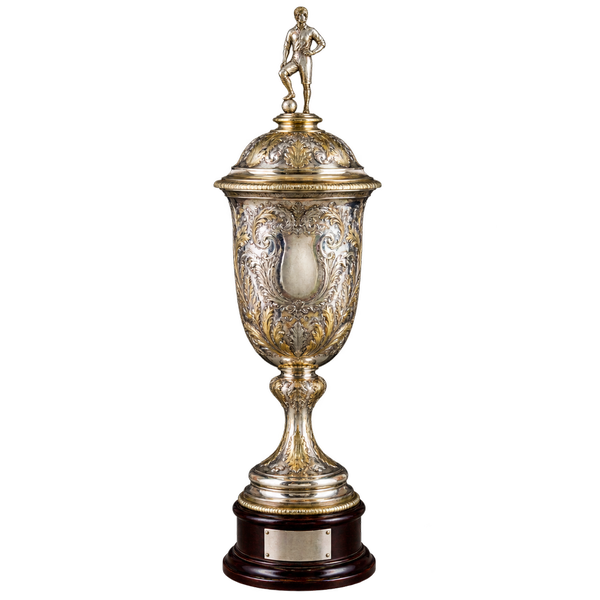
Arsenal wins the English League Cup for the first time.
Charlie Nicholas scores both goals in a 2–1 victory over Liverpool FC, overturning Ian Rush’s opener. George Graham’s first season as manager brings a trophy and marks the beginning of a new successful team.
1990–1999

Four goals to open the Premier League era
Norwich City overturns a 2–0 half-time deficit to beat Arsenal FC 4–2. Mike Walker’s team opens the inaugural Premier League season with a surprise victory at Highbury.

League Cup fourth round against Arsenal FC
Scarborough reached the League Cup fourth round in 1992/93, their best run in the competition. Arsenal FC won 1–0 at the McCain Stadium through Nigel Winterburn. The London club went on to win both the League Cup and FA Cup that season.
Linighan completes the first cup Double
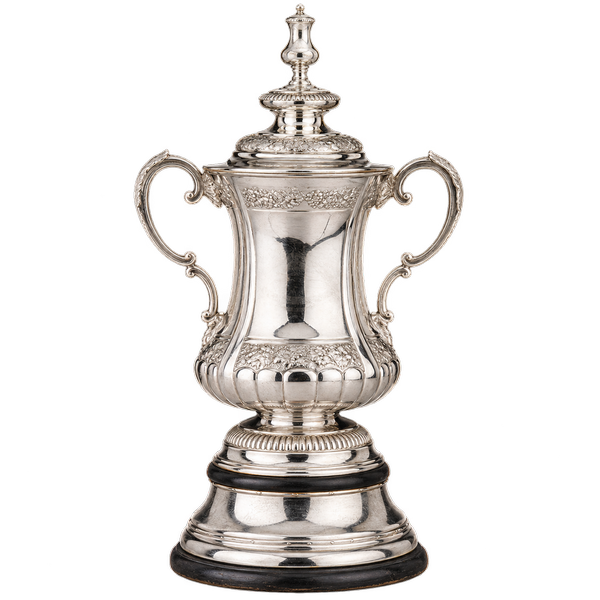
Andy Linighan’s late header settles the FA Cup final replay.
Following a 1–1 draw in the first final, Arsenal beats Sheffield Wednesday 2–1 after extra time. Arsenal becomes the first English club to win the FA Cup and League Cup in the same season.


2000–2009

Wayne Rooney steps into the spotlight
Sixteen-year-old Wayne Rooney scored the late winner in a 2–1 victory over Arsenal.
His first Premier League goal ended Arsenal’s long unbeaten league run. Everton was also beginning a sporting rebuild under David Moyes.
The Invincibles complete 38 games unbeaten
Arsenal wins its final league match against Leicester City 2–1 and completes the season without defeat.
Twenty-six wins and twelve draws produce 90 points. The championship was already secured; this day completes the first unbeaten 38-match season in England’s top division.
The golden trophy for the Invincibles

On August 22, 2004, Arsenal receives the golden Invincibles trophy at Highbury before the home match against Middlesbrough FC.
The Premier League honours the unbeaten 2003/04 championship season, with 26 wins and twelve draws. Captain Patrick Vieira accepts the special, smaller version of the league trophy. It is an additional award for that achievement and does not represent another league title. Arsenal then comes back from 3–1 down to win 5–3, equalling Nottingham Forest’s record of 42 league matches unbeaten.
The run ends after 49 league matches
Manchester United ends Arsenal’s run with a 2–0 victory at Old Trafford.
Arsenal had remained unbeaten in 49 league matches since the closing stages of 2002/03. Defeat brings an exceptional record to an end and intensifies the rivalry between the teams.
Vieira’s final kick brings the cup
Arsenal wins the first FA Cup final decided by a penalty shoot-out.
After a goalless match against Manchester United, Patrick Vieira converts the decisive kick for a 5–4 shoot-out victory. It is his final Arsenal appearance and the last cup win before a nine-year wait for major silverware.
Thierry Henry wins at the Bernabéu
Thierry Henry scores the only goal in a 1–0 victory over Real Madrid.
Arsenal becomes the first English club to win a competitive match at the Santiago Bernabéu. The away victory becomes a key step towards its first Champions League final.
Lehmann saves the route to a first Champions League final
A 0–0 draw at Villarreal sends Arsenal to its first Champions League final.
Following Kolo Touré’s first-leg goal, Jens Lehmann saves a late Juan Román Riquelme penalty in the return match. Arsenal wins the semi-final 1–0 on aggregate.
The first league match at Emirates Stadium
Arsenal begins competitive life at Emirates Stadium with a 1–1 draw against Aston Villa.
Olof Mellberg scores the ground’s first league goal and Gilberto Silva equalises for Arsenal. Following the July opening, this is the first Premier League match at the new home.


2010–2019

Tioté completes the comeback to 4–4
Newcastle trailed Arsenal 4–0 at half-time.
After Abou Diaby’s dismissal, the team recovered, and Cheick Tioté’s volley made it 4–4. It was the first recovery from a four-goal deficit in a Premier League match.
Four goals to retain the trophy
Arsenal beats Aston Villa 4–0 in the FA Cup final.
Theo Walcott, Alexis Sánchez, Per Mertesacker and Olivier Giroud score. A twelfth victory makes Arsenal the competition’s outright record winner.
Wenger’s seventh FA Cup and Arsenal’s thirteenth
Arsenal wins the FA Cup final 2–1 against Chelsea FC.
Aaron Ramsey scores the winner soon after Chelsea FC equalises. Arsène Wenger reaches seven FA Cup victories as manager and Arsenal extends its club record to 13.




2020–2029

A 2–0 win over Arsenal on the Premier League debut
Brentford begin their first Premier League season with a 2–0 victory over Arsenal.
Sergi Canós and Christian Nørgaard score. For the first time, the new stadium hosts a competitive match with a full crowd. The promoted club make an impressive start to their top-flight return.

125 years of Albion and a new Amex record
3:0Brighton beat Arsenal 3–0 in the official anniversary fixture.
An attendance of 31,944 sets a new Amex record, with the team wearing a special kit inspired by their first shirt in 1901. The day links the founding story to the enlarged home following the North Stand redevelopment.


