The history of Chelsea FC
Milestones and background from the club's history, in chronological order.
Categories
Competitions
Nicknames through the years Three names tell a story of near misses, late goals and an unbeaten season. Read the storiesClose the stories
1900–1909
A new club for Stamford Bridge
Chelsea was founded at the Rising Sun pub opposite Stamford Bridge on March 10, 1905.
Gus Mears wanted a professional club for the ground he had converted for football. Fulham had declined to play there; this did not make Fulham a predecessor. Chelsea joined the Football League’s Second Division that year.
The first competitive match
Chelsea’s first competitive match ended in a 1–0 defeat at Stockport County.
Player-manager John Tait Robertson led the newly assembled team into its first Football League season. The club’s playing history therefore began at Edgeley Park, before its home debut.
The first match at Stamford Bridge
Two days after the league opener, Chelsea won its first home match 4–0 against Liverpool.
The friendly introduced the new team to Stamford Bridge’s crowd. Bob McRoberts scored twice, with Martin Moran and Jimmy Windridge adding the other goals.
First league victory and first hat-trick
A 5–1 home win over Hull City was Chelsea’s first competitive victory.
Jimmy Windridge scored the club’s first hat-trick. The ground’s large crowds and entertaining football quickly made Chelsea an attraction in London.

Promotion to the top flight 1905/06
 Chelsea FC1:3
 Gainsborough TrinityFootball League Second Division Match 2 · April 21, 1906 · Location: London Stadium: Stamford Bridge
Ernest Mangnall took the team back into the top flight after twelve years in the Second Division.
Victory at Leeds City and Chelsea’s home defeat secured one of the two promotion places.
First promotion to the First Division
A 4–0 win over Wolverhampton Wanderers secured Chelsea’s first promotion to the First Division under William Lewis.
The club reached England’s top tier in only its second season. This was a move from the second tier to the first.

Notts County’s victory settles relegation
Bolton had already completed the season on 33 points. Notts County won 2–1 at Chelsea and moved above Wanderers with 34 points, leaving Bolton in a relegation place.


1910–1919
An away win cannot prevent relegation
 Everton FC1:1
 Middlesbrough FCFootball League First Division Match 3 · April 16, 1910 · Location: Liverpool Stadium: Goodison Park
Bolton won 2–1 at Bury but could reach only 28 points. Bristol’s 1–0 win over Chelsea, Middlesbrough’s 1–1 draw at Everton and Tottenham’s 1–1 draw with Arsenal left no route to survival.
Chelsea and Tottenham still had to play each other. Both could therefore not finish at or below Bolton’s maximum of 28 points. Wanderers’ own victory could not prevent an immediate return to the Second Division.
Promotion despite defeat at Birmingham
 Birmingham FC2:1Bolton WanderersFootball League Second Division Match 1 · April 29, 1911 · Location: Birmingham Stadium: St Andrew’sGainsborough Trinity3:1Chelsea FCFootball League Second Division Match 2 · April 29, 1911 · Location: Gainsborough Stadium: The Northolme
Wanderers lost 2–1 at Birmingham and completed the season on 51 points. Chelsea’s 3–1 defeat at Gainsborough Trinity left their rivals on 50 and secured Bolton the second promotion place.

Champions on goal average
Chelsea FC1:0 Bradford Park AvenueFootball League Second Division Match 1 · April 27, 1912 · Location: London Stadium: Stamford Bridge
 Wolverhampton Wanderers2:0
 Burnley FCFootball League Second Division Match 2 · April 27, 1912 · Location: Wolverhampton Stadium: Molineux
Chelsea beat Bradford Park Avenue 1–0 while Burnley lost 2–0 at Wolves. Those results secured Derby’s promotion and Second Division title. County had already completed its season; superior goal average separated Derby from Chelsea on equal points.
Derby and Chelsea finished on 54 points; Burnley had 52. Wins were worth two points, and ties were broken by goals scored divided by goals conceded. Derby’s 74–28 scoring record gave it the best ratio.

The only relegation from the top flight
The home defeat to Derby County and Chelsea FC’s win over Tottenham Hotspur make relegation mathematically certain.
Woolwich Arsenal can now reach only 20 points, while Chelsea FC already has 24. The club’s first spell in the top division ends; this remains Arsenal’s only relegation from England’s top flight.
The first FA Cup final
Chelsea reached its first FA Cup final but lost 3–0 to Sheffield United at Old Trafford.
Played during the First World War, the match became known as the Khaki Final. A first major cup success remained out of reach.
A final point confirms the second title
Everton’s 2–2 draw with Chelsea mathematically confirmed its second championship.
Liverpool had beaten Oldham 2–0 two days earlier, leaving Everton effectively champion on goal average but still with its final match to play. The last point took Everton to 46 against Oldham’s 45 before the First World War suspended regular league football.


1920–1929

Leaving the First Division
A goalless draw with West Bromwich Albion is insufficient. Wins for Chelsea FC and Nottingham Forest make Oldham’s relegation certain. The final record is 22nd place and 30 points; a top-flight return will not come until 1991.

Camsell’s team wins the title
 Blackpool FC2:2Middlesbrough FCFootball League Second Division Match 1 · April 23, 1927 · Location: Blackpool Stadium: Bloomfield Road
A 2–2 draw at Blackpool secured promotion, while Chelsea’s 3–0 defeat at Barnsley also confirmed the championship. George Camsell shaped the campaign and finished it with 59 league goals, then a Football League record.

An immediate return under Dick Ray
Leeds won 3–2 at Chelsea to secure an immediate return to the First Division.
Its 57 points exceeded Chelsea’s remaining maximum of 56, leaving only Manchester City able to overtake the club. Dick Ray achieved promotion in his first season as manager.


1930–1939

The first top-flight era ends
West Ham United lose 3–2 at Chelsea. Victories for Blackpool at Sheffield United and Grimsby against Sheffield Wednesday complete the results confirming a first relegation from the First Division. Nine top-flight years end in bottom place with 31 points and 107 goals conceded.
A record crowd of 82,905 against Arsenal
The 1–1 draw with Arsenal attracted 82,905 spectators to Stamford Bridge.
It remains the club’s official record attendance. The crowd demonstrated Chelsea’s appeal long before its later international trophies.

Remembering Jimmy Thorpe
Goalkeeper Jimmy Thorpe died aged 22 after the 3–3 match against Chelsea FC.
Injured during the game on February 1, he subsequently became seriously ill. His death on February 5, 1936 cast a shadow over the championship season. Remembrance centres on the young goalkeeper and his family, rather than the result.

A derby before a record crowd
Griffin Park welcomes a record 33,486 spectators for the first home top-flight derby against Chelsea.
Goals from Dave McCulloch and Dai Hopkins give Brentford a 2–1 victory. The then-record crowd illustrates the club’s rapid growth under Harry Curtis.

Relegation from the top flight 1937/38
 Stoke City2:0
 Liverpool FCFootball League First Division Match 4 · May 7, 1938 · Location: Stoke-on-Trent Stadium: Victoria Ground
The reigning champions went down despite scoring more league goals than any other team that season.
City’s defeat at Huddersfield and the immediate rivals’ results settled the historic fall.

Relegation before the war
Middlesbrough FC4:1West Bromwich AlbionFootball League First Division Match 1 · May 7, 1938 · Location: Middlesbrough Stadium: Ayresome ParkStoke City2:0Liverpool FCFootball League First Division Match 5 · May 7, 1938 · Location: Stoke-on-Trent Stadium: Victoria GroundWest Bromwich Albion lose 4–1 at Middlesbrough FC on the final day, while several threatened rivals win. Albion are relegated in bottom place with 36 points. The previous season’s English champions, Manchester City, also drop into the Second Division.




1940–1949

Charlton wins the southern wartime cup
Charlton beat Chelsea 3–1 in the Football League War Cup South final. After Chelsea took an early lead, two goals from Charlie Revell and one from Don Welsh turned the game around. General Dwight D. Eisenhower presented the trophy.
85,000 watched at Wembley a few weeks before the Normandy landings. The victory was in the southern section of the wartime cup. Don Welsh captained the side, with Sam Bartram in goal.

The wartime Wembley final
Millwall lost 2–0 to Chelsea in the Football League War Cup South final. Around 90,000 spectators watched at Wembley.
Dynamo Moscow visits after the war
The friendly against Dynamo Moscow ended 3–3.
The Soviet team’s post-war visit attracted an exceptionally large crowd whose exact size is not reliably established. The match became a symbol of renewed international football contact after the Second World War.

1950–1959

Even a 6–0 win is not enough
Wednesday beat Everton FC 6–0 on the final day. Chelsea FC’s simultaneous 4–0 win over Bolton nevertheless sent the club down on inferior goal average.
Ted Drake and a new identity
Ted Drake took charge in 1952 and modernised Chelsea’s football identity.
The Pensioner disappeared from the badge; a short-lived CFC monogram was followed by the lion in 1953. The Blues displaced the older nickname The Pensioners. The club remained Chelsea Football Club.
The first English championship
Chelsea beat Sheffield Wednesday 3–0, but the title became certain only when Portsmouth’s 1–1 draw at Cardiff City was confirmed.
Chelsea had 52 points and Portsmouth could then reach no more than 51. Ted Drake’s side became English champions for the first time under the two-points-for-a-win system.
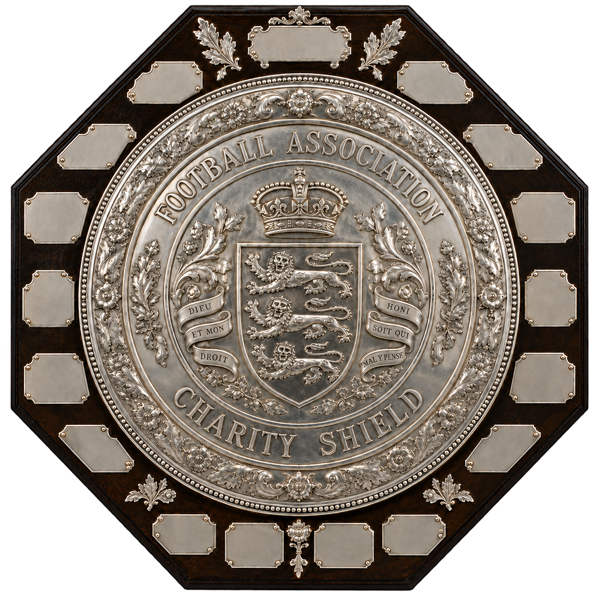
The first Charity Shield
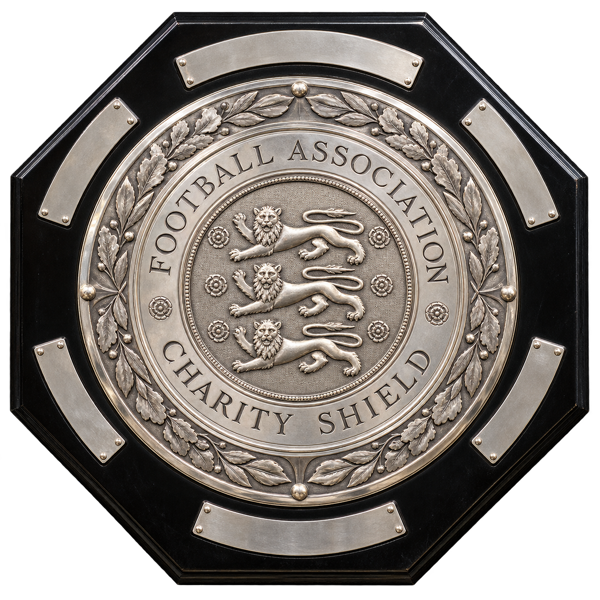
As league champions, Chelsea beat FA Cup holders Newcastle United 3–0 at Stamford Bridge.
Roy Bentley and Frank Blunstone scored, alongside an own goal. Chelsea added its first Charity Shield to its first league championship.
Jimmy Greaves scores on his debut
Seventeen-year-old Jimmy Greaves scored on his first-team debut in a 1–1 draw at Tottenham Hotspur.
The homegrown forward went on to score 132 goals in 169 Chelsea appearances. His finishing sustained a side with growing defensive problems.
The first competitive European match
Chelsea began its own European history with a 3–1 win over Frem in Copenhagen in the Inter-Cities Fairs Cup.
Frem represented the city with guest players, while Chelsea entered as a club. This was Chelsea’s first continental competitive match after its blocked European Cup entry in 1955. The Fairs Cup was not a UEFA competition.




1960–1969

English champions in the debut top-flight season
Ray Crawford’s two goals beat Aston Villa 2–0.
Burnley’s simultaneous 1–1 draw with Chelsea completed the title decision: Ipswich had 56 points and Burnley could reach only 55 with its remaining game.
Matthews helps Stoke back to the top
Stoke City2:0 Luton TownFootball League Second Division Match 1 · May 18, 1963 · Location: Stoke-on-Trent Stadium: Victoria Ground
A 2–0 victory over Luton Town secures promotion on 53 points. Sunderland’s simultaneous 1–0 defeat by Chelsea also settles the Second Division title. Jackie Mudie and Stanley Matthews score as Stoke return to the First Division after ten years.
Seven goals secure a return
Tommy Docherty’s young side beat Portsmouth 7–0 in its final match to regain First Division status.
Chelsea reached 57 points, overtaking Sunderland, whose completed total was 55. Bobby Tambling scored four times. The next campaign confirmed the promise of Docherty’s Diamonds.
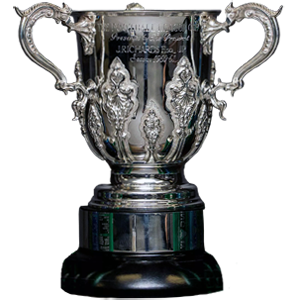
The first League Cup triumph
A 0–0 draw at Leicester City completed Chelsea’s first League Cup triumph after a 3–2 first-leg win.
Eddie McCreadie’s solo run had produced the decisive third goal at Stamford Bridge. Tommy Docherty’s side defended its advantage at Filbert Street in the competition’s two-legged final.

English league title number 7
Under Bill Shankly, Liverpool won its 7th English championship.
Leeds could reach 58 points and Burnley 57. Liverpool now had 60 points, while the nearest challenger could finish with no more than 58.
Defeat in the first all-London FA Cup final
Chelsea lost the FA Cup final 2–1 to Tottenham Hotspur.
Bobby Tambling’s late goal reduced the deficit but did not produce an equaliser. The competition’s first all-London final ended in disappointment for Docherty’s talented side.




1970–1979

The first FA Cup semi-final
Watford reached their first FA Cup semi-final, where Chelsea won 5–1 at White Hart Lane. Ken Furphy’s Second Division side had eliminated Liverpool on the way.
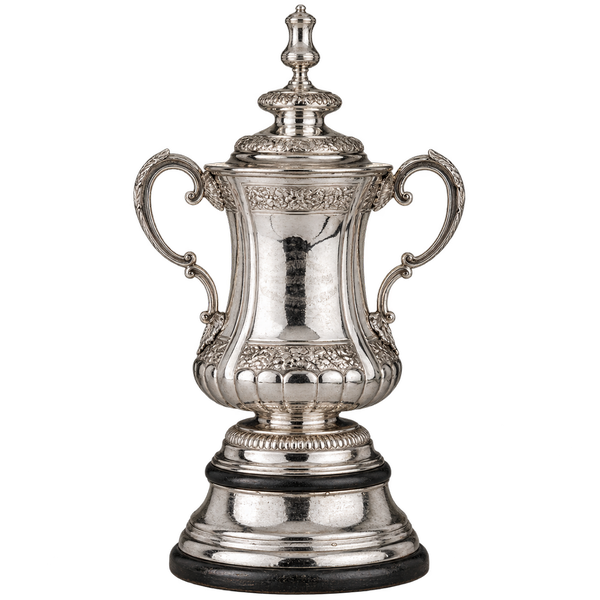
The first FA Cup, won in a replay
 Chelsea FC2:2a.e.t.
 Leeds UnitedFA Cup Original match · April 11, 1970 · Location: London Stadium: Wembley Stadium (1923–2003) Neutral venue
After a 2–2 draw at Wembley, Chelsea beat Leeds United 2–1 after extra time in the Old Trafford replay.
Peter Osgood equalised and David Webb scored the winner. Dave Sexton’s team claimed the club’s first FA Cup after two fiercely contested finals.

Charity Shield victory over Chelsea
Everton beat Chelsea 2–1 at Goodison Park.
The league champions won the Charity Shield for a fourth time. The victory complemented the championship won by Harry Catterick’s side.
The first match in a UEFA competition
A 1–1 draw at Aris Thessaloniki opened Chelsea’s first Cup Winners’ Cup campaign.
Ian Hutchinson scored the away goal. Unlike the earlier Fairs Cup, this was a UEFA competition, and the debut campaign led to Chelsea’s first European trophy.
The first European trophy
 Chelsea FC1:1a.e.t.
 Real MadridCup Winners’ Cup Match 1 · May 19, 1971 · Location: Piraeus Stadium: Stadio Georgios Karaiskakis (1895–2003) Neutral venueChelsea FC2:1Real MadridCup Winners’ Cup Match 2 · May 21, 1971 · Location: Piraeus Stadium: Stadio Georgios Karaiskakis (1895–2003) Neutral venue
Chelsea beat Real Madrid 2–1 in the replayed Cup Winners’ Cup final, with goals from John Dempsey and Peter Osgood.
Real’s late equaliser two days earlier had forced a 1–1 draw after extra time. Both matches took place at the contemporary Karaiskakis Stadium in Piraeus.
A 13–0 victory and a 21–0 aggregate record
Chelsea’s 13–0 victory over Luxembourg’s Jeunesse Hautcharage remains its biggest competitive win.
Added to the 8–0 first-leg result, it produced a 21–0 aggregate score. Peter Osgood scored five times in the home match. The opponents were Jeunesse Hautcharage, not Jeunesse Esch.
The great Wembley cup day
Stoke beat Chelsea 2–1 in the Wembley final to win the League Cup for the first time. Terry Conroy and George Eastham score the goals. Tony Waddington’s side, with Gordon Banks in goal, bring the club their first major national cup.
The East Stand and the financial crisis
The new East Stand opened late and over budget in 1974.
Ambitious stadium redevelopment placed Chelsea under severe financial strain as results declined. Player sales and the threat of financial collapse shaped the following years. The stand was only the first part of a wider rebuilding plan that could not then be completed.

The third-tier side surprise Chelsea
Palace win 3–2 at Chelsea in the FA Cup.
The third-tier side continue their unexpected cup run wearing the white kit with its later-famous red and blue sash. Malcolm Allison’s side subsequently reach the club’s first FA Cup semi-final.
McCreadie’s young side wins promotion
A 1–1 draw at Wolverhampton Wanderers secured promotion to the First Division.
Despite financial problems, Eddie McCreadie had built a young team around captain Ray Wilkins. The later 4–0 win over Hull City celebrated a promotion already secured at Wolves.



1980–1989
Ken Bates buys the football club
Ken Bates bought the financially troubled football club for a symbolic £1.
The stadium freehold was excluded from the purchase, setting the stage for a prolonged struggle with property developers. The new leadership sought to stabilise the football operation while defending Chelsea’s home.
Paul Canoville’s debut and pioneering legacy
Paul Canoville made his debut as a substitute in the 1–0 win at Crystal Palace.
Chelsea’s first Black first-team player faced racist abuse from sections of his own club’s support. His resilience and later performances made him an important pioneer, and the club explicitly remembers the injustice he experienced.
John Neal’s rebuilding brings promotion
A 5–0 win over Leeds United secured a return to the First Division, with Kerry Dixon scoring a hat-trick.
John Neal’s recruitment of Dixon, Pat Nevin and Nigel Spackman helped transform the previous season’s strugglers. The Second Division title had not yet been settled.
The Second Division title at Grimsby
Kerry Dixon’s goal in a 1–0 win at Grimsby Town secured the Second Division championship.
Chelsea and Sheffield Wednesday finished on 88 points, with goal difference favouring Chelsea. Promotion had already been secured on April 28. This match records the subsequent title decision.
Nine goals in the Full Members’ Cup final
Chelsea beat Manchester City 5–4 in the final.
David Speedie scored a hat-trick and Colin Lee added two goals. Three late City goals reduced a 5–1 lead to a narrow victory. The Full Members’ Cup was a separate English competition, distinct from both the League Cup and FA Cup.

English league title number 16
Under Kenny Dalglish, Liverpool won its 16th English championship.
Dalglish himself scored the decisive goal at Chelsea. No challenger could still reach 88 points. Liverpool now had 88 points, while the nearest challenger could finish with no more than 87.

A point at Stamford Bridge is enough
A 1–1 draw at Chelsea secured Charlton a place above the bottom four. Both clubs eventually finished on 42 points, but Charlton had the better goal difference. Chelsea entered the play-offs while Charlton stayed up directly.
Relegation through the play-offs
Chelsea won the second leg against Middlesbrough 1–0 but lost the tie 2–1 on aggregate after a 2–0 away defeat.
The result relegated Chelsea from the First Division. It remains an unusual example of an English top-flight club being relegated through that era’s play-off system.
An immediate return as Second Division champions
John Bumstead’s goal in the 1–0 win over Leeds United took Chelsea to 89 points and secured automatic promotion.
Manchester City’s 2–1 defeat by Barnsley also settled the title that day: City and Crystal Palace could then reach no more than 88 points. Bobby Campbell’s side eventually finished with 99.

Chelsea FC knocked out of the League Cup
After drawing 1–1 at Stamford Bridge, Scarborough beat Chelsea FC 3–2 in the return leg. The fourth-tier club eliminated their top-flight opponents 4–3 on aggregate. It became one of the McCain Stadium’s outstanding cup nights.


1990–1999
A second Full Members’ Cup triumph
Tony Dorigo’s goal secured a 1–0 final victory over Middlesbrough.
Bobby Campbell’s team won the competition, then marketed as the Zenith Data Systems Cup, for a second time. The trophy complemented a successful return to the First Division, where Chelsea eventually finished fifth.

Seven goals against Chelsea
Forest beat Chelsea 7–0 at the City Ground on April 20, 1991. Roy Keane opened the scoring, and Stuart Pearce, Garry Parker, Nigel Clough and Ian Woan also found the net.
It was an exceptional result in the spring before the FA Cup final and one of the club’s largest top-flight wins.

A Premier League founder member
One of the 22 founder members, Oldham begins life in the Premier League with a 1–1 draw at Chelsea FC. The club takes part in the inaugural season of England’s reorganised top division.
Chelsea Pitch Owners protects the club’s home
Chelsea Pitch Owners was established in 1993 after the long struggle over the stadium site.
Shares are held by supporters, and its stadium company safeguards the freehold beneath the pitch and stands. A settlement at the end of 1992 had resolved the immediate ground dispute, allowing Chelsea to redevelop its home.

An FA Cup semi-final as a second-tier club
Second-tier Luton reached the FA Cup semi-finals, where a 2–0 defeat by Chelsea FC at the old Wembley ended the run.

The escape against Wimbledon
Everton recovered from 2–0 down to beat Wimbledon FC 3–2, with two goals from Graham Stuart and one from Barry Horne.
Chelsea’s late 3–2 victory over Sheffield United completed the escape. The Goodison opponents were the original Wimbledon FC, not AFC Wimbledon.

Four results end the Premier League stay
United twice lead at Chelsea but lose 3–2. Everton’s win over Wimbledon and draws for Ipswich and Southampton FC lift the three immediate rivals above United’s 42 points. The Blades are relegated on the final day.
Hoddle’s side returns to a major final
Chelsea lost the FA Cup final 4–0 to Manchester United.
Glenn Hoddle’s rebuilding had nevertheless taken the club to its first major cup final since the early 1970s. Facing the Double winners meant Chelsea qualified for the Cup Winners’ Cup as runners-up.

Chelsea falls to the Lions too
Another goalless draw at the Den was followed by a 1–1 draw after extra time at Stamford Bridge. Millwall won the shoot-out 5–4 to reach the FA Cup fifth round.

The first day at the Riverside
Middlesbrough opened its new football home with a 2–0 win over Chelsea. Craig Hignett scored the first goal and Jan Åge Fjørtoft the second. The Riverside Stadium beside the Tees replaced Ayresome Park.
Remembering Matthew Harding
Before the 3–1 win over Tottenham Hotspur, Stamford Bridge remembered Matthew Harding and the four other victims of the helicopter crash on October 22.
As a supporter and director, Harding had helped finance the club’s sporting and stadium revival. Both sets of fans respected the silence; the North Stand bears his name.
Gullit ends the long wait
A 2–0 win over Middlesbrough brought Chelsea its second FA Cup.
Roberto Di Matteo scored after 43 seconds and Eddie Newton added the second. Player-manager Ruud Gullit led an increasingly international squad to its first major trophy since the 1971 Cup Winners’ Cup. The success also carried memories of Matthew Harding.

Charity Shield won 1997
After the 1–1 draw against Chelsea FC, United won the shootout 4–2.
United claimed the trophy.
Vialli’s first trophy
Chelsea beat Middlesbrough 2–0 after extra time in the League Cup final.
Frank Sinclair and Roberto Di Matteo scored in the additional period. Gianluca Vialli had only recently replaced Ruud Gullit as player-manager and quickly claimed his first trophy.
One event, several perspectives

Everton’s draw and goal difference decide
Bolton lost 2–0 at Chelsea while Everton drew 1–1 with Coventry. Both clubs finished on 40 points, but Wanderers were relegated on goal difference.
From the history of Everton FCSurvival on goal difference
Everton drew 1–1 with Coventry City and stayed in the Premier League on goal difference.
Chelsea’s 2–0 win over Bolton Wanderers provided the necessary parallel result. Everton and Bolton finished on 40 points each, with Everton ahead on goal difference.
Zola’s goal wins a second Cup Winners’ Cup
Gianfranco Zola scored the only goal shortly after coming on in the final against Stuttgart.
Chelsea won 1–0 at Råsunda in Solna. Vialli’s side added the season’s second trophy after the League Cup, and the club’s second European cup.
The first UEFA Super Cup
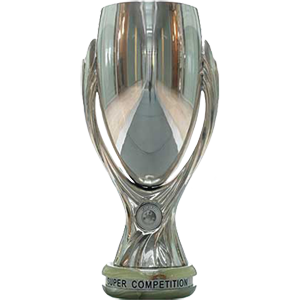
Chelsea beat Real Madrid 1–0 in Monaco to win its first UEFA Super Cup.
Gustavo Poyet scored the decisive goal. Following the Cup Winners’ Cup triumph, the victory added another European trophy to Vialli’s successful opening months as manager.
The first Champions League match
A 3–0 win over Skonto Riga opened Chelsea’s first Champions League campaign in the third qualifying round.
Celestine Babayaro, Gustavo Poyet and Chris Sutton scored late goals. This was a qualifier rather than the group stage. More than four decades after its blocked European Cup entry, Chelsea finally played in Europe’s leading club competition.

Chelsea beaten in Berlin
Hertha beat Chelsea FC 2–1 in the first Champions League group stage, an early high point of their debut campaign.








2000–2009
Di Matteo settles the last FA Cup final at old Wembley
Roberto Di Matteo scored the only goal in the 1–0 win over Aston Villa.
Chelsea won the FA Cup for the third time. This was the competition’s last final at the old Wembley stadium; its replacement is a different physical venue.
Charity Shield victory over Manchester United
Jimmy Floyd Hasselbaink and Mario Melchiot scored in the 2–0 win over Manchester United.
Chelsea won the Charity Shield for a second time, adding to the FA Cup triumph near the end of old Wembley’s life.
The UEFA Cup debut
Chelsea won its first UEFA Cup match 1–0 against St Gallen, with Christian Panucci scoring.
The narrow first-leg victory opened another chapter of the club’s European history, later continued by two Europa League triumphs.
The new West Stand opens in full
The 1–1 draw with Newcastle United opened the season with the completed West Stand in use.
After years of rebuilding, Stamford Bridge had become an all-seater stadium on every side. The modernisation completed a process begun with the East Stand in the 1970s.

Parlour and Ljungberg decide the Cardiff final
Arsenal wins the FA Cup with a 2–0 victory over Chelsea FC.
Ray Parlour and Freddie Ljungberg score at Millennium Stadium while Wembley is being rebuilt. The cup win is the first step towards Wenger’s second Double.
Roman Abramovich takes over Chelsea
Roman Abramovich bought Chelsea from Ken Bates.
New investment transformed the club’s transfer-market resources. Claudio Ranieri’s rebuilding was followed by José Mourinho, and a team centred on John Terry and Frank Lampard became a sustained contender for domestic and European honours.
Chelsea FC return to the McCain Stadium
Chelsea FC returned to the McCain Stadium in the FA Cup. John Terry’s goal gave the Premier League side a 1–0 victory. Scarborough’s run ended in the fourth round, the old club’s best FA Cup stage.

The first Champions League round-of-16 match
VfB play their first Champions League round-of-16 match against Chelsea FC and lose 1-0.
An own goal decides the first leg; Stuttgart are eliminated after a goalless return.

The title at White Hart Lane
 Newcastle United2:1
 Chelsea FCFootball League First Division Match 1 · April 25, 2004 · Location: Newcastle upon Tyne Stadium: St James’ Park
 Tottenham Hotspur2:2Arsenal FCFootball League First Division Match 2 · April 25, 2004 · Location: London
A 2–2 draw at Tottenham Hotspur secures Arsenal’s 2003/04 championship.
Earlier, Chelsea FC loses 2–1 at Newcastle and can no longer overtake Arsenal. Patrick Vieira and Robert Pirès put Arsenal ahead; Tottenham Hotspur’s late equaliser does not alter the title outcome.
The lion badge returns for the centenary
For its centenary, Chelsea returned to a circular badge featuring the rampant lion.
The design revived the tradition of the 1953 emblem and replaced the modern lion introduced in 1986. The centenary version carried anniversary wording, followed by the standard roundel without those additions.
Mourinho’s first trophy
Chelsea beat Liverpool 3–2 after extra time in the League Cup final.
Steven Gerrard’s own goal cancelled an early deficit before Didier Drogba and Mateja Kežman scored in the additional period. José Mourinho won his first Chelsea trophy.
English champions again after 50 years
Frank Lampard’s two goals in the 2–0 win at Bolton Wanderers secured Chelsea’s second English championship and first Premier League title.
Chelsea reached 88 points, beyond Arsenal’s possible maximum of 86. The final totals were 95 points and only 15 goals conceded.
Drogba settles the Community Shield
Didier Drogba scored both goals in the 2–1 win over Arsenal at Cardiff.
The league champions added the Community Shield, beginning the new season with another trophy and confirming their changed standing in English football.

Dani beats Chelsea
Dani’s goal gave Betis a 1–0 Champions League home win over Chelsea.
After a heavy defeat in London, the hosts answered José Mourinho’s side in style. The evening became one of the defining memories of the club’s first Champions League campaign.
The league title is retained
A 3–0 win over Manchester United secured another English championship.
William Gallas, Joe Cole and Ricardo Carvalho scored. Chelsea reached 91 points, while United could achieve no more than 85. Mourinho won league titles in his first two seasons.
League Cup victory over Arsenal
Didier Drogba’s two goals turned the League Cup final against Arsenal into a 2–1 victory.
Chelsea won the competition for a fourth time. The final took place in Cardiff before England’s major finals returned to the new Wembley.

English champions 2006/07
Chelsea’s draw at Arsenal settled the title race.
Ferguson led a reshaped side featuring Cristiano Ronaldo and Wayne Rooney to its first championship since 2003. The success opened another strong European period.
The first FA Cup at the new Wembley
Didier Drogba scored the only goal in extra time against Manchester United.
Chelsea won the first FA Cup final at the newly opened Wembley and completed a domestic cup Double. The new stadium is recorded under its own identity.

Community Shield won 2007
After the 1–1 draw against Chelsea FC, United won the shootout 3–0.
United claimed the trophy.

Woodgate decides the final against Chelsea
Dimitar Berbatov equalised from the penalty spot before Jonathan Woodgate scored in extra time.
Tottenham won its fourth League Cup in the competition’s first final at the new Wembley.
English champions 2007/08
Cristiano Ronaldo and Ryan Giggs scored in the away victory at Wigan.
Chelsea only drew against Bolton on the same day. United retained the championship and soon added the Champions League.
Penalty-shootout heartbreak in Moscow
Chelsea’s first Champions League final ended 1–1 against Manchester United after extra time.
United won the shootout 6–5. John Terry slipped when he could have won the trophy, and Nicolas Anelka later had his kick saved. The defeat became a defining setback before Chelsea’s eventual European triumph.

A shoot-out victory at Stamford Bridge
Burnley held Chelsea to 1–1 after extra time. The club won the penalty shoot-out 5–4. The away victory continued a remarkable League Cup run.
A late exit against Barcelona
Despite Michael Essien’s early goal, Chelsea drew 1–1 with Barcelona.
Andrés Iniesta equalised in stoppage time, sending Barcelona through on the then-applicable away-goals rule after a goalless first leg. Rejected Chelsea penalty appeals made the evening controversial but are not evidence of match manipulation.
FA Cup success under Guus Hiddink
Chelsea beat Everton 2–1 in the FA Cup final.
Didier Drogba and Frank Lampard overturned an early deficit. Guus Hiddink concluded his temporary spell in charge with the club’s fifth FA Cup.
Community Shield won on penalties
After a 2–2 draw with Manchester United, Chelsea won the shootout 4–1.
This Community Shield had no extra time. Carlo Ancelotti began his tenure with a trophy before leading the team into its Double-winning season.








2010–2019
Eight goals secure the championship
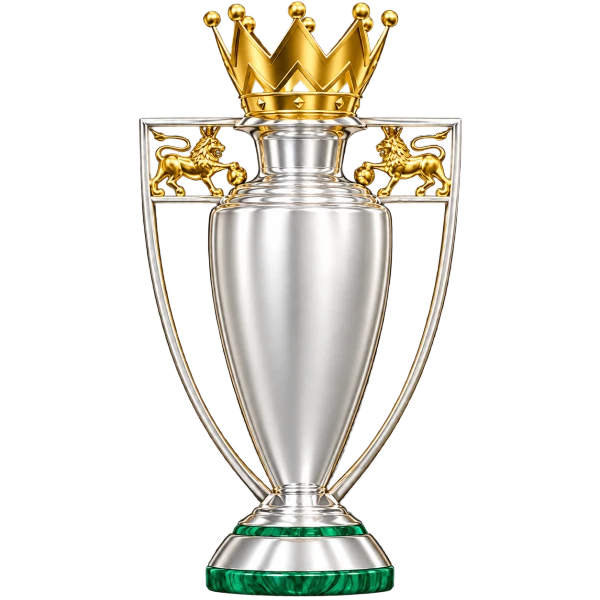
Chelsea beat Wigan Athletic 8–0 on the final day to secure the Premier League title with 86 points, one ahead of Manchester United.
Didier Drogba scored a hat-trick and won the Golden Boot. Ancelotti’s side finished with 103 league goals. The title remained undecided before this match.
The FA Cup completes a first Double
Didier Drogba’s free kick secured a 1–0 FA Cup final win over Portsmouth.
A week after the league championship, Chelsea completed its first league-and-FA-Cup Double. Petr Čech had earlier saved a Portsmouth penalty.

Community Shield won 2010
3:1United won the final against Chelsea FC 3–1.
The success added to the club’s trophy collection.
The turnaround against Napoli
Chelsea overturned a 3–1 first-leg defeat by beating Napoli 4–1 after extra time.
Branislav Ivanović scored the decisive goal for a 5–4 aggregate win. Under newly appointed Roberto Di Matteo, the match transformed a Champions League campaign that had been in danger.
Into the Champions League final with ten men
Chelsea reached the final with a 2–2 draw at Barcelona after a 1–0 first-leg win.
John Terry’s dismissal and a two-goal deficit were followed by Ramires’s goal before half-time. Lionel Messi missed a penalty and Fernando Torres equalised in stoppage time. It became one of the club’s most celebrated nights.
Cissé’s extraordinary goal at Stamford Bridge
Papiss Cissé scored both goals in the away win over Chelsea.
His second, struck with the outside of his foot from the left, was voted Premier League goal of the season. Newcastle later finished fifth.
The seventh FA Cup
Ramires and Didier Drogba scored in the 2–1 FA Cup final win over Liverpool.
Chelsea won the competition for a seventh time. Roberto Di Matteo, a scorer in earlier Chelsea cup triumphs, had stabilised the club and delivered another trophy.
Champions League winners for the first time
1:1a.e.t. · 3:4 on pensChelsea won the Champions League final against Bayern Munich 4–3 on penalties after a 1–1 draw following extra time.
Didier Drogba equalised late and converted the decisive kick; Petr Čech made crucial saves. Although played in Munich, this was an officially neutral final. Chelsea became London’s first European Cup or Champions League winners.

Community Shield 2012: City win the final
City won the final against Chelsea.
The result was 3–2. This added another trophy in the competition.

Falcao’s hat-trick against Chelsea
Falcao scores a first-half hat-trick against Chelsea before Miranda adds another. Atlético win 4–1 in Monaco to claim their second UEFA Super Cup, confirming the side’s growing strength in Europe.
The first Europa League trophy
Chelsea beat Benfica 2–1 in the Europa League final.
Fernando Torres opened the scoring and Branislav Ivanović headed the stoppage-time winner. Under Rafael Benítez, Chelsea recovered from its early Champions League exit to win another European trophy, completing the three major UEFA club cups then in existence.
First UEFA Super Cup
2:2a.e.t. · 5:4 on pensBayern beat Chelsea 5–4 on penalties after a 2–2 draw following extra time.
Javi Martínez equalises late in extra time in Prague. Bayern lift the UEFA Super Cup for the first time.
The fifth League Cup
Chelsea beat Tottenham Hotspur 2–0 in the League Cup final.
John Terry opened the scoring and Kyle Walker’s own goal followed Diego Costa’s shot. José Mourinho won another trophy during his second spell in charge.
Hazard’s goal secures a fifth championship
Eden Hazard scored the decisive goal in the 1–0 win over Crystal Palace after his penalty had initially been saved.
Chelsea reached 83 points, beyond Manchester City’s possible maximum of 82. The side led for much of the season and added the championship to the League Cup.
One event, several perspectives
The title challenge ends at Stamford Bridge
Tottenham surrendered a two-goal lead against Chelsea.
The draw made Leicester champions and ended Tottenham’s title challenge.
 From the history of Leicester City
Leicester City are English champions
Chelsea FC’s 2–2 draw with Tottenham Hotspur on 2 May made Leicester City champions of England for the first time. Tottenham could no longer catch the Foxes.

Relegated again after one season
A 3–0 defeat at Chelsea confirmed relegation. The Premier League return lasted one season. Middlesbrough had scored too rarely despite a comparatively solid defence.
Conte’s side wins the championship
Michy Batshuayi scored the only goal at West Bromwich Albion.
Chelsea reached 87 points, beyond Tottenham’s maximum of 86. Antonio Conte had reshaped the team around a back three after a poor previous season. The final totals were 93 points and 30 wins.
Wenger’s seventh FA Cup and Arsenal’s thirteenth
Arsenal wins the FA Cup final 2–1 against Chelsea FC.
Aaron Ramsey scores the winner soon after Chelsea FC equalises. Arsène Wenger reaches seven FA Cup victories as manager and Arsenal extends its club record to 13.

Chelsea victory ends the historic false start
Palace beat reigning champions Chelsea 2–1.
They have previously lost seven league matches without scoring. The first league victory under Roy Hodgson ends the record start and provides the turning point for eventual survival.
Hazard settles the eighth FA Cup
Eden Hazard’s penalty secured a 1–0 FA Cup final win over Manchester United.
Chelsea lifted the trophy for an eighth time. The victory concluded Antonio Conte’s second and final season in charge.

Community Shield 2018: City win the final
0:2City won the final against Chelsea.
The result was 2–0. This added another trophy in the competition.
League Cup 2019: City win the final
0:0a.e.t. · 3:4 on pensCity won the final against Chelsea.
The result was 0–0 after extra time. City won the shoot-out 4–3. This added another trophy in the competition.

Denied a European final on penalties
1:1a.e.t. · 4:3 on pensAfter two 1–1 draws, Eintracht lose their Europa League semi-final against Chelsea on penalties.
Frankfurt’s European journey ends at Stamford Bridge.
Four goals win a second Europa League
Chelsea beat Arsenal 4–1 in the Europa League final in Baku.
Olivier Giroud and Pedro scored before Eden Hazard added two goals. Maurizio Sarri’s team completed an unbeaten campaign in the competition. It was Hazard’s last Chelsea appearance before joining Real Madrid.

A fourth UEFA Super Cup
2:2a.e.t. · 5:4 on pensLiverpool won the UEFA Super Cup.
Following a 2–2 draw against Chelsea, Liverpool won the shootout 5–4.








2020–2029
English champions again after 30 years
Manchester City’s 2–1 defeat at Chelsea secured Liverpool’s first Premier League title and 19th English championship.
Liverpool had 86 points and City could reach no more than 84 from seven remaining fixtures. The decision came in the season resumed after the pandemic interruption, without Liverpool playing that day.

A 3–0 victory over Chelsea
Two goals from David McGoldrick and one from Oli McBurnie bring a decisive home win over Chelsea. Following their Premier League return, the Blades demonstrate that they can compete with the leading clubs.
Arteta’s first trophy: a fourteenth FA Cup
Two Pierre-Emerick Aubameyang goals give Arsenal a 2–1 final victory over Chelsea FC.
The pandemic-delayed FA Cup final takes place without spectators. Mikel Arteta wins his first trophy as Arsenal manager and the club extends its cup record to 14 wins.
English champions 2020/21
1:2Manchester United’s defeat by Leicester made City unreachable.
The title was decided in another club’s match, rather than City’s later season finale.
First FA Cup title
After four losing finals Leicester City won the FA Cup for the first time. Youri Tielemans scored the winner in a 1–0 victory over Chelsea FC at the new Wembley Stadium.
The second Champions League title
0:1Kai Havertz scored the only goal in the 1–0 win over Manchester City in Porto.
Thomas Tuchel had taken over in January and built a defensively strong team that reached the title. N’Golo Kanté excelled in midfield as Chelsea won the Champions League for a second time.
Kepa helps win a second Super Cup
After a 1–1 draw with Villarreal following extra time, Chelsea won the shootout 6–5.
Tuchel brought on Kepa Arrizabalaga for Édouard Mendy shortly before the penalties. Kepa saved two kicks as Chelsea won its second UEFA Super Cup.
FIFA club world champions for the first time
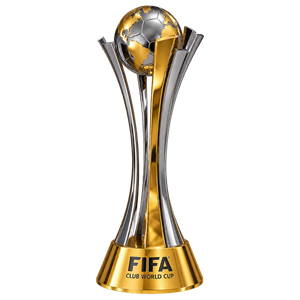
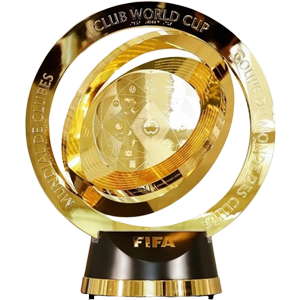
Chelsea beat Palmeiras 2–1 after extra time in the final.
Romelu Lukaku opened the scoring and Kai Havertz converted the decisive extra-time penalty. This was the postponed 2021 edition, played in Abu Dhabi in February 2022. Chelsea won the FIFA Club World Cup for the first time.
Eleven penalties bring a ninth League Cup
0:0a.e.t. · 10:11 on pensAfter 120 goalless minutes, Liverpool converted all eleven penalties against Chelsea.
The 11–10 shootout win brought a ninth League Cup.
Sanctions and a special operating licence
UK sanctions against Roman Abramovich placed Chelsea under extensive financial restrictions.
A special licence allowed fixtures and essential payments to continue. The club faced a forced ownership transition, despite its recent sporting success.

Four goals at Stamford Bridge
Brentford respond to Chelsea’s opening goal with four of their own to win 4–1 away.
Vitaly Janelt scores twice, Christian Eriksen gets his first Bees goal and Yoane Wissa adds the fourth. The derby becomes a defining match of the first Premier League season.
The FA Cup is also won on penalties
0:0a.e.t. · 5:6 on pensThe final against Chelsea again remained goalless after extra time.
Liverpool won the shootout 6–5 and added an eighth FA Cup to the League Cup.
Boehly and Clearlake complete the takeover
The sale to the investment group led by Todd Boehly and Clearlake Capital was completed.
It ended Abramovich’s ownership after almost 19 years. The new leadership invested heavily and increasingly recruited young players, with initially uneven sporting results.
Chelsea overturns the League Cup semi-final
Middlesbrough won the first leg 1–0 through Hayden Hackney’s goal. At Stamford Bridge, Chelsea won 6–1. Boro’s run ended with a 6–2 aggregate defeat.
Van Dijk settles the tenth League Cup
Virgil van Dijk scored the late extra-time winner against Chelsea.
A side affected by absences and featuring several young players won a tenth League Cup and the final major trophy under Jürgen Klopp.
The Conference League debut
Chelsea won its first Conference League match 2–0 against Servette.
Christopher Nkunku and Noni Madueke scored in the qualifying play-off. Enzo Maresca’s side began its route towards another European trophy.
Cole Palmer scores four before half-time
Cole Palmer scored all four Chelsea goals before half-time in the 4–2 win over Brighton.
He became the first player to score four goals in the first half of a Premier League match. His creativity and finishing helped shape the revival under Maresca.

Chelsea visit the Schlossberg
Chelsea bring a major European name to the Voith-Arena.
Heidenheim lose the Conference League match 2-0 but test the favourites with several good chances. Christopher Nkunku and Mykhailo Mudryk score after the break, while Chelsea goalkeeper Filip Jørgensen keeps Heidenheim out. The occasion is a highlight of FCH’s first European campaign. The league phase includes no return fixture against Chelsea at Stamford Bridge.

Champions League qualification despite a home defeat
0:12:00:1Newcastle lost to Everton but qualified for the Champions League again.
Aston Villa lost at Manchester United, and Nottingham Forest lost to Chelsea. Newcastle stayed fifth on 66 points, ahead of Villa on goal difference.
Conference League victory completes the UEFA trophy set
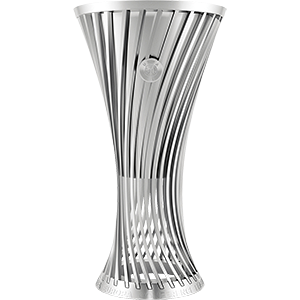
Chelsea came from behind to beat Real Betis 4–1 in the Conference League final.
Enzo Fernández, Nicolas Jackson, Jadon Sancho and Moisés Caicedo scored. Chelsea became the first club to win the Champions League, Europa League, Cup Winners’ Cup, Conference League and UEFA Super Cup. It was the first European trophy under the new ownership.
World champions in the new 32-team tournament
Chelsea beat Paris Saint-Germain 3–0 in the final of the redesigned FIFA Club World Cup.
Cole Palmer scored twice and set up João Pedro’s goal. Maresca’s team won the first edition of the expanded 32-team tournament. This title is distinct from the victory in the postponed 2021 edition.

Chelsea ends the latest FA Cup run
Leeds reached the FA Cup semi-final for the first time since 1987.
Farke’s side lost 1–0 to Chelsea at Wembley, with Enzo Fernández scoring the only goal. The run complemented a successful first season back in the Premier League but did not deliver a first FA Cup final since 1973.
Manchester City wins the FA Cup final
Chelsea lost the FA Cup final 1–0 to Manchester City.
Antoine Semenyo’s goal settled the match at Wembley. After a season with several managerial changes, a ninth FA Cup remained out of reach. Xabi Alonso subsequently took charge for 2026/27.

Seventh place brings the Europa League
1:10:32:1A 2–1 win over Chelsea FC, together with the necessary parallel results, secured seventh place and Europa League qualification.
Brentford FC drew 1–1 at Liverpool FC, while Brighton lost 3–0 to Manchester United. Following promotion, Sunderland qualified for Europe for the first time since its 1973 cup triumph. These matches were Premier League fixtures.
Circle and USDC become principal partners
Chelsea announced Circle Internet Group as its new principal partner from 2026/27.
The Circle and USDC brands appear on the front of the men’s team shirts. Nike remains the kit supplier.
Clearlake announces a move to full control
Chelsea announced that Clearlake would acquire Todd Boehly’s and Mark Walter’s ownership interests.
Boehly left his role as chairman, while the statement said Hansjörg Wyss would remain an important stakeholder. The announced transaction would give Clearlake full control, with no change to day-to-day operations.