


The history of Everton FC
Milestones and background from the club's history, in chronological order.
Categories
Competitions
Nicknames through the years Three names tell a story of near misses, late goals and an unbeaten season. Read the storiesClose the stories
1870–1879
The roots at St Domingo’s
A football team emerged from the St Domingo Methodist congregation in 1878 as a winter counterpart to cricket.
Its first ground was in Stanley Park. Priory Road and later Anfield followed as the sporting community developed into today’s Everton.
St Domingo’s becomes Everton
The name Everton was adopted in November 1879 as people beyond the church congregation wished to join.
The new name referred to the Liverpool district. This was a renaming of the existing club rather than a merger or a new legal foundation.
1880–1889
A founder member of the Football League
Everton was one of the twelve founder members of the Football League and won its first league match 2–1 against Accrington at its then home, Anfield.
The opposition was the original Accrington FC, distinct from the later Accrington Stanley. This began Everton’s league football history.

1890–1899
The first English championship
 Sunderland AFC3:0
 Preston North EndFootball League First Division Match 2 · March 14, 1891 · Location: Sunderland Stadium: Newcastle Road
Everton lost its final match 3–2 at Burnley but still became champions for the first time.
Preston North End’s simultaneous 3–0 defeat at Sunderland ended its title challenge. Under the two-points-for-a-win system, Everton finished with 29 points to Preston’s 27.
Goodison Park becomes the new home
After the dispute with John Houlding, Everton left Anfield for the newly built Goodison Park.
The opening ceremony on August 24 was followed by a 4–2 win over Bolton Wanderers on September 1. Liverpool was subsequently established as a separate club at Anfield, not as Everton’s sporting successor.

Football League football at the Town Ground
 Everton FC2:2Nottingham ForestFootball League First Division Match 1 · September 3, 1892 · Location: Liverpool Stadium: Goodison ParkNottingham Forest3:4
 StokeFootball League First Division Match 2 · September 10, 1892 · Location: Nottingham Stadium: Town Ground
After winning the Football Alliance in 1891/92, Forest joined the expanded Football League in 1892. A 2–2 draw at Everton on September 3 was followed a week later by their first league home game, a 4–3 defeat to Stoke at the Town Ground.
Forest entered the First Division and finished their opening season tenth.
The first FA Cup final
Everton reached its first FA Cup final and lost 1–0 to Wolverhampton Wanderers.
The overcrowded Fallowfield Stadium in Manchester hosted the showpiece only once. The following year’s final was played at Goodison Park, without Everton.
The first Merseyside league derby
Everton won the first league meeting with Liverpool 3–0 at Goodison Park.
The match brought together two separate neighbouring clubs after the Anfield split. It became the foundation of one of English football’s defining rivalries.
Three titles in four seasons
Sunderland beat nearest challengers Everton FC 2–1 to claim a third English championship.
Its final league total of 47 points could no longer be matched. The success confirmed the standing of a side whose influential core included many Scottish players.

The league debut at Burnden Park
A 3–1 win over Everton was Wanderers’ first league match at Burnden Park. Following a benefit match against Preston a few days earlier, it began the league history of a ground that would be the club’s home for more than a century.
Another narrow cup final defeat
Everton lost its second FA Cup final 3–2 to Aston Villa.
All five goals came before half-time. Defeat at Crystal Palace postponed Everton’s first cup triumph, while Villa completed the league and FA Cup double.


1900–1909

A first relegation from the First Division
A 2–1 defeat by Everton confirms West Bromwich Albion’s first relegation from the First Division. Two remaining games cannot bridge the gap to safety. The first season at The Hawthorns eventually ends with the club bottom of the table.
Back in the Second Division after two years
A 4–0 defeat at Everton confirms West Bromwich Albion’s next relegation. With only one match remaining, safety is beyond reach. The two-year return to the top division ends with another bottom-place finish.

A successful title defence
Manchester City lost their final match of the season 1–0 at Everton FC. The result left The Wednesday beyond reach at the top with a game of their own still to play.
The first FA Cup triumph
Alex “Sandy” Young scored the only goal in the 1–0 final victory over Newcastle United.
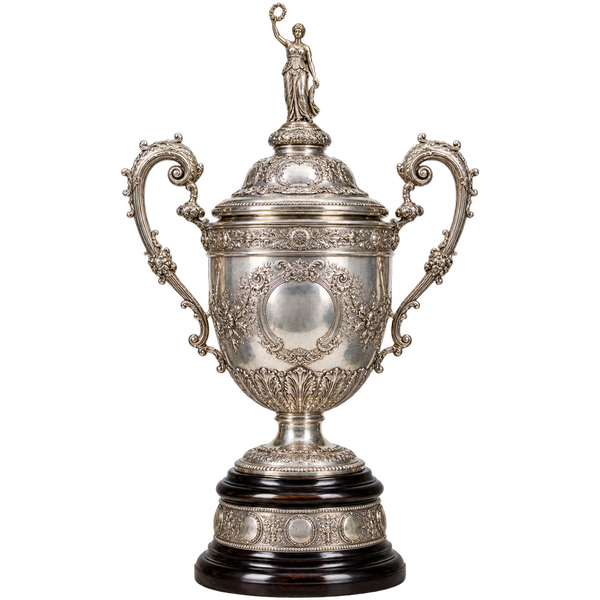
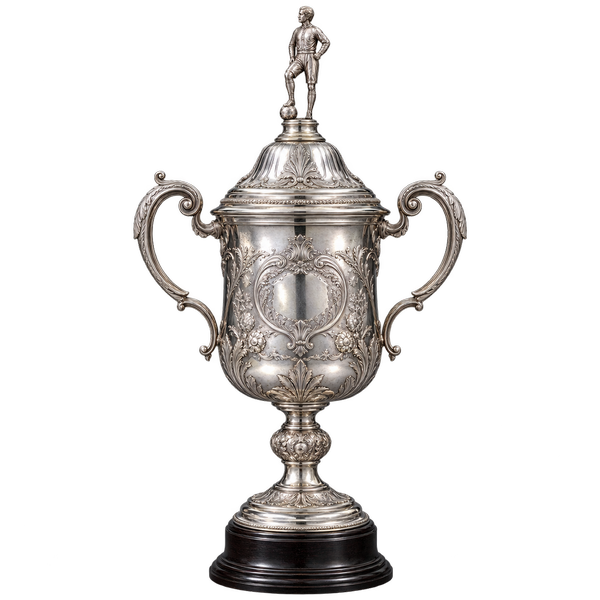
Everton won the FA Cup at its third attempt in the final. The triumph at the original Crystal Palace sports ground added a first major cup to the 1891 league title.

A second championship
Newcastle United0:0 Sheffield UnitedFootball League First Division Match 1 · April 13, 1907 · Location: Newcastle upon Tyne Stadium: St James' Park
The goalless home match against Sheffield United secured Newcastle’s second championship.
Everton’s defeat at Derby also ended the last challenger’s chances. Newcastle had 51 points before its final league game.
The cup defence ends in the final
A year after its first cup triumph, Everton returned to the final.
The holders lost 2–1 to The Wednesday, now The Wednesday. Jack Sharp’s equaliser was not enough to retain the trophy.
Three championships in five years
A 3–0 win over Everton confirmed a third English championship.
Newcastle beat a direct challenger and could no longer be caught with four league games still remaining. The Edwardian era of success reached its peak.


1910–1919

An away win cannot prevent relegation
Everton FC1:1 Middlesbrough FCFootball League First Division Match 3 · April 16, 1910 · Location: Liverpool Stadium: Goodison Park
Bolton won 2–1 at Bury but could reach only 28 points. Bristol’s 1–0 win over Chelsea, Middlesbrough’s 1–1 draw at Everton and Tottenham’s 1–1 draw with Arsenal left no route to survival.
Chelsea and Tottenham still had to play each other. Both could therefore not finish at or below Bolton’s maximum of 28 points. Wanderers’ own victory could not prevent an immediate return to the Second Division.

The first top-flight spell ends
A 1–0 defeat by Everton confirmed relegation after five seasons in the First Division.
A final point confirms the second title
Everton’s 2–2 draw with Chelsea mathematically confirmed its second championship.
Liverpool had beaten Oldham 2–0 two days earlier, leaving Everton effectively champion on goal average but still with its final match to play. The last point took Everton to 46 against Oldham’s 45 before the First World War suspended regular league football.


1920–1929

English champions for the first time
A 1–1 draw at Everton secured Burnley’s first English championship. After losing its opening three matches, the team put together a thirty-match unbeaten league run. John Haworth’s side crowned an exceptional season.
The third title is secured before the record match
Aston Villa’s 3–0 win over Huddersfield Town ended the challenger’s remaining title hopes.
Everton was therefore already champion before the final match against Arsenal. Dixie Dean’s goalscoring record the following Saturday was a separate event, rather than the title-clinching day.
Dixie Dean reaches 60 league goals
Dixie Dean scored a hat-trick in the 3–3 draw with Arsenal to finish the season with 60 league goals.
The extraordinary record reflected both his finishing and the supply from teammates, particularly Alec Troup. Everton had secured the championship three days earlier.
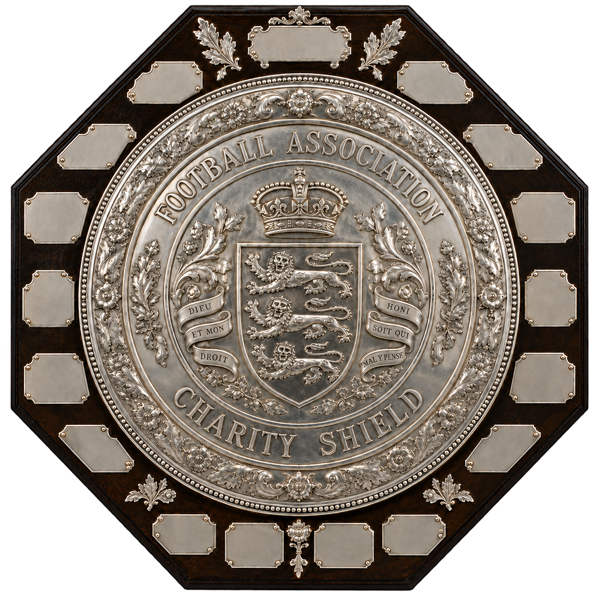
A first Charity Shield
The league champions beat FA Cup holders Blackburn Rovers 2–1 at neutral Old Trafford.
Dixie Dean scored both Everton goals. The first Charity Shield complemented the championship and his historic 60-goal season.


1930–1939
A first relegation despite a 4–1 win
Newcastle United1:0 West Ham UnitedFootball League First Division Match 3 · May 3, 1930 · Location: Newcastle upon Tyne Stadium: St James' Park
Everton won its final match 4–1 against Sunderland but was relegated to the Second Division for the first time.
Simultaneous wins by Sheffield United, Newcastle and Burnley meant 35 points could no longer secure a place above the bottom two. Just two years after winning the championship, the team faced a sporting rebuild.
Promotion and the Second Division title
Everton FC4:2 Bradford (Park Avenue)Football League Second Division Match 1 · April 4, 1931 · Location: Liverpool Stadium: Goodison Park
 Port Vale3:0
 Tottenham HotspurFootball League Second Division Match 2 · April 4, 1931 · Location: Stoke-on-Trent Stadium: Old Recreation Ground
The 4–2 win over Bradford (Park Avenue), together with Port Vale’s 3–0 victory over Tottenham, secured Everton’s return to the First Division and the Second Division championship.
Dixie Dean scored twice. With five matches still to play, promotion was settled; the final totals were 61 points and 121 league goals.
From promoted club to English champions
Dixie Dean’s goal in the 1–0 win over Bolton Wanderers secured Everton’s fourth English championship.
Everton reached 55 points, beyond Arsenal’s possible maximum of 54. Relegation and the Second Division title had been followed immediately by the First Division crown.
Eight goals in the Charity Shield
Everton won the Charity Shield 5–3 at Newcastle United.
The competition was then still staged during the league season. The reigning league champions added a second Shield success to their honours.
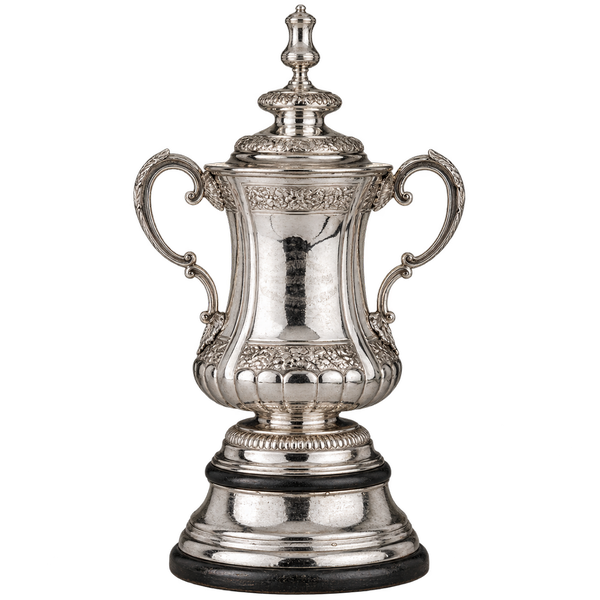
A second FA Cup
Everton beat Manchester City 3–0 in the Wembley final through goals from Jimmy Stein, Dixie Dean and Jimmy Dunn.
After the Second Division title in 1931 and the league championship in 1932, the team completed an exceptional sequence of three different major seasonal achievements.
Five goals are not enough for survival
Bolton were relegated despite beating Leeds United 5–0. Leicester’s 6–2 win over West Bromwich and Wolverhampton’s 4–2 victory over Everton took both rivals to 35 points, while Wanderers finished on 33.

Victory cannot prevent the first relegation
 Everton FC4:3
 Birmingham FCFootball League First Division Match 2 · April 25, 1936 · Location: Liverpool Stadium: Goodison Park
Rovers won 4–2 at Aston Villa but could finish on only 35 points. Everton’s 4–3 win over Birmingham and West Bromwich Albion’s 2–2 draw at Brentford removed the final chance of survival.
Rovers had belonged to the top division since the Football League was founded. A first second-tier era now began. A strong performance in the penultimate league game could not repair the damage of the wider season.
Theo Kelly’s crest connects club and district
The board approved new club ties featuring Theo Kelly’s crest.
Everton Lock-up, two laurel wreaths and the motto “Nil Satis Nisi Optimum” connected the club to its origins and ambitions. The emblem initially appeared on ties and club publications rather than immediately on playing shirts.
Champions after Wolverhampton drops a point
Everton lost 2–1 at Charlton Athletic but secured its fifth championship.
Wolverhampton Wanderers simultaneously drew 0–0 at Bolton and could no longer catch Everton. Tommy Lawton led the attack of the side crowned champions before another wartime suspension.





1950–1959
A second relegation after the war
A 6–0 defeat at Sheffield Wednesday confirmed Everton’s second relegation from the First Division.
Wednesday also went down, while Everton finished bottom. The club spent the following three seasons in the Second Division.

Back in the First Division
Sheffield United3:1 West Ham UnitedFootball League Second Division Match 1 · April 18, 1953 · Location: Sheffield Stadium: Bramall LaneEverton FC1:1
 Luton TownFootball League Second Division Match 2 · April 18, 1953 · Location: Liverpool Stadium: Goodison Park
A 3–1 win over West Ham United and Luton’s 1–1 draw at Everton secure promotion. United have 58 points and Luton can reach only 57. Huddersfield are the only remaining side capable of finishing above the Blades.
A return to the First Division
Cliff Britton’s Everton secured promotion with a 4–0 win at Oldham Athletic.
The two points put the team above Blackburn Rovers into second place behind Leicester City. Three Second Division seasons ended, and Everton remained in the top flight after this return.

Another setback in the yo-yo years
A 2–2 draw at Bolton left Wednesday able to reach no more than 30 points. Wins for Blackpool at Burnley FC and Newcastle at Everton FC confirmed another relegation.

Nicholson begins with ten goals against Everton
Bill Nicholson’s first match as manager ended in an extraordinary 10–4 win.
The former championship-winning player went on to shape the club’s most successful era.

The long top-flight stay ends
After a 3–2 home defeat by Everton, Portsmouth could no longer avoid relegation. The club left the First Division after an uninterrupted stay dating back to 1927.


1960–1969
Catterick’s side ends the long wait
Harry Catterick’s team won Everton’s sixth championship with a 4–1 victory over Fulham.
Roy Vernon scored three goals and Alex Young one. The side finished with 61 points, ending a 24-year wait and returning the league trophy to Goodison Park.
Four goals against Manchester United
Everton beat Manchester United 4–0 in the Charity Shield at Goodison Park.
The league champions confirmed their resurgence against the FA Cup holders. It was the club’s third success in the competition.
A European Cup debut
Everton’s first European Cup match ended in a goalless draw against Inter Milan.
A 1–0 defeat in the return leg brought an early exit. Inter went on to win the competition, placing Everton’s debut against one of the defining European sides of the era.
From 2–0 down to cup winners
Everton recovered from 2–0 down to beat Sheffield Wednesday 3–2 in the FA Cup final.
Mike Trebilcock scored twice and Derek Temple supplied the winner. The club’s third FA Cup became a defining Wembley comeback.
A hat-trick against Everton
Ian Storey-Moore scored all three Forest goals in the 3–2 FA Cup quarter-final victory over Everton on April 8, 1967. Watched by 47,510 spectators, the win took Forest into the semi-finals.
Johnny Carey’s team also finished league runners-up to Manchester United, their best league placing to that point.
The final is decided in extra time
Everton lost the FA Cup final 1–0 to West Bromwich Albion after extra time.
Jeff Astle scored the decisive goal. Two years after the cup triumph, Harry Catterick’s side narrowly missed another FA Cup.


1970–1979
The Holy Trinity leads a seventh championship
The 2–0 win over West Bromwich Albion secured Everton’s seventh championship.
Alan Whittle and Colin Harvey scored. The midfield of Alan Ball, Howard Kendall and Harvey became celebrated as the “Holy Trinity”; the team eventually finished with 66 points.
Charity Shield victory over Chelsea
Everton beat Chelsea 2–1 at Goodison Park.
The league champions won the Charity Shield for a fourth time. The victory complemented the championship won by Harry Catterick’s side.

Carr and Hunt’s famous free kick
The famous “donkey kick” goal comes in a 3–1 victory over Everton.
Willie Carr lifts the ball with both feet and Ernie Hunt volleys it home. The unusual free-kick routine becomes one of the club’s most celebrated moments.
Three matches to decide the League Cup final
 Aston Villa0:0
 Everton FCFootball League Cup Match 1 · March 12, 1977 · Location: London Stadium: Wembley Stadium (1923–2003) Neutral venueAston Villa1:1a.e.t.Everton FCFootball League Cup Match 2 · March 16, 1977 · Location: Sheffield Stadium: Hillsborough Stadium Neutral venueAston Villa3:2a.e.t.Everton FCFootball League Cup Match 3 · April 13, 1977 · Location: Manchester Stadium: Old Trafford Neutral venue
After a 0–0 draw at Wembley and a 1–1 draw after extra time at Hillsborough, the second replay finally decided the tie.
Everton lost 3–2 after extra time to Aston Villa at Old Trafford. All three matches form one final series rather than three separate finals.
One event, several perspectives

Two results seal relegation
Sunderland lost 2–0 at Everton FC and went down after one season.
The other necessary result was Coventry’s 2–2 draw with Bristol City. Their match had started later and continued after Sunderland’s final whistle. Its final score completed the decision in favour of both rivals.
 From the history of Bristol City
The Highfield Road draw
A 2–2 draw at Coventry secured Bristol City’s survival. With the match having kicked off late, news arrived of Everton’s 2–0 win over Sunderland. The draw ultimately kept both City and Coventry in the top flight.


1980–1989
Farewell to Dixie Dean
Dixie Dean died from a heart attack while attending the Merseyside derby at Goodison Park.
The record-breaking striker was 73. His connection with Everton extended far beyond the 60-goal season, and the derby result receded in importance beside his death.

The championship era ends in relegation
 Everton FC2:0
 Southampton FCFootball League First Division Match 1 · April 26, 1980 · Location: Liverpool Stadium: Goodison Park
 Stoke City1:0
 Brighton & Hove AlbionFootball League First Division Match 2 · April 26, 1980 · Location: Stoke-on-Trent Stadium: Victoria Ground
Everton’s win over Southampton and Stoke’s victory over Brighton made Derby’s relegation certain. Five years after its second championship County lost its top-flight place. The club had to rebuild in the Second Division.

A winning start in the top flight
Watford beat Everton 2–0 in their first-ever First Division match, carrying the momentum of their rise into the top flight.
Liverpool wins the League Cup replay
 Liverpool FC0:0a.e.t.
 Everton FCFootball League Cup Match 1 · March 25, 1984 · Location: London Stadium: Wembley Stadium (1923–2003) Neutral venueLiverpool FC1:0Everton FCFootball League Cup Match 2 · March 28, 1984 · Location: Manchester Stadium: Maine Road Neutral venue
After a 0–0 draw at Wembley, Everton lost the League Cup final replay 1–0 to Liverpool at Maine Road.
Howard Kendall’s first major final ended without a trophy. The breakthrough in the FA Cup followed only weeks later.
Kendall’s first major trophy
Everton beat Watford 2–0 in the FA Cup final through goals from Graeme Sharp and Andy Gray.
The fourth FA Cup ended a long wait and opened the most successful period of Howard Kendall’s rebuilt side.
A Merseyside Charity Shield triumph
Everton beat Liverpool 1–0 at Wembley.
A Bruce Grobbelaar own goal decided the Charity Shield. After the FA Cup, it was another trophy for Howard Kendall’s side.
The fall into the Second Division
Stoke City0:2Everton FCFootball League First Division Match 1 · April 20, 1985 · Location: Stoke-on-Trent Stadium: Victoria GroundA 2–0 defeat by Everton leaves Stoke with a maximum of 38 points. Away wins for Ipswich and West Ham simultaneously take those clubs beyond that figure, confirming relegation. Stoke finish the season with only 17 points and three victories.
The European night against Bayern
Everton overturned a deficit against Bayern Munich to win 3–1 and reach its first European final.
Graeme Sharp, Andy Gray and Trevor Steven scored after the break. Following a goalless first leg, the Goodison Park night became a landmark in the club’s history.
Kendall wins the championship
The 2–0 win over Queens Park Rangers secured Everton’s eighth championship with five matches remaining.
Derek Mountfield and Graeme Sharp scored. The team eventually finished on 90 points and added a European trophy to its domestic success.
The first European trophy
Everton beat Rapid Vienna 3–1 in the Cup Winners’ Cup final in Rotterdam.
Andy Gray, Trevor Steven and Kevin Sheedy scored. The victory at De Kuip crowned the outstanding 1984/85 season alongside the English championship.
A third major trophy proves elusive
Three days after the European triumph, Everton lost the FA Cup final 1–0 to Manchester United after extra time.
Norman Whiteside scored the winner for opponents already reduced to ten men. Everton nevertheless ended the season as league champions and European cup winners.
Charity Shield revenge
Everton beat Manchester United 2–0 at Wembley through goals from Trevor Steven and Adrian Heath.
The Charity Shield added another trophy and a victory against the side that had won the FA Cup final.

The Boys of ’86 finish third
West Ham United complete their best top-flight season in third place with 84 points. Frank McAvennie and Tony Cottee spearhead John Lyall’s attack. A closing 3–1 defeat at Everton cannot diminish an outstanding campaign in the club’s history.
Liverpool wins the Merseyside cup final
Despite Gary Lineker’s opening goal, Everton lost the FA Cup final 3–1 to Liverpool.
Having narrowly missed the league title, the team also finished behind its neighbours in the cup. The first FA Cup final between the clubs completed Liverpool’s double.
The Charity Shield is shared
Everton and Liverpool drew 1–1 in the Charity Shield, with Adrian Heath scoring for Everton.
Under the rules then in force there was neither a penalty shoot-out nor a replay. The two clubs shared the trophy.
The one-off Football League Super Cup
Everton FC1:4Liverpool FCFootball League Super Cup Second leg · September 30, 1986 · Location: Liverpool Stadium: Goodison ParkLiverpool won the only Football League Super Cup with a 7–2 aggregate victory over Everton.
The competition had been created after English clubs’ exclusion from European football, and the finals of the 1985/86 edition were delayed until September 1986. It is distinct from the UEFA Super Cup.
The ninth English championship
Pat van den Hauwe’s goal in the 1–0 win at Norwich City secured Everton’s ninth championship.
Howard Kendall won the league for the second time in three years. The team eventually reached 86 points; this remained Everton’s most recent English championship at the October 2026 review.
Another Shield for the champions
Everton beat Coventry City 1–0 in the Charity Shield through Wayne Clarke’s only goal at Wembley.
After Kendall’s departure, new manager Colin Harvey immediately won a trophy.
Seven goals in the Full Members’ Cup final
Everton lost the Full Members’ Cup final, then branded the Simod Cup, 4–3 to Nottingham Forest after extra time.
Tony Cottee scored twice and Graeme Sharp once. It was a separate competition, distinct from both the FA Cup and the League Cup.
A second Merseyside FA Cup final
Everton lost the FA Cup final 3–2 to Liverpool after extra time.
Stuart McCall scored twice to take the contest into the additional period. Only weeks after the Hillsborough disaster, the final also carried the shared grief of both sets of supporters.





1990–1999

Everton FC is beaten at the third attempt
Oldham and Everton FC contest three matches in the FA Cup fifth round. A 2–2 draw and a 1–1 extra-time draw are followed by Oldham’s 2–1 extra-time victory. Ian Marshall settles the second replay from the penalty spot.
Crystal Palace wins the Zenith Data Systems Cup
Everton returned to the Full Members’ Cup final, now branded the Zenith Data Systems Cup.
Crystal Palace won 4–1 after extra time. Robert Warzycha’s goal had brought the score to 1–1 after normal time.

The first Premier League spell is brief
Sheffield United won 2–0 at Everton. Middlesbrough could no longer catch enough clubs to survive. Its first Premier League season ended in relegation.

Efan Ekoku makes Premier League history
Efan Ekoku scores four times in Norwich’s 5–1 win at Everton FC. He becomes the first player to score four goals in a Premier League match.
The escape against Wimbledon
Everton recovered from 2–0 down to beat Wimbledon FC 3–2, with two goals from Graham Stuart and one from Barry Horne.
Chelsea’s late 3–2 victory over Sheffield United completed the escape. The Goodison opponents were the original Wimbledon FC, not AFC Wimbledon.

Everton’s victory confirms relegation
Everton’s 2–0 win over Newcastle confirmed Ipswich’s relegation.
The Premier League was reduced from 22 to 20 teams that summer, requiring four clubs to leave the top flight.
Joe Royle wins the fifth FA Cup
Paul Ridout scored the only goal in the 1–0 FA Cup final win over Manchester United.
Joe Royle had taken charge in a difficult sporting situation and now delivered Everton’s fifth FA Cup. It remained the club’s most recent major domestic cup at the October 2026 review.
A ninth Charity Shield success
Vinny Samways scored the only goal in the 1–0 win over Blackburn Rovers.
Everton won the Charity Shield for a ninth time, including the shared 1986 award. Joe Royle’s side added the trophy to its May FA Cup victory.

The new home at Horwich
A goalless draw with Everton began the home era at the Reebok Stadium. The new ground at Horwich replaced Burnden Park and gave Bolton a modern all-seater stadium.

Tony Adams seals the title
Arsenal secures the league championship with a 4–0 victory over Everton FC.
Tony Adams scores the final goal after advancing from defence. Arsène Wenger wins the title in his first full season, with Manchester United no longer able to catch Arsenal mathematically.
Survival on goal difference
Everton drew 1–1 with Coventry City and stayed in the Premier League on goal difference.
Chelsea’s 2–0 win over Bolton Wanderers provided the necessary parallel result. Everton and Bolton finished on 40 points each, with Everton ahead on goal difference.

Pahars completes the great escape
Marian Pahars scored both goals in a 2–0 win over Everton. Southampton secured survival on the final day after three consecutive victories transformed their precarious position.





2000–2009
Wayne Rooney steps into the spotlight
Sixteen-year-old Wayne Rooney scored the late winner in a 2–1 victory over Arsenal.
His first Premier League goal ended Arsenal’s long unbeaten league run. Everton was also beginning a sporting rebuild under David Moyes.
Liverpool’s defeat confirms fourth place
Liverpool’s 3–1 defeat at Arsenal made Everton’s fourth place mathematically certain.
Everton had beaten Newcastle 2–0 the previous day. David Moyes’ side qualified for the Champions League third qualifying round rather than directly for the group stage.
The first Champions League qualifier
Everton’s first match in the Champions League era ended in a 2–1 home defeat by Villarreal.
A 3–1 second-leg defeat ended the campaign in the third qualifying round. Everton therefore did not reach the Champions League group stage; its earlier appearances belonged to the European Cup.

Gary McDonald settles the Goodison tie
Gary McDonald’s long-range strike earns a 1–0 victory at Everton FC in the FA Cup third round. Oldham once again eliminates a Premier League club.
The European comeback ends on penalties
Andy Johnson and Mikel Arteta scored to cancel Fiorentina’s 2–0 first-leg advantage.
The return match remained 2–0 after extra time before Fiorentina won the penalty shoot-out 4–2. David Moyes’ UEFA Cup campaign ended in the round of sixteen.

Seventh place brings Europe
Despite a 2–0 home defeat to Everton, Fulham remained seventh.
Tottenham’s simultaneous 3–1 loss at Liverpool confirmed the final Europa League place available through the league. It was Fulham’s best top-flight finish and the starting point for the following European run.
Saha’s lightning start is not enough
Louis Saha put Everton ahead after only 25 seconds in the FA Cup final.
Didier Drogba and Frank Lampard turned the match around for Chelsea, which won 2–1. David Moyes’ side missed the trophy despite the record-breaking opening goal.


2010–2019

Smith forces a replay against Everton FC
Matt Smith heads a late equaliser for a 2–2 draw against Everton FC, forcing an FA Cup fifth-round replay. The run then ends with a 3–1 defeat at Goodison Park.
Supporter protest forces a new crest decision
The simplified 2013 crest omitted the laurel wreaths and club motto.
Following strong criticism, Everton apologised and promised supporter involvement in the next design. The version already in production remained in use for 2013/14.
The motto and laurel wreaths return
Following supporter consultation, Everton introduced a new crest for 2014/15 with the Lock-up, laurel wreaths and “Nil Satis Nisi Optimum” motto restored.
The name and founding year were integrated into the shield. This basic design remained in use when the club moved to Liverpool’s waterfront.

A match in Liverpool opens Europe
Manchester City’s 3–2 win at Everton guaranteed Arsenal a top-four Premier League finish.
Hull City, Arsenal’s FA Cup final opponents, consequently secured a Europa League place regardless of the later final result. The decision was therefore made at Goodison Park rather than in the final itself.

A victory cannot prevent relegation
0:2Burnley won 1–0 at Hull. Later results involving Sunderland, Aston Villa, Leicester and Newcastle nevertheless confirmed relegation. Victory could not prevent a return to the Championship.
Farhad Moshiri becomes a shareholder
Everton announced Farhad Moshiri’s purchase of a 49.9 per cent stake.
A new ownership phase brought increased transfer spending and renewed stadium plans. This was a change in ownership rather than a new foundation of the club.

Championship trophy lifted at home
Five days after the title was secured, Leicester City beat Everton FC 3–1. Captain Wes Morgan then lifted the Premier League trophy at King Power Stadium.
One event, several perspectives

Sunderland’s win confirms relegation
Sunderland beat Everton and made Newcastle’s relegation final.
Rafael Benítez had taken charge in March, but Newcastle could no longer catch its local rival. The decision came before Newcastle’s final match.
From the history of Norwich CitySunderland AFC’s victory decides relegation
Sunderland AFC beats Everton FC 3–0 to reach 38 points. Norwich City can achieve no more than 37 and is therefore relegated with one matchday remaining.
Back to Europe after 51 years
Everton’s 1–1 draw with Southampton guaranteed Burnley a top-seven finish. The club qualified for the Europa League. Dyche’s team finished seventh, its best top-flight position in decades.

Premier League return at Molineux
In their first Premier League match since 2012, Wolves drew 2–2 with Everton FC at Molineux. Raúl Jiménez scored a late equaliser.


2020–2029

An away win cannot prevent relegation
1:3Bournemouth beat Everton FC 3–1 on the final day but were still relegated.
Aston Villa’s 1–1 draw at West Ham United kept the rival club one point above the Cherries. Five Premier League seasons came to an end. Eddie Howe’s departure soon afterwards closed a defining chapter in Bournemouth’s history.

The final point secures survival
1:3Jack Grealish scored in a 1–1 draw at West Ham United.
Together with Watford FC’s defeat at Arsenal FC, the point secured survival despite AFC Bournemouth’s win at Everton FC. Villa finished on 35 points, one above both direct rivals. All three simultaneous deciding results are recorded.

The final day brings relegation
1:3Watford lost 3–2 at Arsenal, while Bournemouth’s 3–1 win at Everton confirmed the Hornets’ relegation place. After five Premier League seasons the club returned to the Championship.
Stadium construction begins at Bramley-Moore Dock
Everton officially began construction of its new home at Bramley-Moore Dock.
After decades of stadium proposals, the planned departure from Goodison Park acquired a tangible foundation. The arena was built on an infilled historic dock beside the Mersey.
A dramatic comeback secures survival
Everton came back from a 2–0 half-time deficit to beat Crystal Palace 3–2.
Michael Keane, Richarlison and Dominic Calvert-Lewin scored after the interval. The win secured Premier League survival before the final match of the season.

The championship before the Treble
0:31:0Arsenal’s defeat at Nottingham made City English champions for a third successive season.
City’s preceding victory at Everton remains dated May 14. The FA Cup and Champions League finals subsequently completed the Treble.
Doucouré’s goal saves Everton on the final day
Abdoulaye Doucouré’s goal in the 1–0 win over Bournemouth secured Everton’s survival.
Sean Dyche’s side finished on 36 points. Its own victory meant the remaining rivals’ results could no longer alter the outcome.

First Premier League victory
A 2–1 win at Everton FC delivered Luton’s first Premier League victory. Tom Lockyer and Carlton Morris scored at Goodison Park.
A PSR sanction deepens the sporting crisis
An independent commission initially imposed a ten-point deduction for a breach of the Profitability and Sustainability Rules.
An appeal reduced this first sanction to six points on February 26, 2024. It was a financial compliance penalty rather than the outcome of a match.
Two further points deducted
A second PSR breach resulted in a further two-point deduction.
Combined with the first sanction, already reduced to six points, Everton lost eight points in total during 2023/24. The club later withdrew its appeal against the second penalty.
Safety secured despite the deductions
Idrissa Gueye’s goal in the 1–0 win over Brentford secured survival with three games remaining.
Everton reached 36 points despite the eight-point deduction. Sean Dyche’s team ensured another Premier League season after a particularly difficult campaign.
The Friedkin Group takes over
Roundhouse Capital Holdings, part of The Friedkin Group, completed its acquisition of Everton from Farhad Moshiri’s Blue Heaven Holdings.
The ownership change ended a prolonged period of uncertain takeover negotiations. The existing club and its sporting history continued.
The final men’s home match at Goodison Park
Everton beat Southampton 2–0 through two Iliman Ndiaye goals.
The men’s first team’s 133-year Goodison Park era came to an end. David Moyes, back as manager since January, oversaw the farewell before the waterfront move; the stadium itself was not renamed.

Champions League qualification despite a home defeat
0:12:00:1Newcastle lost to Everton but qualified for the Champions League again.
Aston Villa lost at Manchester United, and Nottingham Forest lost to Chelsea. Newcastle stayed fifth on 66 points, ahead of Villa on goal difference.
The first full-capacity waterfront match
Everton lost the friendly against Roma 1–0.
It was the final full-capacity test at Hill Dickinson Stadium. Initial test events had begun in February; the competitive opening followed later in August against Brighton.
A win opens the new competitive home
2:0Everton won the first competitive match at Hill Dickinson Stadium 2–0 against Brighton & Hove Albion.
Iliman Ndiaye and James Garner scored, Jordan Pickford saved a penalty and Jack Grealish supplied both assists. The men’s first team began life at its new Bramley-Moore Dock home.

Palhinha’s goal secures survival
João Palhinha scored the winner against Everton just before half-time.
On the final day Tottenham survived despite West Ham’s simultaneous victory.

A victory cannot prevent relegation
1:0West Ham United beat Leeds United 3–0 on the final day but are still relegated. Tottenham Hotspur win 1–0 against Everton to stay ahead on 41 points. Fourteen consecutive Premier League seasons end with West Ham eighteenth on 39 points.
CMC Markets becomes the main partner
Everton agreed a multi-year main partnership with CMC Markets from 2026/27.
The company took the front-of-shirt position on the men’s playing kit. Alongside technical supplier Castore, the agreement marked the club’s commercial direction after its stadium and ownership changes.


