The history of Sevilla FC
Milestones and background from the club's history, in chronological order.
Categories
Competitions
Nicknames through the years Three names tell a story of near misses, late goals and an unbeaten season. Read the storiesClose the stories
1890–1899
British and Spanish football pioneers found the club
Sevilla Football Club was founded on January 25, 1890 by a community of British and Spanish residents.
Edward Farquharson Johnston became president, Hugh MacColl captain and Isaías White secretary. The members chose Association Football rules rather than rugby.
The early meeting with Huelva at Tablada
Sevilla beat Huelva Recreation Club 2–0 at the Tablada racecourse.
Isaías White’s invitation brought together two of Spain’s early football communities. Contemporary reporting makes the encounter an important record of the beginnings of Association Football in the country.


1900–1909
The statutes are registered
Registration of the club’s statutes was completed on October 14, 1905. Under José Luis Gallegos, the existing football community acquired a formal administrative framework. In the following decades, Sevilla’s short-passing school and 18 regional championships between 1915 and 1940 made the club a leading force in Andalusian football.
1910–1919
The first official Andalusian championship
A 4–0 victory over Recreativo de Huelva in the final brought Sevilla their first official Andalusian regional championship.
Success at the Campo del Mercantil began the club’s long sequence of regional titles. Captain Juan Tornero’s side belonged to the early representatives of Seville’s short-passing school.

A new home at the Patronato
Betis moved into Campo del Patronato with a friendly derby against Sevilla.
The visitors won 5–1, but the move established a permanent home beside a workers’ housing district. The ground strengthened the club’s local roots and would become home to the 1935 league champions.
1920–1929
Pablo Rodríguez creates the enduring shield
The shield designed by Pablo Rodríguez was introduced on October 16, 1921. It combined the city’s patron saints Fernando, Isidoro and Leandro, the intertwined club initials and the colours white and red. It established the basic form of the crest used in later decades.
Spencer’s early death shocks Seville
Enrique Gómez Muñoz, known as Spencer, died aged 27 from peritonitis following an appendix operation.
The gifted forward was Sevilla’s first senior Spain international and a leading figure in the club’s early style of play. His death deeply affected the club and the city’s football community.

The first Andalusian championship
Betis beat Sevilla 3–1 in the deciding match for the southern regional championship.
With the clubs level on points after the championship round, the title was settled at Córdoba’s neutral Stadium América. It was Betis’s first Andalusian championship.
A derby opens the Nervión stadium
Sevilla moved into the new Nervión stadium with a friendly derby against Betis.
The visitors won the opening match 2–1. The ground on Avenida Eduardo Dato replaced the Reina Victoria pitch and remained Sevilla’s home until 1958.
Velasco scores twice in the first league match
Sevilla began the newly established Segunda División by beating Racing Club de Madrid 2–1 at Nervión.
Velasco scored both goals. The club won the first second-division season but subsequently lost the promotion play-off to Racing Santander and initially remained in the second tier.
The first city derby in league football
The first league derby between Sevilla and Betis took place in the Segunda División.
Sevilla won 3–0 at Nervión. The established city rivalry now had a new stage in the national league system.


1930–1939

First Segunda title and promotion to the top flight
 CD Castellón4:1
 Athletic MadridSegunda División Match 2 · March 29, 1931 · Location: Castellón de la Plana Stadium: Campo del Sequiol
Despite losing 2–1 at Gijón, Valencia become Segunda champions and secure promotion. Athletic Madrid lose 4–1 at Castellón and Sevilla lose 2–1 at Deportivo, leaving both unable to reach Valencia’s 24 points.
Ramón Sánchez-Pizjuán becomes president
Ramón Sánchez-Pizjuán began his first term as president.
His leadership brought the first promotion to the Primera División and the cup wins of 1935 and 1939. After a break he returned to the presidency in 1948 and advanced plans for the new stadium.
Nine goals against Deportivo
Sevilla beat Deportivo de La Coruña 9–0 at Nervión.
It became the club’s biggest second-division victory. The result was an extraordinary statement immediately before the first promotion to the Primera División.
The first promotion to the Primera División
A 2–0 win away to Athletic de Madrid at the original Campo de Vallecas secured Sevilla’s first promotion to Spain’s top division.
Campanal and Tejada scored. After unsuccessful attempts since the national league began, Ramón Encinas’s side made the breakthrough and entered the Primera División in 1934/35.
A railway disaster overshadows promotion
The return journey from Madrid ended in disaster for many supporters.
Eleven Sevillistas died in the special train’s railway accident, and other passengers were injured. Joy at the club’s first promotion gave way to mourning, and the planned celebrations were abandoned.
A 4–0 win on the Primera División debut
The club’s first top-flight match ended in a 4–0 victory over Athletic de Madrid at Nervión.
Manuel Sánchez, known as Chico Carlot, scored Sevilla’s first Primera División goal. After years in the Segunda, it was an emphatic introduction to the highest league level.
The first away win in the top flight
A 4–1 victory over Español at Sarrià gave Sevilla their first away win in the Primera División.
Following the successful home debut in December, the promoted club now demonstrated its competitiveness away from home.
The first Spanish cup
Sevilla won their first Spanish cup by beating Sabadell 3–0 at the original Chamartín.
Campanal scored twice and Bracero once. The Copa Presidente de la República was the club’s first major national title and confirmed their rise after promotion to the top flight.

A relegation that is never carried out
A 3–2 home defeat to Sevilla leaves Athletic in a relegation place on the final day. The Civil War begins months later and interrupts the league. When national competition resumes in 1939, the club secure a top-flight place through a deciding match instead.

Betis move to Heliópolis
A 1–0 derby win over Sevilla began Betis’s tenancy in Heliópolis.
Paquirri scored in the regional championship match. The move agreed in 1936 finally became reality, turning the former exhibition stadium into the club’s lasting home.

A high-scoring post-war semi-final
Alavés narrowly miss the Copa del Generalísimo final against Sevilla.
The first leg at Nervión produces eleven goals. Following that 6–5 defeat, a 1–1 draw in Vitoria cannot turn the tie around; Sevilla go on to win the competition.
Six goals in the second cup final
Sevilla defeated Racing de Ferrol 6–2 in Barcelona to win the Spanish cup for a second time.
The competition was now called the Copa del Generalísimo. Under Pepe Brand, a prolific forward line shaped the club and helped establish the attacking tradition later associated with the celebrated “Stukas”.



1940–1949
The Alicante draw costs the championship
A 3–3 draw at Hércules on the final day was not enough to deliver Sevilla’s first league championship.
Athletic-Aviación Club beat Valencia FC and finished one point ahead. Sevilla were denied first place after a close title race.
An 11–1 victory over Barcelona
Sevilla beat Barcelona 11–1 in the league opener at Nervión.
Guillermo Campanal scored five, Torrontegui three, Raimundo two and Berrocal one. The attacking display became one of the most extraordinary results in the club’s history.
The imposed Spanish club name
Francoist requirements on Spanish-language names also affected the club.
Sevilla Foot-ball Club became Sevilla Club de Fútbol. Its sporting tradition continued while state policy intervened in the club’s public identity.

Sevilla’s defeat settles the championship
Sevilla’s 3–1 defeat at Barcelona makes Atlético de Bilbao champions before the final round. Sevilla can no longer reach their 34 points, so the title is secure despite Athletic losing their own match that day.
Juan Arza begins with a hat-trick
Juan Arza scored a hat-trick on his competitive debut in a 5–2 victory over Sabadell.
The forward known as El Niño de Oro became one of the club’s defining figures. He later belonged to the 1946 league champions and the 1948 cup-winning side.
A point at Les Corts wins the league
A 1–1 draw at Barcelona on the final day secured Sevilla’s first Spanish league title.
Araújo’s goal and Ramón Encinas’s side’s defensive resilience kept their direct challengers behind them. Sevilla finished the 1945/46 season with 36 points under the two-point system.
A third Spanish cup for Sevilla
Sevilla won the cup final against Celta 4–1 at the new Chamartín.
The side featuring Juan Arza added another national honour to the 1946 league championship. It remained the club’s last Spanish cup victory until 2007.



1950–1959
A draw at Nervión is not enough
Sevilla drew 1–1 with Atlético de Madrid in their direct meeting on the final day.
The championship went to the visitors and Sevilla finished as runners-up. The narrow outcome remains one of the great missed opportunities for a side that regularly challenged near the top in the post-war years.
Juan Arza wins the Pichichi trophy
Juan Arza completed his outstanding scoring season in the final league match at Athletic Bilbao.
In 1954/55 he became the club’s first winner of the Pichichi trophy. His campaign produced 29 league goals in 29 appearances.
A narrow cup final defeat
Sevilla lost the cup final to Athletic Bilbao 1–0. Uribe’s goal settled the match at the Santiago Bernabéu. Despite a strong cup campaign, Helenio Herrera’s team missed out on a fourth national cup title.
Farewell to Ramón Sánchez-Pizjuán
President Ramón Sánchez-Pizjuán died before he could see his stadium project completed.
The long-serving club leader had played a major part in Sevilla’s development into a nationally successful club. The new ground was named in his memory.
The first European night against Benfica
Sevilla’s European debut brought a 3–1 victory over Benfica at the old Nervión ground.
It was both clubs’ first European tie. Sevilla progressed after a goalless return in Lisbon and later reached the quarter-finals.
The first European campaign ends in the quarter-finals
After eliminating Benfica and Aarhus, Sevilla met Real Madrid in the European Cup quarter-finals.
A heavy 8–0 first-leg defeat was followed by a 2–2 draw at Nervión. Their first European Cup campaign ended against the eventual winners, having taken Sevilla into the last eight.
The Ramón Sánchez-Pizjuán opens
A 3–3 draw against Real Jaén opened the new Estadio Ramón Sánchez-Pizjuán.
It stood beside the former Nervión ground and was still unfinished at its inauguration. Its name honoured the club president and leading supporter of the stadium project, who had died in 1956.

Four goals at the rivals’ competitive stadium debut
Newly promoted Betis won the derby 4–2 in the first competitive match at the Ramón Sánchez-Pizjuán.
Luis del Sol scored the stadium’s first competitive goal. After years outside Primera División, the away win became a powerful symbol of the club’s return.


1960–1969
Puskás turns the cup final in the final minute
José Carlos Diéguez put Sevilla 1–0 ahead of Real Madrid in the cup final.
Ferenc Puskás equalised from the penalty spot and scored the winner in the 89th minute. The late goal at the Santiago Bernabéu ended Sevilla’s hopes of another cup triumph.

Eight goals against Sevilla
The 8–1 win sets Elche’s top-flight scoring benchmark.
Elche overwhelm Sevilla 8–1 at Altabix. It remains the club’s biggest Primera División victory. The performance illustrates the attacking confidence of a team growing in stature during its fourth top-flight season.
The first relegation becomes certain
A 3–0 defeat at Barcelona and Córdoba’s 1–0 win over Zaragoza sealed Sevilla’s first relegation.
With one match left, Sevilla could reach only 21 points while Córdoba already had 23. After 31 top-flight seasons, the club returned to the Segunda División for the first time.

Back in Primera after ten years
Celta beat Betis 2–1 and also benefited from Sevilla’s 1–1 draw with Club Ferrol.
Ferrol could no longer reach Celta’s fifty points, securing one of the three promotion places. The return ended the Segunda spell that had begun in 1959.
Chacón secures an immediate return
Chacón’s goal in a 1–0 win at Valladolid secured Sevilla’s return to the Primera División.
With 51 points, the side could no longer be pushed out of the three promotion places by Racing Ferrol before the final round. A week later they finished the second-division season as champions.


1970–1979

Victory without survival
 UD Las Palmas3:0
 Sevilla FCPrimera División Match 3 · April 19, 1970 · Location: Las Palmas de Gran Canaria Stadium: Estadio Insular
Deportivo beat Granada but are relegated nonetheless.
The final-day 3–0 victory takes Deportivo to 25 points. Elche and Las Palmas also win and stay ahead. Sabadell finish level with Deportivo but hold the better head-to-head record. A two-year top-flight spell comes to an end.
Back in the Segunda División
A 4–1 defeat at Real Madrid on the final day confirmed Sevilla’s second relegation.
The season ended in 16th place with 27 points. The successful return of 1969 and third place in 1970 were followed by another sporting reversal.
Pedro Berruezo dies during the match at Pontevedra
Pedro Berruezo collapsed during the second-division match at Pontevedra’s Pasarón stadium and died from cardiac arrest.
The 27-year-old Sevilla player left his wife and a daughter; his son was born after his death. The loss devastated players and supporters far beyond the match’s 2–0 defeat.
The familiar name returns
The club restored the name Sevilla Fútbol Club.
The long construction of the Ramón Sánchez-Pizjuán was also completed. Difficult years had included relegations in 1968 and 1972 and renewed spells in the second tier; supporters’ commitment made an important contribution to finishing the stands.
Supporters carry Biri Biri on their shoulders
After a thrilling performance in the 3–0 win over Rayo Vallecano, supporters carried Biri Biri on their shoulders from the stadium to his home.
The Gambian forward had become a crowd favourite. His special bond with supporters was also reflected in the Biris supporters’ group taking his name.
Five goals secure a return after three years
Roque Olsen’s side secured promotion with a 5–0 win over Valladolid, two matches from the end.
Sevilla had 49 points while chasing Córdoba could reach only 48. Three years in the Segunda División were over, followed by 22 consecutive top-flight seasons.



1980–1989

The unbeaten run ends after 38 league games
A 2–1 defeat at Sevilla ended Real Sociedad’s run of 38 unbeaten league matches across two seasons, then a Spanish league record.
Losing on the penultimate matchday was a severe setback in the title race, although it did not settle the championship that day.
Manolo Cardo leads Sevilla into the UEFA Cup
Sevilla made their UEFA Cup debut with a 3–1 win over Levski-Spartak Sofia.
Manolo Cardo’s side brought European competitive football back to Nervión after the campaigns of 1957/58 and 1970/71. They subsequently completed progress to the next round against the Bulgarian side.
Four goals turn the PAOK tie around
After losing 2–0 in Thessaloniki, Sevilla overturned the UEFA Cup tie with a 4–0 home victory.
Santi, Jorge López, Magdaleno and Pintinho scored the goals. The night became one of the early great comebacks in the club’s European history.
Europe’s leading club final comes to Nervión
The Ramón Sánchez-Pizjuán hosted the European Cup final between Steaua Bucharest and Barcelona.
After a goalless match, Helmut Duckadam saved all four Barcelona penalties and Steaua won the shoot-out 2–0. Sevilla’s stadium gained a lasting place in European Cup history.



1990–1999
S.A.D., shareholders and Maradona
Conversion into a Sociedad Anónima Deportiva changed the club’s legal organisation in 1992. Many supporters bought shares and helped create a broad ownership base. Diego Maradona arrived that year, bringing an extraordinary name to a period of uneven sporting fortunes.
Maradona makes his debut against Bayern
Diego Maradona first wore the club’s shirt in a 3–1 friendly win over Bayern Munich.
Alongside coach Carlos Bilardo, the 1986 world champion brought intense international attention to Sevilla. His spell at Nervión lasted for the 1992/93 season.

The penalty and the lost championship
A goalless draw against Valencia costs Deportivo the title.
González saves Miroslav Đukić’s penalty shortly before the end. Deportivo are held to a 0–0 draw by Valencia. Barcelona beat Sevilla 5–2 and take the championship on the superior head-to-head record after finishing level on points.
Supporters oppose administrative relegation
The announcement of administrative relegation over disputed financial guarantees triggered a serious crisis in August 1995. Thousands of supporters demonstrated for the club. After sixteen days, a solution expanded the Primera División to 22 clubs, and the announced relegation was not carried out.
The top-flight run ends after 22 years
A 1–0 defeat at Oviedo sealed relegation after 22 consecutive top-flight seasons.
Maqueda’s goal decided the match at the old Carlos Tartiere. Earlier wins by Sporting and Rayo meant that Sevilla could no longer reach a relegation play-off place after the defeat.
Past Villarreal and back to the Primera División
Sevilla FC1:0 Villarreal CFSecond leg · June 30, 1999 · Location: Seville Stadium: Estadio Ramón Sánchez-Pizjuán
Sevilla won the promotion play-off against Villarreal 3–0 on aggregate.
A 2–0 away victory at El Madrigal was followed by a 1–0 win at the Ramón Sánchez-Pizjuán. After two years in the Segunda, the club returned to the top flight.


2000–2009
Monchi takes charge of sporting recruitment
President Roberto Alés put former goalkeeper Monchi in charge of sporting recruitment.
Together with Joaquín Caparrós, he began rebuilding after relegation. Youth development, targeted scouting and transfer income became foundations of Sevilla’s later European success.
The return lasts only one season
A 3–2 home defeat by Oviedo confirmed another relegation.
Sevilla remained on 27 points and could reach only 36 with three matches left. The brief top-flight return ended after a single season and prompted a sporting rebuild.
Podestá sends Sevilla back to the top flight
Nicolás Podestá’s goal against Tenerife secured promotion with two matches remaining.
Joaquín Caparrós led Sevilla straight back to the Primera División after relegation in 2000. The return became the starting point for a long top-flight spell and the European successes that followed.
Jesús Navas begins his long journey
Eighteen-year-old Jesús Navas came on for Paco Gallardo away to Espanyol at Montjuïc.
The 4–0 defeat was a difficult afternoon for Sevilla but also the beginning of an extraordinary club career. Navas later became captain, record appearance holder and a multiple European trophy winner with the club.

The sixth league championship
A 2–0 win at Sevilla secures Valencia’s sixth Spanish league title. Vicente and Rubén Baraja score the goals. The victory takes Valencia to 77 points, beyond every challenger after the weekend’s results.
The first UEFA Cup group-stage night
Sevilla won their first match in the UEFA Cup’s newly introduced group stage 2–0 against Alemannia Aachen.
Their European return under Joaquín Caparrós now brought them into a new competition format. The side laid the foundations for progress from the group.
An anthem unites generations
El Arrebato wrote and performed the Centenario anthem for the centenary of the club’s registration.
It became a defining expression of supporter culture at the Ramón Sánchez-Pizjuán. Its promise never to give up accompanied the side on the journey to European trophies.
Puerta’s left foot opens the way to the final
Antonio Puerta’s extra-time goal settled the UEFA Cup semi-final against Schalke.
After a goalless first leg, the 1–0 win sent Sevilla into their first major European final. The home-grown player became a symbol of the club’s sporting rise.
Four goals deliver the first European title
Sevilla won the UEFA Cup final against Middlesbrough 4–0. Luís Fabiano opened the scoring, Enzo Maresca struck twice and Frédéric Kanouté added the fourth. Juande Ramos led the side to the club’s first major European trophy in Eindhoven.
Barcelona beaten in the Super Cup too
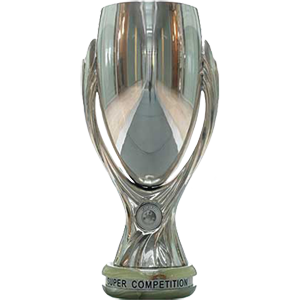
Sevilla beat Champions League winners Barcelona 3–0 to claim the UEFA Super Cup.
Renato, Kanouté and Maresca scored at Stade Louis-II. After the triumph in Eindhoven, the side confirmed their place among Europe’s leading clubs in Monaco.
Palop’s header saves the title defence
Goalkeeper Andrés Palop headed an added-time equaliser to make it 2–2 at Shakhtar Donetsk and force extra time.
Ernesto Chevantón then scored the winner for a 3–2 victory. Following a 2–2 first-leg draw, the holders had rescued their place in the UEFA Cup quarter-finals.

The European final dream ends in Seville
Raúl García had given Osasuna a 1–0 lead over Sevilla in the first leg.
The Andalusians overturned the tie with a 2–0 return victory. Osasuna went out to the eventual winners, having nevertheless established a new international benchmark by reaching the UEFA Cup semi-finals.
Palop saves the second UEFA Cup
After a 2–2 draw with Espanyol over 120 minutes, penalties settled the Glasgow final.
Andrés Palop saved three spot kicks as Sevilla won the shoot-out 3–1. The club retained the UEFA Cup, making successive final victories a defining part of its history.
Kanouté ends the long wait for the cup
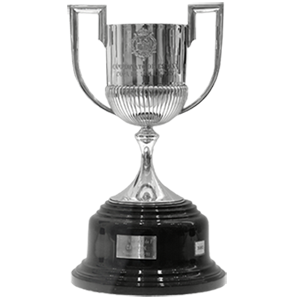
An early Frédéric Kanouté goal against Getafe delivered Sevilla’s fourth Spanish cup.
Thousands of Sevillistas followed the side to Madrid. After 59 years, the national cup returned to the club’s trophy cabinet, joining the UEFA Cup won only weeks earlier.
Five goals at the Bernabéu bring another trophy
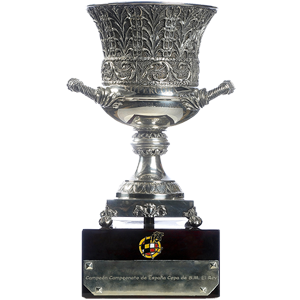
Sevilla FC1:0 Real MadridSupercopa de España First leg · August 11, 2007 · Location: Seville Stadium: Estadio Ramón Sánchez-PizjuánReal Madrid3:5Sevilla FCSupercopa de España Second leg · August 19, 2007 · Location: Madrid Stadium: Estadio Santiago Bernabéu
Following a 1–0 first-leg win, Sevilla beat Real Madrid 5–3 away.
Kanouté’s hat-trick in the return leg shaped the club’s first Supercopa de España triumph. Five trophies in fifteen months made Juande Ramos’s side one of the most successful in Sevilla’s history.
Sevilla mourn Antonio Puerta
Antonio Puerta died on August 28, 2007, three days after collapsing during the league match against Getafe.
The 22-year-old had helped shape the new era with his 2006 semi-final goal and five trophies. His death shook the club, the city and Spanish football.
Sevilla end Arsenal’s unbeaten run
Sevilla came from behind to beat Arsenal 3–1. Seydou Keita, Luís Fabiano and Frédéric Kanouté scored the goals that secured a place in the Champions League last 16. The English league leaders suffered their first competitive defeat of the season.
A shoot-out ends the Champions League run
 Fenerbahce3:2Sevilla FCUEFA Champions League First leg · February 20, 2008 · Location: Istanbul Stadium: Şükrü Saracoğlu StadıSevilla FC3:2a.e.t. · 2:3 on pensFenerbahceUEFA Champions League Second leg · March 4, 2008 · Location: Seville Stadium: Estadio Ramón Sánchez-Pizjuán
After losing 3–2 in Istanbul, Sevilla led Fenerbahçe 2–0 early in the return leg and later 3–1. Deivid’s second goal sent the tie into extra time. Volkan Demirel saved three penalties in the shoot-out and Sevilla went out despite winning the match 3–2.







2010–2019
The fifth Spanish cup
Sevilla beat Atlético de Madrid 2–0 at Camp Nou.
Diego Capel put the side ahead early and Jesús Navas settled the final near the end. Under Antonio Álvarez, the club claimed its fifth Spanish cup.
Europa League group stage reached
2:11:1UEFA Europa League Second leg · August 25, 2011 · Location: Sevilla Stadium: Estadio Ramón Sánchez PizjuánA 2–1 home win over Sevilla FC was followed by a 1–1 draw in Spain. Hannover 96 reached the 2011/12 Europa League group stage.
Hannover advanced from the ensuing group stage and later reached the quarter-finals, where Atlético Madrid ended the run.

Griezmann’s goal and help from Sevilla
0:14:3Antoine Griezmann scored the winner in a 1–0 victory at A Coruña, while Valencia lost 4–3 at Sevilla.
Together, those results lifted Real Sociedad into fourth place and the Champions League play-offs. Philippe Montanier’s team finished on 66 points, one ahead of Valencia.
The European derby turnaround
0:2UEFA Europa League First leg · March 13, 2014 · Location: Seville Stadium: Estadio Ramón Sánchez-Pizjuán0:2a.e.t. · 3:4 on pensUEFA Europa League Second leg · March 20, 2014 · Location: Seville Stadium: Estadio Benito VillamarínA 2–0 home defeat by Betis had left Sevilla on the brink of elimination.
José Antonio Reyes and Carlos Bacca levelled the tie in the return leg. After goalless extra time, Sevilla won the shoot-out 4–3 to reach the quarter-finals on their way to the trophy.
Mbia’s last-gasp header
2:0UEFA Europa League First leg · April 24, 2014 · Location: Seville Stadium: Estadio Ramón Sánchez-Pizjuán3:1Valencia had overturned Sevilla’s 2–0 first-leg advantage by scoring three goals.
In added time, Stéphane Mbia headed in after a long throw had been flicked on. With the aggregate score at 3–3, his away goal sent Sevilla into the Europa League final.
Beto and the return to European glory
The Turin final against Benfica remained goalless after extra time.
Sevilla won the shoot-out 4–2, with Beto saving from Cardozo and Rodrigo. Seven years after the previous UEFA Cup, Unai Emery led the club to its third title in the competition.
Gameiro ends the tension in Saint Petersburg
Sevilla FC2:1 Zenit St. PetersburgUEFA Europa League First leg · April 16, 2015 · Location: Seville Stadium: Estadio Ramón Sánchez-PizjuánZenit St. Petersburg2:2Sevilla FCUEFA Europa League Second leg · April 23, 2015 · Location: Saint Petersburg Stadium: Stadion Petrowski
After winning the first leg 2–1, Sevilla came under renewed pressure at Zenit despite taking an early lead.
Kevin Gameiro made it 2–2 in the 85th minute to secure a 4–3 aggregate victory. The holders continued their journey towards another Europa League final.
Bacca’s double delivers title number four
Sevilla beat Dnipro 3–2 in a high-scoring final.
Carlos Bacca scored twice and Grzegorz Krychowiak once. Their fourth UEFA Cup/Europa League triumph made Sevilla the competition’s outright record winners.
A remarkable comeback falls short in the Super Cup
5:4a.e.t.Sevilla recovered from 4–1 down against Barcelona to force extra time at 4–4. José Antonio Reyes, Kevin Gameiro and Yevhen Konoplyanka had brought the final in Tbilisi back to life. Pedro settled it in the 115th minute with Barcelona’s fifth goal.
Gameiro settles the shoot-out against Athletic
1:21:2a.e.t. · 5:4 on pensUEFA Europa League Second leg · April 14, 2016 · Location: Seville Stadium: Estadio Ramón Sánchez-PizjuánAthletic Bilbao matched Sevilla’s 2–1 away win in the return leg and forced extra time.
After the 2–1 defeat over 120 minutes, David Soria saved Beñat’s penalty. Kevin Gameiro then converted the deciding kick for a 5–4 shoot-out victory and a place in the semi-finals.
Three Europa League titles in a row
Trailing Liverpool at half-time, Sevilla turned the Basel final around with three second-half goals.
Kevin Gameiro equalised and Coke scored twice in a 3–1 win. Three consecutive Europa League victories under Unai Emery set a new record and brought Sevilla’s overall total in the competition to five.
Extra time denies a cup double
2:0a.e.t.Four days after the triumph in Basel, Sevilla lost the Spanish cup final to Barcelona 2–0 after extra time.
The match at the Vicente Calderón had been goalless over ninety minutes. The hoped-for Europa League and Copa del Rey double did not materialise.
The Super Cup slips away in added time
3:2a.e.t.Sevilla led Real Madrid 2–1 in the Super Cup until added time.
Sergio Ramos equalised late before Dani Carvajal decided the final in Trondheim near the end of extra time. Despite holding the lead, Sevilla missed out on a first major trophy under Jorge Sampaoli.

Champions League quarter-finals reached
Sevilla FC2:1Leicester CityChampions League First leg · February 22, 2017 · Location: Sevilla Stadium: Estadio Ramón Sánchez-PizjuánAfter losing 2–1 in Seville, Leicester City beat Sevilla FC 2–0 at home and reached the quarter-finals on its Champions League debut.

Five goals in the city derby
Betis beat Sevilla 5–3 at the Ramón Sánchez-Pizjuán.
Fabián Ruiz scored in the opening minute, and Quique Setién’s side repeatedly struck back in an extraordinary contest. Betis scored five competitive away goals against their city rivals for the first time.
Ben Yedder decides the night at Old Trafford
0:0UEFA Champions League First leg · February 21, 2018 · Location: Seville Stadium: Estadio Ramón Sánchez-Pizjuán1:2Substitute Wissam Ben Yedder scored both goals in a 2–1 win over Manchester United.
Following a goalless first leg, Sevilla advanced to the Champions League quarter-finals. Sixty years after the 1957/58 European Cup campaign, the club returned to the last eight of Europe’s leading club competition.
A bitter 5–0 defeat in the cup final
Sevilla suffered a heavy cup final defeat by Barcelona at the Wanda Metropolitano.
Two Luis Suárez goals and strikes from Lionel Messi, Andrés Iniesta and Philippe Coutinho made it 5–0. The Champions League quarter-final campaign was followed by a severe domestic setback.

Back in Europe after twelve years
2:02:0Victory over Real Sociedad and Athletic’s defeat open the door.
Espanyol beat Real Sociedad 2–0 on the final day while Athletic lose in Seville. With both clubs on 53 points, the head-to-head record favours Espanyol. Seventh place brings entry into Europa League qualifying.
José Antonio Reyes dies in a road accident
José Antonio Reyes died in a road accident aged 35. After returning to Sevilla, the academy graduate had been part of the three Europa League victories from 2014 to 2016. News of the former captain’s death brought deep grief to the club and its supporters.


2020–2029
Bono and Ocampos keep the European dream alive
Bono saved an early Raúl Jiménez penalty against Wolverhampton.
Near the end, Lucas Ocampos headed in Éver Banega’s delivery for a 1–0 victory. The quarter-final in Duisburg, played as a single match because of the pandemic, brought Sevilla another step towards their sixth title.
De Jong sends Sevilla into a sixth UEFA Cup final
2:1Suso equalised after Manchester United had taken an early lead.
Bono kept Sevilla in the game with important saves before Luuk de Jong converted Jesús Navas’s cross for a 2–1 win. Julen Lopetegui’s side reached the club’s sixth UEFA Cup or Europa League final in Cologne.
The sixth title in an extraordinary summer
Sevilla won the final against Inter 3–2. Two Luuk de Jong headers and Romelu Lukaku’s later own goal settled the contest. In the final tournament relocated to Germany because of the pandemic, Julen Lopetegui led the club to its sixth UEFA Cup/Europa League title.
Bayern settle the Super Cup in extra time
2:1a.e.t.Lucas Ocampos put Sevilla ahead from the penalty spot against Bayern Munich in the Super Cup.
Following Leon Goretzka’s equaliser, the final in Budapest remained level into extra time. Javi Martínez then scored the winner to deny Sevilla a second UEFA Super Cup.

Yarmolenko settles a great European night
Sevilla FC1:0West Ham UnitedUEFA Europa League First leg · March 10, 2022 · Location: Seville Stadium: Estadio Ramón Sánchez-PizjuánAfter losing 1–0 in Seville, West Ham United win the Europa League round-of-16 return 2–0 after extra time. Tomáš Souček levels the tie and Andriy Yarmolenko scores the decisive goal. David Moyes’ side reach the quarter-finals.

Survival is confirmed in Sevilla
Mallorca’s goalless draw makes Elche safe.
While Elche are playing Atlético at home, Sevilla’s match against Mallorca ends 0–0. Elche are now certain to finish ahead of three clubs and retain their top-flight place. The news sparks half-time celebrations at the Martínez Valero; the eventual 2–0 defeat cannot alter it.
The Europa League final comes to Sevilla’s stadium
The Ramón Sánchez-Pizjuán hosted a Europa League final for the first time.
Eintracht Frankfurt and Rangers drew 1–1 after extra time, with Frankfurt winning the shoot-out 5–4. The record winners’ home ground became the setting for the trophy’s deciding match.

Koke overtakes Adelardo
Koke makes his 554th competitive appearance in a 2–0 win at Sevilla, surpassing Adelardo’s previous record. The academy-developed captain becomes Atlético’s leading appearance holder, with the team marking his milestone through an away victory.
A 3–0 win over Manchester United ignites Nervión
Sevilla FC3:0 Manchester UnitedUEFA Europa League Second leg · April 20, 2023 · Location: Seville Stadium: Estadio Ramón Sánchez-Pizjuán
Sevilla had recovered from 2–0 down at Manchester United to draw the first leg 2–2. In the return, Youssef En-Nesyri scored twice and Loïc Badé added the other goal in a 3–0 victory. Under José Luis Mendilibar, the club reached the Europa League semi-finals 5–2 on aggregate.
Lamela opens the road to Budapest
Sevilla FC2:1a.e.t. JuventusUEFA Europa League Second leg · May 18, 2023 · Location: Seville Stadium: Estadio Ramón Sánchez-Pizjuán
Following a 1–1 draw in Turin, Sevilla fell behind again in the return against Juventus.
Suso equalised with a long-range strike and Erik Lamela headed in the winner in extra time. Sevilla reached the UEFA Cup or Europa League final for the seventh time.
Seven finals, seven titles
After a difficult season, José Luis Mendilibar led Sevilla to victory in their seventh Europa League final.
A 1–1 draw with Roma after extra time was followed by a 4–1 shoot-out win. Yassine Bounou and decisive taker Gonzalo Montiel shaped the Budapest night.
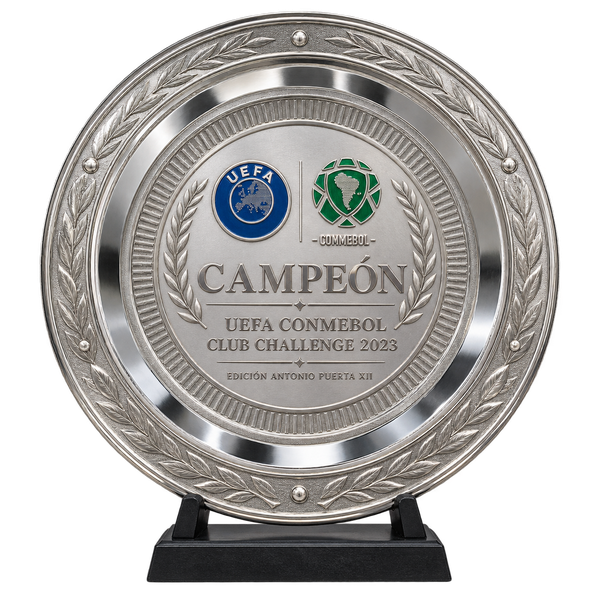
The inaugural UEFA CONMEBOL Club Challenge
Sevilla won the inaugural UEFA CONMEBOL Club Challenge against Independiente del Valle.
Pedro Ortiz rescued a late 1–1 draw before Sevilla won the shoot-out 4–1 without extra time. The Ramón Sánchez-Pizjuán hosted the meeting of the Europa League and Copa Sudamericana winners.
The Super Cup ends in a shoot-out
Youssef En-Nesyri put Sevilla ahead in the UEFA Super Cup before Cole Palmer equalised for Manchester City.
After a 1–1 draw over ninety minutes, City won the shoot-out 5–4. Sevilla narrowly missed out on a second UEFA Super Cup after their 2006 success.
Jesús Navas ends his playing career
Sevilla FC1:0 Celta VigoPrimera División Match 1 · December 14, 2024 · Location: Seville Stadium: Estadio Ramón Sánchez-Pizjuán
Jesús Navas ended his professional playing career with a final appearance against Real Madrid.
A week earlier, he had played in front of his own supporters for the last time in a 1–0 win over Celta. The club’s record appearance holder and academy graduate connected the early European titles of 2006 and 2007 with the triumphs of 2020 and 2023.

Victory over Sevilla secures the Europa League place
Celta ended the season with a 1–0 victory over Sevilla and finished sixth.
Having already secured European football, the club now confirmed its Europa League place. The league campaign ended on fifty-four points.