The history of Liverpool FC
Milestones and background from the club's history, in chronological order.
Categories
Competitions
Nicknames through the years Three names tell a story of near misses, late goals and an unbeaten season. Read the storiesClose the stories
1890–1899
A first title in the Lancashire League
Blackpool’s 1–0 defeat at Southport Central settled Liverpool’s first championship.
Both clubs finished on 36 points, with the contemporary goal-average rule favouring Liverpool. The regional Lancashire League was a separate competition rather than a national third division.
An unbeaten Second Division championship
A 2–0 win over Crewe took Liverpool to 43 points and secured the title before the season ended.
Small Heath could reach no more than 42 and Notts County no more than 41. Liverpool remained unbeaten in all 28 league matches, but promotion still required a subsequent Test Match.
Goal average decides a second Second Division title
Manchester City completed its league programme by beating Notts County 2–0 and joined Liverpool on 46 points.
The tie became final only after this last match of the challengers: Liverpool’s goal average of 106:32 exceeded City’s 63:38. The championship did not bring automatic promotion.

Five goals in the championship decider
Villa beat Liverpool FC 5–0 in the final league fixture to win its fourth championship.
Liverpool FC could still take the title before the direct meeting, making the emphatic home victory decisive. The match became a defining occasion in Villa’s late Victorian era.


1900–1909
English league title number 1
Under Tom Watson, Liverpool won its 1st English championship.
Sunderland had already completed its programme with 42 points. Liverpool now had 45 points, while the nearest challenger could finish with no more than 42.
A third Second Division title
A 3–0 win over Burnley took Liverpool to 58 points and secured the Second Division championship.
Bolton had already completed its programme on 56. Unlike promotion, settled a week earlier, the title was now certain without relying on any goal-average calculation.
English league title number 2
Under Tom Watson, Liverpool won its 2nd English championship.
Despite Liverpool’s own defeat, the title was secured when Preston lost at Sunderland. Liverpool now had 49 points, while the nearest challenger could finish with no more than 48.
Liverpool won the Sheriff of London Charity Shield by beating Corinthian 5–1.
The neutral match at Craven Cottage brought together the new English champions and the leading London amateur club. This historical competition is distinct from the later Charity or Community Shield.


1910–1919

English champions 1910/11
Manchester United5:1 Sunderland AFCFootball League First Division Match 1 · April 29, 1911 · Location: Manchester Stadium: Old Trafford
The first championship at the new Old Trafford followed a close race with Aston Villa.
United beat Sunderland 5–1 while Villa lost at Liverpool. The two results delivered a second English title.
1920–1929
English league title number 3
Under David Ashworth, Liverpool won its 3rd English championship.
Tottenham simultaneously lost at Oldham and could finish with no more than 54 points. Liverpool now had 55 points, while the nearest challenger could finish with no more than 54.
English league title number 4
Under Matt McQueen, Liverpool won its 4th English championship.
Sunderland’s defeat at Burnley limited its possible total to 56 points. Liverpool now had 57 points, while the nearest challenger could finish with no more than 56.


1930–1939

English champions for the first time
A 3–1 victory over Liverpool FC secures Arsenal’s first English league championship.
Herbert Chapman’s side settles the title race before the final round of matches. The championship follows the previous year’s FA Cup and confirms the club’s emergence among England’s leading teams.
1940–1949
A championship decided in June
Stoke’s 2–1 defeat at Sheffield United made Liverpool English champions for the fifth time.
Liverpool had completed its league programme on May 31 with a 2–1 win at Wolverhampton and 57 points, while a Stoke victory could still have produced 58. Severe winter weather had delayed fixtures into June.

Champions of England for the first time
Portsmouth won 2–1 at Bolton. Newcastle’s 1–1 draw at Liverpool and Manchester United’s 2–2 against Preston put Pompey beyond every rival’s reach. Bob Jackson’s side were champions of England for the first time.
Captain Reg Flewin, Jimmy Dickinson, Peter Harris, Len Phillips and Jack Froggatt were among the leading players. The season ended with 58 points from 42 matches.


1960–1969
Championship and promotion after eight years
A 2–0 win over Southampton took Liverpool to 55 points and secured both the Second Division championship and promotion.
Orient and Sunderland could each finish with no more than 54 points. Bill Shankly’s side ended eight seasons outside the top flight.
English league title number 6
Under Bill Shankly, Liverpool won its 6th English championship.
The 5–0 win over Arsenal made Liverpool English champions just two years after promotion. Liverpool now had 56 points, while the nearest challenger could finish with no more than 53.

A shared Charity Shield
League champions Liverpool and cup winners West Ham United draw 2–2 at Anfield. Under the rules of the time, the Charity Shield is shared. Johnny Byrne and Geoff Hurst score West Ham’s goals.
At last, a first FA Cup
Ian St John scored the extra-time winner against Leeds.
After the lost finals of 1914 and 1950, Liverpool finally won the FA Cup.

Charity Shield shared 1965
United and Liverpool FC drew 2–2.
Under the contemporary rules, the two teams shared the Charity Shield.
English league title number 7
Under Bill Shankly, Liverpool won its 7th English championship.
Leeds could reach 58 points and Burnley 57. Liverpool now had 60 points, while the nearest challenger could finish with no more than 58.

English champions for the first time
A goalless draw at Anfield secured Leeds’ first English championship.
Its 65 points exceeded Liverpool’s remaining maximum of 64. The final record was 67 points with only two defeats, achieved under the two-points-for-a-win system.



1970–1979

Charity Shield at Filbert Street
As Second Division champions Leicester City beat FA Cup runners-up Liverpool FC 1–0 in the FA Charity Shield. Steve Whitworth scored the winner at Filbert Street.

English champions for the first time
Liverpool drew 0–0 at Arsenal and Leeds lost 2–1 at Wolves. Only those two results confirmed Derby as English champions. County had already completed its league fixtures and followed the final decisions from afar.
Derby finished on 58 points. In five years Clough and Taylor had taken the club from the second tier to the national championship. The title also opened the way to the European Cup.
English league title number 8
Under Bill Shankly, Liverpool won its 8th English championship.
The goalless draw was enough, with Arsenal able to reach no more than 59 points after this matchday. Liverpool now had 60 points, while the nearest challenger could finish with no more than 59.
The first UEFA Cup
Liverpool won the UEFA Cup over a two-legged final.
The 3–0 first-leg victory against Mönchengladbach survived a 2–0 defeat in the return to bring a first European trophy under Bill Shankly.

Arsenal’s win confirms Leeds as champions
Liverpool’s 1–0 home defeat by Arsenal confirmed Leeds’ second English championship.
United had reached 60 points with a 3–2 win over Ipswich, while Liverpool could now reach only 59. Revie’s side had begun the campaign with 29 unbeaten league matches.
Shankly’s second FA Cup
Two goals from Kevin Keegan and one from Steve Heighway settled the final against Newcastle.
The 3–0 victory was the last major trophy under Bill Shankly.
English league title number 9
Under Bob Paisley, Liverpool won its 9th English championship.
A late comeback at Wolverhampton took Liverpool past Queens Park Rangers, whose completed total was 59 points. Liverpool now had 60 points, while the nearest challenger could finish with no more than 59.
The second UEFA Cup
Liverpool won the UEFA Cup over a two-legged final.
After a 3–2 win at Anfield, a 1–1 draw at Club Brugge KV completed a 4–3 aggregate victory and the league and UEFA Cup double under Bob Paisley.
English league title number 10
Under Bob Paisley, Liverpool won its 10th English championship.
The point against West Ham was sufficient because Manchester City could finish with no more than 56 points. Liverpool now had 57 points, while the nearest challenger could finish with no more than 56.
European champions for the first time
Terry McDermott, Tommy Smith and Phil Neal scored in the 3–1 win over Mönchengladbach.
Four days after losing the FA Cup final, Liverpool won its first European Cup in Rome.

Charity Shield shared 1977
United and Liverpool FC drew 0–0.
Under the contemporary rules, the two teams shared the Charity Shield.
Six goals in the UEFA Super Cup
Liverpool won the UEFA Super Cup.
A 1–1 draw in Hamburg was followed by a 6–0 victory at Anfield for a 7–1 aggregate success.

League Cup glory in the replay
After a goalless final at Wembley, Forest beat Liverpool 1–0 in the replay at Old Trafford on March 22, 1978. John Robertson converted the decisive penalty.
Chris Woods deputised for Peter Shilton, who was cup-tied after appearing for Stoke earlier in the competition. Forest had won their first League Cup.
The European Cup stays in Liverpool
Kenny Dalglish scored the only goal against Club Brugge KV.
Liverpool retained the European Cup at the original Wembley.
English league title number 11
Under Bob Paisley, Liverpool won its 11th English championship.
West Bromwich Albion could still reach 63 points. The subsequent season totals of 68 points and just 16 goals conceded set new standards. Liverpool now had 64 points, while the nearest challenger could finish with no more than 63.







1980–1989
English league title number 12
Under Bob Paisley, Liverpool won its 12th English championship.
Manchester United simultaneously lost 2–0 at Leeds and finished on 58 points. Liverpool now had 60 points, while the nearest challenger could finish with no more than 58.
A first League Cup in the replay
Following a 1–1 draw at Wembley, Liverpool won the Villa Park replay 2–1.
Alan Kennedy scored both goals to secure the club’s first League Cup.
Alan Kennedy settles the Paris final
Alan Kennedy’s late goal against Real Madrid brought a third European Cup.
Bob Paisley became the first manager to win the competition three times.
The League Cup is retained
Liverpool came from behind against Tottenham and won 3–1 after extra time.
Ronnie Whelan scored twice and Ian Rush once.
English league title number 13
Under Bob Paisley, Liverpool won its 13th English championship.
Ipswich lost to Nottingham Forest and could reach no more than 83 points. This was the first English league season under the three-points-for-a-win system. Liverpool now had 86 points, while the nearest challenger could finish with no more than 83.
Three consecutive League Cups
Alan Kennedy equalised against Manchester United before Ronnie Whelan scored in extra time.
The 2–1 win brought a third consecutive League Cup.
English league title number 14
Under Bob Paisley, Liverpool won its 14th English championship.
Manchester United’s draw at Norwich settled the championship despite Liverpool’s own defeat at Tottenham. Liverpool now had 81 points, while the nearest challenger could finish with no more than 79.

Charity Shield won 1983
United won the final against Liverpool FC 2–0.
The success added to the club’s trophy collection.
A fourth League Cup in the derby
After the goalless Wembley final, Liverpool won the Maine Road replay 1–0.
Graeme Souness settled the first all-Merseyside League Cup final.
English league title number 15
Under Joe Fagan, Liverpool won its 15th English championship.
Manchester United and Southampton also drew, leaving each able to reach no more than 77 points. Liverpool now had 79 points, while the nearest challenger could finish with no more than 77.
The treble is completed in Rome
Following a 1–1 draw against Roma, Liverpool won the shootout 4–2.
Joe Fagan’s first season ended with the league championship, League Cup and European Cup.

A Merseyside Charity Shield triumph
Everton beat Liverpool 1–0 at Wembley.
A Bruce Grobbelaar own goal decided the Charity Shield. After the FA Cup, it was another trophy for Howard Kendall’s side.
English league title number 16
Under Kenny Dalglish, Liverpool won its 16th English championship.
Dalglish himself scored the decisive goal at Chelsea. No challenger could still reach 88 points. Liverpool now had 88 points, while the nearest challenger could finish with no more than 87.
Dalglish wins the double
Liverpool came from behind to beat Everton 3–1 in the Merseyside final.
Kenny Dalglish led the club to the league and FA Cup double in his first season as player-manager.
The Charity Shield is shared
Everton and Liverpool drew 1–1 in the Charity Shield, with Adrian Heath scoring for Everton.
Under the rules then in force there was neither a penalty shoot-out nor a replay. The two clubs shared the trophy.
The one-off Football League Super Cup
Everton FC1:4 Liverpool FCFootball League Super Cup Second leg · September 30, 1986 · Location: Liverpool Stadium: Goodison Park
Liverpool won the only Football League Super Cup with a 7–2 aggregate victory over Everton.
The competition had been created after English clubs’ exclusion from European football, and the finals of the 1985/86 edition were delayed until September 1986. It is distinct from the UEFA Super Cup.

The first League Cup under George Graham
Arsenal wins the English League Cup for the first time.
Charlie Nicholas scores both goals in a 2–1 victory over Liverpool FC, overturning Ian Rush’s opener. George Graham’s first season as manager brings a trophy and marks the beginning of a new successful team.
English league title number 17
Under Kenny Dalglish, Liverpool won its 17th English championship.
The 1–0 win over Tottenham secured the championship with four games remaining. Liverpool now had 84 points, while the nearest challenger could finish with no more than 81.
A cup victory amid mourning
Five weeks after Hillsborough, the two Merseyside clubs came together for the final.
Liverpool won 3–2 after extra time, but the shared loss shaped the day far beyond its sporting result.







1990–1999
English league title number 18
Under Kenny Dalglish, Liverpool won its 18th English championship.
Aston Villa simultaneously drew 3–3 with Norwich and could reach no more than 72 points. Liverpool now had 73 points, while the nearest challenger could finish with no more than 72.

Charity Shield shared 1990
United and Liverpool FC drew 1–1.
Under the contemporary rules, the two teams shared the Charity Shield.

The title is secured before Arsenal kicks off
Liverpool FC’s 2–1 defeat at Nottingham Forest makes Arsenal champion before its own evening match begins.
Arsenal then celebrates with a 3–1 win over Manchester United at Highbury. The team loses only once throughout the league season; even a two-point deduction following the confrontation with United does not prevent the title.

Champions of the final First Division season
Leeds won a dramatic match at Sheffield United 3–2 to reach 79 points.
Liverpool’s subsequent 2–0 victory over Manchester United limited the title rivals to a maximum of 78. Howard Wilkinson’s side won the last championship before the Premier League began, eventually finishing on 82 points.
The FA Cup in the centenary year
Michael Thomas and Ian Rush scored in the 2–0 win over Sunderland.
The cup victory provided a sporting highlight in the club’s centenary year.
Cantona’s hat-trick wins the Charity Shield
Eric Cantona scored a hat-trick in a 4–3 win over Liverpool at the original Wembley.
Leeds won its second Charity Shield just before the Premier League began. The French forward dominated a high-scoring final before joining Manchester United a few months later.
McManaman’s double brings the League Cup
Steve McManaman scored both goals in the 2–1 victory over Bolton.
Under Roy Evans, Liverpool won a major cup again after three years.

Champions despite defeat at Liverpool
Rovers lost 2–1 at Anfield, but Manchester United could manage only a 1–1 draw at West Ham United. With 89 points to United’s 88, Rovers won the Premier League and their third English championship.
Jack Walker’s ambition became reality under Kenny Dalglish. Alan Shearer and Chris Sutton formed the strike partnership known as SAS, supported by a team that made Blackburn champions again 81 years after their previous league title.

FA Cup won 1996
Eric Cantona’s late goal decided the final against Liverpool.
United became the first English club to win the league and FA Cup Double twice. The team’s young core had established itself at the highest level.
English champions 1996/97
Newcastle drew at West Ham while Liverpool lost to Wimbledon at their then home, Selhurst Park.
Neither challenger could catch United afterwards. It was a fourth championship in five Premier League seasons.






2000–2009
The first part of the cup treble
Liverpool beat Birmingham 5–4 on penalties after a 1–1 draw.
The Millennium Stadium final opened the sequence of three major cup victories for Gérard Houllier’s side.
Michael Owen turns the FA Cup final
Two late goals from Michael Owen turned the deficit against Arsenal into a 2–1 win.
After the League Cup, Liverpool had also won the FA Cup.
A golden goal completes the cup treble
The extraordinary final against Alavés ended 5–4 in extra time.
An own goal under the contemporary golden-goal rule settled the UEFA Cup and completed Houllier’s League Cup, FA Cup and UEFA Cup treble.
The UEFA Super Cup follows the cup treble
Liverpool won the UEFA Super Cup.
The 3–2 win over Bayern Munich followed Houllier’s three major cup victories in the previous season.
Gerrard and Owen win the League Cup
Steven Gerrard and Michael Owen scored in the 2–0 win over Manchester United.
Liverpool won the League Cup for the seventh time.

Mourinho’s first trophy
Chelsea beat Liverpool 3–2 after extra time in the League Cup final.
Steven Gerrard’s own goal cancelled an early deficit before Didier Drogba and Mateja Kežman scored in the additional period. José Mourinho won his first Chelsea trophy.
The miracle of Istanbul
Liverpool recovered from a 3–0 half-time deficit against Milan to draw 3–3 after extra time.
Rafael Benítez’s side won the shootout 3–2 and claimed a fifth European Cup.
The UEFA Super Cup after Istanbul
Liverpool won the UEFA Super Cup.
Following a 1–1 score after normal time, CSKA Moscow was beaten 3–1 in extra time.
Gerrard’s final in Cardiff
Steven Gerrard’s late long-range strike took Liverpool into extra time against West Ham.
After the 3–3 draw, a 3–1 shootout victory secured a seventh FA Cup.

Pompey wins in Hong Kong
The final against Liverpool at Hong Kong Stadium ended goalless. Portsmouth won the ensuing shoot-out 4–2 to take the Premier League Asia Trophy.





2010–2019
An eighth League Cup
The final against Cardiff went to penalties after a 2–2 draw.
Liverpool won the shootout 3–2 and claimed an eighth League Cup under Kenny Dalglish.

The seventh FA Cup
Ramires and Didier Drogba scored in the 2–1 FA Cup final win over Liverpool.
Chelsea won the competition for a seventh time. Roberto Di Matteo, a scorer in earlier Chelsea cup triumphs, had stabilised the club and delivered another trophy.

League Cup 2016: City win the final
1:1a.e.t. · 1:3 on pensCity won the final against Liverpool.
The result was 1–1 after extra time. City won the shoot-out 3–1. This added another trophy in the competition.
A sixth European Cup
0:2Mohamed Salah and Divock Origi scored in the 2–0 win over Tottenham in Madrid.
Jürgen Klopp won the Champions League with Liverpool for the first time and brought home the club’s sixth European Cup.

Community Shield 2019: City win the final
1:14:5 on pensCity won the final against Liverpool.
The result was 1–1. City won the shoot-out 5–4. This added another trophy in the competition.
A fourth UEFA Super Cup
2:2a.e.t. · 5:4 on pensLiverpool won the UEFA Super Cup.
Following a 2–2 draw against Chelsea, Liverpool won the shootout 5–4.
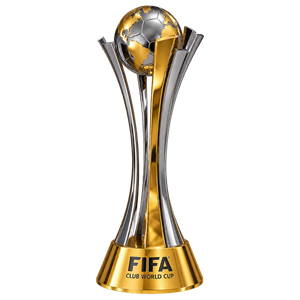
World champions for the first time
Roberto Firmino scored the only goal in extra time against Flamengo.
Liverpool won the FIFA Club World Cup for the first time.




2020–2029
English champions again after 30 years
Manchester City’s 2–1 defeat at Chelsea secured Liverpool’s first Premier League title and 19th English championship.
Liverpool had 86 points and City could reach no more than 84 from seven remaining fixtures. The decision came in the season resumed after the pandemic interruption, without Liverpool playing that day.
Eleven penalties bring a ninth League Cup
0:0a.e.t. · 10:11 on pensAfter 120 goalless minutes, Liverpool converted all eleven penalties against Chelsea.
The 11–10 shootout win brought a ninth League Cup.
The FA Cup is also won on penalties
0:0a.e.t. · 5:6 on pensThe final against Chelsea again remained goalless after extra time.
Liverpool won the shootout 6–5 and added an eighth FA Cup to the League Cup.
Van Dijk settles the tenth League Cup
Virgil van Dijk scored the late extra-time winner against Chelsea.
A side affected by absences and featuring several young players won a tenth League Cup and the final major trophy under Jürgen Klopp.
English league title number 20
Under Arne Slot, Liverpool won its 20th English championship.
The 5–1 win over Tottenham brought a 20th English league title. Arsenal could reach no more than 79 points, and Slot won the league in his first season. Liverpool now had 82 points, while the nearest challenger could finish with no more than 79.

Palace also win the Community Shield
2:23:2 on pensPalace and Liverpool draw 2–2 after 90 minutes.
The Eagles win the shootout 3–2, with Justin Devenny converting the decisive kick. There is no extra time. A first Community Shield follows the FA Cup triumph.