The history of Aston Villa
Milestones and background from the club's history, in chronological order.
Categories
Competitions
Nicknames through the years Three names tell a story of near misses, late goals and an unbeaten season. Read the storiesClose the stories
1870–1879
A chapel community establishes Aston Villa
Members of Aston’s Wesleyan Chapel sought a winter sport for their cricket community and chose association football.
The founders included John Hughes, William Price, George Matthews and William Scattergood. The club traces its foundation to 1874; no single undisputed foundation day is asserted.
1880–1889
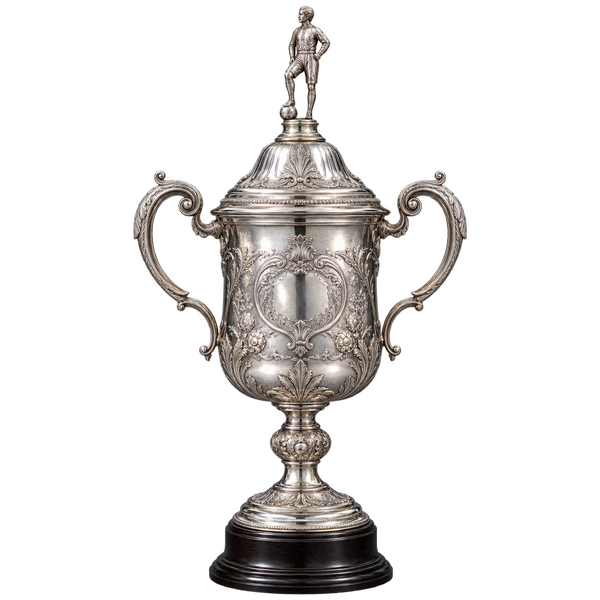
The first major cup victory
Dennis Hodgetts and Archie Hunter scored in a 2–0 victory over West Bromwich Albion.
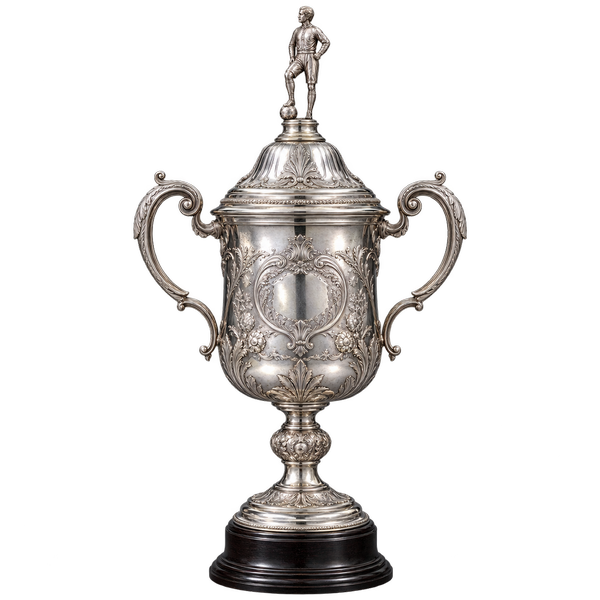
Winning the FA Cup at Kennington Oval established the growing club among England’s national trophy winners. Captain Hunter was a central figure in this early successful side.
William McGregor and the Football League
Villa official William McGregor promoted a regular league competition with scheduled home and away fixtures.
Following an initial meeting in March, the Football League was formally established in Manchester on April 17, 1888. Aston Villa was one of its twelve founding members.

The first English league champion
A 4–1 win over Notts County takes Preston to 35 points. Aston Villa simultaneously loses 4–0 at Burnley FC and can reach no more than 34. The first Football League championship is therefore decided.
The final league record is 18 wins, four draws and no defeats from 22 matches. The side becomes famous as The Invincibles.

The first match at Molineux
After moving to Molineux, Wolves beat Aston Villa 1–0 in their first match there. The ground has remained the club’s home.


1890–1899
Albion win the rematch in the FA Cup final
West Bromwich Albion avenged the 1887 final with a 3–0 victory at Kennington Oval.
Villa’s second final ended in defeat, but the disappointment preceded its rise into a dominant force in league football.

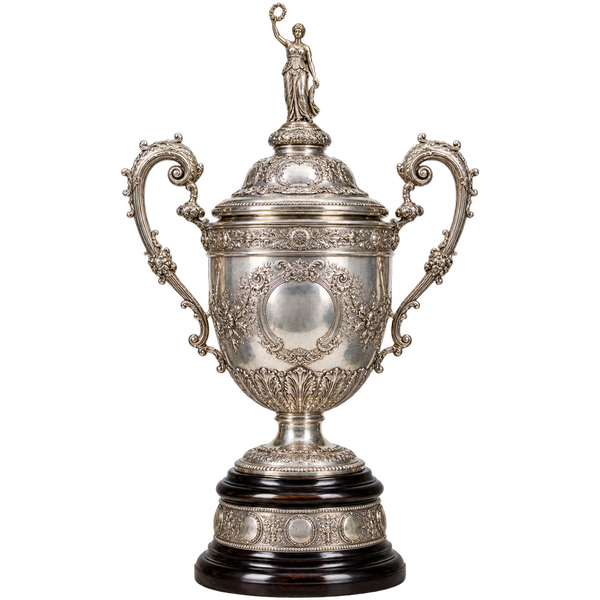
The first English championship
 Aston Villa3:1Preston North EndFootball League First Division Match 1 · April 16, 1892 · Location: Birmingham Stadium: Wellington RoadSunderland AFC6:1
 Blackburn RoversFootball League First Division Match 2 · April 16, 1892 · Location: Sunderland Stadium: Newcastle Road
A 6–1 win over Blackburn, together with Preston’s defeat at Aston Villa, secured Sunderland’s first English championship.
Its 38 points put the team beyond every rival’s remaining maximum. Tom Watson’s side ultimately won all 13 home league matches, establishing the reputation of the Team of All the Talents.
The first English championship
A 6–3 victory at Burnley FC took Villa to 42 points, beyond every rival’s remaining maximum under the two-point system.
Its first championship was therefore secured before its final fixture. George Ramsay’s team began an era that brought five league titles by 1900.
An early goal settles the second cup triumph
Villa beat West Bromwich Albion 1–0 with a goal inside the opening minute.
It is conventionally credited to Bob Chatt, although historical accounts dispute the attribution between Chatt and John Devey. The final was the first staged at the new Crystal Palace venue.
The cup victory that completes the Double
A 3–2 victory over Everton FC secured the FA Cup.
Derby County’s 1–0 defeat at Bury also put Villa beyond reach in the league. The two results completed the Double, The league decision is recorded in a separate entry. Villa became England’s second Double winners after Preston.
The league title is decided at Bury
Derby County’s 1–0 defeat at Bury secured Villa the league championship.
Villa had 43 points, while Derby could reach only 42. Together with the FA Cup won the same day, the Double was complete. This card correctly identifies the rivals’ deciding league fixture.
The first match at what becomes Villa Park
One week after the Double, Villa beat Blackburn Rovers 3–0 in the opening match at its new home.
The fixture was a friendly. The ground at Aston Lower Grounds replaced Wellington Road and became known as Villa Park during 1897.
Five goals in the championship decider
Villa beat Liverpool FC 5–0 in the final league fixture to win its fourth championship.
Liverpool FC could still take the title before the direct meeting, making the emphatic home victory decisive. The match became a defining occasion in Villa’s late Victorian era.

1900–1909
Harry Hampton scores twice in the cup final
Harry Hampton scored both goals in a 2–0 victory over Newcastle United.
Villa won its fourth FA Cup and denied Newcastle the Double. Hampton and Joe Bache were influential attacking figures in the club’s early twentieth-century side.

The Meredith affair shakes City
After the Aston Villa match Billy Meredith was suspended over an alleged bribe offered to Alex Leake; Meredith denied the allegation.
The subsequent investigation into illegal player payments brought further sanctions in 1906 and broke up the team.

The first English championship
 Middlesbrough FC0:3Newcastle UnitedFootball League First Division Match 1 · April 29, 1905 · Location: Middlesbrough Stadium: Ayresome Park
Victory at Middlesbrough and Manchester City’s defeat at Aston Villa settled the title race.
Newcastle won the First Division for the first time. Frank Watt had assembled a strong side whose Scottish players shaped the early era.
1910–1919

Ninian Park opens its gates
Ninian Park opened with a friendly against English champions Aston Villa. Cardiff City lost 2–1, with Jack Evans scoring for the hosts. Blue shirts and white shorts marked the start of an almost century-long relationship between club and ground.

Charlie Webb settles the Charity Shield
Southern League champions Brighton beat Football League champions Aston Villa 1–0.
Charlie Webb scores the decisive goal at neutral Stamford Bridge. The Charity Shield brings the club its first national trophy, and the champions’ meeting explains the local description “Champions of England”.

English champions 1910/11
Manchester United5:1Sunderland AFCFootball League First Division Match 1 · April 29, 1911 · Location: Manchester Stadium: Old TraffordThe first championship at the new Old Trafford followed a close race with Aston Villa.
United beat Sunderland 5–1 while Villa lost at Liverpool. The two results delivered a second English title.

A first FA Cup semi-final
Oldham loses 1–0 to Aston Villa at neutral Ewood Park. Despite the narrow defeat, the club has reached the FA Cup’s last four for the first time.
Villa defeat the champions in the cup final
Tommy Barber’s goal decided the final against Sunderland AFC 1–0.
The season’s leading teams shared the major prizes: Sunderland AFC won the league and Villa the FA Cup. The Crystal Palace final attracted an exceptionally large crowd.
The highest top-flight finish
Middlesbrough ended the season with a 3–1 win at Aston Villa. Its final position was third in the First Division, still the club’s highest league finish.

The first relegation is confirmed
Tottenham had already finished its season with 28 points.
Manchester United’s win over Aston Villa removed the last chance of reaching safety; regular league football was then suspended during the World War.
1920–1929

The end of the first great top-flight era
Wins for Derby County against Liverpool FC and Notts County against Aston Villa confirmed The Wednesday’s relegation. Even five further wins could no longer take the club out of the relegation places.
Cup success after the First World War
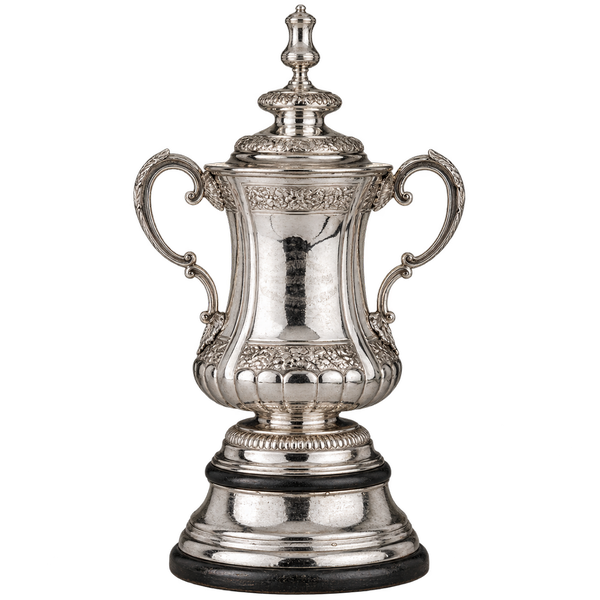
Villa beat Huddersfield Town 1–0 after extra time at Stamford Bridge, with Billy Kirton scoring the winner.
Its sixth FA Cup represented a successful return following the wartime interruption of regular English football.

Back in the Second Division
A 1–0 defeat at Aston Villa confirmed Derby’s relegation. County had spent two seasons in the First Division after regular league football resumed. A longer rebuilding period followed.
Newcastle stop Villa at Wembley
Villa lost 2–0 to Newcastle in the second FA Cup final held at the original Wembley.
The defeat ended its latest bid for the trophy, which would not return to Villa until 1957.

The third title is secured before the record match
Aston Villa’s 3–0 win over Huddersfield Town ended the challenger’s remaining title hopes.
Everton was therefore already champion before the final match against Arsenal. Dixie Dean’s goalscoring record the following Saturday was a separate event, rather than the title-clinching day.
Rivals’ results confirm relegation
 Middlesbrough FC0:3
 Sunderland AFCFootball League First Division Match 3 · May 5, 1928 · Location: Middlesbrough Stadium: Ayresome Park
Tottenham had completed all 42 matches and remained on 38 points.
Wins for Manchester United, The Wednesday and Sunderland took all three above Tottenham; relegation followed in a tightly packed table.
Back at the summit of English football
Wednesday drew 1–1 with Burnley FC. Leicester City also drew at Huddersfield while Aston Villa lost at Manchester City, confirming the club’s third English championship.


1930–1939
Relegation despite an emphatic home win
Tottenham beat Liverpool emphatically, but Middlesbrough’s win at Aston Villa confirmed relegation.
Safety was beyond reach even with another victory.
Ted Drake’s seven goals expose the crisis
Arsenal FC won 7–1 at Villa Park, with Ted Drake scoring all seven away goals.
The remarkable individual record exposed Villa’s defensive difficulties. The team eventually conceded 110 league goals that season.
The first relegation from the top flight
Villa lost its final fixture 4–2 to Blackburn and remained on 35 points.
West Bromwich Albion’s simultaneous 2–2 draw at Brentford FC raised the safety threshold to 36. Villa suffered its first relegation, with the rival’s result forming part of the definitive decision.

75,031 at The Valley
The FA Cup tie against Aston Villa drew 75,031 spectators to The Valley and finished 1–1. The attendance set the stadium’s enduring record and demonstrated Charlton’s growing place in London football.


1950–1959

The championship is retained
Portsmouth beat Aston Villa 5–1 on the final day while Wolverhampton defeated Birmingham 6–1. Both clubs had 53 points, but Portsmouth’s goal average of 74 to 38 was better than Wolverhampton’s 76 to 49.
Peter McParland defeats the Busby Babes
Peter McParland scored twice in a 2–1 victory over Manchester United.
Villa won its seventh FA Cup, ending a long wait for a major national trophy. An early collision involving McParland and goalkeeper Ray Wood remained a controversial part of the final.

Charity Shield won 1957
United won the final against Aston Villa 4–0.
The success added to the club’s trophy collection.

1960–1969

Graham Moore delivers promotion
Graham Moore’s goal in a 1–0 win over Aston Villa secured Cardiff City’s promotion. Bill Jones’s side returned to the top flight after three years in the Second Division.

Quarter-final in the first League Cup
Wrexham reached the quarter-final of the inaugural League Cup, losing 3–0 at Aston Villa. After a goalless first half, the eventual winners prevailed, ending a notable run by the fourth-tier club in the new competition.
The inaugural League Cup winners
Following a 2–0 defeat at Rotherham, Villa overturned the inaugural League Cup final in its home leg.
A 3–0 win after extra time produced a 3–2 aggregate victory, with Peter McParland scoring the deciding goal. The 1960/61 finals were delayed until the beginning of the following season.

English champions in the debut top-flight season
Ray Crawford’s two goals beat Aston Villa 2–0.
Burnley’s simultaneous 1–1 draw with Chelsea completed the title decision: Ipswich had 56 points and Burnley could reach only 55 with its remaining game.
The final First Division spell ends
A 2–2 draw at Aston Villa was not enough to prevent Cardiff City’s relegation. The club left the First Division after two seasons and would not return to the top flight until promotion to the Premier League in 2013.

The first major trophy comes in the city derby
Under Gil Merrick, Birmingham City won the League Cup against Aston Villa. A 3–1 victory at St. Andrew’s supplied the advantage; a goalless return at Villa Park secured the club’s first major national trophy.

English champions 1964/65
United became English champions again with Bobby Charlton, Denis Law and George Best.
After the win over Arsenal on April 26, the goal-average advantage was practically decisive; the title was final after United’s last match at Aston Villa. United and Leeds finished with 61 points each, with United ahead on goal average.

The long absence from the top flight begins
After losing 1–0 to West Bromwich Albion, Rovers could reach only 30 points. Aston Villa’s 2–1 win over Burnley and Northampton’s 1–1 draw at Tottenham made relegation certain.
Rovers would not play top-flight football again until 1992. The following decades were shaped by financial constraints and repeated attempts to rebuild their sporting position.
Financial crisis brings a change in leadership
Following relegation in 1967, Villa also faced financial pressure.
Pat Matthews provided new investment at the end of 1968, and Doug Ellis became chairman of a reconstituted board. The institutional changes did not immediately halt the decline, but formed part of the subsequent rebuilding.

Reaching the top flight for the first time
A 2–1 win at Aston Villa brings a second successive promotion. QPR and Blackpool finish on 58 points each; despite Blackpool’s 3–1 victory at Huddersfield, the Rangers’ better goal average decides the race. They reach the First Division for the first time.


1970–1979
Relegation to the third tier becomes certain
Charlton Athletic’s 2–1 win over Bristol City made relegation mathematically certain.
Villa had completed all 42 fixtures with 29 points, while Charlton Athletic reached 30. Aston Villa would play in the Third Division for the first time, with the final decision coming in another club’s match.
A third-tier club defeat Manchester United
In front of 62,500 spectators, Villa won the second leg of its League Cup semi-final against Manchester United 2–1 and progressed on aggregate.
Andy Lochhead and Pat McMahon scored. The occasion demonstrated the club’s enduring support even during its lowest league period.
The third-tier side reach Wembley’s final
Villa lost the League Cup final 2–0 to Tottenham Hotspur, with two late Martin Chivers goals deciding the match.
Despite defeat, reaching Wembley remained a cherished achievement of Vic Crowe’s third-tier team.
The point that secures a return to the second tier
A 1–1 draw at Mansfield Town earned the point that secured promotion.
Villa’s 66 points guaranteed a top-two finish. A late equaliser prevented the championship from being settled that evening, so promotion and the title are dated separately.
Vic Crowe’s team become Third Division champions
A 5–1 victory over Torquay secured the Third Division championship.
Villa’s 68 points were beyond every rival’s reach, with the final total rising to 70. The title followed confirmed promotion by five days and marked the start of a return towards England’s elite.

Charity Shield 1972: City win the final
City won the final against Aston Villa.
The result was 1–0. This added another trophy in the competition.
Ray Graydon decides the League Cup final
Ray Graydon followed up his saved penalty to score the only goal against Norwich City.
Ron Saunders won the League Cup in his first season. The trophy also qualified Villa for the UEFA Cup, opening its European competition history.
A return to the First Division
A 4–0 victory at Sheffield Wednesday took Villa to 54 points and guaranteed one of the three promotion places.
Promotion was already secure before the later 2–0 win over Sunderland. Ron Saunders returned Villa to the top flight eight years after relegation.
Brian Little settles the third final match
 Aston Villa0:0
 Everton FCFootball League Cup Match 1 · March 12, 1977 · Location: London Stadium: Wembley Stadium Neutral venueAston Villa1:1a.e.t.Everton FCFootball League Cup Match 2 · March 16, 1977 · Location: Sheffield Stadium: Hillsborough Stadium Neutral venueAston Villa3:2a.e.t.Everton FCFootball League Cup Match 3 · April 13, 1977 · Location: Manchester Stadium: Old Trafford Neutral venue
The League Cup final against Everton FC required a second replay.
A goalless draw at Wembley and a 1–1 extra-time draw at Hillsborough preceded Villa’s 3–2 extra-time victory at Old Trafford. Brian Little scored twice, including the late winner. All three final matches are recorded together.

Relegation under Bill McGarry
Defeat at Aston Villa confirmed relegation.
After the cup final defeats of the mid-1970s, the team had lost cohesion and sporting stability. Newcastle then spent six seasons in the Second Division.

Wolves end the final hope
Wolverhampton Wanderers beat Aston Villa 3–1 to confirm West Ham United’s relegation. West Ham have already completed their season on 32 points and Wolves now move beyond reach. Twenty years in the First Division give way to a return to second-tier football.

English league title number 11
Under Bob Paisley, Liverpool won its 11th English championship.
West Bromwich Albion could still reach 63 points. The subsequent season totals of 68 points and just 16 goals conceded set new standards. Liverpool now had 64 points, while the nearest challenger could finish with no more than 63.


1980–1989
English league title number 12
Under Bob Paisley, Liverpool won its 12th English championship.
Manchester United simultaneously lost 2–0 at Leeds and finished on 58 points. Liverpool now had 60 points, while the nearest challenger could finish with no more than 58.
English champions again after 71 years
 Middlesbrough FC2:1
 Ipswich TownFootball League First Division Match 1 · May 2, 1981 · Location: Middlesbrough Stadium: Ayresome Park
Villa lost 2–0 at Arsenal FC but became champions when Ipswich were beaten 2–1 at Middlesbrough FC.
Ipswich could no longer reach Villa’s 60 points. Ron Saunders used only 14 players across the league season, with the club’s seventh championship built on an unusually settled side.
A shared Charity Shield
The match against Tottenham Hotspur ended 2–2.
Under the rules then in force, the Charity Shield was shared without extra time or a penalty shoot-out. Villa therefore added another official honour to its league championship.

Victory at Aston Villa is not enough
BFC Dynamo1:2Aston VillaEuropean Cup First leg · October 21, 1981 · Location: Berlin Stadium: Friedrich-Ludwig-Jahn-SportparkAfter losing 2–1 in Berlin, BFC won 1–0 at Aston Villa.
They nevertheless went out on away goals. Villa, too, went on to win the European Cup.
Peter Withe and Nigel Spink make Villa European champions
Villa beat Bayern Munich 1–0 in Rotterdam to win the European Champion Clubs’ Cup.
After Jimmy Rimmer’s early injury, Nigel Spink excelled in only his second competitive appearance. Peter Withe converted Tony Morley’s cross for the only goal. Tony Barton completed the campaign begun by Ron Saunders.
The UEFA Super Cup follows
Villa overturned its 1–0 defeat in FC Barcelona with a 3–0 extra-time victory at Villa Park.
Gary Shaw forced the additional period before Gordon Cowans and Ken McNaught secured a 3–1 aggregate win. Played in January 1983, the tie belongs to the official 1982 Super Cup edition.

Into the top flight for the first time
 Hull City0:1Millwall FCFootball League Second Division Match 1 · May 2, 1988 · Location: Kingston upon Hull Stadium: Boothferry Park
Millwall’s 1–0 win at Hull secured its first promotion to the First Division. Aston Villa’s 1–0 victory over Bradford also confirmed the championship. John Docherty led the club to its greatest league achievement to that point.

Back in the Second Division after one season
Middlesbrough lost 1–0 at Sheffield Wednesday. Together with Luton’s win over Norwich and Aston Villa’s draw against Coventry, the result confirmed relegation. Bruce Rioch’s first return to the First Division lasted just one season.






1990–1999

Aston Villa is eliminated too
Only four days after overcoming Everton, Oldham beats First Division leaders Aston Villa 3–0 in the FA Cup quarter-final. The Latics reach the semi-finals for the first time since 1913.

English league title number 18
Under Kenny Dalglish, Liverpool won its 18th English championship.
Aston Villa simultaneously drew 3–3 with Norwich and could reach no more than 72 points. Liverpool now had 73 points, while the nearest challenger could finish with no more than 72.
One event, several perspectives

English champions 1992/93
Aston Villa’s defeat by Oldham ended the title race.
Alex Ferguson won United’s first championship in 26 years and the first title of the new Premier League. Eric Cantona’s arrival during the season had given the team a decisive new impetus.
From the history of Oldham AthleticA lifeline at Villa Park
Oldham wins 1–0 away to title contenders Aston Villa. Nick Henry’s goal starts the three-win sequence that will ultimately save the club, while also ending Villa’s championship challenge.

Manjarín decides the tie at Villa Park
Deportivo’s first European campaign continues in England.
A 1–1 draw at Riazor is followed by a 1–0 victory away to Aston Villa. Manjarín scores the only goal of the return. Deportivo reach the UEFA Cup round of 16 in their first European season.
Ron Atkinson stops Manchester United’s trophy pursuit
Villa beat Manchester United 3–1 in the League Cup final, with goals from Dalian Atkinson and Dean Saunders.
Ron Atkinson’s team claimed its first major trophy since the UEFA Super Cup and denied United a possible domestic treble.
Brian Little wins at Wembley as manager
Savo Milošević, Ian Taylor and Dwight Yorke scored in a 3–0 victory over Leeds United.
Brian Little, a final hero as a player in 1977, now led Villa to its fifth League Cup as manager. The convincing win highlighted a season eventually completed in fourth place.

A victory cannot prevent relegation
The Rangers beat West Ham United 3–0 but are still relegated. Coventry City, Southampton FC and Manchester City also win, each reaching 37 points. QPR can obtain no more than 36, ending their thirteen-year stay in the top flight.

A turnaround at Villa Park
After losing 1–0 in Vigo, Celta overturned the UEFA Cup tie with a 3–1 victory at Aston Villa.
The away win at Villa Park secured progress and brought Víctor Fernández’s side wider recognition. It became a defining evening of the new European era.

The beginning of the long years away
A 2–0 defeat at Aston Villa on April 24, 1999 confirmed another relegation from the Premier League.
The appointment of Ron Atkinson had failed to save the team. Last place began a long period outside the top flight, and Forest would not return until 2022.




2000–2009
The last FA Cup final at the original Wembley
Roberto Di Matteo scored Chelsea FC’s winner in a 1–0 victory over Villa.
Returning to the FA Cup final after 43 years did not bring the trophy. This was the last FA Cup final at the original Wembley before demolition and replacement.

The end of 34 top-flight seasons
Coventry lose 3–2 at Aston Villa after leading by two goals.
Relegation becomes certain on this day. Derby simultaneously win 1–0 at Manchester United, while West Ham beat Southampton 3–0. Even a Coventry victory would therefore no longer have prevented relegation.
Past Basel and into the UEFA Cup
After a 1–1 draw in Basel, Villa won the return leg 4–1 to take one of the Intertoto Cup’s three final ties.
The 5–2 aggregate victory secured UEFA Cup entry. This was an Intertoto success, rather than a title in the subsequent UEFA Cup.

A winning Premier League debut
Portsmouth won their first Premier League match 2–1 against Aston Villa at Fratton Park. The victory began a seven-year stay in the league.
Randy Lerner’s takeover offer
Randy Lerner announced a takeover offer supported by Doug Ellis.
The change of ownership opened a new phase with Martin O’Neill as manager. This institutional milestone is dated to the offer rather than presented as the outcome of a later league fixture.

The first league match at Emirates Stadium
Arsenal begins competitive life at Emirates Stadium with a 1–1 draw against Aston Villa.
Olof Mellberg scores the ground’s first league goal and Gilberto Silva equalises for Arsenal. Following the July opening, this is the first Premier League match at the new home.

Survival despite a home defeat
Hull City lost 1–0 to Manchester United but remained in the Premier League.
Newcastle’s simultaneous 1–0 defeat at Aston Villa kept their rivals below Hull. Both matches therefore form the survival decision.

Relegation after 16 Premier League seasons
Defeat at Aston Villa confirmed Newcastle’s relegation.
Damien Duff’s own goal decided the game. Alan Shearer, appointed manager for the final eight league matches, could not reverse the sporting crisis.





2010–2019
Manchester United overturn the League Cup final
James Milner gave Villa an early lead from the penalty spot.
Michael Owen and Wayne Rooney turned the match around to give Manchester United a 2–1 win. Villa missed out on its first League Cup since 1996.

English champions 2012/13
Robin van Persie’s hat-trick against Aston Villa secured a 20th English championship.
The title narrowly lost the previous year was recovered decisively. It was the final championship under Alex Ferguson, who then announced his retirement.

A victory cannot prevent relegation
0:2Burnley won 1–0 at Hull. Later results involving Sunderland, Aston Villa, Leicester and Newcastle nevertheless confirmed relegation. Victory could not prevent a return to the Championship.

Mané scores three in 176 seconds
Sadio Mané scored three goals in two minutes and 56 seconds during a 6–1 win over Aston Villa, setting the record for the fastest Premier League hat-trick.
Arsenal FC give Villa no chance in the cup final
Villa lost the FA Cup final 4–0 to Arsenal FC.
Reaching the final under Tim Sherwood provided a highlight during a difficult league period, but the London side dominated the deciding match. An eighth FA Cup remained out of reach.

The Premier League debut
Bournemouth played its first match in England’s top division against Aston Villa.
A 1–0 defeat did not diminish the occasion’s historical importance. The club from Boscombe would now face the country’s leading sides every week. Its familiar home had taken the name Vitality Stadium that summer.
The first relegation from the Premier League
A 1–0 defeat at Manchester United confirmed Villa’s relegation, with Marcus Rashford scoring the only goal.
The Premier League founding member returned to the second tier for the first time since 1987. Three Championship seasons followed.
The Championship title on the final day
Newcastle United3:0 Barnsley FCFootball League Championship Match 1 · May 7, 2017 · Location: Newcastle upon Tyne Stadium: St James' Park1:1
Newcastle beat Barnsley while Brighton could only draw at Aston Villa.
Benítez’s team overtook Brighton on the final day and won the Championship with 94 points.
Fulham FC prevent promotion
0:1Tom Cairney’s goal gave Fulham FC a 1–0 victory in the Championship play-off final.
Villa could not equalise despite a late numerical advantage. Missing promotion deepened financial uncertainty under owner Tony Xia.
Sawiris and Edens provide new investment
Nassef Sawiris and Wes Edens entered as investors, providing new financial backing following the play-off final defeat.
Their investment opened the current ownership era and supported the rebuilding that became visible on the pitch in subsequent years.

Back to League One
A 2–0 defeat to Aston Villa left Bolton able to reach only 41 points. Another relegation from the Championship was certain.

Leeds and Villa confirm the Premier League return
Leeds United’s 1–1 draw with Aston Villa makes United’s promotion certain. Following their win over Ipswich the previous day, the Blades have 88 points and Leeds can reach only 86.

Champions with 94 points
A 2–1 win at Aston Villa gives Norwich City the Championship title. Teemu Pukki and Mario Vrancic score at Villa Park as the club finishes on 94 points.

Villa prevail in the shootout
West Bromwich Albion1:0a.e.t. · 3:4 on pens Aston VillaEFL Championship Play-offs Second leg · May 14, 2019 · Location: West Bromwich Stadium: The Hawthorns
After losing 2–1 at Aston Villa, West Bromwich Albion win the play-off return leg 1–0. Extra time produces no further goal. Villa win the shootout 4–3 to end Albion’s hopes of an immediate return to the Premier League.
Dean Smith returns Villa to the Premier League
Anwar El Ghazi and John McGinn scored in a 2–1 victory over Derby County in the Championship play-off final.
Promotion ended three years in the second tier. Manager Dean Smith, a Villa supporter himself, and captain Jack Grealish became central figures in the return.


2020–2029
Manchester City win Villa’s next Wembley final
1:2Villa lost the League Cup final 2–1 to Manchester City.
Mbwana Samatta’s goal restored hope after two early concessions, but a late equaliser did not arrive. The first season after promotion therefore brought both a Wembley final and a demanding relegation battle.
The final point secures survival
1:3Jack Grealish scored in a 1–1 draw at West Ham United.
Together with Watford FC’s defeat at Arsenal FC, the point secured survival despite AFC Bournemouth’s win at Everton FC. Villa finished on 35 points, one above both direct rivals. All three simultaneous deciding results are recorded.
Seven goals against the reigning champions
Ollie Watkins scored a hat-trick in a 7–2 victory over Liverpool FC, while Jack Grealish scored twice.
Villa inflicted an extraordinary defeat on the reigning English champions. The result became one of the most striking individual matches in its recent history.
Villa and Burnley FC seal relegation
Norwich City loses 2–0 at Aston Villa. Burnley FC’s simultaneous 2–1 win at Watford FC makes the gap unbridgeable with four games remaining, sealing another Premier League relegation.

English champions 2021/22
City trailed Aston Villa 2–0 before two Gündoğan goals and Rodri completed a rapid comeback.
The final day delivered a fourth league title in five years.
Unai Emery starts with a win over United
Villa won Unai Emery’s first match in charge 3–1 against Manchester United.
Leon Bailey, Lucas Digne and Jacob Ramsey scored its goals. Following his appointment in October, this successful debut became the first step towards a return to European competition.
European qualification on the final day
Villa beat Brighton 2–1 to secure seventh place, with Douglas Luiz and Ollie Watkins scoring.
The win guaranteed entry to the Conference League play-offs and ended a long absence from Europe. The deciding fixture is correctly identified as a Premier League match.
Champions League qualification becomes certain
0:2Tottenham Hotspur’s 2–0 defeat to Manchester City guaranteed Villa fourth place.
Villa already had 68 points, while Tottenham Hotspur could reach only 66. Its first appearance in the modern Champions League followed more than four decades after its last European Cup campaign, with confirmation coming in the London fixture.
Jhon Durán decides the rematch of 1982
Villa won its first Champions League home match 1–0 against Bayern Munich.
Jhon Durán beat Manuel Neuer with a long-range lob. The opponents and score recalled the 1982 European Cup final, linking the historic team with a new European generation.
A home win is not enough against Paris
Following a 3–1 defeat in Paris, Villa won the quarter-final return leg 3–2.
Youri Tielemans, John McGinn and Ezri Konsa overturned an early two-goal deficit, but Paris progressed 5–4 on aggregate. Villa’s first modern Champions League campaign ended after a determined comeback.

Champions League qualification despite a home defeat
0:12:00:1Newcastle lost to Everton but qualified for the Champions League again.
Aston Villa lost at Manchester United, and Nottingham Forest lost to Chelsea. Newcastle stayed fifth on 66 points, ahead of Villa on goal difference.

Aston Villa end the European run
1:04:0Forest won the Europa League semi-final first leg against Aston Villa 1–0 on April 30, 2026. They lost the return at Villa Park 4–0 on May 7. Villa reached the final with a 4–1 aggregate victory, ending Forest’s first European campaign in three decades at the semi-final stage.
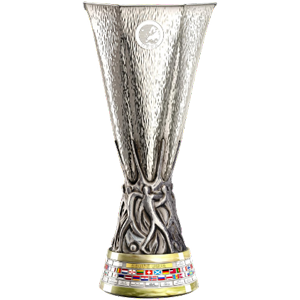
The first Europa League title
Villa beat Freiburg 3–0 in Istanbul, with goals from Youri Tielemans, Emiliano Buendía and Morgan Rogers.
Unai Emery won the competition with a third different club, while Villa ended its wait for a major trophy since 1996. The victory also secured a place in the 2026/27 Champions League league phase.
Guardiola’s last City match
A home defeat by Aston Villa ended Guardiola’s ten-year tenure.
Supporters also said farewell to Bernardo Silva and John Stones. Guardiola subsequently moved into an ambassadorial role for City Football Group.
Paris win the Super Cup
Villa lost 2–1 to Paris Saint-Germain in Salzburg.
Young forward Brian Madjo equalised before half-time, before Désiré Doué scored the Paris winner. As Europa League champions, Villa returned to the UEFA Super Cup for the first time since winning the 1982 edition.