The history of Liverpool FC
Milestones and background from the club's history, in chronological order.
Categories
Competitions
Nicknames through the years Three names tell a story of near misses, late goals and an unbeaten season. Read the storiesClose the stories
1890–1899
John Houlding establishes a new club
After the dispute over Anfield, Everton left the ground.
John Houlding and his allies began establishing an independent club on March 15, 1892; Liverpool did not inherit Everton’s sporting identity or honours. Anfield became the new club’s home.
Liverpool receives its name
The Board of Trade confirmed the name Liverpool Football Club and Athletic Grounds Limited on June 3, 1892.
This completed the formal foundation process. Liverpool Football Club and the common short form Liverpool have since formed the club’s own identity, distinct from its corporate designation.
The first match at Anfield
Liverpool won its first match against Rotherham Town 7–1.
The team initially wore blue and white and included many players recruited from Scotland. The opposition was the Rotherham Town club dissolved in 1896, distinct from Rotherham United, formed in 1925.
A first title in the Lancashire League
Blackpool’s 1–0 defeat at Southport Central settled Liverpool’s first championship.
Both clubs finished on 36 points, with the contemporary goal-average rule favouring Liverpool. The regional Lancashire League was a separate competition rather than a national third division.
Entering the Football League
Liverpool won its first Football League match 2–0 at Middlesbrough Ironopolis.
The match was played at its separate Paradise Ground beside the later Ayresome Park. Entry to the Second Division had been secured by election, rather than sporting promotion from the Lancashire League.
An unbeaten Second Division championship
A 2–0 win over Crewe took Liverpool to 43 points and secured the title before the season ended.
Small Heath could reach no more than 42 and Notts County no more than 41. Liverpool remained unbeaten in all 28 league matches, but promotion still required a subsequent Test Match.
A Test Match opens the top flight
Liverpool beat Newton Heath 2–0 at neutral Ewood Park.
This Test Match victory secured the club’s first promotion to the top flight. Newton Heath was the contemporary name of today’s Newton Heath, rather than a separate club identity.

The first Merseyside league derby
Everton won the first league meeting with Liverpool 3–0 at Goodison Park.
The match brought together two separate neighbouring clubs after the Anfield split. It became the foundation of one of English football’s defining rivalries.
A Test Match ends in relegation
A 1–0 defeat to Bury at Ewood Park confirmed relegation after a single top-flight season.
Finishing bottom had not itself completed the decision: the contemporary system required a Test Match against a Second Division side. Liverpool returned to the second tier.
Goal average decides a second Second Division title
Manchester City completed its league programme by beating Notts County 2–0 and joined Liverpool on 46 points.
The tie became final only after this last match of the challengers: Liverpool’s goal average of 106:32 exceeded City’s 63:38. The championship did not bring automatic promotion.
An immediate return to the top flight
 West Bromwich Albion2:0
 Liverpool FCFootball League Test Matches Match 4 · April 27, 1896 · Location: West Bromwich Stadium: Stoney Lane
A 2–0 win over West Bromwich Albion secured one of the two top-flight places in the four-team Test Match competition.
Earlier matches against Small Heath had produced a 4–0 win and a goalless draw. The subsequent 2–0 defeat at Stoney Lane could not overturn promotion.

Roker Park opens with a victory
Sunderland opened its new Roker Park home with a 1–0 win over Liverpool FC, Arthur Saxton scoring the only goal.
The stadium became the centre of club life for almost a century. Its packed terraces and the supporters’ famous Roker Roar would become enduring parts of Sunderland’s identity.

Five goals in the championship decider
Villa beat Liverpool FC 5–0 in the final league fixture to win its fourth championship.
Liverpool FC could still take the title before the direct meeting, making the emphatic home victory decisive. The match became a defining occasion in Villa’s late Victorian era.


1900–1909
English league title number 1
Under Tom Watson, Liverpool won its 1st English championship.
Sunderland had already completed its programme with 42 points. Liverpool now had 45 points, while the nearest challenger could finish with no more than 42.

Relegation from the top flight 1901/02
 The Wednesday1:2
 Small HeathFootball League First Division Match 2 · April 19, 1902 · Location: Sheffield Stadium: Hillsborough Stadium
After three top-flight seasons City went down for the first time.
The final day’s results made the return to the Second Division definitive.
A second relegation
 Stoke1:1
 Derby CountyFootball League First Division Match 2 · April 23, 1904 · Location: Stoke-on-Trent Stadium: Victoria Ground
Even a 3–2 victory at Blackburn could not save Liverpool.
Stoke secured the necessary point against Derby and finished on 27, while Liverpool ended on 26. The second relegation was confirmed, with an immediate return in the following season.
Four goals seal a return to the top flight
Liverpool beat direct challengers Manchester United 4–0 and reached 56 points.
United could finish with no more than 53 after its final match, securing one of the two promotion places. Tom Watson led the team back to the First Division.
A third Second Division title
A 3–0 win over Burnley took Liverpool to 58 points and secured the Second Division championship.
Bolton had already completed its programme on 56. Unlike promotion, settled a week earlier, the title was now certain without relying on any goal-average calculation.

The first match at Stamford Bridge
Two days after the league opener, Chelsea won its first home match 4–0 against Liverpool.
The friendly introduced the new team to Stamford Bridge’s crowd. Bob McRoberts scored twice, with Martin Moran and Jimmy Windridge adding the other goals.
English league title number 2
Under Tom Watson, Liverpool won its 2nd English championship.
Despite Liverpool’s own defeat, the title was secured when Preston lost at Sunderland. Liverpool now had 49 points, while the nearest challenger could finish with no more than 48.
Liverpool won the Sheriff of London Charity Shield by beating Corinthian 5–1.
The neutral match at Craven Cottage brought together the new English champions and the leading London amateur club. This historical competition is distinct from the later Charity or Community Shield.
The Spion Kop becomes part of Anfield
The new large terrace at the southern end of Anfield was first used for the season opener against Stoke.
Its Spion Kop name referred to the hill and British losses in the Boer War. The stand developed into a defining location of Liverpool supporter culture.
A first relegation
A 3–1 defeat by Bristol City, together with wins for Notts County and Bury, confirmed Derby’s first relegation. County could no longer escape the bottom two. Its uninterrupted top-flight spell since the Football League began was over.
Relegation from the top flight 1908/09
 Bristol City1:0Manchester CityFootball League First Division Match 1 · April 28, 1909 · Location: Bristol City Stadium: Ashton Gate Stadium
 Newcastle United0:1Liverpool FCFootball League First Division Match 2 · April 30, 1909 · Location: Newcastle upon Tyne Stadium: St James' Park
The displayed results made the season’s decision definitive for the first time.
Wins were worth two points before 1981; goal average separated tied teams through 1975/76. Any preceding City fixture retains its actual date.


1910–1919

The first match at Old Trafford
United moved into Old Trafford, designed by Archibald Leitch.
The first match against Liverpool ended in a 4–3 defeat despite United taking the lead. The larger ground replaced Bank Street and became the club’s lasting centre.
English champions 1910/11
Manchester United5:1Sunderland AFCFootball League First Division Match 1 · April 29, 1911 · Location: Manchester Stadium: Old TraffordThe first championship at the new Old Trafford followed a close race with Aston Villa.
United beat Sunderland 5–1 while Villa lost at Liverpool. The two results delivered a second English title.
Derby’s survival hopes end at Liverpool
Manchester United’s 2–1 win at Liverpool mathematically confirmed Derby’s relegation, although County did not play that day. After two top-flight seasons the club returned to the Second Division.
The first FA Cup final
Liverpool reached the FA Cup final for the first time but lost 1–0 to Burnley.
The venue was the historical Crystal Palace stadium, distinct from the later Selhurst Park. Tom Watson’s team therefore remained without the national cup.
The 1915 match-fixing scandal
Players from United and Liverpool arranged the result of the Good Friday match and placed bets on it.
The investigation led to bans for seven players. The confirmed scandal occurred shortly before wartime suspended regular league football; later pardons following war service did not erase the incident.

The club’s highest league finish
Oldham completes its fixtures with a 2–0 defeat by Liverpool FC. In the final 1914/15 table, the club is second on 45 points, one behind champions Everton: its highest finish in England’s top division.

1920–1929

The end of the first great top-flight era
Wins for Derby County against Liverpool FC and Notts County against Aston Villa confirmed The Wednesday’s relegation. Even five further wins could no longer take the club out of the relegation places.
English league title number 3
Under David Ashworth, Liverpool won its 3rd English championship.
Tottenham simultaneously lost at Oldham and could finish with no more than 54 points. Liverpool now had 55 points, while the nearest challenger could finish with no more than 54.
English league title number 4
Under Matt McQueen, Liverpool won its 4th English championship.
Sunderland’s defeat at Burnley limited its possible total to 56 points. Liverpool now had 57 points, while the nearest challenger could finish with no more than 56.

Rivals’ results confirm relegation
 Middlesbrough FC0:3
 Sunderland AFCFootball League First Division Match 3 · May 5, 1928 · Location: Middlesbrough Stadium: Ayresome Park
Tottenham had completed all 42 matches and remained on 38 points.
Wins for Manchester United, The Wednesday and Sunderland took all three above Tottenham; relegation followed in a tightly packed table.
Level on points is not enough
Middlesbrough FC0:3Sunderland AFCFootball League First Division Match 1 · May 5, 1928 · Location: Middlesbrough Stadium: Ayresome ParkMiddlesbrough lost 3–0 to Sunderland while Manchester United beat Liverpool 6–1. Boro finished on 37 points but had an inferior goal average to its decisive rivals. Relegation came after just one top-flight season.

1930–1939

Relegation from the top flight 1930/31
 Blackpool FC1:0
 Derby CountyFootball League First Division Match 3 · April 3, 1931 · Location: Blackpool Stadium: Bloomfield Road
A run of twelve defeats at the start of the season led to another relegation.
The draw at Liverpool and results in the lower half of the table made the loss of top-flight status final. Financial problems subsequently threatened the club’s survival.

English champions for the first time
A 3–1 victory over Liverpool FC secures Arsenal’s first English league championship.
Herbert Chapman’s side settles the title race before the final round of matches. The championship follows the previous year’s FA Cup and confirms the club’s emergence among England’s leading teams.
White sleeves become a trademark
Against Liverpool FC, Arsenal wears red shirts with white sleeves for the first time.
The match is lost 1–0, but the new appearance becomes an enduring symbol of the Gunners. The design is associated with Herbert Chapman’s wish for an instantly recognisable team.
Relegation despite an emphatic home win
Tottenham beat Liverpool emphatically, but Middlesbrough’s win at Aston Villa confirmed relegation.
Safety was beyond reach even with another victory.
Relegation from the top flight 1937/38
Stoke City2:0Liverpool FCFootball League First Division Match 4 · May 7, 1938 · Location: Stoke-on-Trent Stadium: Victoria GroundThe reigning champions went down despite scoring more league goals than any other team that season.
City’s defeat at Huddersfield and the immediate rivals’ results settled the historic fall.

Relegation before the war
Middlesbrough FC4:1West Bromwich AlbionFootball League First Division Match 1 · May 7, 1938 · Location: Middlesbrough Stadium: Ayresome ParkStoke City2:0Liverpool FCFootball League First Division Match 5 · May 7, 1938 · Location: Stoke-on-Trent Stadium: Victoria GroundWest Bromwich Albion lose 4–1 at Middlesbrough FC on the final day, while several threatened rivals win. Albion are relegated in bottom place with 36 points. The previous season’s English champions, Manchester City, also drop into the Second Division.

Molineux attendance record
A crowd of 61,315 saw Wolves beat Liverpool FC 4–1 in the FA Cup fifth round, setting Molineux’s attendance record.



1940–1949

The top-flight era ends
A 1–1 draw with Liverpool leaves Brentford on 25 points.
Under the two-points system, the two remaining games allow a maximum of 29, while even the teams immediately above the relegation places already have at least 30. Relegation is therefore certain. The ageing pre-war team cannot recover its former strength after the long wartime interruption.
A championship decided in June
Stoke’s 2–1 defeat at Sheffield United made Liverpool English champions for the fifth time.
Liverpool had completed its league programme on May 31 with a 2–1 win at Wolverhampton and 57 points, while a Stoke victory could still have produced 58. Severe winter weather had delayed fixtures into June.

Champions of England for the first time
Portsmouth won 2–1 at Bolton. Newcastle’s 1–1 draw at Liverpool and Manchester United’s 2–2 against Preston put Pompey beyond every rival’s reach. Bob Jackson’s side were champions of England for the first time.
Captain Reg Flewin, Jimmy Dickinson, Peter Harris, Len Phillips and Jack Froggatt were among the leading players. The season ended with 58 points from 42 matches.

1950–1959
The Liver Bird first appears on the shirt
For the league match at Portsmouth, Liverpool first wore the Liver Bird in a red shield on its white shirt.
The badge also appeared in the following FA Cup final and was later reused on away shirts. A crest appeared regularly on home shirts only from 1955.
A second final without the cup
Liverpool lost its second FA Cup final 2–0 to Arsenal.
The white shirt carried a Liver Bird in a red shield. The final at the original Wembley combined another sporting disappointment with an important stage in the crest’s history.
Relegation begins a long second-tier spell
The 1–0 defeat to Cardiff confirmed relegation with two games remaining.
Liverpool had 26 points and could finish with no more than 30, while the next two clubs already had at least 31. The club would not return to the top flight until 1962.

Steve Mokone scores on his debut
South African forward Steve Mokone scored on his Cardiff City debut in a 3–2 win over Liverpool. A pioneer of South African football in Europe, Mokone’s spell in Cardiff was brief.
Bill Shankly begins the rebuilding
Bill Shankly took charge of the Second Division side on December 1, 1959.
Working with his coaching staff, he developed training methods, a clear playing identity and the later celebrated Boot Room collaboration. Promotion and the successes of the 1960s transformed the club.
Four goals on Shankly’s Liverpool debut
Cardiff City won 4–0 at Anfield in Bill Shankly’s first match as Liverpool manager. The away victory was a memorable result for Bill Jones’s side on its way towards promotion.


1960–1969
Championship and promotion after eight years
A 2–0 win over Southampton took Liverpool to 55 points and secured both the Second Division championship and promotion.
Orient and Sunderland could each finish with no more than 54 points. Bill Shankly’s side ended eight seasons outside the top flight.
The Kop finds its anthem
Before the home match against West Bromwich Albion, Gerry and the Pacemakers’ recording first entered Anfield’s contemporary chart-based selection.
Supporters continued singing You’ll Never Walk Alone after it left the leading chart positions. It became the shared anthem of the club and its fans.

The Anfield cup upset
Swansea Town win their FA Cup quarter-final 2–1 at eventual English champions Liverpool. Jimmy McLaughlin and Keith Todd score before half-time. Goalkeeper Noel Dwyer plays a crucial part in protecting the lead and securing the club’s second semi-final appearance.
English league title number 6
Under Bill Shankly, Liverpool won its 6th English championship.
The 5–0 win over Arsenal made Liverpool English champions just two years after promotion. Liverpool now had 56 points, while the nearest challenger could finish with no more than 53.

A parallel match confirms relegation
Birmingham’s 3–1 win over Liverpool took the rivals to 27 points.
With one game remaining, Ipswich could reach only 25, confirming relegation two years after winning the English championship.

A shared Charity Shield
League champions Liverpool and cup winners West Ham United draw 2–2 at Anfield. Under the rules of the time, the Charity Shield is shared. Johnny Byrne and Geoff Hurst score West Ham’s goals.
The first European match
As English champions of 1963/64, Liverpool entered the European Cup for the first time.
Bill Shankly’s side won the preliminary-round first leg away to KR Reykjavík 5–0 at Laugardalsvöllur on August 17, 1964. Gordon Wallace scored Liverpool’s first European goal in the third minute. Wallace and Roger Hunt each scored twice, with Phil Chisnall adding the other goal.
All red for the first time
Against Anderlecht, Liverpool first paired red shorts with its red shirts and won 3–0.
Bill Shankly wanted to strengthen the impact of his team. The all-red kit became an enduring identifying feature of the Reds.

The coin toss in Rotterdam
1. FC Köln0:0 Liverpool FCEuropean Champion Clubs' Cup Match 1 · February 10, 1965 · Location: Köln Stadium: Müngersdorfer StadionLiverpool FC2:2a.e.t.1. FC KölnEuropean Champion Clubs' Cup Match 3 · March 24, 1965 · Location: Rotterdam Stadium: De Kuip Neutral venue
A 2–2 draw after extra time with Liverpool is settled by a coin toss against Köln.
Both earlier legs had finished goalless. Wolfgang Weber breaks his fibula in the decider at De Kuip, before Liverpool advance on a coin toss.
At last, a first FA Cup
Ian St John scored the extra-time winner against Leeds.
After the lost finals of 1914 and 1950, Liverpool finally won the FA Cup.

Charity Shield shared 1965
United and Liverpool FC drew 2–2.
Under the contemporary rules, the two teams shared the Charity Shield.

A controversial semi-final exit at Anfield
Celtic missed the European Cup Winners’ Cup final after a 2–0 defeat at Liverpool FC on April 19, 1966.
Bobby Lennox had secured a 1–0 first-leg win at Celtic Park. Liverpool FC overturned the tie in the return, while a late Lennox effort was disallowed for offside. The controversial decision became part of Celtic’s memory of a semi-final lost 2–1 on aggregate.
English league title number 7
Under Bill Shankly, Liverpool won its 7th English championship.
Leeds could reach 58 points and Burnley 57. Liverpool now had 60 points, while the nearest challenger could finish with no more than 58.
Defeat in the first European final
Liverpool’s first European final ended in a 2–1 extra-time defeat to Borussia Dortmund.
The match took place at Hampden Park, where the German side won the Cup Winners’ Cup.

English champions for the first time
A goalless draw at Anfield secured Leeds’ first English championship.
Its 65 points exceeded Liverpool’s remaining maximum of 64. The final record was 67 points with only two defeats, achieved under the two-points-for-a-win system.





1970–1979

Relegation to the Second Division again
The 1–0 defeat by Liverpool FC confirmed relegation to the Second Division.
Even a victory in Sunderland’s last match could no longer provide enough points to reach safety. Difficult second-tier years followed before Bob Stokoe and the FA Cup brought an unexpected change in fortunes.
Arsenal wins in extra time
Despite Steve Heighway’s opener, Liverpool lost the FA Cup final 2–1 after extra time.
Arsenal completed the league and cup double.

Charity Shield at Filbert Street
As Second Division champions Leicester City beat FA Cup runners-up Liverpool FC 1–0 in the FA Charity Shield. Steve Whitworth scored the winner at Filbert Street.

English champions for the first time
Liverpool drew 0–0 at Arsenal and Leeds lost 2–1 at Wolves. Only those two results confirmed Derby as English champions. County had already completed its league fixtures and followed the final decisions from afar.
Derby finished on 58 points. In five years Clough and Taylor had taken the club from the second tier to the national championship. The title also opened the way to the European Cup.

Liverpool bring a record crowd to the Sportforum
A crowd of 20,000 watched the goalless first leg against Liverpool at the Sportforum.
The English side won the return at Anfield 3–1 and later lifted the UEFA Cup; the Berlin attendance remained a landmark for the ground.
English league title number 8
Under Bill Shankly, Liverpool won its 8th English championship.
The goalless draw was enough, with Arsenal able to reach no more than 59 points after this matchday. Liverpool now had 60 points, while the nearest challenger could finish with no more than 59.
The first UEFA Cup
Liverpool won the UEFA Cup over a two-legged final.
The 3–0 first-leg victory against Mönchengladbach survived a 2–0 defeat in the return to bring a first European trophy under Bill Shankly.
Bob Paisley takes over from the Boot Room
After Bill Shankly’s retirement, his long-serving assistant Bob Paisley took over in 1974.
Continuity within the staff developed into a distinct and exceptionally successful managerial era. Under Paisley, Liverpool won six English championships and its first three European Cups.

Arsenal’s win confirms Leeds as champions
Liverpool’s 1–0 home defeat by Arsenal confirmed Leeds’ second English championship.
United had reached 60 points with a 3–2 win over Ipswich, while Liverpool could now reach only 59. Revie’s side had begun the campaign with 29 unbeaten league matches.

Relegation from the top flight 1973/74
Manchester United0:1 Manchester CityFootball League First Division Match 1 · April 27, 1974 · Location: Manchester Stadium: Old Trafford
Relegation became final on the day of the derby defeat.
Denis Law scored City’s goal, but Birmingham and West Ham obtained results that would have relegated United even with a derby win. The decline after Busby’s era ended in the Second Division.

An away win cannot prevent relegation
Birmingham beat Norwich 2–1 while West Ham drew 2–2 with Liverpool. Those results relegated Southampton despite their own 3–0 win at Everton, in the first season with three First Division relegation places.
Shankly’s second FA Cup
Two goals from Kevin Keegan and one from Steve Heighway settled the final against Newcastle.
The 3–0 victory was the last major trophy under Bill Shankly.
Dismissals and a shoot-out at Wembley
The Charity Shield finished 1–1 after 90 minutes, with Liverpool winning the shoot-out 6–5.
Billy Bremner and Kevin Keegan had both been sent off. The match was one of the few competitive fixtures under Brian Clough and became famous for the confrontation between the two players.

Arconada begins against Liverpool
Luis Arconada made his competitive Real Sociedad debut against Liverpool in the UEFA Cup.
A 3–1 defeat at Atotxa marked the beginning of an exceptional goalkeeping career. The San Sebastián-born player would become one of the defining figures of the club and its most successful team.
English league title number 9
Under Bob Paisley, Liverpool won its 9th English championship.
A late comeback at Wolverhampton took Liverpool past Queens Park Rangers, whose completed total was 59 points. Liverpool now had 60 points, while the nearest challenger could finish with no more than 59.
The second UEFA Cup
Liverpool won the UEFA Cup over a two-legged final.
After a 3–2 win at Anfield, a 1–1 draw at Club Brugge KV completed a 4–3 aggregate victory and the league and UEFA Cup double under Bob Paisley.

Liverpool wins the Charity Shield
FA Cup winners Southampton met champions Liverpool at Wembley. John Toshack’s goal gave Liverpool a 1–0 victory.
English league title number 10
Under Bob Paisley, Liverpool won its 10th English championship.
The point against West Ham was sufficient because Manchester City could finish with no more than 56 points. Liverpool now had 57 points, while the nearest challenger could finish with no more than 56.
Manchester United denies the treble
Liverpool lost the FA Cup final 2–1 to Manchester United.
Four days before the European Cup final, this ended the chance to win the league, FA Cup and European Cup in the same season.
European champions for the first time
Terry McDermott, Tommy Smith and Phil Neal scored in the 3–1 win over Mönchengladbach.
Four days after losing the FA Cup final, Liverpool won its first European Cup in Rome.
Charity Shield shared 1977
United and Liverpool FC drew 0–0.
Under the contemporary rules, the two teams shared the Charity Shield.
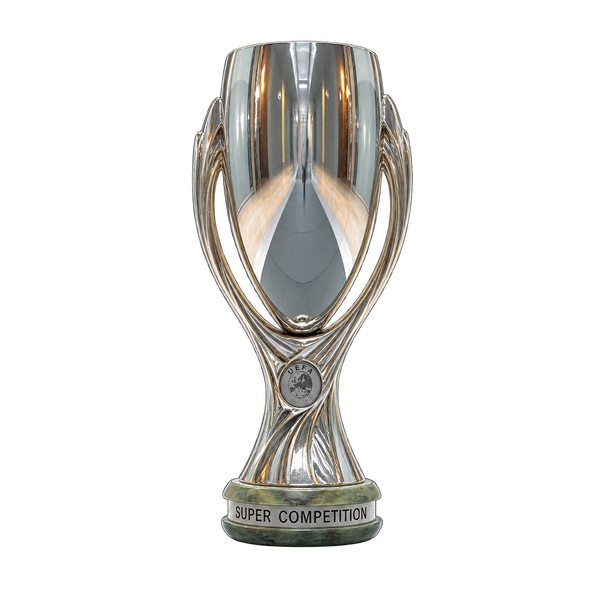
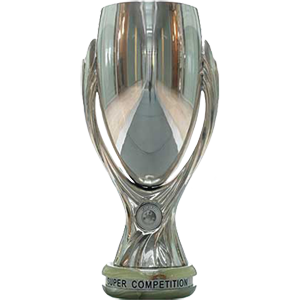
Six goals in the UEFA Super Cup
Liverpool won the UEFA Super Cup.
A 1–1 draw in Hamburg was followed by a 6–0 victory at Anfield for a 7–1 aggregate success.

Dalglish settles the League Cup quarter-final
Wrexham lost the League Cup quarter-final 3–1 to Liverpool before 25,641 spectators. John Lyons equalised just before half-time, but Kenny Dalglish scored all three away goals. Wrexham’s successful season brought a last-eight place in this cup as well.

League Cup glory in the replay
After a goalless final at Wembley, Forest beat Liverpool 1–0 in the replay at Old Trafford on March 22, 1978. John Robertson converted the decisive penalty.
Chris Woods deputised for Peter Shilton, who was cup-tied after appearing for Stoke earlier in the competition. Forest had won their first League Cup.
The European Cup stays in Liverpool
Kenny Dalglish scored the only goal against Club Brugge KV.
Liverpool retained the European Cup at the original Wembley.
The holders are knocked out
Forest met holders Liverpool in the first round of the European Cup.
Garry Birtles and Colin Barrett scored in the 2–0 win at the City Ground on September 13; a goalless draw at Anfield two weeks later secured progress. On their European Cup debut, Forest had eliminated their strongest English rivals.
42 league games unbeaten
Liverpool ended Forest’s run of 42 unbeaten league games with a 2–0 win at Anfield on December 9, 1978. The sequence had begun in November 1977 and included their championship season.
It remained the top-flight record until Arsenal’s longer run in 2004.
English league title number 11
Under Bob Paisley, Liverpool won its 11th English championship.
West Bromwich Albion could still reach 63 points. The subsequent season totals of 68 points and just 16 goals conceded set new standards. Liverpool now had 64 points, while the nearest challenger could finish with no more than 63.






1980–1989

Farewell to Dixie Dean
Dixie Dean died from a heart attack while attending the Merseyside derby at Goodison Park.
The record-breaking striker was 73. His connection with Everton extended far beyond the 60-goal season, and the derby result receded in importance beside his death.
English league title number 12
Under Bob Paisley, Liverpool won its 12th English championship.
Manchester United simultaneously lost 2–0 at Leeds and finished on 58 points. Liverpool now had 60 points, while the nearest challenger could finish with no more than 58.
A first League Cup in the replay
Following a 1–1 draw at Wembley, Liverpool won the Villa Park replay 2–1.
Alan Kennedy scored both goals to secure the club’s first League Cup.
Alan Kennedy settles the Paris final
Alan Kennedy’s late goal against Real Madrid brought a third European Cup.
Bob Paisley became the first manager to win the competition three times.
The League Cup is retained
Liverpool came from behind against Tottenham and won 3–1 after extra time.
Ronnie Whelan scored twice and Ian Rush once.
English league title number 13
Under Bob Paisley, Liverpool won its 13th English championship.
Ipswich lost to Nottingham Forest and could reach no more than 83 points. This was the first English league season under the three-points-for-a-win system. Liverpool now had 86 points, while the nearest challenger could finish with no more than 83.
Three consecutive League Cups
Alan Kennedy equalised against Manchester United before Ronnie Whelan scored in extra time.
The 2–1 win brought a third consecutive League Cup.
English league title number 14
Under Bob Paisley, Liverpool won its 14th English championship.
Manchester United’s draw at Norwich settled the championship despite Liverpool’s own defeat at Tottenham. Liverpool now had 81 points, while the nearest challenger could finish with no more than 79.

Runners-up and qualified for Europe for the first time
A 2–1 win over champions Liverpool secured second place and Watford’s first UEFA Cup qualification. They finished on 71 points, with Luther Blissett the First Division’s leading scorer on 27 goals.

Charity Shield won 1983
United won the final against Liverpool FC 2–0.
The success added to the club’s trophy collection.
A fourth League Cup in the derby
After the goalless Wembley final, Liverpool won the Maine Road replay 1–0.
Graeme Souness settled the first all-Merseyside League Cup final.
English league title number 15
Under Joe Fagan, Liverpool won its 15th English championship.
Manchester United and Southampton also drew, leaving each able to reach no more than 77 points. Liverpool now had 79 points, while the nearest challenger could finish with no more than 77.
The treble is completed in Rome
Following a 1–1 draw against Roma, Liverpool won the shootout 4–2.
Joe Fagan’s first season ended with the league championship, League Cup and European Cup.

A Merseyside Charity Shield triumph
Everton beat Liverpool 1–0 at Wembley.
A Bruce Grobbelaar own goal decided the Charity Shield. After the FA Cup, it was another trophy for Howard Kendall’s side.
Remembering the 39 victims of Heysel
Before the European Cup final at Brussels’ Heysel Stadium, 39 people died as crowd violence led to a rush away from the danger and a boundary wall collapsed.
Remembrance centres on the victims and their families. The match subsequently played ended 1–0 to Juventus; English clubs were then excluded from UEFA competitions for five years and Liverpool for six.
English league title number 16
Under Kenny Dalglish, Liverpool won its 16th English championship.
Dalglish himself scored the decisive goal at Chelsea. No challenger could still reach 88 points. Liverpool now had 88 points, while the nearest challenger could finish with no more than 87.
Dalglish wins the double
Liverpool came from behind to beat Everton 3–1 in the Merseyside final.
Kenny Dalglish led the club to the league and FA Cup double in his first season as player-manager.
The Charity Shield is shared
Everton and Liverpool drew 1–1 in the Charity Shield, with Adrian Heath scoring for Everton.
Under the rules then in force there was neither a penalty shoot-out nor a replay. The two clubs shared the trophy.
The one-off Football League Super Cup
Everton FC1:4 Liverpool FCFootball League Super Cup Second leg · September 30, 1986 · Location: Liverpool Stadium: Goodison Park
Liverpool won the only Football League Super Cup with a 7–2 aggregate victory over Everton.
The competition had been created after English clubs’ exclusion from European football, and the finals of the 1985/86 edition were delayed until September 1986. It is distinct from the UEFA Super Cup.

The first League Cup under George Graham
Arsenal wins the English League Cup for the first time.
Charlie Nicholas scores both goals in a 2–1 victory over Liverpool FC, overturning Ian Rush’s opener. George Graham’s first season as manager brings a trophy and marks the beginning of a new successful team.
English league title number 17
Under Kenny Dalglish, Liverpool won its 17th English championship.
The 1–0 win over Tottenham secured the championship with four games remaining. Liverpool now had 84 points, while the nearest challenger could finish with no more than 81.
Wimbledon denies a second double
The newly crowned English champions lost the FA Cup final 1–0 to Wimbledon.
Dave Beasant saved John Aldridge’s penalty and Liverpool’s hopes of another double ended.
Remembering the 97 victims of Hillsborough
The Hillsborough disaster fatally injured 97 Liverpool supporters.
The FA Cup semi-final against Nottingham Forest was abandoned after a few minutes and has no final result. Families campaigned for truth and justice for decades, and the 2016 inquests found unlawful killing. Andrew Devine died from the consequences of his injuries in 2021 and was recognised as the 97th victim.
A cup victory amid mourning
Five weeks after Hillsborough, the two Merseyside clubs came together for the final.
Liverpool won 3–2 after extra time, but the shared loss shaped the day far beyond its sporting result.

The end of the Lyall era
A 5–1 defeat at Liverpool confirms West Ham United’s relegation from the First Division. The club finish next to bottom with 38 points. John Lyall’s long spell as manager ends soon afterwards.
The title is lost with the final goal
Arsenal won the direct season finale at Anfield 2–0 and overtook Liverpool.
With points and goal difference level, Arsenal’s greater number of goals scored decided the title. Michael Thomas scored in added time to settle the championship.

Nine goals conceded at Anfield
Liverpool beat newly promoted Palace 9–0.
The defeat exposes the difficulty of adapting to the First Division. Only months later, the same opponents give Palace an opportunity for a remarkable response in the FA Cup semi-final.







1990–1999
Revenge against Liverpool leads to the final
Palace beat Liverpool 4–3 after extra time at Villa Park.
Alan Pardew scores the decisive goal in a dramatic FA Cup semi-final. Following the 9–0 league defeat, victory becomes a famous reversal and sends the club to its first FA Cup final.
English league title number 18
Under Kenny Dalglish, Liverpool won its 18th English championship.
Aston Villa simultaneously drew 3–3 with Norwich and could reach no more than 72 points. Liverpool now had 73 points, while the nearest challenger could finish with no more than 72.

Charity Shield shared 1990
United and Liverpool FC drew 1–1.
Under the contemporary rules, the two teams shared the Charity Shield.

The title is secured before Arsenal kicks off
Liverpool FC’s 2–1 defeat at Nottingham Forest makes Arsenal champion before its own evening match begins.
Arsenal then celebrates with a 3–1 win over Manchester United at Highbury. The team loses only once throughout the league season; even a two-point deduction following the confrontation with United does not prevent the title.

Liverpool stops Pompey on penalties
Portsmouth held Liverpool to 1–1 after extra time at Highbury. The Villa Park replay finished goalless after extra time before Liverpool won the shoot-out 3–1.

Champions of the final First Division season
Leeds won a dramatic match at Sheffield United 3–2 to reach 79 points.
Liverpool’s subsequent 2–0 victory over Manchester United limited the title rivals to a maximum of 78. Howard Wilkinson’s side won the last championship before the Premier League began, eventually finishing on 82 points.

Third place after promotion
Wednesday completed the final season of the old First Division with a 0–0 draw against Liverpool FC. Trevor Francis’s newly promoted side finished third with 75 points.
The FA Cup in the centenary year
Michael Thomas and Ian Rush scored in the 2–0 win over Sunderland.
The cup victory provided a sporting highlight in the club’s centenary year.
Cantona’s hat-trick wins the Charity Shield
Eric Cantona scored a hat-trick in a 4–3 win over Liverpool at the original Wembley.
Leeds won its second Charity Shield just before the Premier League began. The French forward dominated a high-scoring final before joining Manchester United a few months later.

White Hot at Anfield
Third-tier Bolton beat holders Liverpool 2–0 in the FA Cup third-round replay. John McGinlay and Andy Walker scored at Anfield, making the evening a high point of the White Hot Cup era.

Tinnion’s goal decides the replay at Anfield
Brian Tinnion scored the only goal of the FA Cup replay at Liverpool. The away victory became one of Bristol City’s most celebrated Cup memories.
The last day of the standing Kop
The 1–0 defeat to Norwich was the final match before the Kop was rebuilt as a seated stand.
Supporters bade farewell to the terrace that had shaped Anfield’s atmosphere for decades. The rebuilding changed the stand rather than the physical identity of the stadium.
McManaman’s double brings the League Cup
Steve McManaman scored both goals in the 2–1 victory over Bolton.
Under Roy Evans, Liverpool won a major cup again after three years.

Champions despite defeat at Liverpool
Rovers lost 2–1 at Anfield, but Manchester United could manage only a 1–1 draw at West Ham United. With 89 points to United’s 88, Rovers won the Premier League and their third English championship.
Jack Walker’s ambition became reality under Kenny Dalglish. Alan Shearer and Chris Sutton formed the strike partnership known as SAS, supported by a team that made Blackburn champions again 81 years after their previous league title.
Four–three at Anfield
Stan Collymore’s late goal settled an extraordinary 4–3 match against Newcastle.
The repeatedly changing lead made it one of the Premier League’s best-known games. It was a celebrated victory rather than a mathematical title clincher for Liverpool.

Goal difference saves Southampton
Southampton’s goalless draw with Wimbledon and Manchester City’s 2–2 draw with Liverpool secured survival. Both clubs finished on 38 points, with the Saints staying up on superior goal difference.

Relegation from the top flight 1995/96
The 2–2 draw against Liverpool was insufficient because Southampton and Coventry also drew.
Incorrect information about the parallel games affected the closing minutes; all three decisive matches were played on May 5.

FA Cup won 1996
Eric Cantona’s late goal decided the final against Liverpool.
United became the first English club to win the league and FA Cup Double twice. The team’s young core had established itself at the highest level.

Ravanelli’s debut hat-trick
Fabrizio Ravanelli scored a hat-trick on his Premier League debut. A 3–3 draw with Liverpool opened a season of famous names and high expectations, but also serious setbacks.
English champions 1996/97
Newcastle drew at West Ham while Liverpool lost to Wimbledon at their then home, Selhurst Park.
Neither challenger could catch United afterwards. It was a fourth championship in five Premier League seasons.

Farewell to Roker Park
Sunderland said farewell to Roker Park with a 1–0 friendly win over Liverpool FC.
The opponents and score matched the ground’s opening fixture in 1898. Almost 99 years at its old home ended, with the club moving into the newly built Stadium of Light that summer.

Celta also wins at Anfield
Celta followed a 3–1 home win with a 1–0 victory at Liverpool to reach the UEFA Cup quarter-finals.
Revivo scored at Anfield. The two victories over the English club became one of the best-known chapters of Celta’s golden European years.




2000–2009

Mark Viduka scores all four against Liverpool
Mark Viduka scored every Leeds goal in a 4–3 win over Liverpool.
United had trailed 2–0 and later 3–2. The Australian forward almost single-handedly decided one of the best-known matches of the O’Leary era.
The first part of the cup treble
Liverpool beat Birmingham 5–4 on penalties after a 1–1 draw.
The Millennium Stadium final opened the sequence of three major cup victories for Gérard Houllier’s side.
Michael Owen turns the FA Cup final
Two late goals from Michael Owen turned the deficit against Arsenal into a 2–1 win.
After the League Cup, Liverpool had also won the FA Cup.
A golden goal completes the cup treble
The extraordinary final against Alavés ended 5–4 in extra time.
An own goal under the contemporary golden-goal rule settled the UEFA Cup and completed Houllier’s League Cup, FA Cup and UEFA Cup treble.

Charity Shield final defeat 2001
United lost the final against Liverpool FC 1–2.The team was beaten in the final.
The UEFA Super Cup follows the cup treble
Liverpool won the UEFA Super Cup.
The 3–2 win over Bayern Munich followed Houllier’s three major cup victories in the previous season.

Opening night at Anfield
Boavista draw 1–1 at Liverpool FC to open their 2001/02 Champions League campaign.
Silva gives the Portuguese champions an early lead before Michael Owen equalises. Boavista later reach the second group stage.

4–2 against Liverpool in the quarter-finals
Bayer 04 beat Liverpool FC 4–2 in the Champions League second leg to reach their first semi-final.
After a 1–0 defeat at Anfield, Leverkusen must turn the tie around at home. The contest remains open until Lúcio scores Bayer's fourth late on, sealing a 4–3 aggregate win and a first Champions League semi-final.

Six Premier League years come to an end
Derby lost 2–0 at Liverpool, confirming relegation. Its Premier League spell dating from 1996 was over. The club had to rebuild in the second tier.

Relegation is confirmed at Liverpool
A 5–0 defeat at Liverpool confirmed relegation on the final day.
One year after finishing fifth, Ipswich returned to the second tier.

Liverpool end the League Cup run
United win the first leg of the League Cup semi-final against Liverpool 2–1. Liverpool then win 2–0 after extra time at Anfield to reach the final 3–2 on aggregate.
Gerrard and Owen win the League Cup
Steven Gerrard and Michael Owen scored in the 2–0 win over Manchester United.
Liverpool won the League Cup for the seventh time.

Thompson and Hartson conquer Anfield
Celtic reached the UEFA Cup semi-finals with a 2–0 win at Liverpool FC on March 20, 2003.
After a 1–1 draw at Celtic Park, Alan Thompson’s free-kick and John Hartson’s long-range strike settled the return at Anfield. Martin O’Neill’s team won the British tie 3–1 on aggregate and continued towards its eventual final in Seville.

Liverpool is beaten at Turf Moor
Burnley beat Liverpool 1–0 in the FA Cup. Djimi Traoré’s own goal decided the match. The second-tier club claimed one of its best-known cup victories against a favourite.

Mourinho’s first trophy
Chelsea beat Liverpool 3–2 after extra time in the League Cup final.
Steven Gerrard’s own goal cancelled an early deficit before Didier Drogba and Mateja Kežman scored in the additional period. José Mourinho won his first Chelsea trophy.

Liverpool’s defeat confirms fourth place
Liverpool’s 3–1 defeat at Arsenal made Everton’s fourth place mathematically certain.
Everton had beaten Newcastle 2–0 the previous day. David Moyes’ side qualified for the Champions League third qualifying round rather than directly for the group stage.
The miracle of Istanbul
Liverpool recovered from a 3–0 half-time deficit against Milan to draw 3–3 after extra time.
Rafael Benítez’s side won the shootout 3–2 and claimed a fifth European Cup.
The UEFA Super Cup after Istanbul
Liverpool won the UEFA Super Cup.
Following a 1–1 score after normal time, CSKA Moscow was beaten 3–1 in extra time.

The holders visit for the group-stage debut
Betis’s first Champions League group match brought a visit from holders Liverpool.
Two early goals gave the English club a 2–1 victory, with Arzu replying for the hosts. Despite defeat, Europe’s biggest club stage had arrived in Heliópolis.

An eight-goal cup tie against Liverpool FC
Luton led Champions League winners Liverpool FC 3–1 in the FA Cup, but the eventual cup winners fought back to win 5–3.
Gerrard’s final in Cardiff
Steven Gerrard’s late long-range strike took Liverpool into extra time against West Ham.
After the 3–3 draw, a 3–1 shootout victory secured a seventh FA Cup.
Milan wins the second final
Two years after Istanbul, Liverpool and Milan met again in the Champions League final.
At the Athens Olympic Stadium, Milan won 2–1.

Pompey wins in Hong Kong
The final against Liverpool at Hong Kong Stadium ended goalless. Portsmouth won the ensuing shoot-out 4–2 to take the Premier League Asia Trophy.

Liverpool confirm another relegation
A 2–0 home defeat by Liverpool confirms West Bromwich Albion’s relegation from the Premier League. Even a final-match victory cannot close the gap. The return following an attacking Championship title season ends in bottom place.

Seventh place brings Europe
Despite a 2–0 home defeat to Everton, Fulham remained seventh.
Tottenham’s simultaneous 3–1 loss at Liverpool confirmed the final Europa League place available through the league. It was Fulham’s best top-flight finish and the starting point for the following European run.

A new home of their own in Cornellà-El Prat
Espanyol open the stadium with a 3–0 win over Liverpool.
After the years at the Olympic Stadium, Espanyol again move into a stadium of their own. They score three times against Liverpool in the opening match. The new home stands between Cornellà and El Prat de Llobregat.






2010–2019

Liverpool confirms relegation
Burnley lost 4–0 to Liverpool, confirming relegation from the Premier League. Its first season in the competition initially remained its only one.
The takeover ends the ownership crisis
New England Sports Ventures acquired Liverpool on October 15, 2010 following a sale process marked by debt and litigation.
The group, later known as Fenway Sports Group, replaced owners Tom Hicks and George Gillett. The change established new foundations for the club’s long-term development.
An eighth League Cup
The final against Cardiff went to penalties after a 2–2 draw.
Liverpool won the shootout 3–2 and claimed an eighth League Cup under Kenny Dalglish.

The seventh FA Cup
Ramires and Didier Drogba scored in the 2–1 FA Cup final win over Liverpool.
Chelsea won the competition for a seventh time. Roberto Di Matteo, a scorer in earlier Chelsea cup triumphs, had stabilised the club and delivered another trophy.

Three goals against Liverpool FC
Oldham beats Liverpool FC 3–2 in the FA Cup fourth round. Matt Smith scores twice and Reece Wabara adds the third, giving Boundary Park another memorable cup afternoon against favoured opposition.

Six goals against Liverpool
Stoke lead Liverpool 5–0 at half-time on the way to a 6–1 victory at the Britannia Stadium. It is the club’s biggest Premier League win. Steven Gerrard scores the visitors’ consolation goal in his final Liverpool appearance.
Jürgen Klopp takes charge
Jürgen Klopp was appointed manager on October 8, 2015.
He developed an intense playing style and a close connection between the team and its supporters. The ensuing era brought the Champions League, Club World Cup and long-awaited English championship among its honours.

First European knockout match
Augsburg holds Liverpool to a 0–0 draw in its first European knockout match.
The first leg of the round of 32 takes place at the WWK ARENA.
European campaign ends at Anfield
An early James Milner penalty decides the return leg for Liverpool.
Augsburg exits in the round of 32 after the 1–0 defeat.

League Cup 2016: City win the final
1:1a.e.t. · 1:3 on pensCity won the final against Liverpool.
The result was 1–1 after extra time. City won the shoot-out 3–1. This added another trophy in the competition.
Sevilla wins the Europa League final
1:3After Daniel Sturridge opened the scoring, Liverpool lost the Europa League final 3–1 to Sevilla.
Klopp’s first European campaign with Liverpool ended without a trophy at Basel’s St Jakob-Park.
The expanded Main Stand opens
Liverpool returned to Anfield following the Main Stand expansion with a 4–1 win over Leicester.
The enlarged stand added places and modern facilities within the existing stadium. It has since formed the arena’s largest structure.

From 3–1 down to a 4–3 win over Liverpool FC
Bournemouth trailed Liverpool FC 3–1 before a remarkable late turnaround.
Nathan Aké scored the stoppage-time winner to complete a 4–3 victory. The club’s first win over Liverpool FC captured the spirit of Eddie Howe’s adventurous side: even a serious setback could be overcome against one of the league’s leading teams.
European debut against Liverpool FC
1:2Hoffenheim lose their first European competitive match, 1–2 at home to Liverpool FC in Champions League qualifying.
TSG go out of Champions League qualifying after a 2–4 defeat at Anfield and continue in the Europa League. The opening European match remains a club milestone.
Final defeat in Kyiv
3:1Liverpool lost the Champions League final 3–1 to Real Madrid.
Mohamed Salah went off injured, and the final became a painful step before the triumph the following year.
Four goals bring the final
3:04:0Liverpool overturned the 3–0 defeat in Barcelona with a 4–0 victory at Anfield to reach the Champions League final.
Divock Origi and Georginio Wijnaldum each scored twice for a 4–3 aggregate victory. The trophy itself was won only in the subsequent final.
A sixth European Cup
0:2Mohamed Salah and Divock Origi scored in the 2–0 win over Tottenham in Madrid.
Jürgen Klopp won the Champions League with Liverpool for the first time and brought home the club’s sixth European Cup.

Community Shield 2019: City win the final
1:14:5 on pensCity won the final against Liverpool.
The result was 1–1. City won the shoot-out 5–4. This added another trophy in the competition.
A fourth UEFA Super Cup
2:2a.e.t. · 5:4 on pensLiverpool won the UEFA Super Cup.
Following a 2–2 draw against Chelsea, Liverpool won the shootout 5–4.
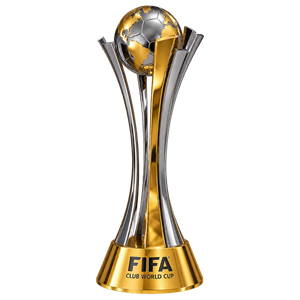
World champions for the first time
Roberto Firmino scored the only goal in extra time against Flamengo.
Liverpool won the FIFA Club World Cup for the first time.




2020–2029

Watford ends Liverpool’s run
Ismaïla Sarr scored twice and Troy Deeney added the third in a 3–0 win over Liverpool. Watford ended the leaders’ 44-match unbeaten Premier League run and their sequence of 18 consecutive wins.
English champions again after 30 years
Manchester City’s 2–1 defeat at Chelsea secured Liverpool’s first Premier League title and 19th English championship.
Liverpool had 86 points and City could reach no more than 84 from seven remaining fixtures. The decision came in the season resumed after the pandemic interruption, without Liverpool playing that day.

Seven goals against the reigning champions
Ollie Watkins scored a hat-trick in a 7–2 victory over Liverpool FC, while Jack Grealish scored twice.
Villa inflicted an extraordinary defeat on the reigning English champions. The result became one of the most striking individual matches in its recent history.
Eleven penalties bring a ninth League Cup
0:0a.e.t. · 10:11 on pensAfter 120 goalless minutes, Liverpool converted all eleven penalties against Chelsea.
The 11–10 shootout win brought a ninth League Cup.
The FA Cup is also won on penalties
0:0a.e.t. · 5:6 on pensThe final against Chelsea again remained goalless after extra time.
Liverpool won the shootout 6–5 and added an eighth FA Cup to the League Cup.
Real Madrid wins in Saint-Denis
Liverpool lost the Champions League final 1–0 to Real Madrid.
The Stade de France is in Saint-Denis, distinct from the Parc des Princes in Paris. After two domestic cups, the season ended without the hoped-for third major trophy.
Community Shield 2022: Defeat in the final
3:1City lost the final against Liverpool.
The result was 1–3. Reaching the final did not produce a trophy.

Trossard’s hat-trick on De Zerbi’s debut
Leandro Trossard scores all three Brighton goals in a 3–3 draw at Liverpool.
Roberto De Zerbi’s first match as head coach brings a point at Anfield, with the Belgian defining a memorable start to the new era.

The new Wildpark opens against Liverpool
The completed BBBank Wildpark opens with a 4–2 defeat by Liverpool.
From 2018, the ground is rebuilt in stages at the existing site while matches continue. The friendly marks the inauguration of the fully enclosed arena.
The expanded Anfield Road Stand opens
0:0The new upper tier of the Anfield Road Stand first opened partially for the goalless home match against Manchester United.
Further areas followed for the 3–1 win over Burnley in February 2024. The final confirmed capacity of 61,276 was announced for the 2024/25 season.
A first League Cup semi-final
2:11:1Fulham reached the League Cup semi-finals for the first time.
Following a 2–1 defeat at Liverpool, a 1–1 draw in the return leg left the club narrowly short of the final. The cup run demonstrated the team’s growing competitiveness under Marco Silva.
Van Dijk settles the tenth League Cup
Virgil van Dijk scored the late extra-time winner against Chelsea.
A side affected by absences and featuring several young players won a tenth League Cup and the final major trophy under Jürgen Klopp.
The Liver Bird defines the digital identity
Liverpool announced the use of the simplified Liver Bird across its digital platforms from 2024/25.
The emblem used on shirts since 2012 gained a wider role. The full crest remained an official club mark, including at the stadium.
Newcastle wins the League Cup final
Liverpool lost the League Cup final 2–1 to Newcastle.
The setback ended the cup defence, although the side went on to win the English championship a few weeks later.

Relegated from the Premier League again
A 1–0 home defeat to Liverpool FC mathematically confirmed Leicester’s Premier League relegation in April 2025.
English league title number 20
Under Arne Slot, Liverpool won its 20th English championship.
The 5–1 win over Tottenham brought a 20th English league title. Arsenal could reach no more than 79 points, and Slot won the league in his first season. Liverpool now had 82 points, while the nearest challenger could finish with no more than 79.
Remembering Diogo Jota and André Silva
Diogo Jota and his brother André Silva died in a road accident in Spain on July 3, 2025.
The loss affected their families, teammates and the wider football community. Liverpool preserves Jota’s memory together with his family, while remembrance honours both brothers.
Number 20 remains dedicated to Diogo Jota
In consultation with Diogo Jota’s family, Liverpool announced that his number 20 would be permanently retired.
The decision preserves his memory within the club.

Palace also win the Community Shield
2:23:2 on pensPalace and Liverpool draw 2–2 after 90 minutes.
The Eagles win the shootout 3–2, with Justin Devenny converting the decisive kick. There is no extra time. A first Community Shield follows the FA Cup triumph.

Victory over Liverpool secures Champions League football
United beat Liverpool 3–2 at Old Trafford.
The victory secured a return to the Champions League and confirmed the recovery under Michael Carrick. The team subsequently finished third.

Seventh place brings the Europa League
1:10:32:1A 2–1 win over Chelsea FC, together with the necessary parallel results, secured seventh place and Europa League qualification.
Brentford FC drew 1–1 at Liverpool FC, while Brighton lost 3–0 to Manchester United. Following promotion, Sunderland qualified for Europe for the first time since its 1973 cup triumph. These matches were Premier League fixtures.

Andrews’s first season ends in ninth place
Kevin Schade equalises Curtis Jones’s opening goal to earn Brentford a 1–1 draw at Liverpool.
The Bees finish Keith Andrews’s first season ninth, matching their highest Premier League position. They miss European qualification. The club’s overall top-flight best remains fifth place in 1935/36.
Andoni Iraola begins a new managerial era
Liverpool appointed Andoni Iraola as its new head coach on June 4, 2026.
He succeeded Arne Slot, who had led the club to its 20th English championship in his first season. The appointment opens a new phase after the successful transition from Jürgen Klopp to Slot.
A new main partner is announced for 2027
Liverpool announced Turkish Airlines as its main partner from June 1, 2027.
The agreement starts with the 2027/28 season, while Standard Chartered remains the main partner for the current 2026/27 campaign. The change is therefore an announced future development.