

The history of Sunderland AFC
Milestones and background from the club's history, in chronological order.
Categories
Competitions
Nicknames through the years Three names tell a story of near misses, late goals and an unbeaten season. Read the storiesClose the stories
1870–1879
James Allan and the teachers’ club
Scottish teacher James Allan organised a football team with colleagues in Sunderland in 1879.
Their initiative became the present club. Its traditional foundation year marks the start of organised football, while the teachers’ association was publicly announced in 1880. No single foundation day is established beyond doubt.
1880–1889
The teachers’ club becomes Sunderland
The club opened its membership beyond teachers in 1880 and adopted the name Sunderland Association Football Club.
Sunderland and District Teachers’ Association Football Club remained its original identity. The change widened its local following and transformed a professional community’s team into a club representing the town.
Sunderland Albion breaks away
James Allan helped establish the separate Sunderland Albion club in 1888.
A brief local rivalry followed before Albion stopped playing in 1892. Albion was a breakaway, rather than an earlier name or predecessor of the continuing Sunderland club. Sunderland’s matches and honours therefore belong to the same sporting identity.
1890–1899
The Football League debut
Sunderland made its Football League debut at Newcastle Road, losing 3–2 to Burnley FC.
Elected in 1890, the club joined the league after its original formation in 1888. This first appearance began the rapid rise of a team that would soon become one of English league football’s strongest sides.

The first English championship
 Sunderland AFC3:0
 Preston North EndFootball League First Division Match 2 · March 14, 1891 · Location: Sunderland Stadium: Newcastle Road
Everton lost its final match 3–2 at Burnley but still became champions for the first time.
Preston North End’s simultaneous 3–0 defeat at Sunderland ended its title challenge. Under the two-points-for-a-win system, Everton finished with 29 points to Preston’s 27.

A first visit to the Baseball Ground
Derby first staged a league match at the Baseball Ground against Sunderland, losing 1–0. The Racecourse Ground initially remained its home. Three years later the Baseball Ground became the club’s permanent ground.
The first English championship
 Aston Villa3:1Preston North EndFootball League First Division Match 1 · April 16, 1892 · Location: Birmingham Stadium: Wellington RoadSunderland AFC6:1
 Blackburn RoversFootball League First Division Match 2 · April 16, 1892 · Location: Sunderland Stadium: Newcastle Road
A 6–1 win over Blackburn, together with Preston’s defeat at Aston Villa, secured Sunderland’s first English championship.
Its 38 points put the team beyond every rival’s remaining maximum. Tom Watson’s side ultimately won all 13 home league matches, establishing the reputation of the Team of All the Talents.
The champions retain the title
Preston’s goalless draw with Accrington confirmed Sunderland as champions again.
Preston could then reach no more than 42 points, while Sunderland already had 43. The decision therefore came at Deepdale, rather than in a later Sunderland fixture. A final total of 100 league goals illustrated the champions’ attacking strength.
Three titles in four seasons
Sunderland beat nearest challengers Everton FC 2–1 to claim a third English championship.
Its final league total of 47 points could no longer be matched. The success confirmed the standing of a side whose influential core included many Scottish players.
An unofficial meeting of champions
Sunderland won 5–3 away to Scottish champions Heart of Midlothian.
Promoted as a World Championship, the Edinburgh encounter had no official world championship status. The friendly reflected the prestige of a meeting between English and Scottish champions, rather than adding an official world title to Sunderland’s honours.
The Baseball Ground becomes home
County moved permanently from the Racecourse Ground to the Baseball Ground. The first home match of the season was a 2–0 win over Sunderland, with Bloomer scoring both goals. The compact ground remained the Rams’ home for more than a century.

Champions of England for the first time
A 1–0 win at Bolton Wanderers and Sunderland’s 1–0 defeat at Bury settle the championship. United reach 40 points, beyond Sunderland’s maximum of 39. The side featuring captain Ernest Needham and goalkeeper William Foulke become champions of England.
Five years after promotion, the club reach the summit. Their completed 1897/98 campaign yields 42 points from 30 matches under the two-points-for-a-win system. It remains Sheffield United’s only top-flight English championship.
Roker Park opens with a victory
Sunderland opened its new Roker Park home with a 1–0 win over Liverpool FC, Arthur Saxton scoring the only goal.
The stadium became the centre of club life for almost a century. Its packed terraces and the supporters’ famous Roker Roar would become enduring parts of Sunderland’s identity.



1900–1909
A fourth championship
A 3–0 victory over Bury at Roker Park secured Sunderland’s fourth championship.
The team reached 42 points, with Everton able to finish on no more than 41. Under Alex Mackie, Sunderland remained a leading English club beyond the era of its first great team.

Champions of England for the first time
Newcastle United beat Sunderland AFC 1–0 to end their title challenge. The Wednesday had already completed their season with 42 points and were now confirmed as English champions for the first time.

Ayresome Park becomes the new home
The first league match at the new Ayresome Park ended in a 3–2 defeat by Sunderland. Archibald Leitch’s ground replaced the club’s previous home at Linthorpe Road. Ayresome became the club’s centre for the next 92 years.

English league title number 2
Under Tom Watson, Liverpool won its 2nd English championship.
Despite Liverpool’s own defeat, the title was secured when Preston lost at Sunderland. Liverpool now had 49 points, while the nearest challenger could finish with no more than 48.
A first relegation
A 3–1 defeat by Bristol City, together with wins for Notts County and Bury, confirmed Derby’s first relegation. County could no longer escape the bottom two. Its uninterrupted top-flight spell since the Football League began was over.
Nine goals in the Newcastle derby
Sunderland beat Newcastle United 9–1 at St James’ Park.
A match level at half-time became an extraordinary away victory against the eventual league champions. The eight-goal margin remained an exceptional Tyne-Wear derby record and a defining episode in the rivalry between the neighbouring cities.

Walter Tull’s top-flight debut
Walter Tull played in Tottenham’s first First Division match at Sunderland.
He became an early Black pioneer in English professional football and faced racist abuse.


1910–1919

English champions 1910/11
Manchester United5:1Sunderland AFCFootball League First Division Match 1 · April 29, 1911 · Location: Manchester Stadium: Old TraffordThe first championship at the new Old Trafford followed a close race with Aston Villa.
United beat Sunderland 5–1 while Villa lost at Liverpool. The two results delivered a second English title.
The first FA Cup final
Sunderland reached its first FA Cup final but lost 1–0 to Aston Villa at Crystal Palace.
The final took place at the historic sports ground in Sydenham. The narrow defeat ended the chance of a double for a side also contesting the English championship.
The fifth league title
A week after the cup-final defeat, Sunderland won 3–1 at Bolton Wanderers to secure the championship.
Its 52 points could no longer be matched before the final match. Bob Kyle’s team combined a fifth league title with its first FA Cup final appearance, reaching another high point before the First World War.
1920–1929
English league title number 4
Under Matt McQueen, Liverpool won its 4th English championship.
Sunderland’s defeat at Burnley limited its possible total to 56 points. Liverpool now had 57 points, while the nearest challenger could finish with no more than 56.

Three goals on the top-flight debut
Portsmouth’s first First Division match ended in a 3–3 draw with Sunderland at Roker Park. The club had reached the highest level of English football.
Rivals’ results confirm relegation
 Middlesbrough FC0:3
 Sunderland AFCFootball League First Division Match 3 · May 5, 1928 · Location: Middlesbrough Stadium: Ayresome Park
Tottenham had completed all 42 matches and remained on 38 points.
Wins for Manchester United, The Wednesday and Sunderland took all three above Tottenham; relegation followed in a tightly packed table.
Level on points is not enough
Middlesbrough FC0:3Sunderland AFCFootball League First Division Match 1 · May 5, 1928 · Location: Middlesbrough Stadium: Ayresome ParkMiddlesbrough lost 3–0 to Sunderland while Manchester United beat Liverpool 6–1. Boro finished on 37 points but had an inferior goal average to its decisive rivals. Relegation came after just one top-flight season.


1930–1939
A first relegation despite a 4–1 win
 Newcastle United1:0
 West Ham UnitedFootball League First Division Match 3 · May 3, 1930 · Location: Newcastle upon Tyne Stadium: St James' Park
Everton won its final match 4–1 against Sunderland but was relegated to the Second Division for the first time.
Simultaneous wins by Sheffield United, Newcastle and Burnley meant 35 points could no longer secure a place above the bottom two. Just two years after winning the championship, the team faced a sporting rebuild.
Remembering Jimmy Thorpe
Goalkeeper Jimmy Thorpe died aged 22 after the 3–3 match against Chelsea FC.
Injured during the game on February 1, he subsequently became seriously ill. His death on February 5, 1936 cast a shadow over the championship season. Remembrance centres on the young goalkeeper and his family, rather than the result.
The sixth English championship
A 7–2 win at Birmingham secured Sunderland’s sixth English championship.
Its 54 points exceeded every rival’s remaining maximum. The side featuring Raich Carter and Bobby Gurney ultimately scored 109 league goals, with the memory of the late Jimmy Thorpe accompanying its success.
The Charity Shield comes to Sunderland
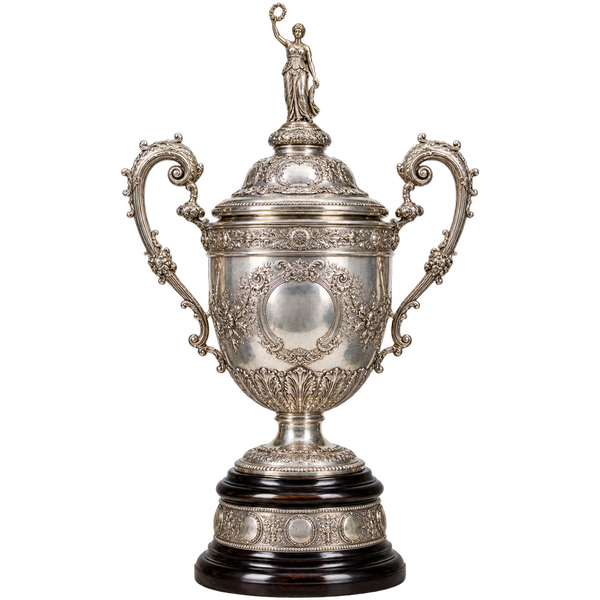
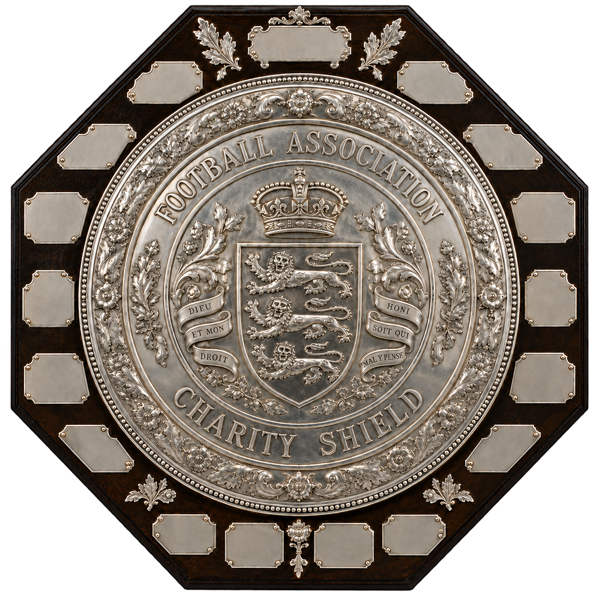
English champions Sunderland beat FA Cup holders Arsenal FC 2–1 at Roker Park to win the Charity Shield.
The victory added another honour for Raich Carter’s team. The competition was then called the Charity Shield; the later Community Shield name does not describe this match.

Sunderland wins the semi-final
Sunderland beat Millwall 2–1 in the FA Cup semi-final. The match was played at the neutral Leeds Road ground in Huddersfield.
The first FA Cup triumph
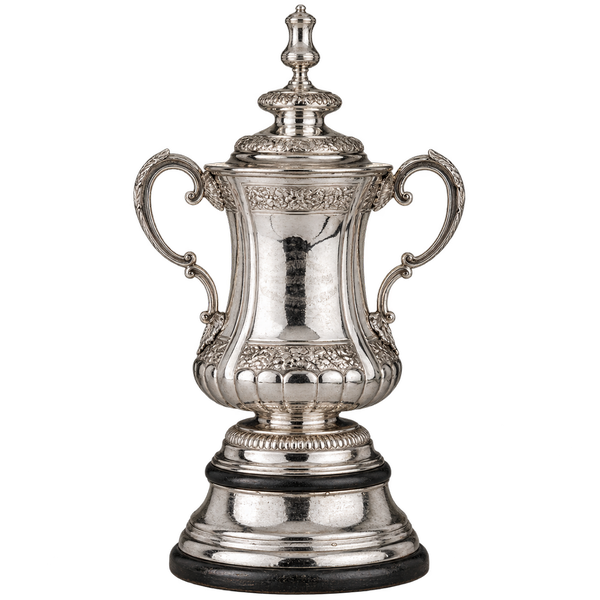
Sunderland won the FA Cup for the first time, beating Preston North End 3–1 at Wembley.
Bobby Gurney, Raich Carter and Eddie Burbanks overturned Preston’s lead. The club’s first cup triumph followed the previous year’s championship and Charity Shield success.
Manchester City win the Charity Shield
As FA Cup holders, Sunderland visited champions Manchester City and lost 2–0.
The midweek Charity Shield match took place at Maine Road. Sunderland could not retain the shield won a year earlier, although its Wembley cup triumph remained the high point of 1937.



1940–1949

Four goals are not enough for survival
A 4–0 win over Sheffield United could not keep Rovers in the First Division. Sunderland’s simultaneous 3–0 victory over Middlesbrough took them beyond Rovers’ maximum possible total of 34 points.
Ten years in the Second Division followed. Local talents such as Ronnie Clayton and Bryan Douglas developed into important figures at the club during this period.

1950–1959
Illegal payments bring sanctions
Proceedings over illegal payments to players brought serious sanctions against Sunderland.
The club was fined, senior officials were punished and manager Bill Murray’s long tenure ended. The affair coincided with deteriorating results. It was distinct from the relegation that followed in the next season.

English champions 1956/57
Manchester United4:0 Sunderland AFCFootball League First Division Match 1 · April 20, 1957 · Location: Manchester Stadium: Old Trafford
The Busby Babes retained the championship.
United beat Sunderland while Preston only drew against Blackpool. In parallel, the first European Cup campaign reached the semi-final against Real Madrid.

A home win cannot prevent relegation
Wednesday beat champions Wolverhampton 2–1. Away wins for Leicester at Birmingham and Sunderland AFC at Portsmouth FC nevertheless left no route to safety.
The first relegation becomes final
 Portsmouth FC0:2Sunderland AFCFootball League First Division Match 1 · April 26, 1958 · Location: Portsmouth Stadium: Fratton ParkNewcastle United1:3
 Burnley FCFootball League First Division Match 2 · April 28, 1958 · Location: Newcastle upon Tyne Stadium: St James’ Park
Sunderland’s first relegation became final after Newcastle’s last outstanding fixture.
Despite winning 2–0 at Portsmouth FC two days earlier, Sunderland had the inferior goal average to both rivals level on points. Newcastle’s 3–1 defeat by Burnley FC left that order intact, ending Sunderland’s top-flight membership dating from 1890.


1960–1969

Promotion to the top flight for the first time
A 4–0 win over Sunderland secured Ipswich’s first promotion to the First Division.
The club reached 57 points, beyond the maximum available to contenders outside the two promotion places.

Matthews helps Stoke back to the top
Stoke City2:0 Luton TownFootball League Second Division Match 1 · May 18, 1963 · Location: Stoke-on-Trent Stadium: Victoria Ground
A 2–0 victory over Luton Town secures promotion on 53 points. Sunderland’s simultaneous 1–0 defeat by Chelsea also settles the Second Division title. Jackie Mudie and Stanley Matthews score as Stoke return to the First Division after ten years.
Back in the First Division
Sunderland returned to the top flight after six years.
A 2–1 win over Charlton Athletic and Preston’s defeat at Bury removed the final mathematical uncertainty. Alan Brown’s team, featuring Charlie Hurley and Jimmy Montgomery, finished second behind Leeds. This was the first promotion in the club’s history.

A record crowd of 57,892 at Elland Road
The FA Cup replay against Sunderland drew 57,892 spectators and finished 1–1 after extra time.
The attendance record belongs to the standing-terrace era and is distinct from today’s capacity. It reflects the crowds attracted by Revie’s developing team.

English champions 1967/68
 Newcastle United3:4Manchester CityFootball League First Division Match 1 · May 11, 1968 · Location: Newcastle upon Tyne Stadium: St James' Park
The 4–3 away win at Newcastle and Manchester United’s home defeat settled the title race.
City won a second English championship and launched the great Mercer–Allison era.


1970–1979
Relegation to the Second Division again
The 1–0 defeat by Liverpool FC confirmed relegation to the Second Division.
Even a victory in Sunderland’s last match could no longer provide enough points to reach safety. Difficult second-tier years followed before Bob Stokoe and the FA Cup brought an unexpected change in fortunes.

Into the Third Division for the first time
A 2–0 defeat at Queens Park Rangers reduced Rovers’ maximum possible total to 28. Charlton’s simultaneous 1–1 draw with Sunderland ended the chance of survival and sent Rovers into the Third Division for the first time.

Relegation to the Third Division is confirmed
Watford’s 0–0 draw at Oxford was no longer enough for survival. Fulham’s 1–0 win over Millwall FC and Hull’s 1–0 victory at Sunderland made a safe place unreachable, ending three seasons in the Second Division.

Three results confirm relegation
 Blackpool FC5:0Charlton AthleticFootball League Second Division Match 1 · April 29, 1972 · Location: Blackpool Stadium: Bloomfield Road
Charlton lost 5–0 at Blackpool on the final day. Cardiff drew 1–1 with Luton and Fulham 0–0 with Sunderland. Together the results left Charlton in a relegation place, sending the club back to the third tier for the first time since 1935.

Promotion under Jimmy Adamson
A 2–0 win over Sunderland secured promotion. Jimmy Adamson brought the club back to the First Division after two years. The team guaranteed itself one of the three promotion places before the season ended.
The cup victory over Leeds
Second-tier Sunderland beat holders Leeds 1–0 to win the FA Cup for a second time.
Ian Porterfield scored, while Jimmy Montgomery protected the lead with his celebrated double save. Bob Stokoe’s run to embrace his goalkeeper became an enduring image of one of English football’s defining cup victories.
The first European match
Winning the FA Cup brought Sunderland into European competition for the first time.
The team won 2–0 away to Vasas in Budapest in the Cup Winners’ Cup. Played at the Népstadion, the match began the first European campaign of a club still competing in England’s Second Division.
The first European tie won
Sunderland beat Vasas 1–0 in the return leg at Roker Park, advancing 3–0 on aggregate.
After its winning European debut in Budapest, the team also succeeded in front of its own supporters. Sporting of Lisbon awaited in the second round.
Sporting CP end the first European campaign
 Sunderland AFC2:1
 Sporting CPUEFA Cup Winners’ Cup First leg · October 24, 1973 · Location: Sunderland Stadium: Estádio José AlvaladeSporting CP2:0Sunderland AFCUEFA Cup Winners’ Cup Second leg · November 7, 1973 · Location: Lisbon Stadium: Estádio José Alvalade
After winning the first leg 2–1 against Sporting CP, Sunderland lost 2–0 in Lisbon and went out 3–2 on aggregate.
The return match took place at the old Estádio José Alvalade opened in 1956. Sunderland’s first European campaign ended after four matches.
A return to the top flight
A 2–1 win over direct rivals Bolton Wanderers secured one of the Second Division’s three promotion places.
Bolton Wanderers could no longer catch Sunderland. Three years after the cup triumph, Bob Stokoe’s team returned to the First Division. The second-tier championship was still undecided that day.
Second Division champions
A 2–0 victory over Portsmouth FC took Sunderland to 56 points and secured the Second Division title.
Bristol City and West Bromwich Albion finished on 53. The championship followed the promotion already secured on Easter Monday and added another honour for Bob Stokoe’s team.

Relegation after 27 top-flight seasons
After the 5–0 defeat at Manchester City, Tottenham could reach at most 33 points.
QPR’s win and draws for Sunderland and West Ham removed the mathematical chance of survival the following weekend.
Two results seal relegation
Sunderland lost 2–0 at Everton FC and went down after one season.
The other necessary result was Coventry’s 2–2 draw with Bristol City. Their match had started later and continued after Sunderland’s final whistle. Its final score completed the decision in favour of both rivals.


1980–1989
A late fixture brings promotion
Sunderland won its final rearranged match against West Ham United 2–0 to gain promotion.
The team finished second in the Second Division with 54 points. Ken Knighton’s side returned three years after relegation, without adding a league championship.

Four other results confirm relegation
Birmingham, Leeds, West Bromwich Albion and Sunderland won their matches. Together these results confirmed Middlesbrough’s relegation. Boro’s own win at Swansea that day could no longer prevent a return to the second tier.

Eight goals against Sunderland
Watford beat Sunderland 8–0 to equal their largest Football League victory. Luther Blissett scored four times, demonstrating the newly promoted side’s attacking strength in their first top-flight season.
The first League Cup final
Sunderland reached its first League Cup final but lost 1–0 to Norwich.
Gordon Chisholm deflected Asa Hartford’s shot into his own net, and Clive Walker later missed a penalty. The friendly relations between the two sets of supporters subsequently inspired the clubs’ Friendship Trophy.

The fall into the Second Division
Stoke City0:2 Everton FCFootball League First Division Match 1 · April 20, 1985 · Location: Stoke-on-Trent Stadium: Victoria Ground
A 2–0 defeat by Everton leaves Stoke with a maximum of 38 points. Away wins for Ipswich and West Ham simultaneously take those clubs beyond that figure, confirming relegation. Stoke finish the season with only 17 points and three victories.
Into the third tier for the first time
 Gillingham3:2
 Sunderland AFCFootball League Second Division First leg · May 14, 1987 · Location: Gillingham Stadium: Priestfield StadiumSunderland AFC4:3a.e.t.GillinghamFootball League Second Division Second leg · May 17, 1987 · Location: Sunderland Stadium: Roker Park
Sunderland beat Gillingham 4–3 after extra time but fell into the Third Division for the first time.
Following a 3–2 first-leg defeat, the aggregate score was 6–6 and away goals favoured Gillingham. Those play-offs paired a threatened second-tier club with Third Division teams. Sunderland lost its higher-tier place.
An immediate return
Eric Gates scored the only goal at Port Vale to secure Sunderland’s automatic promotion.
After the win, at most one rival could still reach its points total. Denis Smith returned the club from the Third Division after one season. The championship followed two days later.
The Third Division championship
Sunderland beat Northampton 3–1 to become Third Division champions.
Its 90 points now exceeded every challenger’s possible maximum. A later final-day win at Rotherham lifted the season total to 93 points, completing the immediate return to the second tier.


1990–1999
Administrative promotion after Swindon’s sanction
Sunderland received the top-flight place after losing the play-off final.
Swindon’s promotion was revoked over illegal payments. On appeal, Swindon was allowed to remain in the Second Division, while Sunderland entered the First Division. Promotion resulted from the authorities’ decisions rather than another match.

Sunderland wins the play-off derby
Newcastle United0:2Sunderland AFCFootball League Second Division Second leg · May 16, 1990 · Location: Newcastle upon Tyne Stadium: St James' ParkAfter a goalless first leg at Roker Park, Newcastle lost the return match 2–0.
Eric Gates and Marco Gabbiadini decided the semi-final. Newcastle’s immediate return to the top flight was denied.
Defeat in the play-off final
After overcoming Newcastle in the semi-finals, Sunderland lost 1–0 to Swindon at Wembley.
Promotion had been missed on the pitch. Its later move into the First Division arose from sanctions against Swindon over illegal payments, rather than a retrospectively won final.
Back in the FA Cup final from the second tier
Second-tier Sunderland reached the FA Cup final and lost 2–0 to Liverpool FC.
Michael Thomas and Ian Rush scored after the interval. Malcolm Crosby’s team could not repeat the 1973 triumph, but reaching Wembley remained a significant cup achievement during a difficult league period.

The return is brief
Burnley lost 2–1 to Portsmouth while Sunderland beat Swindon 1–0. Together those results confirmed relegation. The club’s second-tier return lasted only one season.

Relegation in a season with four relegation places
City lost 1–0 at Watford while Sunderland beat Swindon 1–0. In a season with four relegation places, City’s move into the third-tier Second Division became certain.
Promotion to the Premier League
Derby?s 1?1 draw with Birmingham secured Sunderland?s promotion without playing.
Sunderland had 81 points; Derby and Crystal Palace could no longer both reach that total because they still had to face each other. Peter Reid took the club into the Premier League for the first time. The goalless Stoke match the following day was already a promotion celebration.
Champions under Peter Reid
A goalless draw with West Bromwich Albion supplied the decisive 83rd point and the First Division championship.
That division was then the second tier. Peter Reid’s team had already secured promotion; the draw now settled the title before Sunderland’s remaining final fixture.

The great escape under Strachan
Coventry survive through a 2–1 win at Tottenham and results involving their direct rivals.
Sunderland lose at Wimbledon and Middlesbrough draw 1–1 at Leeds. Gordon Strachan’s team finish seventeenth, with this combination securing their Premier League status.
Farewell to Roker Park
Sunderland said farewell to Roker Park with a 1–0 friendly win over Liverpool FC.
The opponents and score matched the ground’s opening fixture in 1898. Almost 99 years at its old home ended, with the club moving into the newly built Stadium of Light that summer.
The Stadium of Light opens
A goalless friendly against Ajax opened the Stadium of Light.
Built on the former Wearmouth Colliery site, its name recalled the area’s mining heritage. The move also brought a new crest featuring local landmarks, beginning a new period in the club’s life.

Other results secure promotion and the title
 Middlesbrough FC1:1
 Wolverhampton WanderersFootball League First Division Match 2 · April 29, 1998 · Location: Middlesbrough Stadium: Riverside Stadium
Sunderland’s 2–0 defeat at Ipswich Town on April 28, 1998 secured Forest’s automatic promotion.
Middlesbrough’s 1–1 draw with Wolves a day later also confirmed the Second Division title. Forest had 93 points; Middlesbrough could reach no more than 91 and Sunderland no more than 90. Dave Bassett’s team finished with 94 points, powered by the goals of Pierre van Hooijdonk and Kevin Campbell.
Eight goals and a lost shoot-out
Sunderland and Charlton Athletic drew 4–4 after extra time in the Wembley play-off final.
Charlton Athletic won the shoot-out 7–6 after Michael Gray’s attempt was saved. Promotion slipped away in an extraordinary match featuring two Sunderland goals from Niall Quinn and further strikes by Kevin Phillips and Nicky Summerbee.
Five goals secure promotion
A 5–2 win at Bury secured Sunderland’s return to the Premier League.
Its 95 points were sufficient, with only Ipswich still able to match that total. Niall Quinn and Kevin Phillips led the attack as Peter Reid’s team transformed the previous year’s disappointment into an exceptional campaign.
A second second-tier title under Reid
Three days after securing promotion, Sunderland won 3–1 at Barnsley to clinch the championship.
Its 98 points were beyond every challenger’s reach. Peter Reid’s side won the second-tier First Division for the second time in four seasons.
A season record of 105 points
A 2–1 win over Birmingham completed Sunderland’s championship campaign with 105 points, then a new English second-tier record.
Promotion and the title had already been settled in April. This final match recorded the concluding total of a season featuring only three league defeats.





2000–2009
Supporters choose The Black Cats
Supporters chose The Black Cats as the club’s official nickname in a poll.
The choice preserved imagery already associated with Sunderland and settled its nickname after leaving Roker Park. Earlier names such as the Rokerites remained historical expressions tied to the former ground.
Bradford’s win ends a brief top-flight return
Bradford City won 1–0 at Sunderland to make Watford’s relegation certain. Unable to reach safety, the club returned to the First Division after one Premier League season.
Kevin Phillips finishes with 30 goals
Sunderland finished seventh in its first season after promotion, despite losing 3–1 at Tottenham Hotspur.
Kevin Phillips ended the Premier League campaign with 30 goals and won its Golden Boot; that tally also earned him the European Golden Shoe. His partnership with Niall Quinn defined the team’s attack.

A winning opening for the KC Stadium
Steve Melton’s goal won the opening friendly against Sunderland 1–0.
The council-funded KC Stadium gave Hull City a modern home. It is the same physical stadium later named KCOM Stadium and MKM Stadium.

Victory at Sunderland is not enough
West Bromwich Albion win 2–1 at Sunderland but are still relegated. Bolton’s 1–0 victory over West Ham puts safety beyond reach: Albion can finish with no more than 36 points, while Bolton now have 38. The club’s first Premier League spell lasts only one season.

Into the FA Cup final for the first time
Tim Cahill scored the only goal of the semi-final against Sunderland. At Old Trafford, Millwall reached its first FA Cup final. Player-manager Dennis Wise led the second-tier club to Cardiff.

A Premier League return becomes certain
Crystal Palace beats Sunderland AFC 3–0. Sunderland AFC can no longer catch Norwich City, whose existing 85 points now guarantee automatic promotion.
Promotion under Mick McCarthy
Sunderland AFC2:1 Leicester CityFootball League Championship Match 2 · April 23, 2005 · Location: Sunderland Stadium: Stadium of Light
Sunderland beat Leicester 2–1 to return to the Premier League.
Ipswich’s 1–1 draw at Leeds was also necessary, leaving only Wigan able to exceed Sunderland’s 88 points. Mick McCarthy led the club back from the Championship two years after its relegation with just 19 points.
The Championship title
A 2–1 win at West Ham United secured the Championship title.
Sunderland’s 91 points could no longer be matched before its final match. The championship confirmed Mick McCarthy’s successful rebuilding, six days after promotion had been secured.
Derby’s defeat confirms promotion
Derby’s 2–0 defeat at Crystal Palace confirmed Sunderland’s promotion.
Derby could now reach no more than 84 points, below Sunderland’s existing 85. Roy Keane had transformed the side after a poor start. The championship remained undecided until the final day.
Five goals and the championship
Sunderland won 5–0 at Luton and became Championship champions with 88 points.
Birmingham’s simultaneous 1–0 defeat at Preston supplied the other necessary result. Roy Keane’s team returned to the Premier League as champions, having secured promotion a week earlier.


2010–2019

West Ham’s win confirms relegation
West Ham beat Sunderland 1–0. Portsmouth could no longer reach safety and were relegated to the Championship after seven Premier League seasons.

English champions 2011/12
0:1Edin Džeko and Sergio Agüero overturned the QPR match in stoppage time.
Agüero’s goal at 93:20 delivered the first championship since 1968, level on points with Manchester United but ahead on goal difference.
Manchester City win the League Cup final
3:1Sunderland lost the League Cup final 3–1 to Manchester City.
Fabio Borini gave the team an early lead before City turned the match around after the break. Gus Poyet’s cup run brought a first appearance in this final since 1985, with Premier League survival still to be secured.

The first Premier League era ends
0:1A 4–1 defeat at Stoke ended Fulham’s thirteen-year stay in the Premier League.
Sunderland’s simultaneous 1–0 win at Manchester United took the direct rivals beyond Fulham’s remaining possible points total. The late appointment of Felix Magath had not prevented relegation.

Newcastle and Sunderland confirm relegation
0:1Cardiff City lost 3–0 at Newcastle. Sunderland’s simultaneous 1–0 win at Manchester United made relegation certain. City’s first Premier League campaign ended with an immediate return to the Championship.
Survival after a late turnaround
A 2–0 win over West Bromwich Albion secured Sunderland’s survival.
A fourth consecutive victory took the team to 38 points, while Norwich could reach no more than 36. Gus Poyet’s late winning run overturned the threat of relegation and made safety mathematically certain.

A victory cannot prevent relegation
0:2Burnley won 1–0 at Hull. Later results involving Sunderland, Aston Villa, Leicester and Newcastle nevertheless confirmed relegation. Victory could not prevent a return to the Championship.

Survival after the “Great Escape”
A goalless draw at Sunderland AFC mathematically secured Leicester’s Premier League survival. Nine games earlier the team had been bottom of the table.
Champions League place secured
Two Jamie Vardy goals gave Leicester a 2–0 win at Sunderland AFC, securing its first UEFA Champions League berth while the league title was still undecided.
One event, several perspectives
Sunderland’s win confirms relegation
Sunderland beat Everton and made Newcastle’s relegation final.
Rafael Benítez had taken charge in March, but Newcastle could no longer catch its local rival. The decision came before Newcastle’s final match.
From the history of Norwich CitySunderland AFC’s victory decides relegation
Sunderland AFC beats Everton FC 3–0 to reach 38 points. Norwich City can achieve no more than 37 and is therefore relegated with one matchday remaining.
Ten Premier League years end
0:1Sunderland lost 1–0 to AFC Bournemouth and was relegated from the Premier League.
Hull’s goalless draw at Southampton FC supplied the other necessary result, leaving a 13-point gap with only 12 points available. David Moyes’ team ended the top-flight spell that had begun in 2007.
Remembering Bradley Lowery
Six-year-old Sunderland supporter Bradley Lowery died after serious illness.
His friendship with Jermain Defoe and the support of many fans connected people far beyond the club. The Bradley Lowery Foundation, established afterwards, continued support for children with serious health conditions and their families.
A second successive relegation
Sunderland lost 2–1 to Burton Albion after taking the lead and suffered a second successive relegation.
Even two remaining wins could not bring safety: Burton’s outstanding direct meeting with Bolton prevented both rivals staying below Sunderland’s maximum. The club would play in the third tier for the first time since 1988.
The Trophy slips away in a shoot-out
Sunderland and Portsmouth FC drew 2–2 after extra time in the EFL Trophy final.
Portsmouth FC won the shoot-out 5–4, denying Sunderland the cup before a large Wembley crowd. The first League One season would later offer another opportunity for a decisive success at the same stadium.

Back-to-back promotion to the Championship
Portsmouth FC’s 3–2 defeat by Peterborough United and Sunderland AFC’s 2–1 loss at Fleetwood Town secured Luton’s promotion, returning the club to the Championship after twelve years.

Sunderland wins the play-off tie
Sunderland AFC1:0Portsmouth FCEFL League One – Play-offs First leg · May 11, 2019 · Location: Sunderland Stadium: Stadium of LightSunderland won the first leg 1–0 at the Stadium of Light. Portsmouth could only draw the home return 0–0 and went out in the League One semi-final.
Charlton Athletic prevent promotion
Sunderland lost the League One play-off final 2–1 to Charlton Athletic.
An early own goal provided the lead, but Charlton Athletic equalised and scored the winner near the end. An immediate return to the Championship was denied, bringing a second Wembley disappointment within weeks of the Trophy final.



2020–2029
The first EFL Trophy
Sunderland beat Tranmere 1–0 in the EFL Trophy final.
Lynden Gooch scored the decisive goal from Aiden McGeady’s pass. The pandemic meant the match was played without spectators. A first Wembley victory since 1973 ended the long sequence of unsuccessful visits, but did not itself secure promotion.
Back in the Championship after four years
Sunderland beat Wycombe 2–0 in the League One play-off final to gain promotion to the Championship.
Elliot Embleton and Ross Stewart scored. Alex Neil returned the team to the second tier after four years in League One. The Wembley win secured promotion rather than the league championship.
Wembley after overturning Sunderland AFC’s lead
Luton overturned a 2–1 first-leg deficit in the play-off semi-final. Gabriel Osho and Tom Lockyer scored in a 2–0 second-leg victory that booked a place in the final.

Survival under Danny Röhl
A 2–0 win at Sunderland AFC secured Wednesday’s survival. Liam Palmer and Josh Windass scored as the club finished with 53 points after its difficult start.

A home win is not enough for survival
Birmingham City1:0 Norwich CityEFL Championship Match 1 · May 4, 2024 · Location: Birmingham Stadium: St. Andrew’s @ Knighthead Park
Birmingham City beat Norwich 1–0 to reach 50 points. But Plymouth beat Hull, Blackburn won at Leicester and Sheffield Wednesday won at Sunderland. All three rivals stayed ahead of the Blues, whose twenty-second place meant relegation to League One.
Wayne Rooney replaced John Eustace in October. Tony Mowbray then took over, but his illness required further interim arrangements. Gary Rowett could not prevent relegation in the final eight matches.
Ballard’s late goal ends the next attempt
1:2Football League Championship First leg · May 9, 2025 · Location: Coventry Stadium: Coventry Building Society Arena1:1a.e.t.Football League Championship Second leg · May 13, 2025 · Location: Sunderland Stadium: Stadium of LightCoventry are eliminated by Sunderland in the play-off semi-final.
Following a 2–1 first-leg defeat, Ephron Mason-Clark puts Coventry ahead in the return before Daniel Ballard equalises deep into extra-time stoppage time. Sunderland reach the final 3–2 on aggregate.
Watson’s late winner brings the Premier League
Sunderland won the Championship play-off final 2–1 against Sheffield United.
Eliezer Mayenda equalised before Tom Watson scored in the fifth minute of stoppage time. Régis Le Bris returned the club to the Premier League after eight years, with his young team settling promotion through a late Wembley victory.
Seventh place brings the Europa League
1:10:32:1A 2–1 win over Chelsea FC, together with the necessary parallel results, secured seventh place and Europa League qualification.
Brentford FC drew 1–1 at Liverpool FC, while Brighton lost 3–0 to Manchester United. Following promotion, Sunderland qualified for Europe for the first time since its 1973 cup triumph. These matches were Premier League fixtures.
A winning Europa League debut
Sunderland beat AZ Alkmaar 1–0 to begin its first Europa League season with a home victory.
Enzo Le Fée converted the decisive penalty. After four Cup Winners’ Cup matches in 1973, the club returned to European competition after 53 years, making its debut in the Europa League.