The history of FC Barcelona
Milestones and background from the club's history, in chronological order.
Categories
Competitions
Nicknames through the years Three names tell a story of near misses, late goals and an unbeaten season. Read the storiesClose the stories
1890–1899
Twelve founders at Gimnàs Solé
Hans Gamper and eleven fellow football enthusiasts founded the club at Gimnàs Solé on November 29, 1899.
Swiss founder Walter Wild became its first president. An international community grew into a club closely connected with Barcelona and Catalonia.
The first match at the velodrome
Just nine days after its foundation, Barcelona played its first match against a team from the city’s English colony.
The encounter at the Bonanova velodrome ended in a 1–0 defeat. The familiar blue and claret kit had not yet been agreed for this first appearance.

1900–1909

Bizcaya win the Coronation Cup
Athletic and Bilbao FC enter Madrid’s coronation tournament as the combined Bizcaya side. A 2–1 victory over FC Barcelona brings the trophy to Bilbao and becomes a formative success in Athletic’s tradition.
Gamper saves the club from extinction
With only 38 members remaining, Barcelona faced dissolution.
Joan Gamper became president for the first time and rallied new support. His efforts linked sporting recovery with a permanent ground and closer involvement in Catalan civic life.
A home of their own on Carrer Indústria
A 2–2 draw with Català opened Barcelona’s first permanent ground.
The initially modest pitch developed into a stadium where spectators sat along the wall. Their backsides, visible from the street, gave rise to the enduring supporters’ name “Culers”.
1910–1919
A crest of the club’s own
A members’ competition in 1910 produced a crest combining Saint George’s cross, the Catalan stripes, blue and claret colours, and a football.
The club’s current account credits Santiago Femenia with the design. Its basic form survived political intervention and later visual revisions.
The first Spanish cup
A 3–2 victory over Español de Madrid gave Barcelona its first Spanish cup.
The decisive match belonged to a three-team tournament rather than a modern knockout final. In the same year the club strengthened its identity with a crest of its own.

Three finals and a lost cup
The Unión de Clubes cup final against Barcelona required three matches at Camp de la Indústria.
A 2–2 draw and a goalless game were followed by the decider on March 23. Real Sociedad took the lead, but Barcelona turned the match around to win 2–1 and deny the Donostiarras the trophy.
1920–1929

Barcelona win in Gijón
Athletic lose 2–0 to FC Barcelona at El Molinón. Their return to the national final ends without the trophy.
Les Corts opens its gates
Barcelona opened Les Corts with a 2–1 win over St Mirren.
The new ground gave the expanding club much more room than Carrer Indústria. Paulino Alcántara and Josep Samitier shaped its early sporting identity before the Kubala era helped drive the next stadium project.
Protest against dictatorship at Les Corts
During the friendly against Júpiter, spectators whistled the Spanish national anthem.
Primo de Rivera’s military dictatorship subsequently ordered a six-month suspension of club activity on June 24. Gamper was forced to resign and temporarily went into exile in Switzerland.

A lead is not enough at Mestalla
Athletic lead Barcelona 2–0 in the final, but the Catalans recover to force extra time and win 3–2. After 1921, Madrid’s second attempt to lift the Spanish cup again ends in defeat.

A semi-final in the first cup campaign
The first cup run ends against eventual winners FC Barcelona.
Following a 3–0 defeat at Les Corts, Alavés are also held scoreless in the return. Reaching the last four nevertheless demonstrates the young club’s ability to compete beyond its region.

Santander’s three-match cup final
 FC Barcelona1:1a.e.t.Real SociedadCopa de S. M. el Rey Match 1 · May 20, 1928 · Location: Santander Stadium: El Sardinero Neutral venueFC Barcelona1:1a.e.t.Real SociedadCopa de S. M. el Rey Match 2 · May 22, 1928 · Location: Santander Stadium: El Sardinero Neutral venueFC Barcelona3:1Real SociedadCopa de S. M. el Rey Match 3 · June 29, 1928 · Location: Santander Stadium: El Sardinero Neutral venue
Two finals against Barcelona ended 1–1 after extra time.
The third match was postponed until late June because of the Olympic Games, and Barcelona eventually won 3–1 at the old Sardinero. The encounters also entered cultural history, inspiring poems by Rafael Alberti and Gabriel Celaya.
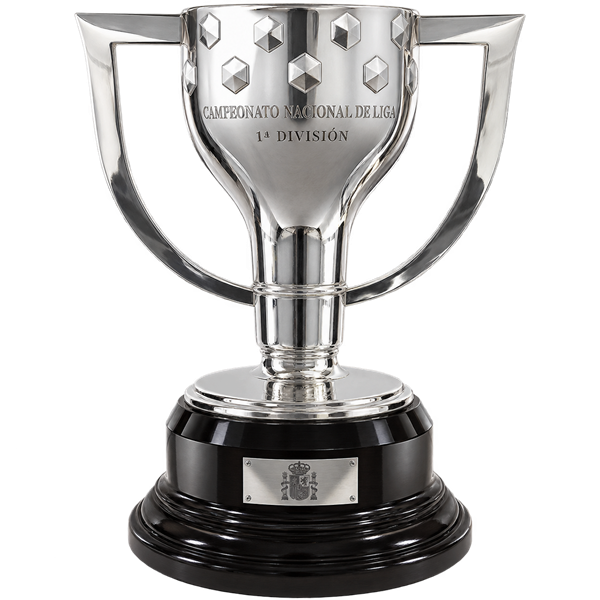
Champions of the first Spanish league
A 2–0 win at Arenas de Guecho made Barcelona champions of the first Spanish league.
The rearranged match settled a title race in which Real Madrid had finished level on points. Manuel Parera scored twice, leaving Barcelona with 25 points under the two-point system.


1930–1939

Spanish champions for the first time
A 4–3 victory over Barcelona secures the first league title with two matches to spare. Fred Pentland’s team go on to finish the season unbeaten.

Twelve goals against Barcelona
Athletic beat Barcelona 12–1 at San Mamés. Bata scores seven goals in a match that establishes historic records for both the team and the striker.

The first league title, unbeaten
Madrid ended the 1931/32 season with a 2–2 draw at FC Barcelona’s Les Corts and won their first league title.
Lippo Hertzka’s side, featuring Zamora, Ciriaco and Quincoces, went unbeaten through all 18 matches and finished with 28 points under the two-point system.
A third straight Cup
Athletic Club1:0FC BarcelonaCopa del Presidente de la República Location: Madrid Stadium: Estadio de Chamartín (1924–1946) Neutral venueAn early goal by Bata is enough to beat Barcelona 1–0. Athletic win a third consecutive Cup and extend their exceptional sequence of final victories.
Zamora’s save preserves the cup
Madrid beat FC Barcelona 2–1 in the cup final in Valencia.
Ricardo Zamora’s late save from Josep Escolà preserved the lead. It was the club’s last major sporting success before the Spanish Civil War.
Remembering Josep Sunyol
Club president Josep Sunyol was murdered by Francoist soldiers in the Sierra de Guadarrama on August 6, 1936.
His death was one of the human losses of the Spanish Civil War. The club remembers him as its president and as a representative of a democratic Catalan identity.
1940–1949

An 11–1 victory over Barcelona
Sevilla beat Barcelona 11–1 in the league opener at Nervión.
Guillermo Campanal scored five, Torrontegui three, Raimundo two and Berrocal one. The attacking display became one of the most extraordinary results in the club’s history.
The name and crest under political pressure
Francoist language policy imposed the Spanish name Club de Fútbol Barcelona.
The crest’s initials changed to C.F.B., and the four Catalan stripes were reduced to two. The full flag returned in 1949, the Catalan club name in 1973, and the initials F.C.B. in late 1974.

Defeat in the first post-war final
Atlético de Bilbao recover from 3–1 down against Barcelona, but concede the deciding goal in extra time to lose 4–3.

Sevilla’s defeat settles the championship
Sevilla’s 3–1 defeat at Barcelona makes Atlético de Bilbao champions before the final round. Sevilla can no longer reach their 34 points, so the title is secure despite Athletic losing their own match that day.

The first top-flight spell ends
A 5–1 defeat at Valencia confirmed Celta’s relegation.
Deportivo simultaneously beat Castellón and Espanyol won at Barcelona, taking both beyond Celta’s maximum remaining points. The campaign eventually ended with only nine points and a return to Segunda.
Nine goals in the Copa de Oro Argentina
As Cup winners, Atlético de Bilbao face league champions Barcelona at Les Corts. The match organised by the Catalan federation ends in a 5–4 defeat and forms part of the history preceding Spain’s later Super Cup competitions.
A point at Les Corts wins the league
A 1–1 draw at Barcelona on the final day secured Sevilla’s first Spanish league title.
Araújo’s goal and Ramón Encinas’s side’s defensive resilience kept their direct challengers behind them. Sevilla finished the 1945/46 season with 36 points under the two-point system.
The first match in a European club cup
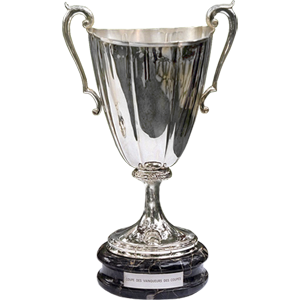
Barcelona beat Stade de Reims 5–0 in the Latin Cup.
The club counts this match at Les Corts as its first appearance in a European club cup. The competition brought together the champions of Spain, France, Italy and Portugal and predated UEFA’s later tournaments.
The first European cup triumph
A 2–1 victory over Sporting CP gave Barcelona the first Latin Cup.
The success established the post-war side on an international stage. This was a distinct early European tournament, rather than the European Cup.

Eleven goals in the Copa Eva Duarte final
Valencia beat Barcelona 7–4 to win the Copa Eva Duarte. The high-scoring final at Madrid’s Metropolitano gives the cup holders the predecessor of the Spanish Super Cup.


1950–1959

Six goals against the city rivals
The 6–0 at Sarrià becomes one of the great derby victories.
Español lead Barcelona 4–0 at half-time. Their superiority continues after the break, producing a 6–0 victory. Grau and Arcas each score twice, with Marcet and Egea adding the other goals.

Barcelona end the cup dream
Real Sociedad lost the Copa del Generalísimo final 3–0 to CF Barcelona at Nuevo Chamartín.
The defeat ended a strong cup campaign and denied coach Benito Díaz the revenge he had hoped for after the final loss of 1928.

The Copa Eva Duarte
Atlético beat Barcelona 2–0 at Nuevo Chamartín, with Carlsson and Escudero scoring in the meeting of league and cup winners. A year after losing to Athletic, the club win the Copa Eva Duarte, the contemporary predecessor of the Spanish Super Cup.
Barcelona win the final in extra time
Level at 2–2 after normal time, Valencia lose 4–2 to Barcelona after extra time at the Nuevo Chamartín, missing the chance of a fourth Spanish cup.
Barcelona win the 1953 final
Atlético de Bilbao lose 2–1 to Barcelona in the final at Nuevo Chamartín. The club return to Cup-winning ways two years later.

Luis Suárez makes his debut
An eighteen-year-old begins his senior career at Les Corts.
Luis Suárez Miramontes makes his first appearance for Deportivo’s senior side in a 6–1 defeat by Barcelona. The A Coruña-born midfielder later joins that day’s opponents and wins the Ballon d’Or in 1960.

An emphatic cup final win over Barcelona
Valencia beat Barcelona 3–0 in the final. Fuertes scores twice and Badenes once as coach Jacinto Quincoces delivers the club’s third Spanish cup.

A cup-final derby on Montjuïc
Sampedro’s goal gives Barcelona the trophy.
Barcelona’s two major clubs contest the national final at the Olympic Stadium. Sampedro’s header secures a 1–0 win for Barcelona. Español’s wait for a third national cup continues.
Camp Nou opens
Barcelona opened its new stadium with a 4–2 victory over a Warsaw XI.
Eulogio Martínez scored the first goal. The new ground replaced Les Corts and reflected the growing crowds inspired by Kubala and his teammates.
Six goals in the first Fairs Cup final
 CF Barcelona6:0
 London XIInter-Cities Fairs Cup Second leg · May 1, 1958 · Location: Barcelona Stadium: Estadio del CF Barcelona
Barcelona won the return leg against the London city XI 6–0 to claim the first Inter-Cities Fairs Cup.
The first leg at Stamford Bridge had ended 2–2. The inaugural edition lasted several years, with Barcelona representing its city in the competition.
The European Cup debut
Barcelona began its European Cup campaign with a 2–2 draw in Sofia.
The opponents were then called CDNA and are now known as CSKA. Joan Segarra scored Barcelona’s first goal in this competition, and the return leg brought a 6–2 win.

Barcelona beaten in the first home game
Pahuet and Cardona deliver a first top-flight victory.
One week after their debut, Elche beat Barcelona 2–1 at Altabix. Pahuet and Enrique Cardona score against a side featuring Luis Suárez, Ramallets and Evaristo. The first Primera División victory shows how dangerous the newcomers can be to established powers at home.


1960–1969

Barcelona end Wolves’ quarter-final run
After a 4–0 defeat at Camp Nou, Wolves lost the return against Barcelona 5–2 at Molineux and exited the European Cup in the quarter-finals.

Barcelona settles the first European final
Birmingham City became the first English club to reach a European final. After a goalless first leg at St. Andrew’s, Barcelona won the return 4–1 at Camp Nou. Harry Hooper scored Birmingham’s goal.
Barcelona ends Madrid’s European Cup run
A 2–1 return-leg victory eliminated Real Madrid from the European Cup for the first time.
The first leg in Madrid had finished 2–2. After five consecutive titles for their rivals, Barcelona’s success marked a turning point in the competition’s history.

Seconds short against Barcelona
A late goal reduces HSV’s 2–0 lead to 2–1.
After a 1–0 first-leg defeat, a play-off for a place in the final is required; Hamburg subsequently loses it.
The missed opportunity in Bern
Barcelona lost its first European Cup final 3–2 to Benfica.
The woodwork repeatedly denied the Catalan side. Defeat ended the immediate hope of a first major UEFA title and closed a defining chapter for this generation.

A European night against Barcelona
Wednesday beat Barcelona 3–2 in the first leg of the Inter-Cities Fairs Cup quarter-final. Two goals from John Fantham and one from Alan Finney provided a narrow lead for the return match.
Barcelona turn the quarter-final around
Wednesday lost 2–0 at Camp Nou. Despite winning the first leg at home, the club went out of the Inter-Cities Fairs Cup 4–3 on aggregate.
The first international title
Valencia overwhelm Barcelona 6–2 at Mestalla in the first leg of the Fairs Cup final. A 1–1 draw at Camp Nou completes their first international trophy. Delayed by the World Cup, the 1961/62 final is settled in September 1962.
Three cup matches against Barcelona
CF Barcelona2:1Elche CFCopa del Generalísimo Match 3 · May 21, 1963 · Location: Madrid Stadium: Estadio Santiago Bernabéu Neutral venueA replay finally settles the last-sixteen tie.
A 4–1 win at Altabix gives Elche a commanding lead in the cup’s last sixteen. Barcelona win the return by the same score. The neutral replay at the Santiago Bernabéu ends 2–1 to the Catalans. Elche go out after three matches, while Barcelona eventually lift the cup.

Two Sunday wins seal relegation
 UD Las Palmas2:0CF BarcelonaPrimera División Match 3 · April 9, 1967 · Location: Las Palmas de Gran Canaria Stadium: Estadio Insular
After defeat in Bilbao, the other results settle Deportivo’s fate.
Deportivo lose 4–0 at San Mamés on Saturday. On Sunday, Granada beat Elche and Las Palmas defeat Barcelona, both at home. Even the relegation play-off places are now out of reach. Direct relegation is certain with two rounds remaining.
“Més que un club”
New president Narcís de Carreras described Barcelona as “more than a club” on January 17, 1968.
His words captured the connection between sport, members and Catalan identity. They became an enduring statement of the club’s purpose.

The first relegation becomes certain
A 3–0 defeat at Barcelona and Córdoba’s 1–0 win over Zaragoza sealed Sevilla’s first relegation.
With one match left, Sevilla could reach only 21 points while Córdoba already had 23. After 31 top-flight seasons, the club returned to the Segunda División for the first time.
Another final defeat in Switzerland
Barcelona lost the Cup Winners’ Cup final 3–2 to Slovan Bratislava CHZJD.
Slovan led 3–1 at half-time, and Carles Rexach’s reply could not change the outcome. Following Bern in 1961, Basel was initially associated with another lost European final.


1970–1979
Victory without survival
UD Las Palmas3:0Sevilla FCPrimera División Match 3 · April 19, 1970 · Location: Las Palmas de Gran Canaria Stadium: Estadio InsularDeportivo beat Granada but are relegated nonetheless.
The final-day 3–0 victory takes Deportivo to 25 points. Elche and Las Palmas also win and stay ahead. Sabadell finish level with Deportivo but hold the better head-to-head record. A two-year top-flight spell comes to an end.

Champions despite defeat at Sarrià
Valencia lose 1–0 at Español, but Atlético Madrid’s simultaneous 1–1 draw with Barcelona secures the title. Valencia and Barcelona finish on 43 points, with Valencia ahead on their head-to-head record. Alfredo Di Stéfano ends the club’s 24-year wait for another league championship.
A high-scoring final ends the double bid
As Spanish champions, Valencia face Barcelona in the cup final. An eventful contest ends in a 4–3 Barcelona victory after extra time, denying Valencia a second major trophy that season.

Another home start with a win over Barça
Chiva’s early goal settles the top-flight opener.
As in their first top-flight home match in 1959, Elche beat Barcelona on their return in 1973. Miguel Chiva’s early goal is enough for a 1–0 win. The result gives Roque Olsen’s team confidence for the renewed Primera División campaign.
Cruyff’s Barcelona wins 5–0 in Madrid
The 5–0 win at the Bernabéu became a symbol of renewal with Johan Cruyff.
Asensi scored twice, with Cruyff, Juan Carlos and Sotil adding the other goals. The match defined memories of the eventual championship but did not yet mathematically settle the title.

Barcelona overturns a three-goal deficit
Ipswich’s 3–0 home victory over Barcelona was not enough to progress.
After a 3–0 loss at Camp Nou and a goalless extra period, Town lost the penalty shoot-out 3–1.

Barcelona escape an upset
The second-division side win the quarter-final opener but go out at Camp Nou.
The 1–0 victory at Mendizorroza gives Alavés hope against Johan Cruyff’s Barcelona. The eventual cup winners prevail 2–0 in the second leg.
The Cup Winners’ Cup triumph in Basel
Barcelona beat Fortuna Düsseldorf 4–3 after extra time to win its first Cup Winners’ Cup.
Around 30,000 travelling supporters also made the evening a landmark in fan culture. After earlier Swiss final disappointments, Basel became the setting for a European triumph.
La Masia becomes a home for young players
La Masia opened as a residence for young players on October 20, 1979.
The old farmhouse beside the stadium became the starting point for a lasting development culture. Graduates including Guardiola, Xavi, Iniesta and Messi later shaped the first team.



1980–1989

UEFA Super Cup success against Barcelona
Forest won the 1979 UEFA Super Cup in January and February 1980. Charlie George scored the only goal in the 1–0 first-leg win at the City Ground.
A 1–1 draw at Camp Nou on February 5, with Kenny Burns scoring for Forest, secured a 2–1 aggregate victory over Barcelona.

Four goals at Camp Nou: Köln stun Barcelona
Köln overturn a 1–0 home defeat by winning 4–0 away to FC Barcelona in the UEFA Cup.
Gerd Strack, Stephan Engels, Pierre Littbarski and Dieter Müller score at Camp Nou. Köln advance 4–1 on aggregate with one of their most memorable European performances.
A European final at their home ground
Barcelona won the Cup Winners’ Cup final 2–1 against Standard Liège.
Allan Simonsen equalised the Belgian side’s early lead and Quini scored the winner. Although held at Barcelona’s home ground, it remained a final staged by the competition organisers.

Maradona’s European debut in Meppen
In front of 18,500 spectators, Diego Maradona played his first match for Barcelona on European soil. Meppen lost the friendly 5–0, but witnessed an extraordinary evening with the Argentine star.

The UEFA Super Cup follows
Villa overturned its 1–0 defeat in FC Barcelona with a 3–0 extra-time victory at Villa Park.
Gary Shaw forced the additional period before Gordon Cowans and Ken McNaught secured a 3–1 aggregate win. Played in January 1983, the tie belongs to the official 1982 Super Cup edition.

A bitter final day
A 3–1 defeat at Valladolid sent Celta down again on twenty-four points.
Osasuna beat Barcelona 1–0 and Valencia also beat Real Madrid 1–0. The rival results carried both clubs above Celta, ending a top-flight return that had lasted just one season.

Super Cup defeat against Barcelona
After a 3–1 defeat at San Mamés, Athletic win the return at Camp Nou 1–0. The 3–2 aggregate score nevertheless gives Barcelona the Super Cup.

Robson’s comeback against Barcelona
After a 2–0 defeat at Barcelona, United won the return 3–0.
Bryan Robson scored twice and Frank Stapleton added the third. An especially intense Old Trafford atmosphere accompanied progress to the Cup Winners’ Cup semi-final.
The 1984 double
Endika’s goal secures a 1–0 win over Barcelona and the league and Cup double. Athletic consequently receive the Super Cup without additional final matches. A mass brawl after the match overshadows the sporting achievement.

The first Spanish Super Cup
A 3–1 first-leg win at the Calderón is enough despite a 1–0 defeat in Barcelona. Atlético add their first Supercopa de España to June’s cup victory, with Luis Aragonés guiding the club to both trophies.

The first relegation from the top flight
After a 3–0 defeat at Barcelona the previous day, Cádiz’s goalless draw with Betis confirms Valencia’s relegation. Cádiz can no longer be caught. Valencia leave the top division for the first time since their 1931 promotion, amid simultaneous sporting and financial problems.
The penalty shoot-out in Seville
After 120 goalless minutes, Barcelona lost the European Cup final to Steaua.
Goalkeeper Helmuth Duckadam saved all four Spanish attempts, and Steaua won the shoot-out 2–0. Barcelona’s second final in this competition again ended without the hoped-for trophy.

The League Cup slips away at Camp Nou
A 1–0 first-leg victory put Betis close to winning the Copa de la Liga.
Barcelona turned the final around with a 2–0 win at Camp Nou. Betis finished runners-up in the last edition of Spain’s League Cup.

Barcelona prove too strong in the last sixteen
Bayer lose the first leg to Barcelona 2–0 in front of 34,500 at the Grotenburg-Stadion. The return at Camp Nou also ends in a 2–0 defeat. The UEFA Cup run ends against one of Europe’s leading clubs.
Cruyff takes charge and builds the Dream Team
Johan Cruyff returned as coach in 1988.
Positional play, technical development and ambitious attacking football became central to his work. This rebuilding produced the Dream Team and profoundly influenced Barcelona’s later football identity.

Tita’s goal eliminates Barcelona
Bayer win the UEFA Cup quarter-final second leg 1–0 at Camp Nou to reach the semi-finals.
After a goalless first leg, Tita scores the decisive goal in the 59th minute. Bernd Schuster misses a penalty for Barcelona in the 85th minute. Leverkusen survive the closing stages and continue their run towards the UEFA Cup title.

The cup defence ends in the final
Real Sociedad lost the cup final to Barcelona 1–0 at the Santiago Bernabéu, José Ramón Alexanko scoring the only goal.
After winning in 1987 and impressing on the way to another final, Real could not retain the trophy. The season nevertheless ended with runners-up finishes in both league and cup.

Barcelona escapes on penalties
After drawing 1–1 at Camp Nou, Lech also takes the lead at home against Johan Cruyff’s Barcelona. Another 1–1 draw follows; a 5–4 shootout defeat finally ends Lech’s Cup Winners’ Cup run.
Cruyff’s first European title as coach
Barcelona beat Sampdoria 2–0 in the Cup Winners’ Cup final in Bern.
Julio Salinas and Luis López Rekarte scored. It was an early major success for Cruyff’s rebuilding project and preceded the clubs’ later reunion at Wembley.


1990–1999

European Cup Winners’ Cup won 1991
Mark Hughes scored both United goals against his former club Barcelona.
The previous year’s FA Cup had opened the way back into European competition; Ferguson now won internationally as well.

Barcelona beaten, but the tie is lost
Hansa faced Barcelona in the European Cup. After losing 0–3 at Camp Nou, Rostock won the return match 1–0 through Michael Spies. It was not enough to advance, but beating the eventual European champions remained a memorable achievement.
Barcelona prevail over two legs
After losing 1–0 at the Calderón, Atlético need an away win at Camp Nou, but the return ends 1–1. Barcelona take the Supercopa 2–1 on aggregate, leaving Madrid’s cup winners without a second trophy that year.

Beating Barcelona but narrowly missing out
Following a 2-0 defeat at Camp Nou, Kaiserslautern lead Barcelona 3-0 in the return leg.
José Bakero scores late to make it 3-1; with the aggregate score level at 3-3, FCK go out on away goals.
Koeman’s free-kick and the first European Cup
Ronald Koeman’s extra-time free-kick decided the final against Sampdoria.
Barcelona won the European Cup for the first time. The Dream Team’s triumph took place at the original Wembley stadium, rather than its later replacement.
Another Super Cup defeat to Barcelona
Atlético Madrid1:2 FC BarcelonaSpanish Super Cup Second leg · November 11, 1992 · Location: Madrid Stadium: Estadio Vicente Calderón
Barcelona win the first leg 3–1 and the return at the Calderón 2–1. Atlético cannot add the Super Cup to their successfully retained Spanish cup, losing the tie 5–2 on aggregate to the league champions.

The penalty and the lost championship
A goalless draw against Valencia costs Deportivo the title.
González saves Miroslav Đukić’s penalty shortly before the end. Deportivo are held to a 0–0 draw by Valencia. Barcelona beat Sevilla 5–2 and take the championship on the superior head-to-head record after finishing level on points.
The Dream Team falls in Athens
Barcelona lost the Champions League final 4–0 to AC Milan.
Despite its earlier successes, Cruyff’s team could find no answer to the Italian side. The final exposed the Dream Team’s limits and became a turning point in its history.

Zamorano’s hat-trick in a 5–0 Clásico
Iván Zamorano scored three goals and helped create the other two in a 5–0 victory over FC Barcelona.
Jorge Valdano’s side made a powerful statement against Johan Cruyff’s team. The match became one of the defining Clásicos of that generation.

Paris eliminate Barcelona from the Champions League
After drawing at the Camp Nou, Paris fell behind in the return leg.
Raí and Vincent Guérin turned the match around and took PSG to its first Champions League semi-final.

Five goals in the Catalan cup final
Espanyol retain the trophy with a 5–1 win over Barcelona.
Espanyol claim an emphatic derby victory at the Olympic Stadium on Montjuïc. The final score of 5–1 is already established by half-time. The club win the Copa Catalunya for the second successive year.
Pantić opens the road to the Double
Milinko Pantić heads the extra-time winner against Barcelona at La Romareda. The 1–0 victory gives Radomir Antić’s team the first part of their eventual Double, with the league championship still to be secured.
A final at La Peineta
Atlético Madrid3:1FC BarcelonaSpanish Super Cup Second leg · August 28, 1996 · Location: Madrid Stadium: Estadio de la Comunidad de MadridThe Double winners move the Super Cup return leg to La Peineta. A 3–1 victory cannot overturn the 5–2 loss in Barcelona. Atlético thus play at the ground in 1996, long before its later redevelopment as the new Metropolitano.
Ronaldo decides the fourth Cup Winners’ Cup
Ronaldo converted the decisive penalty in a 1–0 victory over Paris Saint-Germain.
Bobby Robson’s side secured Barcelona’s fourth Cup Winners’ Cup. The Brazilian left an exceptional scoring record during his only season with the club.

Barcelona win the final in extra time
Betis twice led Barcelona in the cup final but lost 3–2 after extra time.
Alfonso and Finidi scored for the Green and Whites. Luis Figo’s second goal decided the match at the Santiago Bernabéu and ended hopes of a second cup.

Asprilla’s hat-trick against Barcelona
Faustino Asprilla scored all three Newcastle goals in a 3–2 win over Barcelona.
The club’s first Champions League group-stage match became one of the most famous European nights at St James’ Park.

The first Spanish Super Cup
A 1–0 victory at Mestalla is followed by a 3–3 draw at Barcelona. Valencia win 4–3 on aggregate to claim their first Spanish Super Cup, giving Héctor Cúper an immediate trophy at the start of his tenure.

The fog match against Barcelona
Dense fog envelops Hertha’s Champions League match against FC Barcelona at the Olympiastadion. After falling behind early, Hertha earn a 1–1 draw.
A red ball was used in the second half because of poor visibility. Even then the dense fog made the match unusually difficult to follow.



2000–2009

Nan Ribera decides it at Camp Nou
Alavés win a league match at Camp Nou for the first time.
Nan Ribera’s goal gives Mané’s team a celebrated 1–0 victory. It becomes part of a season that takes the club into Europe.

Three consecutive quarter-finals end against Barcelona
Celta beat Barcelona 3–2 but went out on away goals after a 2–1 first-leg defeat.
It was the club’s third consecutive UEFA Cup quarter-final. Even a home victory over the domestic heavyweight was not enough to reach a first semi-final in the competition.
Fourth place opens the Champions League door
A 3–2 victory over title-chasing Real Sociedad secured Celta a Champions League qualifying place for the first time.
Valencia’s simultaneous 3–1 defeat to Barcelona put Celta’s sixty-one points beyond reach. Miguel Ángel Lotina’s side had opened the route to the club’s biggest international adventure.

Football opens at the new stadium
City opened their new football home with a friendly victory over Barcelona.
Nicolas Anelka and Trevor Sinclair scored for the hosts. The move did not change the physical identity of the stadium opened for the Commonwealth Games in 2002.

Estádio do Dragão opens
Porto win the opening match against Barcelona 2–0.
Manuel Salgado’s new stadium gives Porto a modern home and will host matches at EURO 2004. Derlei and Hugo Almeida score against Barcelona on opening night, when the young Lionel Messi makes his first appearance for the visitors’ senior team.
Messi’s competitive debut
Seventeen-year-old Lionel Messi replaced Deco in a 1–0 derby win over RCD Espanyol de Barcelona.
His first competitive first-team appearance came at the Olympic stadium on Montjuïc. It began a career of 672 goals in 778 competitive appearances for Barcelona.

A win in Barcelona is not enough for the Super Cup
Real Betis0:3FC BarcelonaSpanish Super Cup First leg · August 13, 2005 · Location: Sevilla Stadium: Estadio Manuel Ruiz de LoperaBetis won the Super Cup return 2–1 at Camp Nou but could not overturn the 3–0 first-leg defeat.
Dani scored both away goals. The club’s first appearance in Spain’s Super Cup ended without another trophy.
Rijkaard’s side becomes European champions
Barcelona came from behind to beat Arsenal FC 2–1 in the Champions League final.
Eto’o and Belletti scored against a London side reduced to ten men by Lehmann’s dismissal. A second title in Europe’s leading club competition crowned the team built around Ronaldinho.

The city rivals take the Super Cup
RCD Espanyol de Barcelona0:1FC BarcelonaSupercopa de España First leg · August 17, 2006 · Location: Barcelona Stadium: Estadi Olímpic Lluís CompanysBarcelona win both legs.
Espanyol lose the first leg at the Olympic Stadium 1–0. A 3–0 defeat follows at Camp Nou. Their second attempt to win the Spanish Super Cup also ends without the trophy.

Barcelona beaten in the Super Cup too
Sevilla beat Champions League winners Barcelona 3–0 to claim the UEFA Super Cup.
Renato, Kanouté and Maresca scored at Stade Louis-II. After the triumph in Eindhoven, the side confirmed their place among Europe’s leading clubs in Monaco.
A fourth Catalan cup follows in Girona
Espanyol win the delayed final 1–0 against Barcelona.
The final of the 2005/06 edition is played only at the start of the following season. Espanyol beat Barcelona 1–0 at Montilivi. After winning the national cup in April, the club also take the Catalan cup.
The Tamudazo at Camp Nou
Tamudo’s second goal brings a late 2–2 derby draw.
Raúl Tamudo equalises for Espanyol shortly before the end. The draw in the penultimate round deals a major blow to Barcelona’s title hopes. The championship is not settled that evening; Real Madrid secure it only in the final round.
De la Peña decides the away derby
Espanyol surprise Barcelona with a 2–1 win at Camp Nou.
Battling relegation, Espanyol claim an important derby victory. Iván de la Peña scores both goals against his former club. Mauricio Pochettino’s side beat eventual champions Barcelona away from home.
Six goals at the Bernabéu
The 6–2 win at Real Madrid became a defining match of Guardiola’s first season.
Messi played as a false nine, while both he and Henry scored twice. Victory extended Barcelona’s lead in the title race without mathematically securing the championship that evening.

A late exit against Barcelona
Despite Michael Essien’s early goal, Chelsea drew 1–1 with Barcelona.
Andrés Iniesta equalised in stoppage time, sending Barcelona through on the then-applicable away-goals rule after a goalless first leg. Rejected Chelsea penalty appeals made the evening controversial but are not evidence of match manipulation.

A final after 24 years
Athletic reach the Cup final for the first time since 1985. An early lead at Mestalla is not enough against Barcelona, who go on to win 4–1.
The first treble
Goals from Eto’o and Messi settled the Champions League final against Manchester United, 2–0.
Following the Spanish cup and the already secured league title, Barcelona’s first treble was complete. Guardiola’s first season as coach launched an exceptional era of success.
Barcelona win both Super Cup legs
Athletic lose 2–1 at San Mamés and 3–0 at Camp Nou. Barcelona take a clear aggregate victory in the Spanish Super Cup.
Six trophies in one calendar year
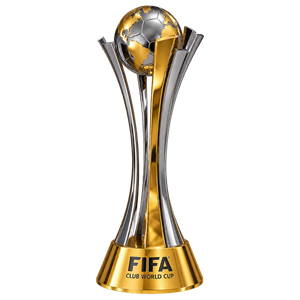
Messi scored the extra-time winner in a 2–1 victory over Estudiantes.
The first Club World Cup title completed the sextuple: Barcelona won all six available major competitions in 2009. Pedro had equalised shortly before the end of normal time.



2010–2019
The 5–0 Clásico
Barcelona beat José Mourinho’s Real Madrid 5–0 on the club’s anniversary.
Xavi, Pedro, Villa twice and Jeffrén scored. The match offered a memorable demonstration of Guardiola’s positional play and the understanding between La Masia graduates.
Two short matches bring the Copa Catalunya
RCD Espanyol de Barcelona1:0 CE L'HospitaletCopa Catalunya – final tournament, 45-minute matches Match 1 · December 1, 2010 · Location: Sabadell Stadium: Nova Creu Alta Neutral venueFC Barcelona1:2RCD Espanyol de BarcelonaCopa Catalunya – final tournament, 45-minute matches Match 2 · December 1, 2010 · Location: Sabadell Stadium: Nova Creu Alta Neutral venue
Espanyol win the final tournament in Sabadell.
The final is staged as a three-club tournament with matches lasting 45 minutes. Espanyol first beat L’Hospitalet 1–0 and then Barcelona 2–1. Those two victories secure their fifth Copa Catalunya.

Ronaldo’s header ends the long wait for the cup
Cristiano Ronaldo settled the cup final against FC Barcelona in extra time.
The 1–0 win in Valencia brought Madrid their first cup since 1993 and their first trophy under José Mourinho. It marked a breakthrough against their major rivals.
Another great night at Wembley
Barcelona beat Manchester United 3–1 in the Champions League final.
Pedro, Messi and Villa scored at the new Wembley stadium. The side’s control of the game became one of the defining achievements of the Guardiola era.
Thievy’s hat-trick retains the trophy
0:3Espanyol win the final against Barcelona 3–0.
At Tarragona’s Nou Estadi, Thievy Bifouma settles an initially even final after the break. His three goals secure a sixth Catalan cup. Both clubs field numerous young players in the match.

Messi scores five in a 7–1 defeat
Leverkusen exit the Champions League with a 7–1 defeat at Barcelona in the round of 16.
Lionel Messi becomes the first player to score five goals in a Champions League match. Karim Bellarabi scores Leverkusen’s consolation goal in stoppage time. Following the 3–1 first-leg defeat, Bayer lose 10–2 on aggregate.
Into the Champions League final with ten men
Chelsea reached the final with a 2–2 draw at Barcelona after a 1–0 first-leg win.
John Terry’s dismissal and a two-goal deficit were followed by Ramires’s goal before half-time. Lionel Messi missed a penalty and Fernando Torres equalised in stoppage time. It became one of the club’s most celebrated nights.
A second final defeat in May
0:3After losing the Europa League final, Athletic also lose the Spanish Cup final. Barcelona settle the game at the Vicente Calderón with three early goals in a 3–0 victory.

FC Barcelona beaten at Celtic Park
One day after its 125th anniversary, Celtic beat FC Barcelona 2–1 in the Champions League on November 7, 2012.
Victor Wanyama and young Tony Watt scored, with Lionel Messi’s late goal unable to change the outcome. The night showcased Celtic Park’s atmosphere on Europe’s biggest club stage.
An away goal makes the difference
1:10:0David Villa scores against his former club Barcelona in the first leg, before Neymar equalises for 1–1. The return is goalless, allowing Barcelona to take the Supercopa on away goals despite neither side winning a match.
Remembering Tito Vilanova
Tito Vilanova died from cancer on April 25, 2014, aged 45.
As Guardiola’s assistant and later head coach, he had profoundly influenced the team and many of its players. His memory remains connected with personal affection and the championship side he led in 2012/13.

A goalless night secures survival
0:01:1Primera División Match 3 · May 11, 2014 · Location: Cornellà de Llobregat Stadium: Estadi Cornellà-El PratElche hold Barcelona while two other results complete the escape.
Elche battle to a 0–0 draw against title-chasing Barcelona. Valladolid simultaneously lose 4–3 at Betis and Osasuna draw 1–1 at Espanyol. Both challengers can no longer reach Elche’s points total. The promoted club secure survival with one round remaining.
Godín’s header in Barcelona
Atlético need a point in their direct title decider at Camp Nou. Despite early injury substitutions and falling behind, Diego Godín heads the equaliser for a 1–1 draw. The tenth championship ends the wait since 1996 and rewards Simeone’s established team.

An early goal defeats Barcelona
Jordi Alba’s own goal in the second minute proved enough for a 1–0 win over Barcelona.
David Moyes’s team defended their lead to the finish. Anoeta again proved a difficult away ground for the Catalans, who would go on to win the league, cup and Champions League that season.

Safety from two goals down at the Camp Nou
Lucas Pérez and Salomão keep Deportivo in the top flight.
Deportivo trail already-crowned champions Barcelona by two goals. Goals from Lucas Pérez and Diogo Salomão nevertheless produce the required 2–2 draw. They survive on 35 points, ahead of Eibar on head-to-head results.
Barcelona win at Camp Nou
Athletic lose the Cup final 3–1 to Barcelona at Camp Nou. Two Lionel Messi goals help Barcelona secure the trophy.
A second treble with Messi, Suárez and Neymar
A 3–1 victory over Juventus in Berlin completed Barcelona’s second treble.
Rakitić, Suárez and Neymar scored in the final. Luis Enrique’s side combined the club’s technical tradition with the direct attacking power of its exceptional front three.
A remarkable comeback falls short in the Super Cup
5:4a.e.t.Sevilla recovered from 4–1 down against Barcelona to force extra time at 4–4. José Antonio Reyes, Kevin Gameiro and Yevhen Konoplyanka had brought the final in Tbilisi back to life. Pedro settled it in the 115th minute with Barcelona’s fifth goal.
The first trophy since 1984
4:01:1A 4–0 victory at the new San Mamés, including an Aritz Aduriz hat-trick, gives Athletic a commanding lead. A 1–1 draw away to Barcelona completes the Super Cup success and ends the long trophy drought.

Berizzo’s Celta beats Barcelona 4–1
Celta beat reigning Champions League winners Barcelona 4–1. Iago Aspas scored twice, with Nolito and John Guidetti also on target. Victory at Balaídos demonstrated the quality of Eduardo Berizzo’s bold, attacking side.
Extra time denies a cup double
2:0a.e.t.Four days after the triumph in Basel, Sevilla lost the Spanish cup final to Barcelona 2–0 after extra time.
The match at the Vicente Calderón had been goalless over ninety minutes. The hoped-for Europa League and Copa del Rey double did not materialise.

The promoted side surprise Barcelona
Deyverson and Ibai Gómez score in a 2–1 win at Camp Nou.
Mauricio Pellegrino’s side show their quality as early as the third matchday. Victory away to the defending champions becomes an early high point of the return season.

A first Catalan Super Cup
0:1Caicedo’s goal settles the derby in Tarragona.
Espanyol beat Barcelona 1–0 at the Nou Estadi. Felipe Caicedo scores the decisive goal early in the match. A first Supercopa de Catalunya is added to their six Copa Catalunya victories.
The comeback against Paris
After losing 4–0 in Paris, Barcelona won the return leg 6–1.
Sergi Roberto’s stoppage-time goal completed a 6–5 aggregate turnaround. It was the first time a team had overturned a four-goal first-leg deficit in the Champions League.

Another relegation is confirmed early
7:1 CD Leganés3:0UD Las PalmasPrimera División Match 2 · April 26, 2017 · Location: Leganés Stadium: Estadio Municipal de Butarque
Defeat at Barcelona and Leganés’s 3–0 victory over Las Palmas confirmed Osasuna’s relegation with four matches remaining.
On 18 points, the club could no longer reach safety. Coaching changes and persistent defensive problems had defined the campaign.
Barcelona win the first Copa final
3:1Alavés lose 3–1 at the Vicente Calderón.
Theo Hernández cancels out Messi’s opener with a direct free-kick. Neymar and Paco Alcácer then score for Barcelona before half-time. Thousands of travelling supporters witness the club’s second major final appearance.
Roma turns the quarter-final around
4:13:0After winning the first leg 4–1, Barcelona lost 3–0 in Rome.
With the aggregate score level at 4–4, the away-goals rule then in force sent the Italian side through. Defeat showed how quickly an apparently comfortable European lead could disappear.
A bitter 5–0 defeat in the cup final
Sevilla suffered a heavy cup final defeat by Barcelona at the Wanda Metropolitano.
Two Luis Suárez goals and strikes from Lionel Messi, Andrés Iniesta and Philippe Coutinho made it 5–0. The Champions League quarter-final campaign was followed by a severe domestic setback.
Barcelona celebrate as Deportivo go down
A 4–2 home defeat ends the last mathematical hopes.
Deportivo initially recover from two goals down but eventually lose 4–2. Barcelona clinch the league title. With three rounds remaining, Deportivo are relegated; even Clarence Seedorf has been unable to turn their season around.

Four goals at Camp Nou
Betis won a spectacular league match at Barcelona 4–3. Junior Firpo, Joaquín, Lo Celso and Canales scored for Quique Setién’s team. The bold display at Camp Nou was a high point of a year in which the club imposed its own football on major stages.
Elimination at Anfield
3:04:0Liverpool FC overturned Barcelona’s 3–0 first-leg lead with a 4–0 victory.
Origi and Wijnaldum scored twice each, with the quickly taken corner before the fourth goal becoming the evening’s defining moment. Barcelona missed the Champions League final, losing 4–3 on aggregate.

The centenary-year cup
1:2Kevin Gameiro and Rodrigo give Valencia a two-goal lead over Barcelona. Lionel Messi pulls one back, but Valencia win 2–1 at the Benito Villamarín. Marcelino’s side crown the club’s centenary year with its eighth Spanish cup.


2020–2029
Relegation is confirmed at Camp Nou
A 1–0 defeat leaves an insurmountable gap.
The pandemic-interrupted season brings relegation for Espanyol. Defeat at their city rivals leaves a maximum of 33 points with three matches remaining. The club lose their top-flight place after 26 years.
The 8–2 quarter-final defeat
2:8Barcelona lost the Champions League quarter-final 8–2 to Bayern.
Because of the pandemic, the round was decided in a single match in Lisbon. The heavy defeat accelerated sporting change; there was no first or second leg.
Williams wins the Super Cup in extra time
2:3a.e.t.Having eliminated Real Madrid in the semi-final, Athletic also beat Barcelona. Asier Villalibre forces extra time with a late equaliser before Iñaki Williams scores the winner in a 3–2 victory. Marcelino wins a trophy shortly after taking charge.
A second Cup final defeat in two weeks
0:4Only two weeks after the Basque final, Athletic return to La Cartuja. Barcelona win the final of the 2020/21 competition 4–0.
Messi’s time at Barcelona ends
On August 5, 2021, the club announced that Lionel Messi would leave despite an agreement in principle.
Barcelona cited financial and structural obstacles and Spanish league regulations. The record goalscorer’s departure marked a major turning point in the club’s sporting and financial rebuilding.

A 3–0 victory over Barcelona
Benfica beat the Catalan club for the first time since the 1961 final.
Darwin Núñez scores twice and Rafa Silva adds the other goal at the Luz. The emphatic group-stage victory recalls Benfica’s first European Cup triumph. They will go on to reach the quarter-finals of that season’s competition.

The night in Barcelona
Eintracht beat Barcelona 3–2 at Camp Nou.
Following a 1–1 draw in the first leg, the win takes Frankfurt into the Europa League semi-finals.
Spotify and a new stadium name
The Spotify partnership took effect on July 1, 2022.
The company became the main shirt partner and stadium naming partner. Camp Nou became Spotify Camp Nou as the club prepared for its major stadium redevelopment.
League home games on Montjuïc
A 2–0 victory over Cádiz began Barcelona’s league home schedule at the Olympic stadium.
During Camp Nou’s redevelopment, the Montjuïc venue became a temporary home. Pedri and Ferran Torres scored in the first league home match there.
A first Supercopa appearance
As cup runners-up, Osasuna entered the Spanish Supercopa for the first time.
Barcelona won the semi-final in Riyadh 2–0. The debut added another milestone to Arrasate’s tenure, alongside promotion, a cup final and a return to Europe.
The league title is confirmed after the match in Girona
After their own 3–0 win over Cádiz, Real Madrid had to wait for the later match in Girona.
Girona’s 4–2 victory over FC Barcelona made the title mathematically certain with four rounds remaining. Only that result finally confirmed the 36th league championship.
The 32nd Spanish cup
Jules Koundé’s extra-time goal decided a 3–2 cup final against Real Madrid.
Barcelona won its 32nd Spanish cup. Hansi Flick’s side had lost its early lead and fought back after Madrid temporarily turned the match around.
Flick’s first league title in the derby
A 2–0 win at RCD Espanyol de Barcelona secured the league title before the season ended.
Lamine Yamal and Fermín López scored. Following the Super Cup and Spanish cup, Flick’s first season had produced a domestic treble.
The return to Camp Nou
Barcelona returned to Spotify Camp Nou for a competitive match, beating Athletic Club 4–0.
The first partial reopening ended more than two years at Montjuïc. Construction continued, and the initially available capacity remained far below the planned final capacity.

The round of 16 ends in Barcelona
Newcastle United1:1FC BarcelonaUEFA Champions League First leg · March 10, 2026 · Location: Newcastle upon Tyne Stadium: St James' ParkAfter a 1–1 draw at St James’ Park, Newcastle lost the return match 7–2.
Anthony Elanga scored both Newcastle goals. The club’s first Champions League round-of-16 appearance ended 8–3 on aggregate against Barcelona.
The 29th league title in the Clásico
A 2–0 win over Real Madrid secured Barcelona’s 29th Spanish league title.
Rashford and Ferran Torres scored; a 14-point lead with three matches remaining made the championship mathematically certain. Hansi Flick thus won the league in each of his first two seasons.

Diabaté beats the newly crowned champions
Alavés defeat Barcelona 1–0 in the fight against relegation.
Ibrahima Diabaté scores just before half-time. Quique Sánchez Flores’ side defend the lead and reach 40 points, bringing survival closer without yet making it certain.