The history of Real Madrid
Milestones and background from the club's history, in chronological order.
Categories
Competitions
Nicknames through the years Three names tell a story of near misses, late goals and an unbeaten season. Read the storiesClose the stories
1900–1909
A football community becomes a club
On March 6, 1902, Madrid Football Club was formally constituted under president Juan Padrós.
The Padrós brothers and former Sky members gave an existing football community a lasting organisational structure.

Taking part in the first Copa del Rey
Madrid FC end Español’s campaign in the semi-final.
Español are one of three entrants in the first regular Copa del Rey. After taking the lead, they lose their semi-final 4–1 to Madrid FC. The Madrid side subsequently face Athletic in the final.

The first Copa del Rey victory
Athletic turn a two-goal deficit against Madrid FC into a 3–2 win. Victory in the inaugural Copa del Rey confirms the club’s early rise.
Madrid and Moderno join forces
On January 30, 1904, Madrid merged with the separate Moderno Football Club.
The club briefly competed as Madrid-Moderno. Moderno’s earlier identity remains distinct from that of the continuing Madrid club.
Prast wins Madrid their first Spanish cup
Manuel Prast’s goal against Athletic Club gave Madrid their first Spanish cup.
The competition was then a three-team tournament; this was its decisive match rather than a modern knockout final.
Victory over Recreativo secures second place
 Madrid FC4:1Athletic ClubCopa del Rey Match 1 · April 10, 1906 · Location: Madrid Stadium: Hipódromo de la Castellana Neutral venueAthletic Club2:1
 Recreativo de HuelvaCopa del Rey Match 2 · April 11, 1906 · Location: Madrid Stadium: Hipódromo de la Castellana Neutral venue
After losing 4–1 to Madrid, Athletic beat Recreativo Huelva 2–1. The result gives Athletic second place in the three-club Cup group.
1910–1919
Cup winners in a divided competition
Athletic Club2:0 Madrid FCCopa del Rey Match 1 · March 19, 1910 · Location: San Sebastián Stadium: Campo de Ondarreta Neutral venueAthletic Club1:0
 Vasconia SCCopa del Rey Match 2 · March 20, 1910 · Location: San Sebastián Stadium: Campo de Ondarreta Neutral venue
After beating Madrid 2–0, Athletic defeat Vasconia 1–0 to secure the UECF tournament in San Sebastián. Vasconia represent the recently founded Real Sociedad, while a rival federation stages a separate competition in Madrid.

A cup campaign under Vasconia’s licence
Athletic Club1:0Vasconia SCCopa de S. M. el Rey Match 1 · March 20, 1910 · Location: San Sebastián Stadium: Campo de Ondarreta Neutral venueThe new club had not existed long enough to enter under its own name, so its footballers played the Unión de Clubes cup tournament as Vasconia SC.
At Ondarreta they lost 1–0 to Athletic before beating Madrid FC 2–0. They finished second to Athletic in the three-club tournament.

Three consecutive Cups
Athletic defeat Madrid FC 4–0 in Barcelona, with Félix Zubizarreta scoring a hat-trick. Following the victories of 1914 and 1915, the club earn permanent possession of the trophy.
1920–1929
The king grants the title “Real”
Alfonso XIII granted the club the title “Real” on June 29, 1920.
Madrid Football Club became Real Madrid Football Club, and a royal crown was added to the crest.
Chamartín opens against Newcastle
The original Chamartín ground opened with a 3–2 win over Newcastle United.
It provided a permanent home for the growing club and was a different stadium from the present Bernabéu, opened in 1947.

A derby settles a three-way contest
Athletic, Real Madrid and Racing finish level in the regional championship, requiring an additional three-club group. Having beaten Racing, Athletic defeat Real Madrid 3–1 at Chamartín on January 22, 1928 to claim their third regional title.

The Final del Agua brings a first national cup
Espanyol beat Real Madrid 2–1 in a rain-soaked Mestalla.
Heavy rain shapes the final in Valencia and gives it its enduring nickname. With Ricardo Zamora in goal, Espanyol overcome Real Madrid. After losing the 1911 and 1915 finals, the club win the national cup for the first time.


1930–1939

The first league and Cup double
Having won the league unbeaten, Athletic defeat Real Madrid 3–2 after extra time in the Cup final. The double launches Fred Pentland’s great period of success.
The Republic changes the name and crest
The Second Spanish Republic brought the removal of the royal title in 1931.
The club again became Madrid Football Club. The crown disappeared from its crest, whose new design included a purple diagonal stripe.
The first league title, unbeaten
Madrid ended the 1931/32 season with a 2–2 draw at FC Barcelona’s Les Corts and won their first league title.
Lippo Hertzka’s side, featuring Zamora, Ciriaco and Quincoces, went unbeaten through all 18 matches and finished with 28 points under the two-point system.
Four Cups in four years
Athletic beat Madrid FC 2–1 at Montjuïc. A fourth consecutive Cup crowns the team whose famous attack features Lafuente, Iraragorri, Bata, Chirri II and Gorostiza.

The first Spanish cup final
Valencia reach the national cup final for the first time but lose 2–1 to Madrid FC at Montjuïc. The appearance nevertheless marks the club’s emergence among Spain’s leading sides.
Civil war interrupts club life
The Spanish Civil War interrupted the national league and broke up the team.
Players ended their careers or went into exile, and Chamartín suffered badly. Rebuilding was necessary both on the pitch and throughout the club.
Zamora’s save preserves the cup
Madrid beat FC Barcelona 2–1 in the cup final in Valencia.
Ricardo Zamora’s late save from Josep Escolà preserved the lead. It was the club’s last major sporting success before the Spanish Civil War.
An assembly organises reconstruction
Pedro Parages convened a club assembly after the war.
Adolfo Meléndez became president. With a damaged stadium and a depleted squad, Madrid had to restore much of its organisation from the ground up.

Regional champions after the Civil War
Athletic-Aviación beat Madrid 3–0 in the regional championship’s final round. Both clubs finish with 15 points, with the decisive derby victory confirming Athletic-Aviación as champions. Their fourth regional championship is played entirely in autumn 1939.


1940–1949
“Real” and the crown return
The royal title and crown returned in 1941.
Real Madrid Club de Fútbol became the club’s present official identity. The purple stripe remained in the crest, now developed in full colour.
A regional cup won in the derby
 Real Madrid1:0Club Atlético-AviaciónCastilian Federation President’s Cup First leg · June 15, 1941 · Location: Madrid Stadium: Estadio de Chamartín (1924–1946)Club Atlético-Aviación3:0Real MadridCastilian Federation President’s Cup Second leg · June 22, 1941 · Location: Vallecas Stadium: Estadio de Vallecas
Atlético-Aviación lose the first leg of the Castilian Federation President’s Cup final 1–0 at Real Madrid. A 3–0 return-leg victory at Vallecas wins the tie and adds a regional cup to the reigning Spanish champions’ successful season.

The first Spanish league championship
Real Madrid2:3 Celta VigoPrimera División Match 3 · March 22, 1942 · Location: Madrid Stadium: Estadio de Chamartín (1924–1946)
Valencia beat Español 2–1 to reach 37 points. Club Atlético-Aviación lose 2–1 at Deportivo and Real Madrid lose 3–2 to Celta, ending both challengers’ remaining title chances. The celebrated attack of Mundo, Gorostiza, Epi, Amadeo and Asensi defines the era.
Returning to the rebuilt Metropolitano
After years at Chamartín and Vallecas, Atlético-Aviación return to their rebuilt ground. The Metropolitano reopens with a 2–1 league derby win over Real Madrid, watched by about 40,000 spectators.

A post-war double
Zarra settles the final against Real Madrid in extra time. Having already won the league, Atlético de Bilbao complete another double with the 1–0 victory.
Santiago Bernabéu becomes president
Santiago Bernabéu was elected president on September 15, 1943.
His tenure, lasting until 1978, combined a major stadium project with an international sporting strategy. Reconstruction laid the foundations for the coming European Cup era.

A third consecutive final defeat
Valencia lose the cup final 3–1 to Real Madrid. Following defeats by Bilbao in 1944 and 1945, this is their third successive final loss. The remarkable run of appearances produces another trophy only in 1949.
A dramatic final day brings a third title
Valencia beat Gijón 6–0. Athletic Bilbao draw 3–3 at Deportivo while Atlético Madrid lose 3–2 to Real Madrid. Valencia finish level on points with Bilbao and take the title through their superior head-to-head record.

The cup final at Riazor
Real Madrid win 2–0 only after extra time.
The final takes Español to A Coruña. Following a goalless 90 minutes, Vidal and Pruden settle the contest for Real Madrid. Español thus lose another national cup final.
Nuevo Chamartín opens
Real Madrid opened their new stadium with a 3–1 win over Os Belenenses.
Sabino Barinaga scored its first goal and Chus Alonso added two more. Nuevo Chamartín, later named Santiago Bernabéu, was newly built beside the former ground.
The first Copa Eva Duarte final
Valencia lose 3–1 to Real Madrid after extra time. The first edition of the Copa Eva Duarte is settled in June 1948; Valencia will win the competition themselves the following year.


1950–1959

Four goals at Nuevo Chamartín
FCS won a friendly away to Real Madrid by 4–0. Herbert Martin, Gerhard Siedl and Emil Poklitar, twice, scored at Nuevo Chamartín.
The win was one of the most striking results of the club’s international travels while outside German league football.

Two wins over Madrid open the final
After a 1–0 win at Atotxa, Real Sociedad also won the return leg of the cup semi-final in Madrid, 2–0. Barinaga and Caeiro scored at Nuevo Chamartín, taking Benito Díaz’s team to their first cup final since 1928.
Di Stéfano’s first competitive match
Alfredo Di Stéfano scored on his competitive debut in a 4–2 win over Racing de Santander.
The versatile Argentine became central to the team that would win five successive European Cups. His arrival transformed the club’s sporting ambitions.
The stadium takes Bernabéu’s name
The members’ assembly voted to name Nuevo Chamartín after Santiago Bernabéu.
The honour recognised the president’s work in developing the club. It was a name change for the same stadium opened in 1947.
European Cup history begins in Geneva
Real Madrid’s first European Cup match ended in a 2–0 win at Servette.
Miguel Muñoz scored the club’s first goal in the competition and Héctor Rial the second. The match was played at the old Stade des Charmilles, not today’s Stade de Genève.
The first European Cup after going 2–0 down
Real Madrid beat Stade de Reims 4–3 in the first European Cup final.
After falling 2–0 behind and later trailing again, Héctor Rial settled the match at Paris’s Parc des Princes. The victory began a run of five successive titles.

Real Madrid beaten at Molineux
Wolves beat Real Madrid 3–2 at Molineux in one of the ground’s celebrated floodlit friendlies.

The first European campaign ends in the quarter-finals
After eliminating Benfica and Aarhus, Sevilla met Real Madrid in the European Cup quarter-finals.
A heavy 8–0 first-leg defeat was followed by a 2–2 draw at Nervión. Their first European Cup campaign ended against the eventual winners, having taken Sevilla into the last eight.
The “Eleven Villagers” defeat Real Madrid
Athletic defeat the reigning European champions 2–0 in the Santiago Bernabéu final through goals by Arieta and Mauri. The victory over Alfredo Di Stéfano’s Real Madrid at their own ground enters club history as the triumph of the “Once Aldeanos” (Eleven Villagers).

Three derbies for a place in the final
Real Madrid2:1Atlético MadridEuropean Cup Match 3 · May 13, 1959 · Location: Zaragoza Stadium: La Romareda (1957–2025) Neutral venueReal Madrid win the European Cup semi-final’s first leg 2–1 and Atlético take the return 1–0. The rules require a deciding match, which Real win 2–1 at La Romareda. Atlético’s first European campaign ends just short of the final.



1960–1969

A painful top-flight record
Real Madrid win 11–2 at the Bernabéu.
Elche’s first league visit to Real Madrid produces the heaviest Primera División defeat in club history. Pepillo scores five goals and Ferenc Puskás four. A Santisteban own goal and a César strike account for Elche’s two. Despite the setback, the newcomers retain their top-flight place at the end of the season.
Seven goals and a fifth European Cup
The 7–3 win over Eintracht Frankfurt at Hampden Park became one of football’s best-known finals.
Ferenc Puskás scored four goals and Di Stéfano three. Madrid won the fifth edition of the European Cup and remained its only champions.
The first Copa, against Real Madrid
Atlético recover from an early deficit to beat Real Madrid 3–1 at the Bernabéu. Collar, Jones and Peiró score after the interval as José Villalonga guides the club to their first Spanish Cup.
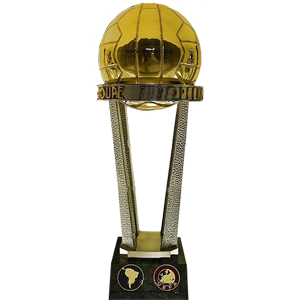
The first Intercontinental Cup
Real Madrid5:1 PeñarolIntercontinental Cup Second leg · September 4, 1960 · Location: Madrid Stadium: Estadio Santiago Bernabéu
After a goalless first leg in Montevideo, Real Madrid beat Peñarol 5–1 at the Bernabéu.
Madrid led 3–0 after ten minutes. Winning the first Intercontinental Cup added a victory over South America’s champions to their European dominance.

Barcelona ends Madrid’s European Cup run
A 2–1 return-leg victory eliminated Real Madrid from the European Cup for the first time.
The first leg in Madrid had finished 2–2. After five consecutive titles for their rivals, Barcelona’s success marked a turning point in the competition’s history.
Another derby cup triumph
The Madrid rivals meet again at the Bernabéu, and Atlético win again. Two Peiró goals and one from Mendonça secure a 3–2 victory. Retaining the cup confirms the strength of the team captained by Enrique Collar.

Real Madrid under the new floodlights
Real Madrid win the friendly 4–3.
Ferenc Puskás and Alfredo Di Stéfano feature in the famous side making their first appearance in London. Palace recover part of a 4–1 half-time deficit, with the occasion celebrating the upgraded floodlights.

Five goals against Real Madrid
Benfica retain Europe’s crown with a 5–3 victory in Amsterdam.
Ferenc Puskás scores a first-half hat-trick for Real Madrid, but Benfica keep responding. After goals from José Águas, Cavém and Mário Coluna, Eusébio settles the match with two of his own. Guttmann’s side win the European Cup for a second successive season.
Puskás turns the cup final in the final minute
José Carlos Diéguez put Sevilla 1–0 ahead of Real Madrid in the cup final.
Ferenc Puskás equalised from the penalty spot and scored the winner in the 89th minute. The late goal at the Santiago Bernabéu ended Sevilla’s hopes of another cup triumph.

Di Stéfano makes his debut against his former club
Real Madrid win 2–1 at Sarrià.
After leaving Madrid, Alfredo Di Stéfano joins Español. His league debut comes against his former team-mates. Under coach Kubala, he plays the final two seasons of his professional career at Español.
A great European night against Real Madrid
Benfica win the quarter-final first leg 5–1.
Elek Schwartz’s side establish a commanding lead at the Luz. Eusébio scores twice, with José Augusto, Simões and José Torres adding the other goals. Benfica lay the foundations for their eventual passage to another European Cup final.
The “Yé-yé” generation wins the sixth European Cup
Goals by Amancio and Fernando Serena overturned Partizan’s lead to give Madrid a 2–1 final victory.
The Spanish “Yé-yé” team combined a new generation with Francisco Gento, the only player to win a sixth European Cup.

A win over Real is not enough
1860 Munich1:0Real MadridEuropean Cup First leg · November 17, 1966 · Location: München Stadium: Städtisches Stadion an der Grünwalder StraßeHans Küppers gives the Lions a 1–0 first-leg win over reigning European champions Real Madrid. A 3–1 defeat at the Bernabéu in the return match nevertheless ends 1860’s European Cup campaign in the second round.

Elche beat the unbeaten leaders
Real Madrid suffer their only league defeat of the season at Altabix.
A goal following Curro’s effort gives Elche a 1–0 home win over Real Madrid. The previously unbeaten league leaders lose for the first time that season. Madrid win their two remaining matches, leaving this as their only defeat. Altabix again proves a difficult venue for the giants.

1970–1979

Real Madrid win the cup final
Valencia lose 3–1 to Real Madrid at Camp Nou. This is the first of three consecutive cup final appearances, all ending in defeat.

Brian Clark defeats Real Madrid
Real Madrid2:0Cardiff CityUEFA Cup Winners’ Cup Second leg · March 24, 1971 · Location: Madrid Stadium: Estadio Santiago BernabéuBrian Clark’s header gave Cardiff City a 1–0 win over Real Madrid in the Cup Winners’ Cup quarter-final first leg. It became one of Ninian Park’s most famous nights. Real won the return 2–0 to progress on aggregate.
Chelsea FC win the replayed final
Real Madrid1:1a.e.t. Chelsea FCEuropean Cup Winners’ Cup Match 1 · May 19, 1971 · Location: Piraeus Stadium: Stadio Georgios Karaiskakis Neutral venueReal Madrid1:2Chelsea FCEuropean Cup Winners’ Cup Match 2 · May 21, 1971 · Location: Piraeus Stadium: Stadio Georgios Karaiskakis Neutral venue
After a 1–1 draw following extra time, the Cup Winners’ Cup final was replayed two days later.
Real Madrid lost the second match 2–1 to Chelsea FC. The defeat in Piraeus left this European trophy beyond the club’s reach.
Back in the Segunda División
A 4–1 defeat at Real Madrid on the final day confirmed Sevilla’s second relegation.
The season ended in 16th place with 27 points. The successful return of 1969 and third place in 1970 were followed by another sporting reversal.

Relegation on Atlético’s championship day
 UD Las Palmas1:0ValenciaPrimera División Match 4 · May 20, 1973 · Location: Las Palmas de Gran Canaria Stadium: Estadio Insular
A long spell outside the Primera begins at the Vicente Calderón.
Deportivo lose 3–1 to newly crowned champions Atlético. Celta, Sporting and Las Palmas win their final matches and stay up. Deportivo finish seventeenth with 27 points. Eighteen years will pass before their next Primera return.

Ipswich eliminates Real Madrid
After winning the home leg 1–0, Ipswich held Real Madrid to a goalless draw away.
The narrow aggregate victory was an early highlight of Robson’s development in Europe.
Cruyff’s Barcelona wins 5–0 in Madrid
The 5–0 win at the Bernabéu became a symbol of renewal with Johan Cruyff.
Asensi scored twice, with Cruyff, Juan Carlos and Sotil adding the other goals. The match defined memories of the eventual championship but did not yet mathematically settle the title.

Defeat at the Insular seals relegation
Celta lost its final league match 3–1 at Las Palmas.
Sporting simultaneously beat Real Madrid 2–0, moving beyond Celta’s thirty points along with the other safe positions. The top-flight spell that began in 1969 came to an end.

The derby final is decided on penalties
The cup final at the Vicente Calderón remains goalless through extra time. Real Madrid win the shootout 4–3, denying Atlético another trophy only months after their Intercontinental Cup triumph.

Madrid overturns a great European night
Derby County4:1Real MadridEuropean Champion Clubs’ Cup First leg · October 22, 1975 · Location: Derby Stadium: Baseball GroundReal Madrid5:1a.e.t.Derby CountyEuropean Champion Clubs’ Cup Second leg · November 5, 1975 · Location: Madrid Stadium: Santiago BernabéuCharlie George scored a hat-trick in Derby’s 4–1 win over Real Madrid. Real then won the return 5–1 after extra time, taking the tie 6–5 on aggregate. One of the Baseball Ground’s most famous nights ultimately ended in a painful European exit.
Champions at their city rivals’ ground
A 1–1 draw away to Real Madrid seals the championship with a round remaining. Rubén Cano scores at the Bernabéu, and the later equaliser cannot take the title away. Luis Aragonés now wins the league as Atlético’s coach as well as a former player.
Remembering Santiago Bernabéu
Santiago Bernabéu died on June 2, 1978, aged 82.
He had shaped the club as president for more than three decades. His name remained attached to the stadium and to the Trofeo Bernabéu later held in his memory.
Kempes fires Valencia to the cup
Mario Kempes scores both goals in a 2–0 victory over Real Madrid. Valencia play in the colours of the Senyera. The cup adds to Kempes’s two Spanish top-scorer awards and his 1978 World Cup triumph with Argentina.
1980–1989

Real Madrid swept aside, 5–1
After losing the first leg 2–0, Hamburg turns the semi-final around with a 5–1 win against Real Madrid.
HSV reaches the European Cup final for the first time.
A cup final against the club’s own reserves
Real Madrid won the cup final against Castilla 6–1.
The first team and their own reserves both reaching the final made the match at the Bernabéu exceptional. For Castilla, reaching the final was a historic achievement.
Liverpool FC settle the final in Paris
In their first European Cup final since 1966, Real Madrid lost 1–0 to Liverpool FC.
Alan Kennedy’s late goal decided the match at Parc des Princes. The setback showed how far the club remained from repeating its earlier European title runs.

The 75th European match against Real Madrid
A 3–2 defeat at the Bernabéu was followed by a goalless draw with Real Madrid in Jena’s 75th European match.
The Spanish club progressed by a narrow margin.

5-0 against Real Madrid: a first European semi-final
After losing 3-1 in Madrid, FCK beat Real 5-0 in the return leg.
The famous night on the Betzenberg secures a 6-3 aggregate victory and the club’s first European semi-final.

The first winners of the new Super Cup
Real Madrid1:0Real SociedadSpanish Super Cup First leg · October 13, 1982 · Location: Madrid Stadium: Estadio Santiago BernabéuAfter losing 1–0 in Madrid, Real Sociedad overturned the first Spanish Super Cup final.
The return at Atotxa stood at 1–0 after 90 minutes before three extra-time goals made it 4–0. Pedro Uralde scored a hat-trick and Roberto López Ufarte added the other goal, making Real the new competition’s first winners.

Tendillo’s goal and the rivals’ results
Miguel Tendillo scores the winner against Real Madrid. Valencia reach 25 points and survive as Las Palmas lose 5–1 to Athletic, Celta lose 3–1 at Valladolid and Racing take no points at Atlético. After two draws in their head-to-head meetings, Valencia finish above Las Palmas through their superior overall goal difference.

Champions after 27 years
Athletic win 5–1 at Las Palmas. Real Madrid’s simultaneous 1–0 defeat at Valencia allows Javier Clemente’s team to overtake Madrid on the final day.
A bitter final day
A 3–1 defeat at Valladolid sent Celta down again on twenty-four points.
Osasuna beat Barcelona 1–0 and Valencia also beat Real Madrid 1–0. The rival results carried both clubs above Celta, ending a top-flight return that had lasted just one season.
The Quinta del Buitre reaches the first team
Sanchís and Martín Vázquez made their debuts under Alfredo Di Stéfano in a 1–0 win at Real Murcia CF.
Sanchís scored the only goal. Alongside Pardeza, Butragueño and Míchel, they formed the celebrated academy generation that would shape the late 1980s.
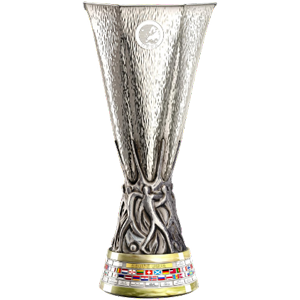
The first UEFA Cup
A 1–0 defeat to Videoton in the return leg could not prevent Madrid’s first UEFA Cup win.
They had won the first leg 3–0. The route to the trophy featured spectacular home comebacks against Rijeka, Anderlecht and Inter.
Real take the League Cup
Atlético win the League Cup final’s first leg 3–2 at the Calderón, but Real Madrid take the return 2–0 at the Bernabéu to win 4–3 on aggregate. Atlético’s Spanish cup final follows a fortnight later.
The 4–0 that overturns a 5–1 defeat
Real Madrid overturned a 5–1 defeat by Borussia Mönchengladbach with a 4–0 win at the Bernabéu.
Valdano and Santillana scored twice each. Away goals decided the 5–5 aggregate tie, and Juanito’s jubilant jumps became an enduring image of the “remontada”.
The UEFA Cup stays in Madrid
Real Madrid retained the UEFA Cup against Köln.
A 5–1 home win was followed by a 2–0 defeat at Berlin’s Olympic Stadium, leaving Madrid 5–3 aggregate winners. Köln’s home leg was not played at their usual Müngersdorfer ground.

Third in the unusual play-off league
Clemente’s side finish 44 league games with 51 points.
The 1986/87 regular season is followed by ten further matches in the championship group. Español’s side, featuring N’Kono, Lauridsen and Valverde, finish the overall season third. A 2–2 draw away to already-crowned champions Real Madrid concludes the campaign.
Four goals at the Bernabéu
Real Sociedad reached a second successive cup final.
After a 1–0 home win, John Toshack’s team beat Real Madrid 4–0 in the semi-final return. Gorriz, Txiki Begiristain and José Mari Bakero, twice, scored in an outstanding second half. It became one of the club’s most celebrated away victories.




1990–1999
107 goals complete a dominant season
The 5–2 win over Real Oviedo completed a season with a then-record 107 league goals.
The fifth consecutive league title had already been secured. Hugo Sánchez finished with 38 goals, while the Quinta del Buitre and John Toshack’s team produced an exceptional season record.

Urban’s unforgettable night at the Bernabéu
Osasuna beat Real Madrid 4–0 away from home, with a Jan Urban hat-trick and another goal from Iñigo Larrainzar.
One of the club’s most spectacular away performances, it came to symbolise Pedro Mari Zabalza’s confident side, which finished the season fourth.
Juanito remains in the supporters’ memory
Juan Gómez “Juanito” died in a road accident aged 37.
His death deeply affected supporters who cherished his passion and connection with them. Chants in the seventh minute of matches continue to preserve his memory.
Schuster and Futre at the Bernabéu
Bernd Schuster scores a free-kick and Paulo Futre makes it 2–0 against Real Madrid. Atlético retain the cup at their rivals’ ground, adding another major coaching success for Luis Aragonés at his former club.

The Superdépor announces itself
A 2–0 deficit against Real Madrid becomes a home victory.
After conceding twice early on, Deportivo turn the match against Real Madrid into a 3–2 win. The new side featuring Bebeto and Mauro Silva show ambitions beyond survival. The season ends in third place and brings a first European qualification.

Kombouaré completes the comeback against Real
After defeat at Madrid, Paris turned around the UEFA Cup quarter-final.
Antoine Kombouaré’s stoppage-time header settled the tie and took PSG to its first European semi-final.
Anoeta’s first football match
A 2–2 friendly against Real Madrid brought football to Anoeta.
The new stadium had already opened with an athletics meeting on July 29. Real Sociedad began a new era of home football with modern stands and more space, although a running track initially separated the pitch from supporters.
Raúl makes his debut aged 17
Raúl made his debut aged 17 in a 3–2 defeat at Real Zaragoza.
The first of his 741 competitive appearances began an exceptional career. As a forward and captain, he linked Madrid’s academy tradition with the European successes to come.
Zamorano’s hat-trick in a 5–0 Clásico
Iván Zamorano scored three goals and helped create the other two in a 5–0 victory over FC Barcelona.
Jorge Valdano’s side made a powerful statement against Johan Cruyff’s team. The match became one of the defining Clásicos of that generation.

Two goals at the Bernabéu lead to Europe
Betis won 2–0 away to already crowned champions Real Madrid to secure a UEFA Cup place.
Aquino scored both goals. Serra Ferrer’s newly promoted side finished third, while goalkeeper Pedro Jaro also won the Zamora award.
A first Supercopa follows immediately
Deportivo beat Real Madrid in both legs.
Under new coach John Toshack, Deportivo first win 3–0 at Riazor. They also win at the Bernabéu, this time 2–1. The cup triumph is followed by a first Supercopa de España in the same summer.

Real Madrid fall to second-tier Alavés
The away-goals rule takes Alavés into the cup quarter-finals.
A 1–0 victory at Mendizorroza is followed by a 2–1 defeat at the Bernabéu. Pedro Riesco’s away goal settles the tie for Mané’s side at 2–2 on aggregate.
La Séptima ends a 32-year wait
Predrag Mijatović’s goal against Juventus won Madrid their seventh European Cup.
Jupp Heynckes ended a 32-year wait for the trophy. The final in Amsterdam marked a turning point towards a new era of success.

The first UEFA Super Cup
Chelsea beat Real Madrid 1–0 in Monaco to win its first UEFA Super Cup.
Gustavo Poyet scored the decisive goal. Following the Cup Winners’ Cup triumph, the victory added another European trophy to Vialli’s successful opening months as manager.



2000–2009
Pérez and the Galácticos era
Florentino Pérez became president and signed Luís Figo from Barcelona.
Zidane, Ronaldo and Beckham followed. The combination of global stars, international marketing and sporting ambition changed the club’s economic and public profile.
Victory at the Bernabéu opens Europe’s door
Azkoitia’s goal secures a first European qualification.
The 1–0 win at Real Madrid brings 60 points. The challengers outside the European places can no longer reach that total; Alavés eventually finish sixth on 61 points.
An all-Spanish final and La Octava
Real Madrid beat Valencia 3–0 in the first Champions League final between clubs from the same country.
Morientes, McManaman and Raúl scored in Saint-Denis. Vicente del Bosque led Madrid to their eighth European Cup.

Daum’s final match: 3–5 at Real Madrid
Bayer 04 lose 5–3 away to Real Madrid in the Champions League group stage on October 17, 2000. The match at the Estadio Santiago Bernabéu is Christoph Daum’s final competitive game as Leverkusen head coach. His tenure ends a few days later following the cocaine affair.
FIFA honours the club of the 20th century
At a gala in Rome, Real Madrid received FIFA’s award as the best club of the 20th century.
Florentino Pérez and Alfredo Di Stéfano accepted the trophy. The honour recognised the club’s sporting achievements and international influence.
The “Centenariazo” on the hundredth birthday
On their hundredth birthday, Real Madrid lost the cup final at their own stadium 2–1 to Deportivo La Coruña.
Sérgio and Diego Tristán scored before Raúl’s reply. The defeat became known as the “Centenariazo”.
Zidane’s volley decides La Novena
Zinédine Zidane’s volley just before half-time decided the final against Bayer Leverkusen 2–1.
After Raúl’s opener and Lúcio’s equaliser, the Frenchman provided the defining moment in Glasgow. Substitute Iker Casillas preserved Madrid’s lead.
On-loan Morientes helps eliminate Madrid
Real Madrid4:2 MonacoUEFA Champions League First leg · March 24, 2004 · Location: Madrid Stadium: Estadio Santiago Bernabéu
Monaco overturned Madrid’s 4–2 first-leg win with a 3–1 victory and advanced on away goals.
Fernando Morientes, on loan from Madrid, scored in both legs. The defeat exposed the limitations of the star-studded team.

Another major victory in Madrid
Javier Aguirre’s Osasuna won 3–0 at the Bernabéu through goals from Valdo, Pablo García and Moha.
The result underlined the progress of a side moving beyond its early survival struggles towards a more secure league position and, soon afterwards, a major cup run.
3–0 against Real Madrid
Bayer 04 beat Real Madrid 3–0 in their opening Champions League group match.
Two years after losing the final to Real Madrid, Leverkusen win convincingly at the BayArena. Jacek Krzynówek scores shortly before half-time; França and Dimitar Berbatov make it 3–0 after the break. Klaus Augenthaler's side begin their 2004/05 Champions League campaign with a statement victory.

Thierry Henry wins at the Bernabéu
Thierry Henry scores the only goal in a 1–0 victory over Real Madrid.
Arsenal becomes the first English club to win a competitive match at the Santiago Bernabéu. The away victory becomes a key step towards its first Champions League final.

Five goals at the Bernabéu bring another trophy
Sevilla FC1:0Real MadridSupercopa de España First leg · August 11, 2007 · Location: Seville Stadium: Estadio Ramón Sánchez-PizjuánReal Madrid3:5Sevilla FCSupercopa de España Second leg · August 19, 2007 · Location: Madrid Stadium: Estadio Santiago BernabéuFollowing a 1–0 first-leg win, Sevilla beat Real Madrid 5–3 away.
Kanouté’s hat-trick in the return leg shaped the club’s first Supercopa de España triumph. Five trophies in fifteen months made Juande Ramos’s side one of the most successful in Sevilla’s history.

Real Madrid overturn the tie
Valencia win the first leg 3–2, but Real Madrid take the return 4–2 despite having two players sent off. Madrid win the Spanish Super Cup 6–5 on aggregate.

Six goals at the Bernabéu
The 6–2 win at Real Madrid became a defining match of Guardiola’s first season.
Messi played as a false nine, while both he and Henry scored twice. Victory extended Barcelona’s lead in the title race without mathematically securing the championship that evening.

Four results and a painful relegation
A 1–1 draw with Valladolid was not enough.
Osasuna and Sporting won, while Getafe also drew at Santander. Betis and Getafe finished on 42 points; with both head-to-head games drawn, overall goal difference sent Betis down.

Victory over Real Madrid secures survival
Osasuna came from behind against Real Madrid on the final day, winning 2–1 through Jaroslav Plašil and Juanfran.
The three points secured survival without needing another result. A week after winning at Barcelona, the team completed an extraordinary finish to the season.

A century in blue and white
Real Madrid visited Anoeta for the club’s centenary match, winning the friendly 2–0. The celebration linked memories of the 1909 foundation with hopes for a fresh sporting start. Real were still in Segunda División, marking their hundredth anniversary in the middle of a rebuilding period.
Alcorcón eliminate the favourites
Real Madrid were eliminated from the cup by third-tier Alcorcón.
A 4–0 first-leg defeat was followed by only a 1–0 win at the Bernabéu. The “Alcorconazo” became a particularly stark setback for Madrid’s rebuilt team of stars.


2010–2019
The 5–0 Clásico
Barcelona beat José Mourinho’s Real Madrid 5–0 on the club’s anniversary.
Xavi, Pedro, Villa twice and Jeffrén scored. The match offered a memorable demonstration of Guardiola’s positional play and the understanding between La Masia graduates.
Ronaldo’s header ends the long wait for the cup
Cristiano Ronaldo settled the cup final against FC Barcelona in extra time.
The 1–0 win in Valencia brought Madrid their first cup since 1993 and their first trophy under José Mourinho. It marked a breakthrough against their major rivals.
The first Liga season with 100 points
A 4–1 win over Mallorca made Real Madrid the first Liga side to finish with 100 points.
The title, already secured earlier, was accompanied by a record 121 goals. José Mourinho’s team set new standards at the season finale; this match did not decide the championship.
Miranda ends the long derby wait
1:2a.e.t.Diego Costa cancels out Real Madrid’s opener before Miranda heads the extra-time winner. Atlético’s 2–1 victory at the Bernabéu ends their competitive derby win drought stretching back to 1999 and brings Simeone the club’s tenth Spanish Cup.
Ramos rescues the final and La Décima follows
4:1a.e.t.Sergio Ramos equalised against Atlético in added time.
Bale, Marcelo and Cristiano Ronaldo made it 4–1 in extra time. After twelve years, Real Madrid won their tenth European Cup, with Carlo Ancelotti delivering the long-awaited trophy.
Mandžukić decides the return leg
1:11:0After a 1–1 draw at the Bernabéu, Mario Mandžukić scores the only goal early in the return leg at the Calderón. Atlético beat Real Madrid 2–1 on aggregate, adding their second Spanish Super Cup to the league championship.

A 4-3 win at Real Madrid
Schalke win the round-of-16 return 4-3 away to holders Real Madrid.
Following a 2-0 first-leg defeat, they nevertheless fall one goal short of progressing.

A famous night against Real Madrid
Wolfsburg beat Real Madrid 2-0 in the quarter-final first leg through Ricardo Rodríguez and Maximilian Arnold.
A 3-0 defeat in the return leg ends VfL’s run.
La Undécima is decided on penalties
1:1a.e.t. · 5:3 on pensReal and Atlético met again in the Champions League final.
Following a 1–1 draw, Madrid won the shoot-out 5–3. Zinédine Zidane delivered an eleventh European Cup only months after taking over as head coach.
The Super Cup slips away in added time
3:2a.e.t.Sevilla led Real Madrid 2–1 in the Super Cup until added time.
Sergio Ramos equalised late before Dani Carvajal decided the final in Trondheim near the end of extra time. Despite holding the lead, Sevilla missed out on a first major trophy under Jorge Sampaoli.

Celta eliminates Real Madrid from the cup
1:22:2After winning 2–1 at Real Madrid, Celta drew 2–2 at Balaídos to reach the cup semi-finals.
The 4–3 aggregate success was a high point under Berizzo. The side protected its advantage against the reigning European champions.
The first club to retain the Champions League
A 4–1 win over Juventus in Cardiff made Real Madrid the first club to retain the trophy in the Champions League era.
Cristiano Ronaldo scored twice, with Casemiro and Asensio adding goals. The twelfth European Cup completed a league and European double.

UEFA Super Cup final defeat 2017
2:1United lost the final against Real Madrid 1–2.The team was beaten in the final.
Three consecutive Champions League titles
3:1Real Madrid beat Liverpool FC 3–1 in Kyiv to win the Champions League for a third consecutive season.
Substitute Gareth Bale scored twice, including an overhead kick. The thirteenth European Cup confirmed a new international dynasty.

Four goals in the European derby
2:4a.e.t.Diego Costa scores twice against Real Madrid to take the match into extra time. Saúl and Koke then secure a 4–2 win in Tallinn. Atlético claim their third UEFA Super Cup and beat their city rivals in a European final for the first time.

Manu García decides it against Real Madrid
The captain heads the winner in stoppage time.
Abelardo’s team withstand the favourites and earn their reward with the late goal. Mendizorroza enjoys a memorable night in the club’s latest top-flight spell.


2020–2029
A goalless final in Jeddah
0:0a.e.t. · 4:1 on pensAtlético reach the final against Real Madrid in the first four-club Spanish Super Cup. After 120 goalless minutes, Real win the shootout 4–1 at King Abdullah Sports City in Jeddah.

A 4–3 win at the Bernabéu opens the semi-final
Real Sociedad won a spectacular cup quarter-final at Real Madrid 4–3. Ødegaard, Alexander Isak twice and Mikel Merino scored. The hosts narrowed a 4–1 deficit, but Real held on. The away victory became a defining night on the road to the eventual cup triumph.
Champions at the temporary home
Two Karim Benzema goals against Villarreal secured the league title with one match remaining.
During the pandemic and Bernabéu redevelopment, Madrid played at the Alfredo Di Stéfano stadium. It was their tenth successive win after the league resumed.
Survival also depends on Leganés
Celta drew 0–0 at Espanyol but still stayed up.
Leganés simultaneously managed only a 2–2 draw with Real Madrid, finishing on thirty-six points behind Celta’s thirty-seven. The pandemic-delayed season ended in July with narrow survival.

First qualification for the Champions League round of 16
2:0Borussia qualify for the Champions League round of 16 for the first time despite losing 2–0 at Real Madrid, as Inter and Shakhtar Donetsk draw 0–0.
The later final whistle in Milan confirms qualification. Gladbach finish second in Group B with eight points, ahead of Shakhtar on their head-to-head record.

One hundred years of Deportivo Alavés
The officially celebrated foundation anniversary falls on the home match against Real Madrid.
Goalkeeping legend Javier Berasaluce takes the ceremonial kick-off alongside his granddaughter Uxue. The match ends in a 4–1 defeat, but the anniversary honours a century of people and memories.
Return to the Bernabéu after 560 days
Real Madrid returned to the still-redeveloping Bernabéu with a 5–2 win over Celta Vigo.
Benzema scored a hat-trick, with Vinícius and debutant Camavinga adding goals. The return ended 560 days without a home match at the club’s permanent stadium.

The Super Cup defence ends against Real Madrid
After beating Atlético Madrid in the semi-final, Athletic reach another Super Cup final. Real Madrid win the deciding match in Riyadh 2–0 to end Athletic’s title defence.

Benzema’s hat-trick ends the European campaign
Real Madrid3:1Paris Saint-GermainUEFA Champions League Second leg · March 9, 2022 · Location: Madrid Stadium: Estadio Santiago BernabéuParis won the first leg and also led at Madrid.
Karim Benzema’s hat-trick turned the return match around; PSG were eliminated in the Champions League round of 16.
Rodrygo rescues the final chance against City
 Manchester City4:3Real MadridUEFA Champions League First leg · April 26, 2022 · Location: Manchester Stadium: City of Manchester StadiumReal Madrid3:1a.e.t.Manchester CityUEFA Champions League Second leg · May 4, 2022 · Location: Madrid Stadium: Estadio Santiago Bernabéu
Two late Rodrygo goals forced extra time against Manchester City.
Benzema’s penalty made it 3–1 and secured a place in the final after the 4–3 first-leg defeat. The match captured the season’s comebacks in another celebrated Bernabéu night.
Courtois and Vinícius secure La Decimocuarta
Vinícius Júnior scored the only goal against Liverpool FC in the final.
Thibaut Courtois preserved the 1–0 win with outstanding saves. The fourteenth European Cup crowned a season in which Madrid repeatedly turned desperate situations into victories.
Rodrygo delivers the twentieth Spanish cup
Rodrygo’s two goals decided the cup final against Osasuna 2–1 in Seville.
Real Madrid won the Copa del Rey again after nine years. The twentieth title added the national cup to Ancelotti’s second spell in charge.

Racist abuse and subsequent convictions
Vinícius Júnior suffers racist abuse from spectators during Valencia’s 1–0 win over Real Madrid. In June 2024, three offenders receive eight-month prison sentences and two-year stadium bans. Valencia support their identification and expel them as members. The case intensifies Spanish football’s confrontation with racism.

Champions League debut in Madrid
Union hold Real Madrid goalless until a stoppage-time winner for the hosts.
Union play their first Champions League game at the Estadio Santiago Bernabéu. The 0–1 loss comes late; their subsequent home group matches take place at Berlin's Olympiastadion.
Griezmann becomes the record scorer
Antoine Griezmann scores his 174th competitive Atlético goal against Real Madrid in the Super Cup semi-final, overtaking Luis Aragonés. The personal record comes in a 5–3 extra-time defeat, establishing a new landmark in the club’s long goalscoring history.
The league title is confirmed after the match in Girona
After their own 3–0 win over Cádiz, Real Madrid had to wait for the later match in Girona.
Girona’s 4–2 victory over FC Barcelona made the title mathematically certain with four rounds remaining. Only that result finally confirmed the 36th league championship.
La Decimoquinta: six European Cups in eleven seasons
Dani Carvajal and Vinícius Júnior scored against Borussia Dortmund at Wembley.
The 2–0 win delivered Madrid’s fifteenth European Cup and their sixth since 2014. Toni Kroos ended ten years at the club with another European title.
The new FIFA Intercontinental trophy
Real Madrid won the final of the new FIFA Intercontinental Cup 3–0 against CF Pachuca.
Mbappé, Rodrygo and Vinícius Júnior scored in Lusail. The competition is distinct from the old Intercontinental Cup and the previous annual Club World Cup.
Jesús Navas ends his playing career
Sevilla FC1:0Celta VigoPrimera División Match 1 · December 14, 2024 · Location: Seville Stadium: Estadio Ramón Sánchez-PizjuánJesús Navas ended his professional playing career with a final appearance against Real Madrid.
A week earlier, he had played in front of his own supporters for the last time in a 1–0 win over Celta. The club’s record appearance holder and academy graduate connected the early European titles of 2006 and 2007 with the triumphs of 2020 and 2023.
Rice and the team overcome Real Madrid
Arsenal reaches the Champions League semi-finals with a 2–1 victory in Madrid following a 3–0 first-leg win.
Declan Rice’s two direct free-kicks at Emirates Stadium define the quarter-final. Victories over the holders produce a 5–1 aggregate result and take Arsenal into the last four for the first time since 2009.
The 32nd Spanish cup
Jules Koundé’s extra-time goal decided a 3–2 cup final against Real Madrid.
Barcelona won its 32nd Spanish cup. Hansi Flick’s side had lost its early lead and fought back after Madrid temporarily turned the match around.
PSG end Madrid’s first expanded summer Club World Cup
Real Madrid lost 4–0 to Paris Saint-Germain in the semi-final of the expanded 32-team Club World Cup.
Early errors left the team trailing at MetLife Stadium. The tournament ended with a clear setback in the transition after Ancelotti.
The 29th league title in the Clásico
A 2–0 win over Real Madrid secured Barcelona’s 29th Spanish league title.
Rashford and Ferran Torres scored; a 14-point lead with three matches remaining made the championship mathematically certain. Hansi Flick thus won the league in each of his first two seasons.
José Mourinho returns
Real Madrid announced José Mourinho’s return as head coach for the next three seasons.
Following his first spell from 2010 to 2013, a second chapter began. His new contract was agreed through June 30, 2029.